American Revolutionary War Travel Guide
Collection of battlefields, forts, historic homes, museums, monuments, and commemorative landmarks that preserve the people, events, and ideals of the American Revolutionary War.
-400.jpg)
American Revolutionary War Sites
-400.jpg)
PortableNYCTours, CC BY-SA 4.0, via Wikimedia Commons; Image Size Adjusted
.jpg)
Minute Man National Historical Park
Concord
Park commemorates the opening battle in the American Revolutionary War

Anthony Quintano from Hillsborough, NJ, United States, CC BY 2.0, via Wikimedia Commons; Image Size Adjusted
.jpg)
Freedom Trail
Boston
2.5-mile-long (4.0 km) path through downtown Boston, Massachusetts, that passes by 16 locations significant to the history of the United States

bryan..., CC BY-SA 2.0, via Wikimedia Commons; Image Size Adjusted
.jpg)
Lexington Battle Green
Lexington
Site where the opening shots of the Battles of Lexington and Concord were fired on April 19, 1775, starting the American Revolutionary War
Rhododendrites, CC BY-SA 4.0, via Wikimedia Commons; Image Size Adjusted
.jpg)
Concord's Old North Bridge
Concord
Park commemorates the opening battle in the American Revolutionary War
.jpg)
Bunker Hill Monument
Charlestown
Erected to commemorate the Battle of Bunker Hill, which was among the first major battles between British and Patriot forces in the American Revolutionary War

Jdforrester, CC BY 4.0, via Wikimedia Commons; Image Size Adjusted

Dorchester Heights
Boston
Central area of South Boston featuring a 115-foot (35 m) marble tower, honoring the evacuation of Boston during the American Revolutionary War
Jean-Christophe BENOIST, CC BY 3.0, via Wikimedia Commons; Image Size Adjusted

Longfellow House–Washington’s Headquarters National Historic Site
Cambridge
Historic Georgian mansion offering guided tours, literary exhibits, and gardens tied to Revolutionary and poetic legacies.
Ajay Suresh from New York, NY, USA, CC BY 2.0, via Wikimedia Commons; Image Size Adjusted
.jpg)
Boston National Historical Park
Boston
Collection of historic sites, monuments, museums, and waterfront landmarks that interpret the American Revolution and the nation's early history.
-400.jpg)
ajay_suresh, CC BY 2.0, via Wikimedia Commons; Image Size Adjusted
.jpg)
Boston Massacre Site
Boston
Historic site marked by a memorial plaza and interpretive exhibits commemorating the 1770 confrontation between British soldiers and colonists that became a pivotal event leading to the American Revolution
Misterweiss at English Wikipedia, Public domain, via Wikimedia Commons; Image Size Adjusted

Boston Tea Party Ships and Museum
Boston
Museum featuring reenactments, a documentary, a number of interactive exhibits, and two replica ships of the period
Hypnotoad78, CC BY-SA 4.0, via Wikimedia Commons; Image Size Adjusted

Old South Meeting House
Boston
Historic Congregational church building that gained fame as the organizing point for the Boston Tea Party on December 16, 1773
Faneuil Hall
Boston
Marketplace and meeting hall, it was the site of several speeches by Samuel Adams, James Otis, and others encouraging independence from Great Britain
_(51395759113)-400.jpg)
ajay_suresh, CC BY 2.0, via Wikimedia Commons; Image Size Adjusted
_(51395759113).jpg)
Paul Revere House
Boston
Colonial home of American patriot Paul Revere during the time of the American Revolution
-400.jpg)
Ingfbruno, CC BY-SA 3.0, via Wikimedia Commons; Image Size Adjusted
.jpg)
Old North Church
Boston
Location from which the famous "One if by land, two if by sea" signal is said to have been sent, relating to Paul Revere's midnight ride
PumpkinSky, CC BY-SA 3.0, via Wikimedia Commons; Image Size Adjusted

Old State House
Boston
Historic building in Boston, built in 1713, it was the seat of the Massachusetts General Court until 1798 and is one of the oldest public buildings in the United States
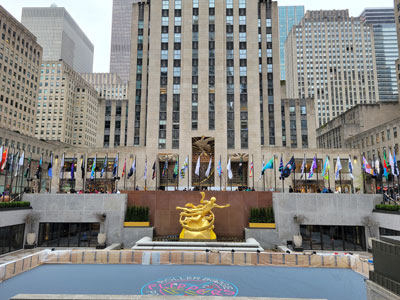
Granary Burying Ground
Boston
Boston's third-oldest cemetery, is the final resting place for many notable Revolutionary War-era patriots, including Paul Revere, the five victims of the Boston Massacre, and three signers of the Declaration of Independence: Samuel Adams, John Hancock, and Robert Treat Paine

Jean-Christophe BENOIST, CC BY 3.0, via Wikimedia Commons; Image Size Adjusted

Concord
Concord
Site where the opening shots of the Battles of Lexington and Concord were fired on April 19, 1775, starting the American Revolutionary War

Saggittarius A, CC BY-SA 4.0, via Wikimedia Commons; Image Size Adjusted

Adams National Historical Park
Quincy
National Historical Park preserves the home of United States presidents John Adams and John Quincy Adams
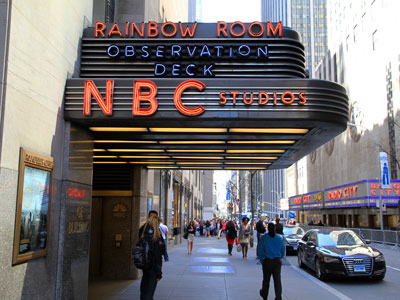
NBCUniversal, CC BY 3.0, via Wikimedia Commons; Image Size Adjusted
Salem Maritime National Historic Site
Salem
First National Historic Site established in the United States consisting of 12 historic structures, one replica tall-ship, and land along the waterfront of Salem Harbor
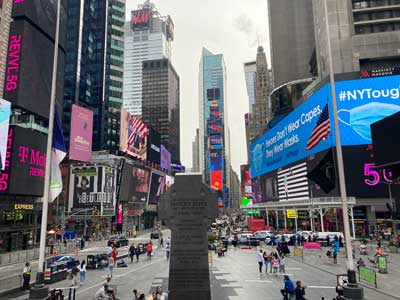

Basil D Soufi, CC BY-SA 3.0, via Wikimedia Commons; Image Size Adjusted
.jpg)
Bennington Battlefield State Historic Site
Walloomsac
Preserved Revolutionary War battlefield featuring historic landscapes, interpretive trails, monuments, and educational exhibits commemorating a decisive Patriot victory during the Saratoga Campaign.
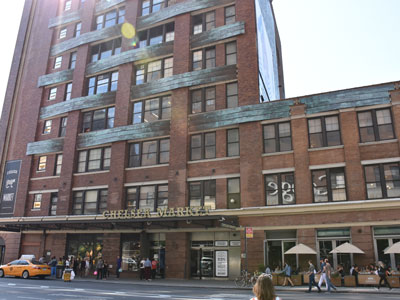
MusikAnimal, CC BY-SA 4.0, via Wikimedia Commons; Image Size Adjusted

Stony Point Battlefield State Historic Site
Stony Point
Preserved Revolutionary War battlefield featuring historic fortifications, interpretive trails, museum exhibits, and a lighthouse commemorating a daring nighttime assault that became one of the war's most celebrated victories.
Oriskany Battlefield State Historic Site
Oriskany
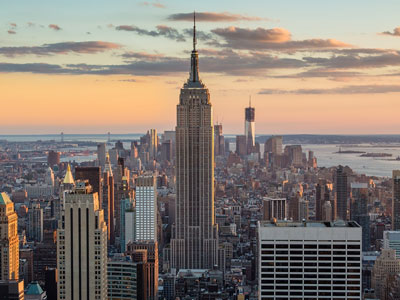
Preserved Revolutionary War battlefield featuring historic monuments, interpretive trails, wooded terrain, and exhibits commemorating one of the bloodiest and most significant battles of the American Revolution.
Sam valadi, CC BY 2.0, via Wikimedia Commons; Image Size Adjusted

Fort Ticonderoga
Ticonderoga
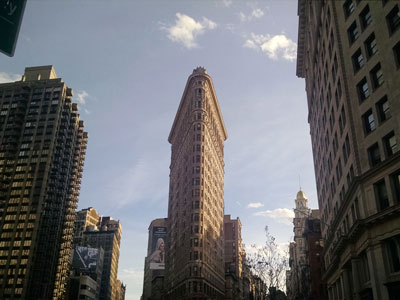
Large 18th‑century stone star fort featuring restored ramparts, museum collections, living history programs, and expansive grounds overlooking strategic waterways.
PortableNYCTours, CC BY-SA 4.0, via Wikimedia Commons; Image Size Adjusted
.jpg)
Fort Stanwix National Monument
Rome
Reconstructed colonial fortress and bastion fort built to guard a portage known as the Oneida Carry during the French and Indian War
Washington's Headquarters State Historic Site
Newburgh
Historic house museum preserving the Revolutionary War headquarters where George Washington directed the Continental Army and made decisions that helped shape the early United States.
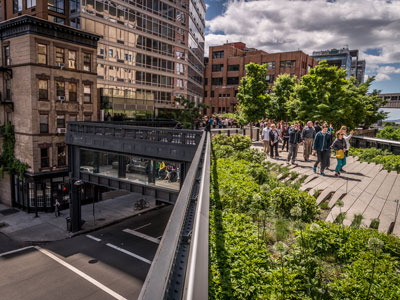
Jeff P from Berkeley, CA, USA, CC BY 2.0, via Wikimedia Commons; Image Size Adjusted
.jpg)
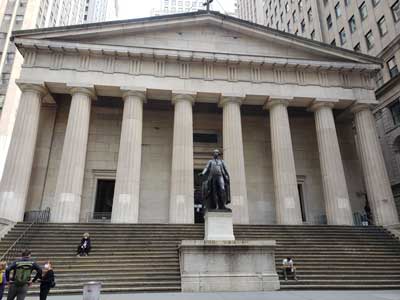
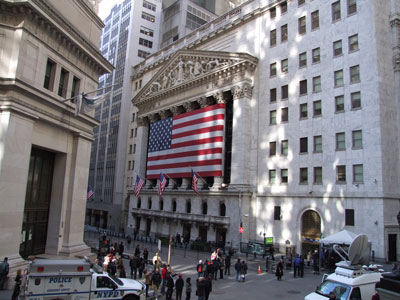
Federal Hall
New York City
Historic building in the Financial District where the colonial Stamp Act Congress met to draft its message to King George III claiming entitlement to the same rights as the residents of Britain and other historical events
Matias Garabedian from Montreal, Canada, CC BY-SA 2.0, via Wikimedia Commons; Image Size Adjusted
.jpg)
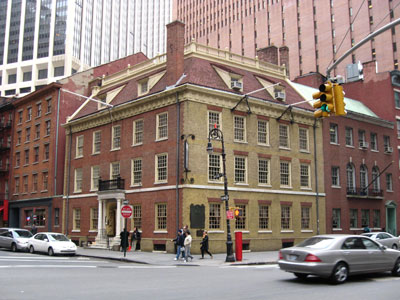
Fraunces Tavern
New York City
Museum and restaurant in the Financial District of Lower Manhattan that played a prominent role in history before, during, and after the American Revolution

Epicgenius, CC BY-SA 4.0, via Wikimedia Commons; Image Size Adjusted

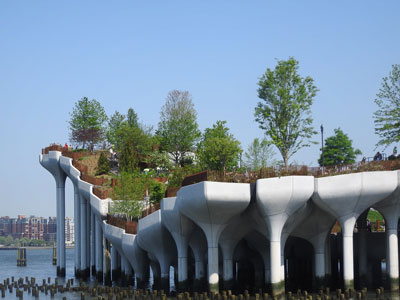
Jim.henderson, CC BY 4.0, via Wikimedia Commons; Image Size Adjusted
_jeh.jpg)
Hamilton Grange National Memorial
New York City
Restored historic home museum preserving the residence of a founding father, featuring period furnishings and exhibits that interpret early American history and legacy.
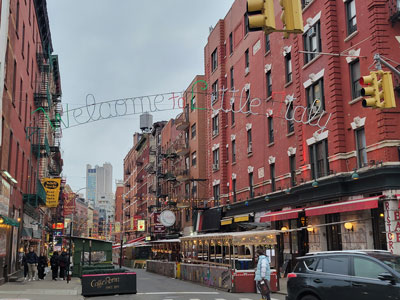
Van Cortlandt House Museum
Bronx
Eighteenth-century manor house museum featuring period furnishings, decorative arts collections, historic gardens, and exhibits that interpret colonial life, politics, and culture in early New York.
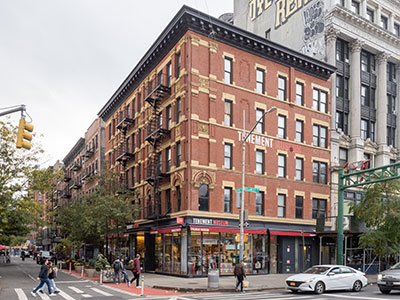
ajay_suresh, CC BY 2.0, via Wikimedia Commons; Image Size Adjusted
.jpg)
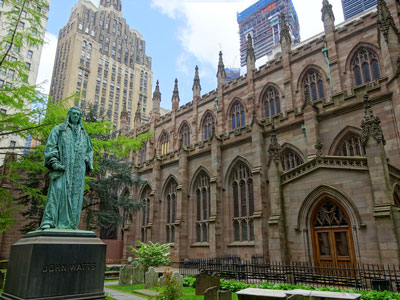
Trinity Church
New York City
Historic parish church in the Financial District of Lower Manhattan, known for its history, location, architecture and endowment
-400.jpg)
Alan Light, CC BY 2.0, via Wikimedia Commons; Image Size Adjusted
.jpg)
Philipse Manor Hall State Historic Site
Yonkers
Georgian-era manor house museum featuring period furnishings, historical exhibits, and preserved architecture that interprets colonial life, the American Revolution, and the early development of the Hudson Valley.
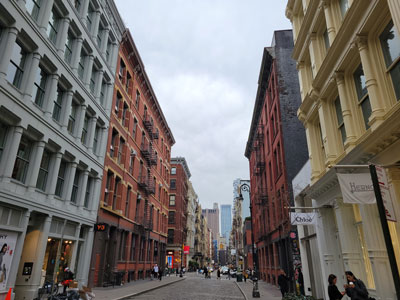
Mount Defiance
Ticonderoga
Mountain summit and historic viewpoint offering commanding vistas of surrounding lakes and fortifications that illustrate 18th‑century military strategy and terrain advantage.
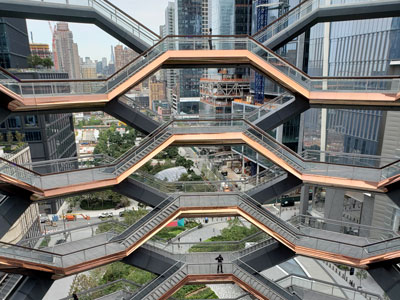
Princeton Battlefield State Park
Princeton
Park, memorial markers, and walking paths commemorating a decisive early American victory.
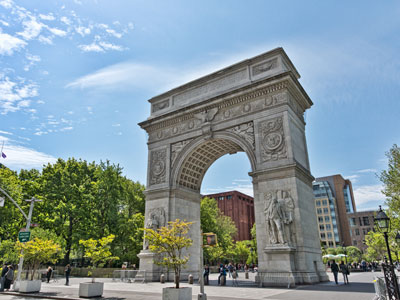
Jean-Christophe BENOIST, CC BY 3.0, via Wikimedia Commons; Image Size Adjusted

Trenton Battle Monument
Trenton
Towering Beaux-Arts monument commemorating George Washington’s victory at the Battle of Trenton with panoramic views and historical markers.

Jeff P from Berkeley, CA, USA, CC BY 2.0, via Wikimedia Commons; Image Size Adjusted
Monmouth Battlefield State Park
Manalapan
Preserved Revolutionary War battlefield featuring historic farmlands, forested trails, monuments, and interpretive exhibits commemorating one of the largest and most important battles fought during the American Revolution.
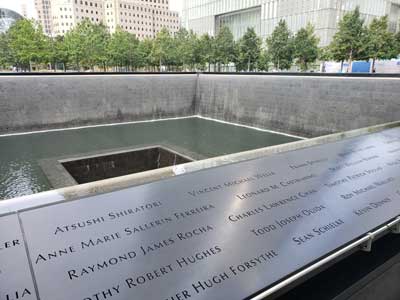
Red Bank Battlefield Park
National Park
Preserved Revolutionary War battlefield featuring historic fortifications, riverfront landscapes, interpretive trails, monuments, and colonial-era structures commemorating a significant American victory during the defense of Philadelphia.
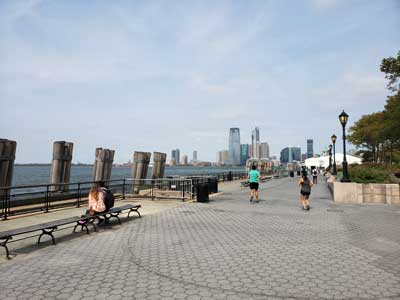
Dey Mansion Washington's Headquarters
Wayne
Georgian-style historic house museum preserving a Revolutionary War headquarters used by George Washington and his military staff during critical campaigns in 1780.
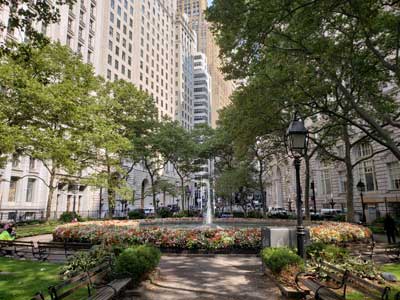
Morristown National Historical Park
Morristown
Preserved Revolutionary War landscape featuring historic buildings, winter encampment sites, wooded trails, and museums interpreting early American military survival.
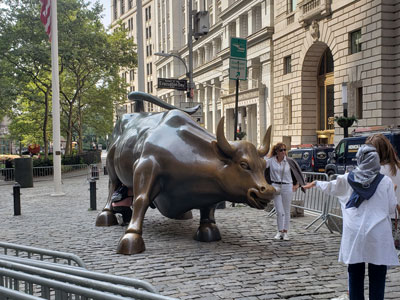
Old Barracks Museum
Trenton
18th-century military barracks turned museum offering guided tours, colonial reenactments, and Revolutionary War exhibits.
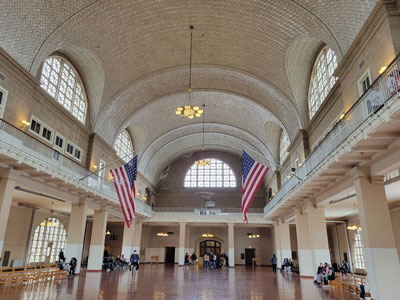
Proprietary House
Perth Amboy
Georgian-era mansion museum featuring period furnishings, decorative arts collections, and historical exhibits that interpret colonial life, proprietary governance, and revolutionary-era New Jersey history.
Princeton University
Princeton
Collegiate institution featuring historic architecture, expansive gardens, and a vibrant academic and cultural environment.
Jim.henderson, Public domain, via Wikimedia Commons; Image Size Adjusted

Brandywine Battlefield Park
Chadds Ford
Preserved Revolutionary War battlefield featuring historic farm landscapes, memorials, interpretive exhibits, and trails commemorating a pivotal engagement that helped secure American independence.
Momos, CC BY-SA 3.0, via Wikimedia Commons; Image Size Adjusted

Germantown Battlefield
Philadelphia
Historic Georgian mansion and museum preserving Revolutionary War history, colonial architecture, and the stories of the families, soldiers, and enslaved people connected to the property over more than two centuries.
Gh9449, CC BY-SA 4.0, via Wikimedia Commons; Image Size Adjusted

Valley Forge National Historical Park
King of Prussia
Site of the third winter encampment of the Continental Army during the American Revolutionary War
Andy C, CC BY-SA 3.0, via Wikimedia Commons; Image Size Adjusted

Paoli Battlefield Historical Park
Malvern
Preserved Revolutionary War battlefield featuring historic farmlands, walking trails, monuments, and interpretive exhibits commemorating a surprise nighttime attack during the Philadelphia Campaign.

Armando Olivo Martín del Campo, CC BY-SA 4.0, via Wikimedia Commons; Image Size Adjusted

Fort Mifflin
Philadelphia
Historic stone-and-earth fortification featuring bastions, casemates, river defenses, and preserved military structures used across multiple American conflicts.
_22_-_Staten_Island_Ferry-400.jpg)
Tdorante10, CC BY-SA 4.0, via Wikimedia Commons; Image Size Adjusted
_22_-_Staten_Island_Ferry.jpg)
Museum of the American Revolution
Philadelphia
Interactive museum showcasing immersive exhibits, rare artifacts, personal stories, and historical documents that explore the events, ideals, and people that shaped the American Revolution and the founding of the United States.
Independence National Historical Park
Philadelphia
Historic civic building in which both the United States Declaration of Independence and the United States Constitution were debated and adopted
Jean-Christophe BENOIST, CC BY 3.0, via Wikimedia Commons; Image Size Adjusted

Carpenters' Hall
Philadelphia
Eighteenth-century meeting hall showcasing original Georgian architecture, historic exhibits, and the birthplace of important events that helped shape the founding of the United States.
Washington Crossing Historic Park
Washington Crossing
Historic site featuring preserved colonial buildings, a scenic riverside landscape, and educational exhibits commemorating a pivotal Revolutionary War event.
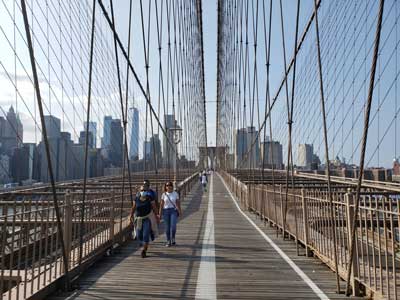
Christ Church
Philadelphia
Church in the Old City neighborhood played an integral role in the founding of the Protestant Episcopal Church in the United States
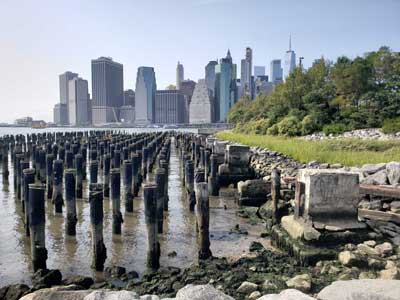
Christ Church Burial Ground
Philadelphia
Important early-American cemetery known for the final resting place of Benjamin Franklin, his wife, and four other signers of the Declaration of Independence

MusikAnimal, CC BY-SA 4.0, via Wikimedia Commons; Image Size Adjusted
.jpg)
Betsy Ross House
Philadelphia
Landmark purported to be the site where the seamstress and flag-maker Betsy Ross (1752-1836) lived when she is said to have sewed the first American Flag

Elfreth's Alley
Philadelphia
Historic street, dating back to 1703, known for its Georgian and Federal-style houses and cobblestone pavement
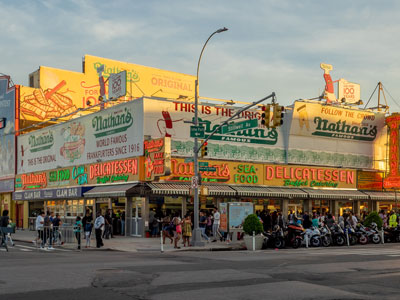
Ajay Suresh from New York, NY, USA, CC BY 2.0, via Wikimedia Commons; Image Size Adjusted
.jpg)
Fort Pitt Museum
Pittsburgh
Museum chronicling Pittsburgh’s colonial and Revolutionary War history through exhibits and artifacts.
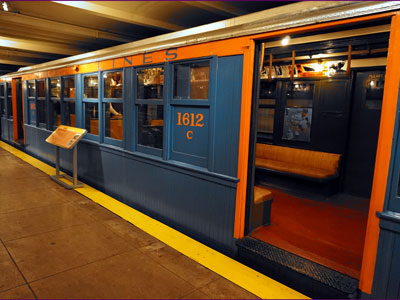
The All-Nite Images from NY, NY, USA, CC BY-SA 2.0, via Wikimedia Commons; Image Size Adjusted
.jpg)
Yorktown
Yorktown
Historic waterfront settlement featuring preserved battlefield landscapes, 18th‑century architecture, museum exhibits, and a working port that mark a decisive moment in the American Revolution.

King of Hearts, CC BY-SA 4.0, via Wikimedia Commons; Image Size Adjusted

Great Bridge Battlefield & Waterways History Foundation
Chesapeake
Interactive museum and historic park commemorating a pivotal Revolutionary War battle and the region’s canal heritage.
Postdlf, CC BY-SA 3.0, via Wikimedia Commons; Image Size Adjusted

American Revolution Museum at Yorktown
Yorktown
Immersive history museum featuring interactive exhibits, rare Revolutionary War artifacts, living-history experiences, and multimedia presentations that explore the founding of the United States.

Joyofmuseums, CC BY-SA 4.0, via Wikimedia Commons; Image Size Adjusted

George Washington's Mount Vernon
Mount Vernon
Home, gardens, working farm, and museums that interpret the life, leadership, and legacy of the first President of the United States.
Eden, Janine and Jim, CC BY 2.0, via Wikimedia Commons; Image Size Adjusted

Historic St. John’s Church
Richmond
Historic 18th‑century wooden church preserving an original sanctuary, burial ground, and interpretive exhibits associated with foundational moments of American independence.
Eden, Janine and Jim, CC BY 2.0, via Wikimedia Commons; Image Size Adjusted
Colonial Williamsburg
Williamsburg
Living-history museum presenting a part of the historic district in the city of Williamsburg, includes several hundred restored or re-created buildings from when the city was the capital of Colonial Virginia
PortableNYCTours, CC BY-SA 4.0, via Wikimedia Commons; Image Size Adjusted
Gadsby's Tavern Museum
Alexandria
Historic venue featuring 18th-century architecture, period furnishings, and exhibits that explore early American social and political life.
Anthony Quintano from Hillsborough, NJ, United States, CC BY 2.0, via Wikimedia Commons; Image Size Adjusted
Virginia State Capitol
Richmond
Neoclassical legislative chambers and historic interiors that reflect the origins and continuity of American civic architecture.
bryan..., CC BY-SA 2.0, via Wikimedia Commons; Image Size Adjusted
Monticello
Charlottesville
Historic mountaintop estate featuring a neoclassical residence, gardens, and preserved plantation landscape designed as a lifelong architectural project and interpreted through guided tours and exhibitions.
Rhododendrites, CC BY-SA 4.0, via Wikimedia Commons; Image Size Adjusted
James Madison's Montpelier
Orange
Historic presidential estate featuring a restored mansion, award-winning exhibitions, formal gardens, archaeological sites, and miles of scenic walking trails that explore the foundations of American democracy.
James Monroe’s Highland
Charlottesville
Historic presidential estate featuring period architecture, guided tours, and exhibits exploring the life and legacy of America’s fifth president.
Jdforrester, CC BY 4.0, via Wikimedia Commons; Image Size Adjusted
Cowpens National Battlefield
Chesnee
Historic battlefield site commemorating a pivotal Revolutionary War victory, featuring interpretive trails, exhibits, and preserved landscapes.
Jean-Christophe BENOIST, CC BY 3.0, via Wikimedia Commons; Image Size Adjusted
Kings Mountain National Military Park
Blacksburg
Historic battlefield and commemorative park preserving the site of a pivotal Revolutionary War victory with trails, exhibits, and ranger programs.
Ajay Suresh from New York, NY, USA, CC BY 2.0, via Wikimedia Commons; Image Size Adjusted
Ninety Six National Historic Site
Ninety Six
Preserved Revolutionary War battlefield featuring a rare earthen star fort, historic siege lines, interpretive trails, and colonial-era landscapes that tell the story of a pivotal Southern campaign during the fight for American independence.
ajay_suresh, CC BY 2.0, via Wikimedia Commons; Image Size Adjusted
Eutaw Springs Battlefield
Eutawville
Preserved Revolutionary War battlefield featuring historic monuments, interpretive exhibits, scenic grounds, and memorials commemorating one of the last major battles fought in the Southern Campaign.
Misterweiss at English Wikipedia, Public domain, via Wikimedia Commons; Image Size Adjusted
Fort Moultrie
Sullivan's Island
Series of fortifications on Sullivan's Island, built to protect the city of Charleston
Hypnotoad78, CC BY-SA 4.0, via Wikimedia Commons; Image Size Adjusted
Sullivan's Island
Sullivan's Island
Barrier island community featuring wide sandy beaches, maritime landscapes, historic landmarks, and a relaxed coastal atmosphere.
Old Exchange & Provost Dungeon
Charleston
Historic building built in 1767-1771, it has served a variety of civic institutional functions, including notably as a prisoner of war facility operated by British forces during the American Revolutionary War
ajay_suresh, CC BY 2.0, via Wikimedia Commons; Image Size Adjusted
Charleston
Charleston
Charming coastal destination known for its well-preserved historic architecture, vibrant culinary scene, and picturesque waterfront views.
Ingfbruno, CC BY-SA 3.0, via Wikimedia Commons; Image Size Adjusted
Guilford Courthouse National Military Park
Greensboro
Historic battlefield site featuring monuments, walking trails, a visitor center, and interpretive exhibits commemorating a pivotal Revolutionary War engagement.
PumpkinSky, CC BY-SA 3.0, via Wikimedia Commons; Image Size Adjusted
Moores Creek National Battlefield
Currie
Preserved Revolutionary War battlefield featuring historic earthworks, walking trails, exhibits, and natural landscapes commemorating a decisive Patriot victory that helped secure North Carolina from British control.
Alamance Battleground State Historic Site
Burlington
Preserved pre-Revolutionary War battlefield featuring historic grounds, interpretive exhibits, a reconstructed frontier-era homestead, and memorials commemorating a pivotal conflict between colonial officials and backcountry settlers.
Jean-Christophe BENOIST, CC BY 3.0, via Wikimedia Commons; Image Size Adjusted
Brunswick Town/Fort Anderson State Historic Site
Winnabow
Preserved colonial port ruins, Civil War earthworks, archaeological remains, and waterfront landscapes that interpret centuries of military, commercial, and cultural history along the Cape Fear River.
Saggittarius A, CC BY-SA 4.0, via Wikimedia Commons; Image Size Adjusted
Tryon Palace
New Bern
Reconstructed colonial-era governor’s mansion and museum complex offering guided tours, costumed interpreters, historic gardens, and immersive exhibits on early American life.
NBCUniversal, CC BY 3.0, via Wikimedia Commons; Image Size Adjusted
Charlotte
Charlotte
Charlotte, North Carolina, is a vibrant city known for its rich history, diverse culture, and bustling economy. As the largest city in the state, Charlotte offers a mix of modern urban living and Southern charm. Visitors can explore a variety of attractions, including the NASCAR Hall of Fame, the U.S. National Whitewater Center, and the Mint Museum. The city's thriving arts scene is showcased in its numerous galleries and theaters, while its culinary landscape features everything from traditional Southern cuisine to international flavors. Outdoor enthusiasts can enjoy parks and green spaces like Freedom Park and Romare Bearden Park.
Kettle Creek Battlefield
Washington
Preserved Revolutionary War battlefield featuring historic monuments, interpretive exhibits, wooded trails, and rolling landscapes commemorating a crucial Patriot victory during the Southern Campaign.
Basil D Soufi, CC BY-SA 3.0, via Wikimedia Commons; Image Size Adjusted
Savannah
Savannah
Oldest city in Georgia established in 1733 on the Savannah River attracts millions of visitors to its cobblestone streets, parks, and notable historic buildings
MusikAnimal, CC BY-SA 4.0, via Wikimedia Commons; Image Size Adjusted
Colonial Park Cemetery
Savannah
Historic cemetery located in downtown Savannah that became a city park in 1896, 43 years after burials in the cemetery ceased
Old Fort Jackson
Savannah
Early 19th-century brick fortification featuring daily cannon firings, historical reenactments, and interactive exhibits on coastal defense.
Overview
The American Revolutionary War gave rise to a new nation, and its historic sites allow visitors to explore the places where the struggle for independence unfolded. From preserved battlefields and military encampments to historic meeting halls and homes associated with revolutionary leaders, these landmarks tell the story of a conflict that reshaped North America and influenced democratic movements around the world. Visitors can discover how ordinary citizens, soldiers, and statesmen contributed to the fight for self-government and independence.
Many Revolutionary War sites preserve the landscapes where pivotal military campaigns were fought and where important political decisions were made. Museums and interpretive centers showcase artifacts ranging from weapons and uniforms to personal letters and historical documents, helping visitors understand both the military and civilian experiences of the era. Together, these sites provide insight into the challenges faced by the Continental Army, the role of foreign allies, and the complex political debates that accompanied the birth of a new nation.
For today's travelers, Revolutionary War sites offer a chance to walk through the earliest chapters of American history while reflecting on the principles that shaped the country's founding. Historic buildings, reconstructed forts, memorials, and preserved landscapes bring the eighteenth century to life, creating meaningful connections between past and present. Whether exploring a famous battlefield or a lesser-known historic landmark, visitors gain a deeper appreciation for the sacrifices, leadership, and ideals that helped define the United States.
American Revolutionary War Timeline (1775-1783)
The American Revolutionary War was fought between Great Britain and the thirteen American colonies seeking independence. Beginning with armed conflict in Massachusetts in 1775 and culminating with the British surrender at Yorktown in 1781, the war established the United States as an independent nation. The following timeline highlights key battlefields, military headquarters, government sites, and museums that preserve the story of the American Revolution.
1775: The Shot Heard Around the World
Massachusetts
- Minute Man National Historical Park (Lexington & Concord) - Preserves the route and sites associated with the opening battles of the Revolution on April 19, 1775.
- Lexington Battle Green - Site where colonial militia and British troops exchanged the first shots of the Revolutionary War.
- Concord's Old North Bridge - Location of the famous confrontation where colonial forces pushed British troops back toward Boston.
- Freedom Trail (Boston) - Connects numerous sites associated with revolutionary activity and Boston's role in the independence movement.
- Bunker Hill Monument and Battlefield - Commemorates the June 1775 Battle of Bunker Hill, one of the war's earliest and most influential engagements.
- Longfellow House–Washington's Headquarters National Historic Site - Served as George Washington's headquarters during the Siege of Boston.
1776: The Fight for Boston and the Declaration of Independence
Massachusetts
- Dorchester Heights - Site where American forces placed artillery overlooking Boston, prompting the British evacuation of the city in March 1776.
Pennsylvania
- Independence Hall (Philadelphia) - Meeting place of the Second Continental Congress and site where the Declaration of Independence was adopted.
- Carpenter's Hall - Home of the First Continental Congress and an important center of colonial political activity.
1776-1777: Washington's Counteroffensive in New Jersey
New Jersey
- Trenton Battlefield - Site of George Washington's surprise victory after crossing the Delaware River in December 1776.
- Princeton Battlefield State Park - Location of Washington's important January 1777 victory that helped revive American morale.
- Dey Mansion Washington's Headquarters - Served as Washington's headquarters during portions of the war.
1777: The Turning Point Campaigns
New York
- Saratoga National Historical Park - Site of the American victory often regarded as the turning point of the war because it secured French support.
- Fort Ticonderoga - Strategic fortress that played a significant role in the northern campaigns.
- Fort Stanwix National Monument - Important defensive position that helped disrupt British plans during the Saratoga Campaign.
- Oriskany Battlefield - Site of one of the war's bloodiest battles and a critical component of the Saratoga Campaign.
- Bennington Battlefield State Historic Site (New York Side) - Associated with the American victory that weakened the British advance toward Saratoga.
Pennsylvania
- Brandywine Battlefield Park - Site of the largest land battle of the Revolutionary War and a British victory that opened the road to Philadelphia.
- Paoli Battlefield - Location of a surprise British attack during the Philadelphia Campaign.
- Germantown Battlefield - Site of Washington's bold but unsuccessful attack against British forces near Philadelphia.
1777-1778: The Winter at Valley Forge
Pennsylvania
- Valley Forge National Historical Park - Winter encampment of the Continental Army where troops endured severe hardships while becoming a more disciplined fighting force.
- Fort Mifflin - Defensive fortification that played an important role in the defense of Philadelphia.
1778: The War in the Mid-Atlantic
New Jersey
- Monmouth Battlefield State Park - Site of one of the largest battles of the war and a demonstration of the Continental Army's improved effectiveness after Valley Forge.
- Red Bank Battlefield Park - Location of a successful American defense that delayed British operations along the Delaware River.
New York
- Washington's Headquarters State Historic Site - One of several headquarters used by George Washington during the war.
1779: Fighting Along the Hudson River
New York
- Stony Point Battlefield - Site of General Anthony Wayne's successful nighttime assault on British fortifications.
1778-1781: The Southern Campaign
Georgia
- Kettle Creek Battlefield - Important Patriot victory that disrupted Loyalist recruitment efforts in Georgia.
South Carolina
- Cowpens National Battlefield - Site of one of the most decisive American victories of the Southern Campaign.
- Kings Mountain National Military Park - Patriot victory that marked a major turning point in the South.
- Ninety Six National Historic Site - Preserves a key frontier settlement and important Revolutionary War siege site.
- Eutaw Springs Battlefield - One of the final major battles fought in the Southern Theater.
North Carolina
- Moores Creek National Battlefield - Early Patriot victory that helped secure North Carolina for the revolutionary cause.
- Guilford Courthouse National Military Park - Major 1781 battle that weakened British forces despite being a tactical British victory.
- Alamance Battleground - Although predating the Revolution, it is often interpreted as an important precursor to colonial resistance.
Virginia
- Great Bridge Battlefield & Waterways History Foundation - Site of an early Patriot victory in Virginia that helped drive British authority from the colony.
1781: Yorktown and the End of Major Combat Operations
Virginia
- Yorktown - Site of the decisive siege where British General Charles Cornwallis surrendered his army to American and French forces.
- American Revolution Museum at Yorktown - Interprets the Yorktown Campaign and the broader struggle for independence.
- George Washington's Mount Vernon - Home of the commander of the Continental Army and later first President of the United States.
Building a New Nation
New York
- Federal Hall (New York City) - Associated with the early federal government and George Washington's first presidential inauguration following independence.
Pennsylvania
- Museum of the American Revolution (Philadelphia) - Preserves and interprets the history, causes, and consequences of the Revolutionary War.
Revolution Summary
Lexington Green → Concord's Old North Bridge → Bunker Hill → Dorchester Heights → Trenton → Princeton → Fort Ticonderoga → Oriskany → Saratoga → Brandywine → Germantown → Valley Forge → Monmouth → Stony Point → Kings Mountain → Cowpens → Guilford Courthouse → Yorktown → Federal Hall.
This article uses material from Revolutionary War battlefields, military parks, museums, historic homes, government buildings, and preserved colonial sites maintained by the National Park Service and state historic preservation organizations. Together, these locations document the military, political, and diplomatic struggle that led to American independence.
This article uses material from the Wikipedia articles related to the American Revolutionary War and information provided by the U.S. National Park Service and other Revolutionary War heritage resources, which are released under the Creative Commons Attribution-ShareAlike License 3.0.