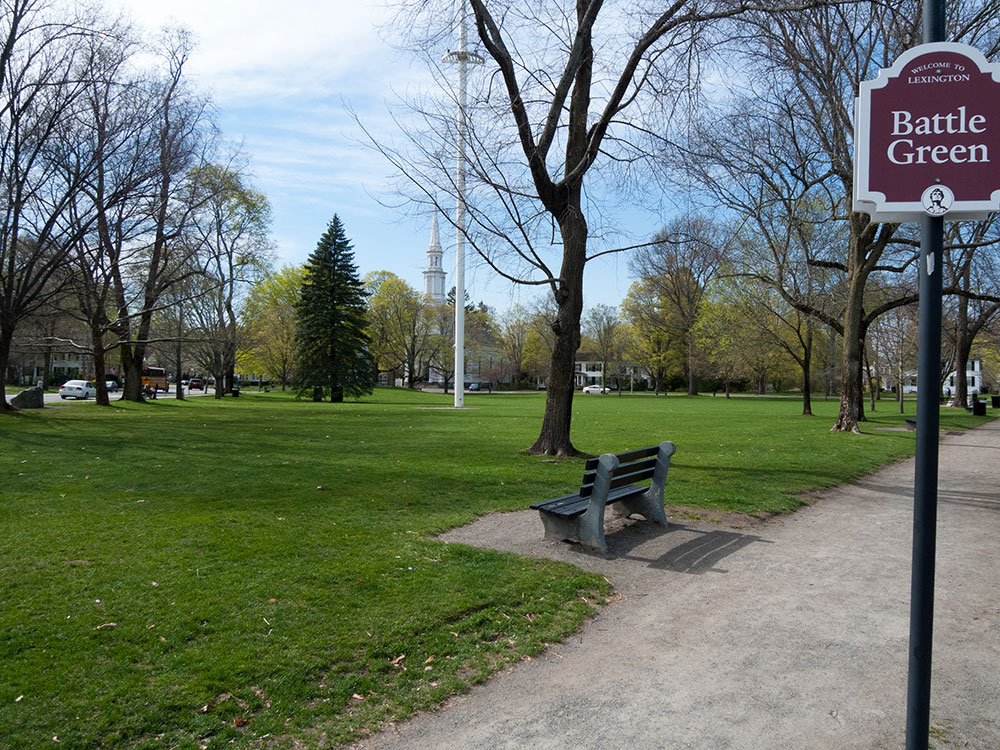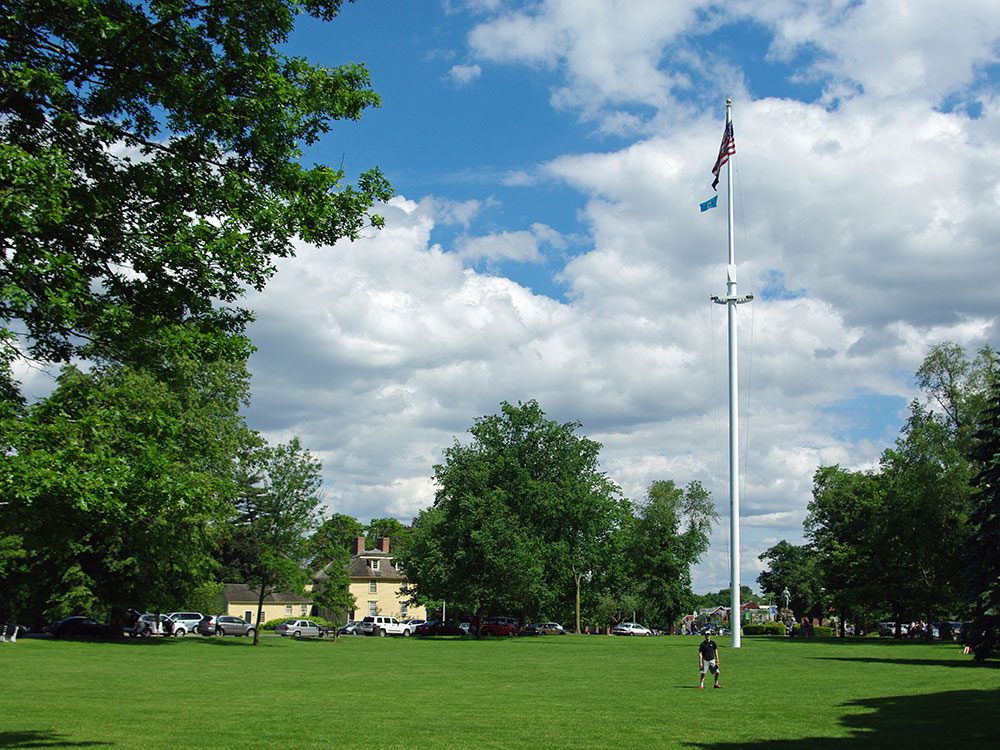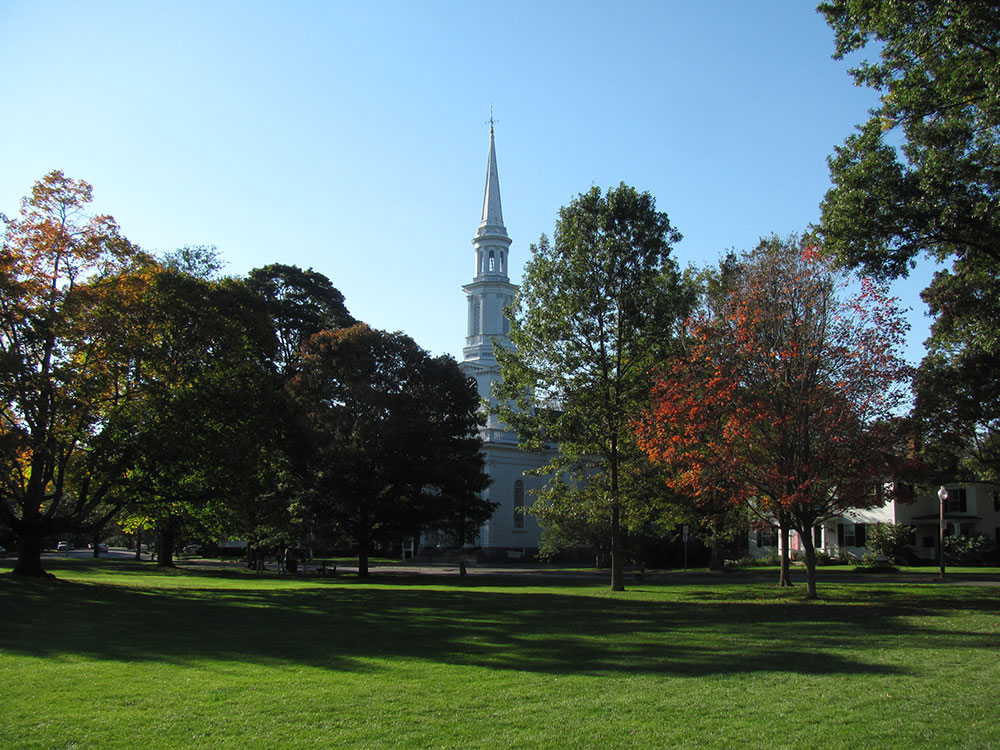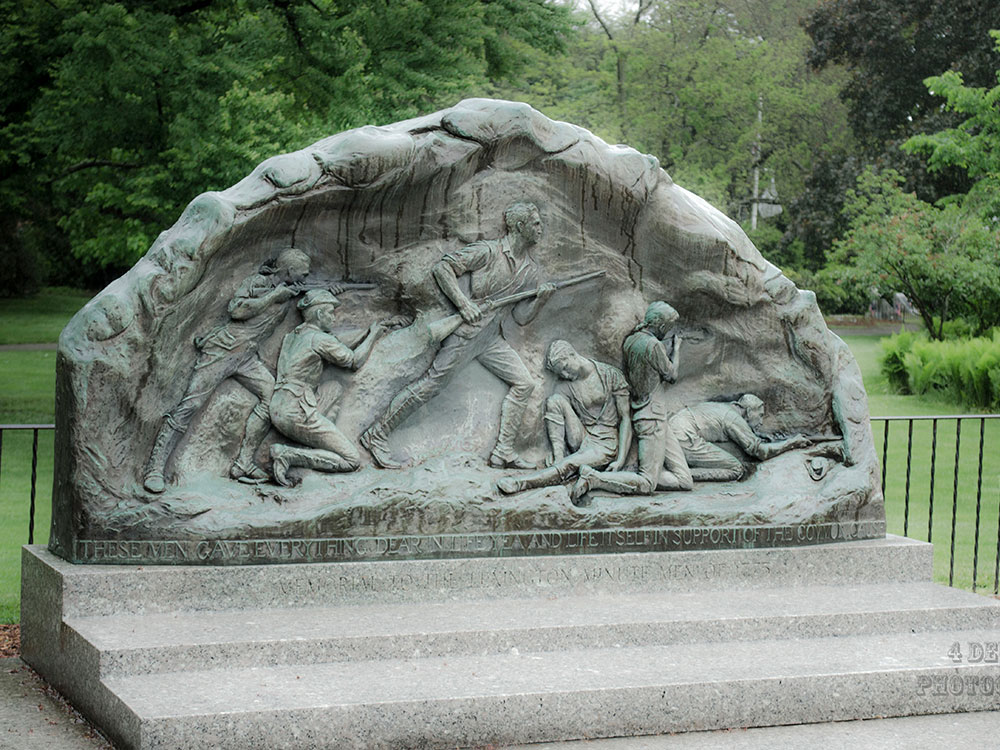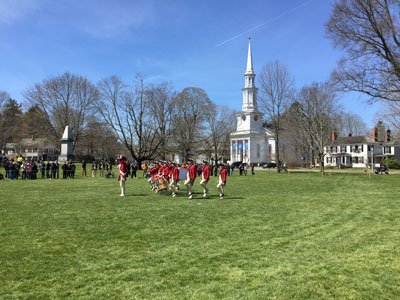

Site where the opening shots of the Battles of Lexington and Concord were fired on April 19, 1775, starting the American Revolutionary War
General Information
:Accessible year-round
How to Get There
From Boston (11 mi): Take MA‑2A W or US‑2 W toward Lexington, continue onto Massachusetts Avenue, and follow signs to Lexington Center where the Battle Green is located at the intersection of Massachusetts Avenue and Bedford Street.
A historic New England community known for its Revolutionary War significance, literary heritage, preserved colonial architecture, scenic parks, museums, and cultural landmarks.
How to Get There
From Boston (20 mi): Take MA-2 West or I-95/MA-128 to Concord Road connections, then follow local routes into Concord's historic town center and visitor attractions.
Overview
Concord is a historic town in eastern Massachusetts, about 20 miles northwest of Boston, and it holds a unique place in American history as the site of the "shot heard round the world," fired at the North Bridge on April 19, 1775, at the start of the American Revolution. It is also the home of the Transcendentalist movement of the nineteenth century, and the town was home to Ralph Waldo Emerson, Henry David Thoreau, Louisa May Alcott, and Nathaniel Hawthorne. Its green common, white churches, and rural landscape of meadows and rivers retain a classic New England character.
Visitors come to Concord for the Revolutionary War sites of Minute Man National Historical Park, including the North Bridge, and for Walden Pond, where Thoreau lived in a cabin in 1845 and 1847. They also come for Orchard House, the home of Louisa May Alcott and the setting for Little Women, for the Ralph Waldo Emerson House, and for Sleepy Hollow Cemetery, with its "Authors' Ridge."
History
Concord was founded in 1635 as the first inland settlement in the Massachusetts Bay Colony, and it was named for the peaceful agreement under which the land was purchased from the Native Americans. On April 19, 1775, British troops marched from Boston to seize the colonists' military supplies in Concord, and after the clash at Lexington, local militia met the soldiers at the North Bridge, and the colonists' return fire began the Revolutionary War. In the nineteenth century, Concord became a center of literature and philosophy: Emerson settled here in 1835 and wrote his essays, and Thoreau wrote Walden after living at the pond. The town was also a stop on the Underground Railroad, and it is the birthplace of the Concord grape, developed by Ephraim Bull in 1849.
Sightseeing and Popular Landmarks
The Old North Bridge, a reconstruction of the wooden bridge, and the Minute Man statue by Daniel Chester French stand in Minute Man National Historical Park, which extends along the Battle Road to Lexington. Walden Pond has a replica of Thoreau's cabin and a swimming beach, and the Old Manse, next to the bridge, was the home of Emerson's grandfather and later of Hawthorne. Concord Center has a village green, shops, and the Colonial Inn, and Sleepy Hollow Cemetery has the graves of Emerson, Thoreau, Alcott, and Hawthorne.
Culture and Museums
The Concord Museum has exhibits on the town's history, including one of the lanterns hung in the Old North Church, and Orchard House, where Louisa May Alcott wrote Little Women, is open for tours. The Wayside, a home of Alcott, Hawthorne, and the writer Margaret Sidney, the Ralph Waldo Emerson House, and the Thoreau Society Shop at Walden Pond are literary sites, and the Concord Free Public Library has a Thoreau collection. The town hosts Patriots' Day events each April, including a reenactment of the battle.
Parks
Walden Pond State Reservation has a 102-foot-deep glacial kettle pond with a walking trail around it, and the Great Meadows National Wildlife Refuge protects marsh and river habitat along the Concord River. The Assabet River and Concord River are popular for canoeing and kayaking, and the Minute Man National Historical Park's Battle Road Trail is a five-mile walking path from Concord to Lexington.
Seasons and Weather
Concord has a humid continental climate. Summers are warm, with highs in the low 80s°F, and winters are cold, with highs in the 30s°F and about 45 inches of snow. Spring and fall are the most pleasant seasons, and autumn is particularly beautiful along the rivers and at Walden Pond.
This article uses material from Wikipedia as well as information from official tourism and institutional sources. Key references include Concord Chamber of Commerce, National Park Service Minute Man National Historical Park, Concord Museum, Orchard House, Mass.gov Walden Pond State Reservation, and National Weather Service Boston/Norton. Wikipedia material is from the articles "Concord, Massachusetts" and "Battles of Lexington and Concord", and is available under the Creative Commons Attribution-Share-Alike License 3.0.