.jpg)
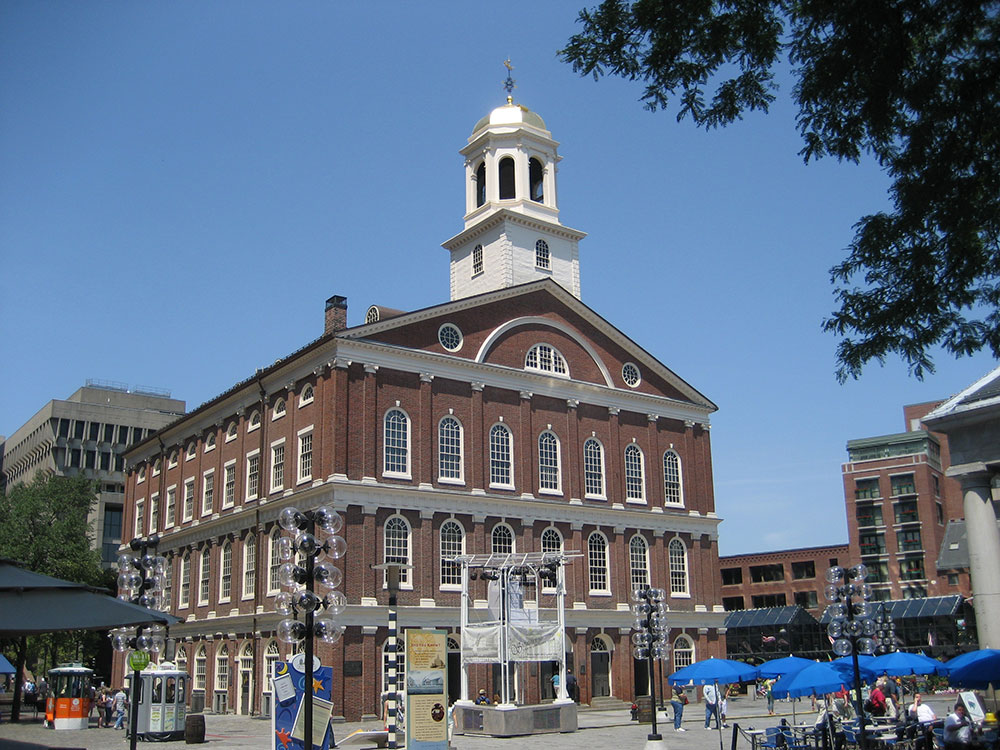
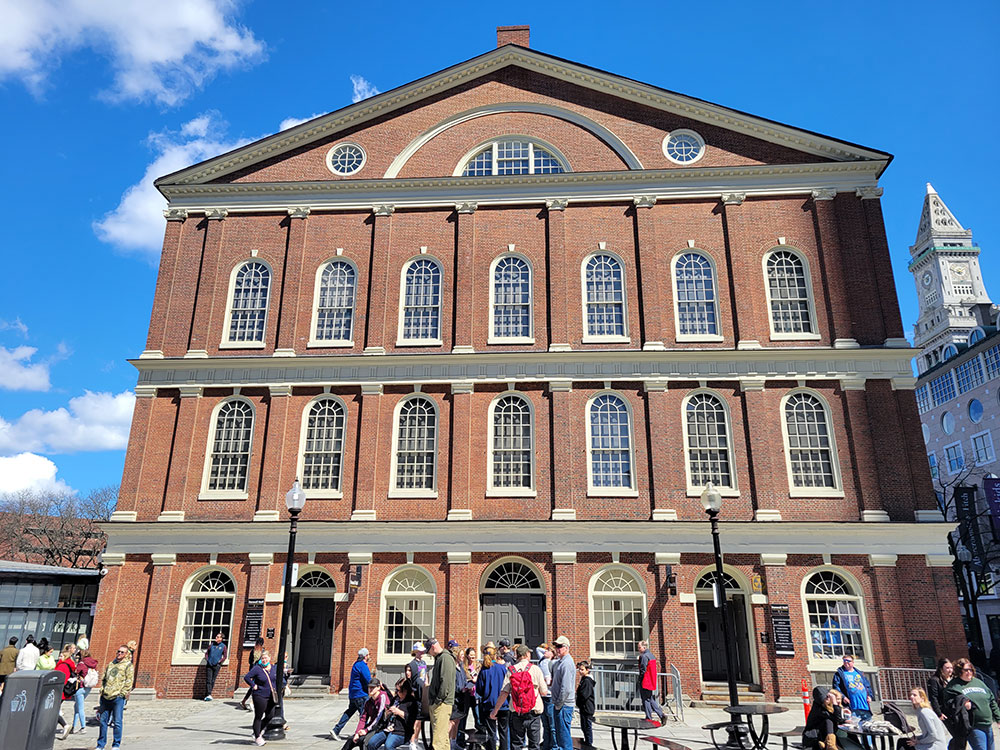
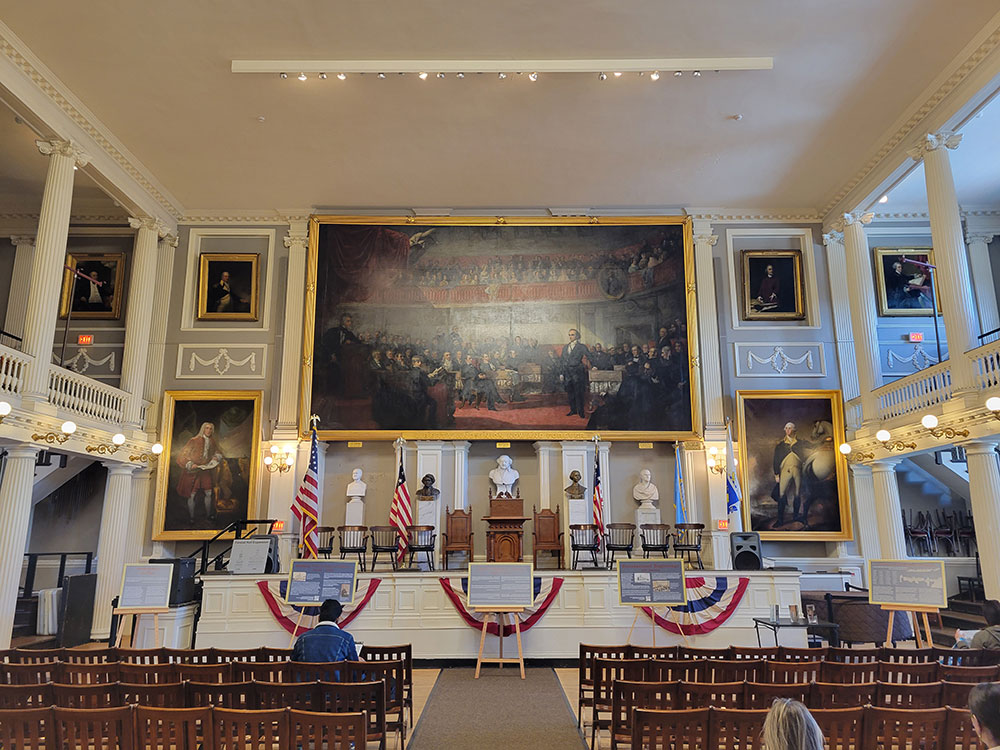
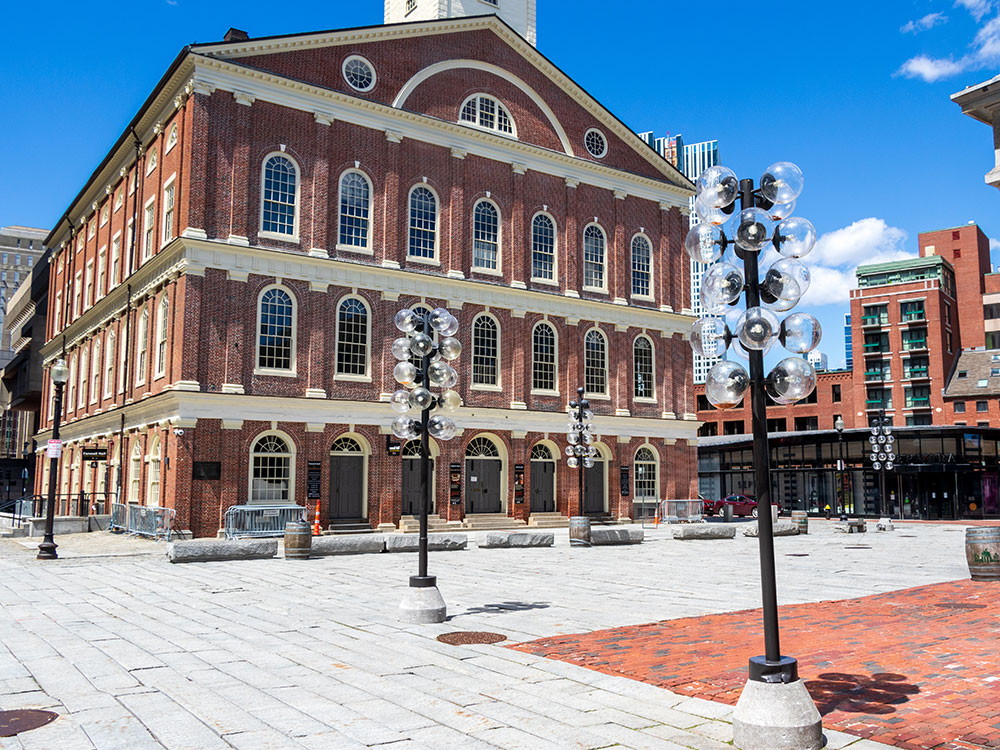
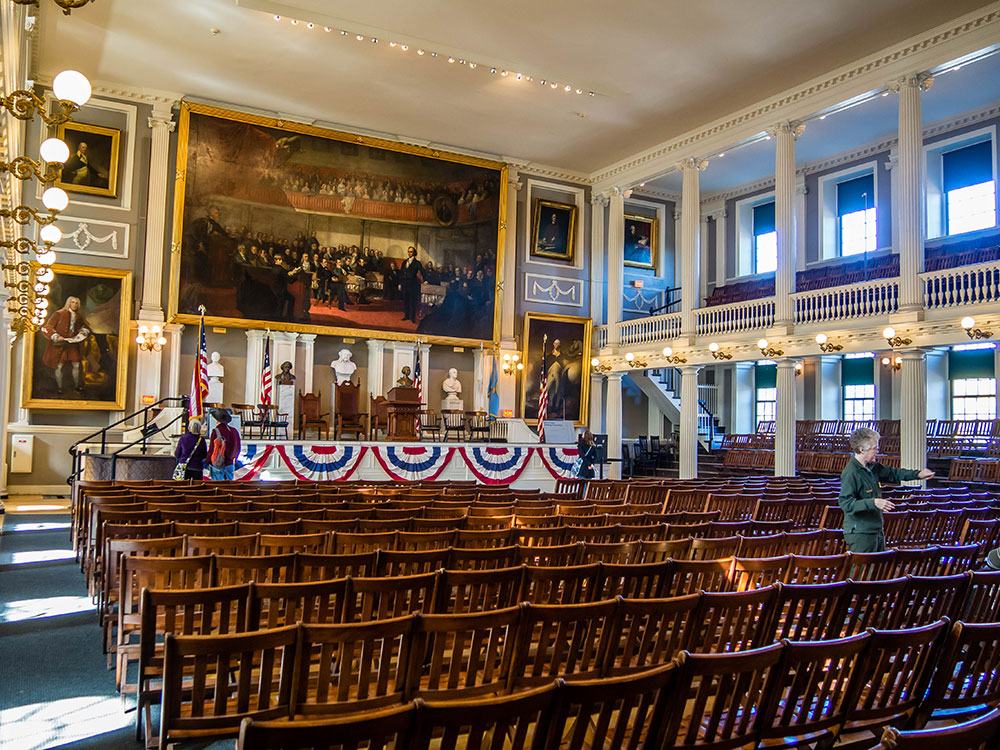
Marketplace and meeting hall, it was the site of several speeches by Samuel Adams, James Otis, and others encouraging independence from Great Britain
General Information
Hours:
Visitor Center & First Floor: Daily, 10am to 5pm
Great Hall (Second Floor): Daily, 10am to 4:30pm
Hours may vary due to city-sponsored events or holidays
Great Hall (Second Floor): Daily, 10am to 4:30pm
Hours may vary due to city-sponsored events or holidays
Fees:
Free admission
Pet Policy:
Pets are allowed in outdoor areas only
Pets are not allowed inside the building
Pets are not allowed inside the building
Closest cities with hotels:
Boston, MA (Downtown / Financial District)
Seasons:
All year
Peak season is spring through fall
Peak season is spring through fall
Location:
https://maps.app.goo.gl/Q2hQF2qAfjdWJt6a8
1 Faneuil Hall Square, Boston, MA 02109
Website:
How to Get There
From Downtown Boston (0.5 mi): Walk or take public transit to State Street Station, proceed toward Faneuil Hall Square, and follow signs to Faneuil Hall along the Freedom Trail.
Overview
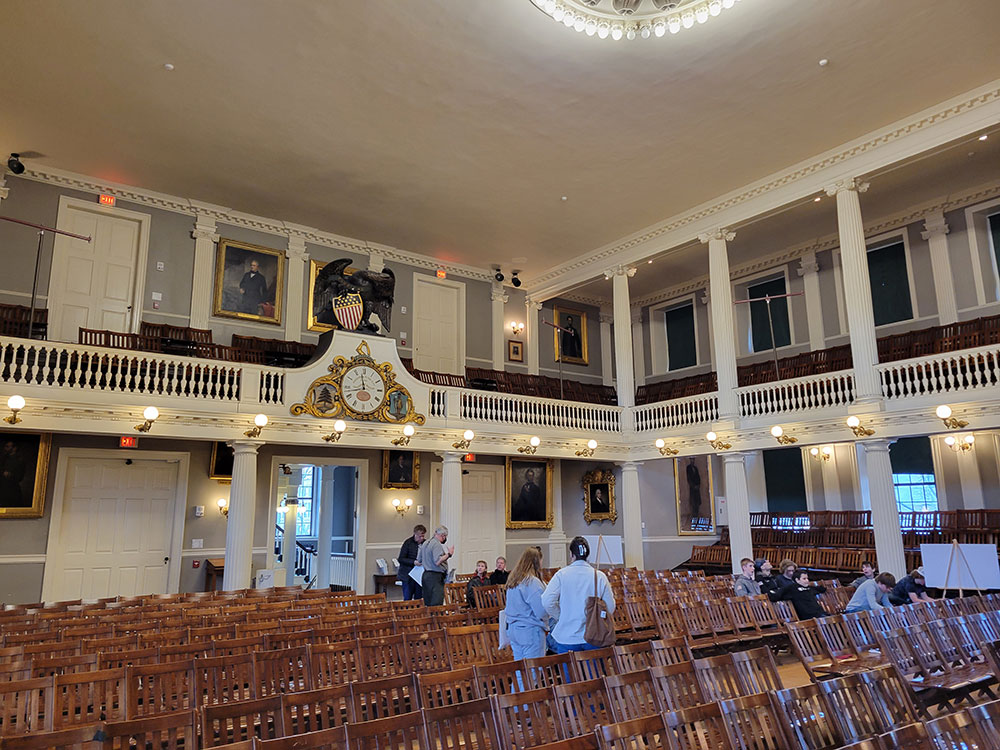
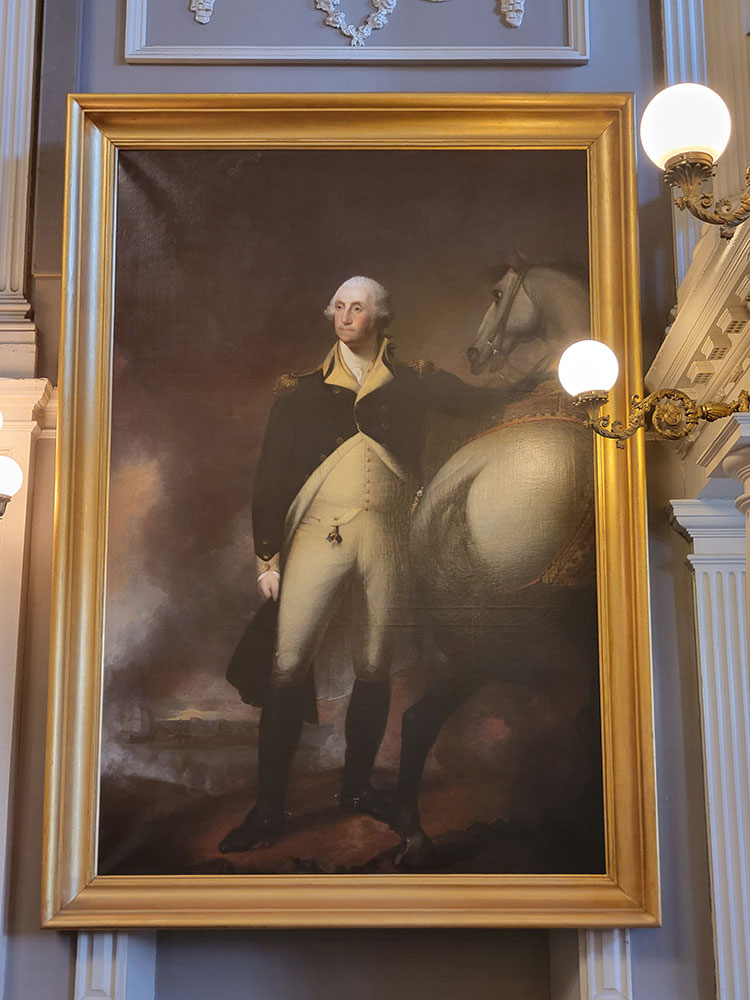
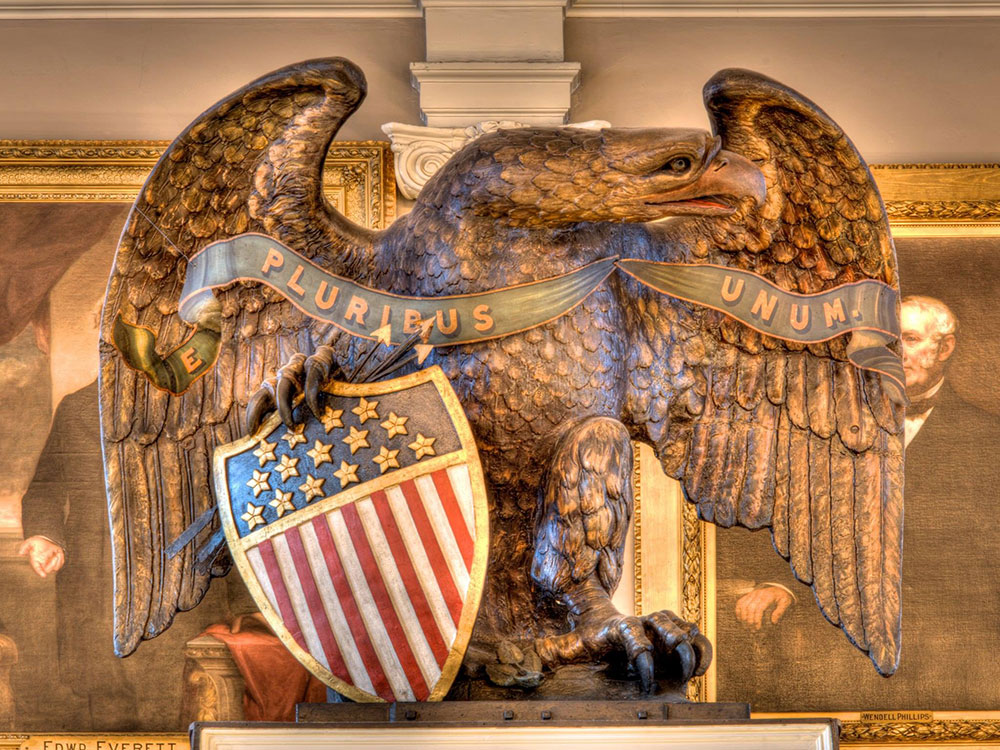
Faneuil Hall, opened in 1743 as a marketplace and meeting hall, is called the "Cradle of Liberty" for the speeches by Samuel Adams, James Otis, and others urging independence. It is a Freedom Trail stop near the waterfront and Government Center, and a Park Service visitor center is on the first floor, with talks in the Great Hall upstairs.
Highlights
- Faneuil Hall Marketplace: the festival marketplace with the North Market, Quincy Market, and South Market, with shops, restaurants, and street performers
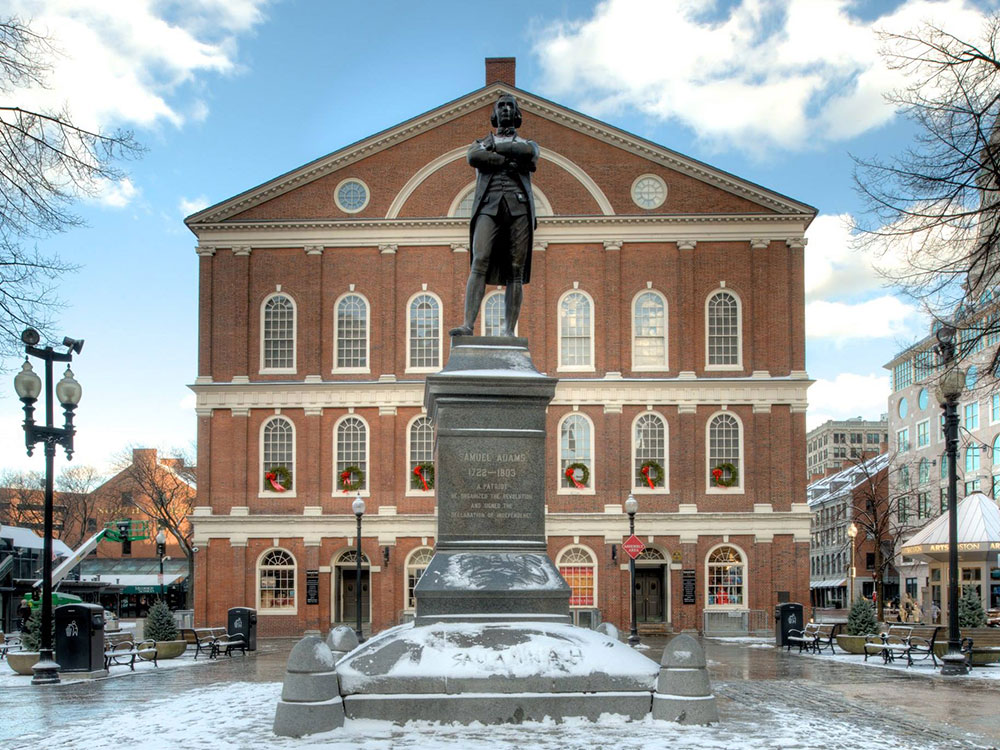
- Samuel Adams statue: by Anne Whitney, in front of the hall
- Grasshopper weathervane: the gilded symbol of the hall on top of the cupola
This article uses material from the Wikipedia article "Faneuil Hall", which is released under the Creative Commons Attribution-Share-Alike License 3.0