
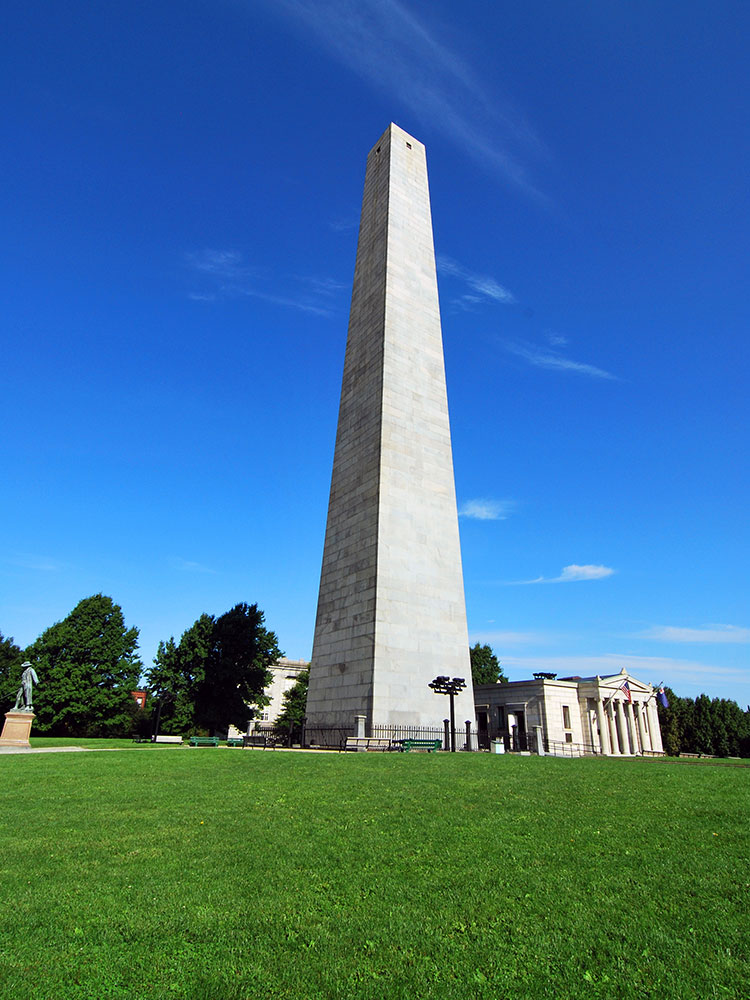
Erected to commemorate the Battle of Bunker Hill, which was among the first major battles between British and Patriot forces in the American Revolutionary War
General Information
Hours:
Monument Grounds: Open daily, 24 hours
Monument Climb: Generally Wednesday–Sunday, 1pm to 4pm
Bunker Hill Museum: Generally Wednesday–Sunday, 12:30pm to 4:30pm
Hours may vary due to weather or special events
Monument Climb: Generally Wednesday–Sunday, 1pm to 4pm
Bunker Hill Museum: Generally Wednesday–Sunday, 12:30pm to 4:30pm
Hours may vary due to weather or special events
Fees:
Free admission
Pet Policy:
Pets are allowed on monument grounds
Pets are not allowed inside the monument or museum
Pets are not allowed inside the monument or museum
Closest cities with hotels:
Boston, MA (Downtown / Charlestown area)
Seasons:
All year
Best visited spring through fall for views and walking tours
Best visited spring through fall for views and walking tours
Location:
Website:
How to Get There
From Downtown Boston (2 mi): Take MA-1A N or US‑1 N toward Charlestown, continue to Monument Square, and follow signs to the Bunker Hill Monument at the top of Breed’s Hill.
Overview
The Bunker Hill Monument is a 221-foot granite obelisk on Breed's Hill in Charlestown commemorating the June 17, 1775 Battle of Bunker Hill, one of the first major battles of the Revolutionary War. It is a National Historic Landmark and part of Boston National Historical Park. Climb the 294 steps to the top for harbor and city views. Admission to the monument and museum is free.
Highlights
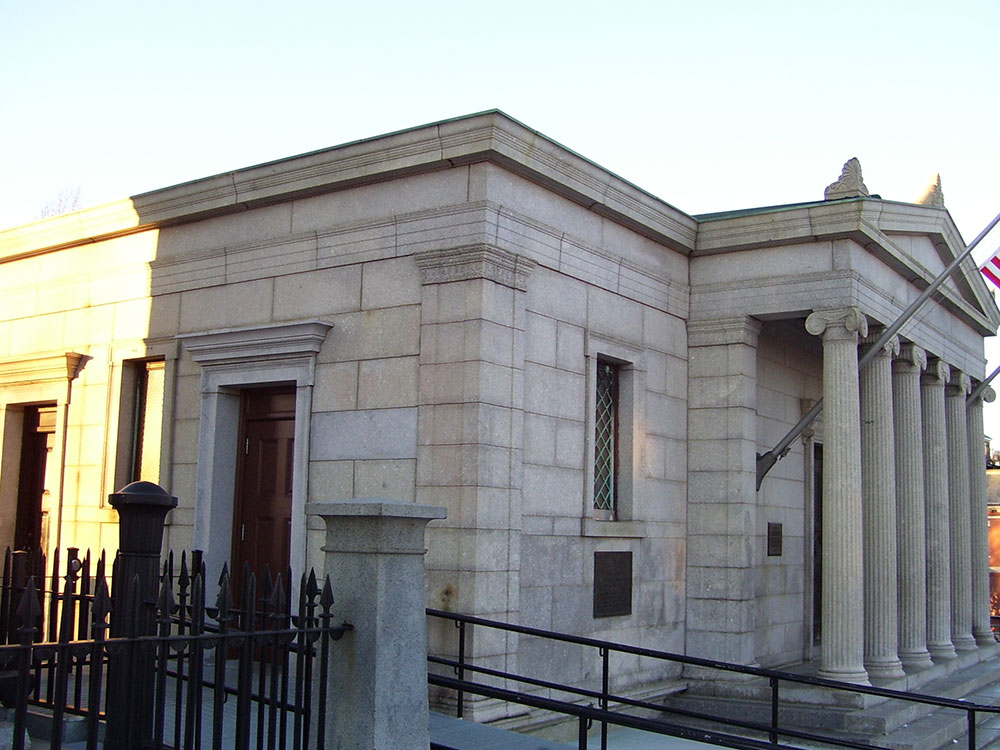
- Exhibit lodge: a statue of patriot Dr. Joseph Warren, killed in the battle
- Bunker Hill Museum: across the street, with exhibits on the battle
This article uses material from the Wikipedia article "Bunker Hill Monument", which is released under the Creative Commons Attribution-Share-Alike License 3.0


-750.jpg)
.jpg)