Alamance Battleground State Historic Site

Dallas Epperson, CC BY-SA 3.0, via Wikimedia Commons; Image Size Adjusted

Preserved pre-Revolutionary War battlefield featuring historic grounds, interpretive exhibits, a reconstructed frontier-era homestead, and memorials commemorating a pivotal conflict between colonial officials and backcountry settlers.

General Information
Hours:
Tuesday to Saturday: 9am to 5pm
Guided tours: 11am, 1pm, and 3pm
Closed Sunday, Monday, and designated state holidays
Fees:
Site admission: Free
Guided tours: Adults (18-64) $2 + tax
Seniors (65+) and Military: $1 + tax
Youth (3-17): $1 + tax
Pet Policy:
Leashed pets are permitted on the outdoor grounds; pets are not allowed inside historic buildings except where permitted by site regulations
Closest cities with hotels:
Burlington, North Carolina (approximately 6 mi)
Seasons:
Spring and fall provide the most comfortable weather for exploring the grounds, though the site is open year-round
Location:
https://www.google.com/maps/search/?api=1&query=5803+NC-62+Burlington+NC+272155803 NC-62, Burlington, NC 27215
Website:
historicsites.nc.gov/all-sites/alamance-battleground

From Burlington (6 mi): Take NC-62 South from Burlington, continue for approximately six miles through rural Alamance County, and follow signs to the historic site entrance at 5803 NC-62.

Alamance Battleground State Historic Site preserves the location of the Battle of Alamance, fought on May 16, 1771, and often regarded as one of the most significant conflicts in colonial North Carolina prior to the American Revolution. The battle marked the culmination of the Regulator Movement, a protest led by backcountry farmers who opposed corruption, unfair taxation, and abuses by colonial officials. When negotiations failed, armed Regulators confronted government militia under Royal Governor William Tryon near Great Alamance Creek. The defeat of the Regulators ended the movement, but the grievances they raised foreshadowed many of the issues that would later fuel the drive for American independence.

Today, visitors can walk the historic battlefield, explore interpretive exhibits, and tour the Allen House, a restored eighteenth-century log dwelling that illustrates frontier life in North Carolina's Piedmont region. Educational programs, guided tours, living-history demonstrations, and commemorative events help bring the colonial era to life while examining the political and social tensions that shaped the region. Surrounded by peaceful countryside, the site offers a unique opportunity to experience a landscape where the roots of resistance to governmental authority emerged years before the Declaration of Independence was signed.

This article uses material from the Wikipedia articles and official tourism pages for the Alamance Battleground State Historic Site, which are released under the Creative Commons Attribution-Share-Alike License 3.0.
mt-mitchell-summit-view
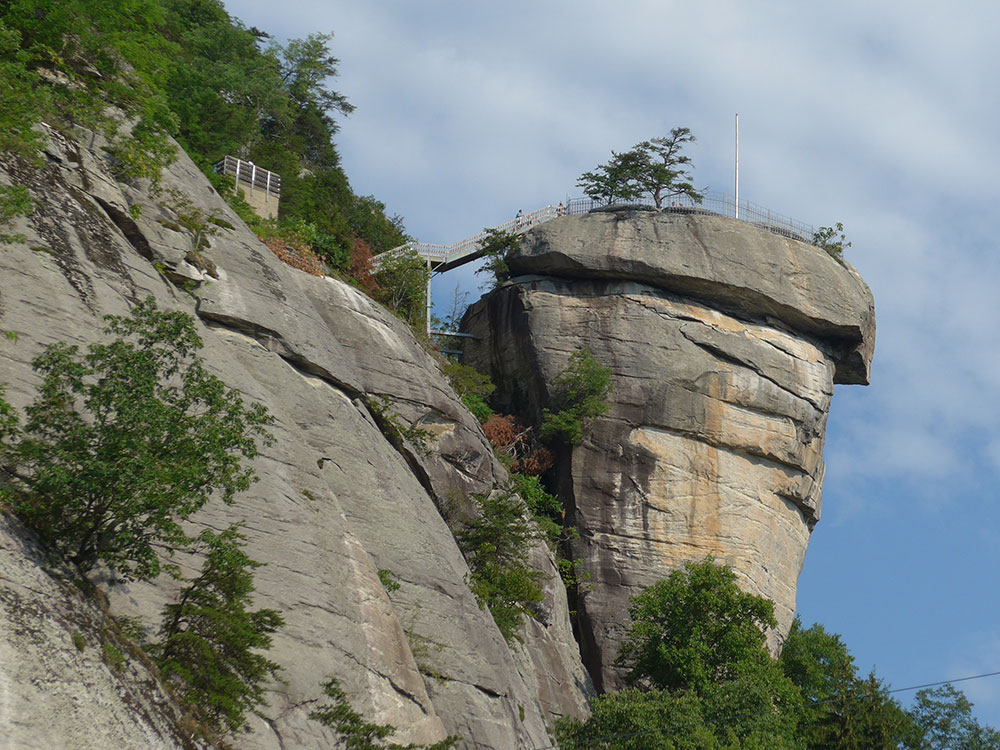
David Dugan, CC BY-SA 3.0, via Wikimedia Commons; Image Size Adjusted
mt-mitchell-walkway
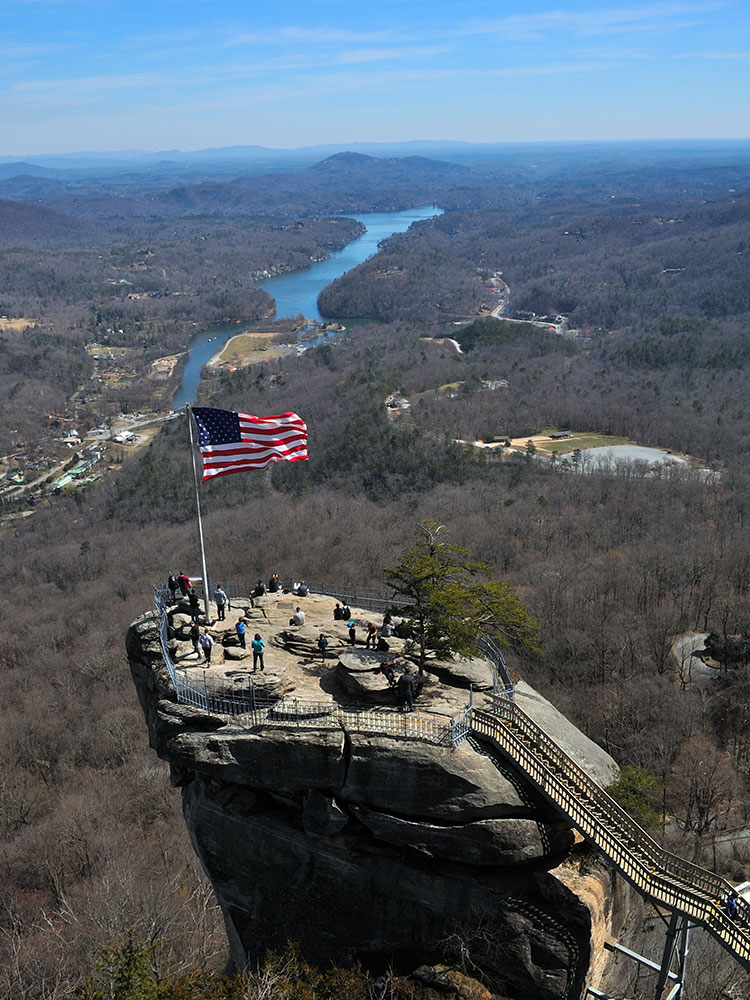
Dsdugan, CC BY-SA 4.0, via Wikimedia Commons ; Image Size Adjusted
mt-mitchell-summit-view
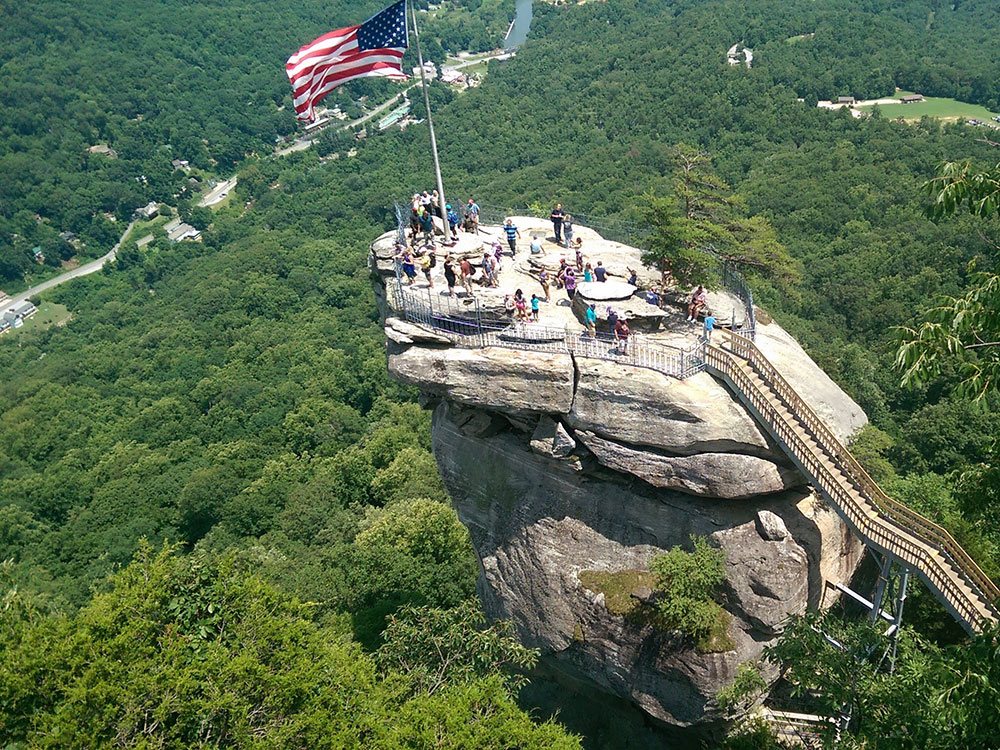
Dsdugan, CC BY-SA 4.0, via Wikimedia Commons; Image Size Adjusted
mt-mitchell-walkway
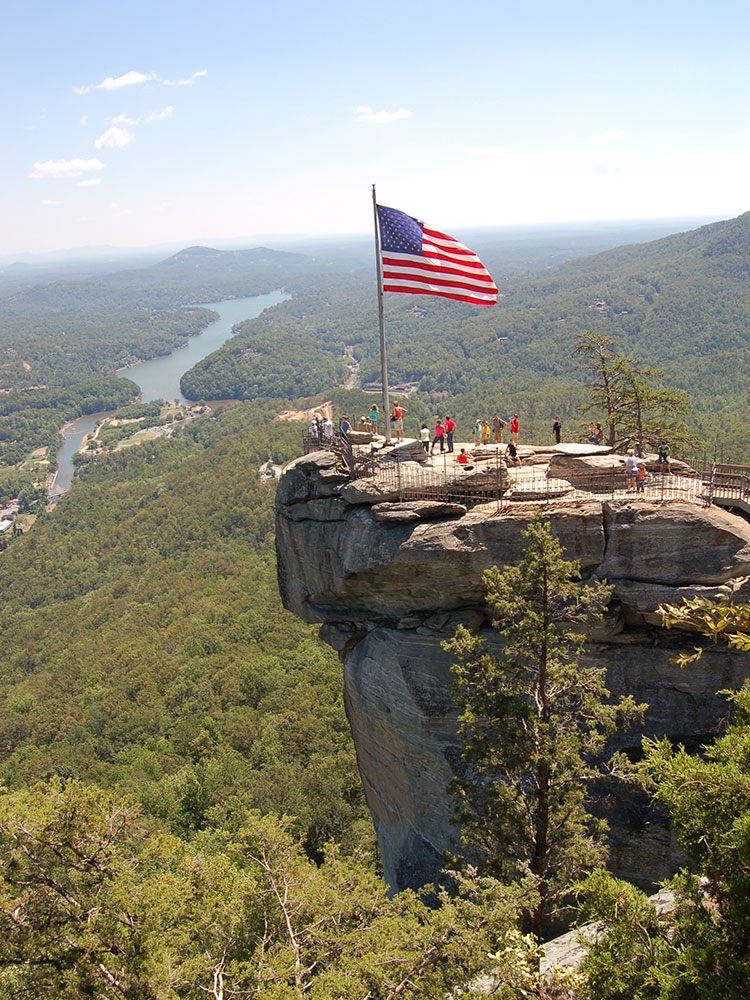
Dsdugan, CC BY-SA 4.0, via Wikimedia Commons; Image Size Adjusted
mt-mitchell-summit-view
Dsdugan, CC BY-SA 4.0, via Wikimedia Commons ; Image Size Adjusted
mt-mitchell-walkway
Ehume, CC BY-SA 4.0, via Wikimedia Commons ; Image Size Adjusted
mt-mitchell-summit-view
CarolinaOdyssey, CC BY-SA 4.0, via Wikimedia Commons ; Image Size Adjusted
mt-mitchell-walkway
John Bowles, CC BY-SA 4.0, via Wikimedia Commons ; Image Size Adjusted
mt-mitchell-summit-view
Jmturner, Public domain, via Wikimedia Commons ; Image Size Adjusted
mt-mitchell-walkway
5minutes, CC BY-SA 3.0, via Wikimedia Commons ; Image Size Adjusted