Industrial Revolution Sites Travel Guide
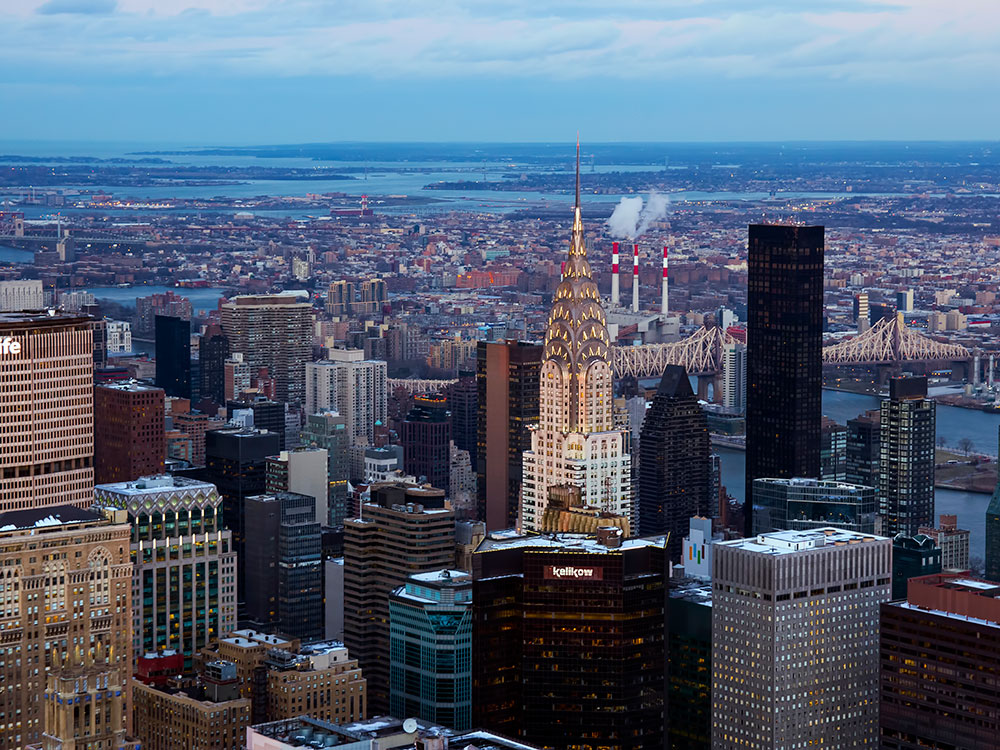
The most populous city in the United States, described as the cultural, financial, and media capital of the world, significantly influencing commerce, entertainment, research, technology, education, politics, tourism, art, fashion, and sports, and is the most photographed city in the world
-400.jpg)
Industrial Revolution Historic Sites
-400.jpg)
PortableNYCTours, CC BY-SA 4.0, via Wikimedia Commons; Image Size Adjusted
.jpg)
Blackstone River Valley National Historical Park
Woonsocket
Birthplace of the American Industrial Revolution, preserving the mills and canals along the Blackstone River where textile manufacturing began in 1793.

Anthony Quintano from Hillsborough, NJ, United States, CC BY 2.0, via Wikimedia Commons; Image Size Adjusted
.jpg)
Lowell National Historical Park
Lowell
Preserved 19th-century textile mill city and canal system that powered America's first large-scale factory town.

bryan..., CC BY-SA 2.0, via Wikimedia Commons; Image Size Adjusted
.jpg)
Boott Cotton Mills Museum
Lowell
Restored cotton mill with working power looms that recreates the sound and scale of a 19th-century textile factory floor.
Rhododendrites, CC BY-SA 4.0, via Wikimedia Commons; Image Size Adjusted
.jpg)
Lawrence Heritage State Park
Lawrence
Visitor center inside a former boardinghouse tracing the immigrant mill workers who powered Lawrence's textile industry.
.jpg)
Collins Company Axe Factory
Collinsville
Ruins of a 19th-century edge-tool factory that once produced axes shipped around the world.

Jdforrester, CC BY 4.0, via Wikimedia Commons; Image Size Adjusted

Cheney Brothers Historic District
Manchester
Historic silk-mill complex built by the Cheney family, once the largest silk manufacturer in the United States.
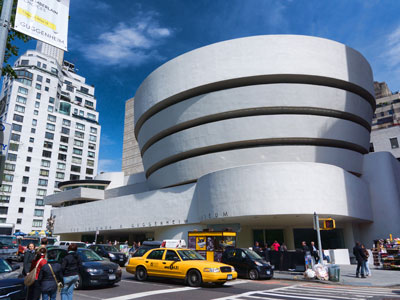
Jean-Christophe BENOIST, CC BY 3.0, via Wikimedia Commons; Image Size Adjusted

Erie Canalway National Heritage Corridor
Waterford
A 363-mile waterway that opened in 1825, connecting the Hudson River to the Great Lakes and fueling westward trade and settlement.

Ajay Suresh from New York, NY, USA, CC BY 2.0, via Wikimedia Commons; Image Size Adjusted
.jpg)
West Point Foundry Preserve
Cold Spring
Ruins of a 19th-century iron works that cast cannons and the engine for the first American-built steam locomotive.
-400.jpg)
ajay_suresh, CC BY 2.0, via Wikimedia Commons; Image Size Adjusted
.jpg)
Paterson Great Falls National Historical Park
Paterson
Waterfall-powered industrial district established by Alexander Hamilton in 1792 as the nation's first planned manufacturing city.
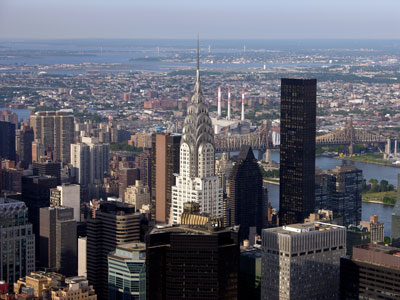
Misterweiss at English Wikipedia, Public domain, via Wikimedia Commons; Image Size Adjusted

Thomas Edison National Historical Park
West Orange
Preserved laboratory complex where Thomas Edison invented and refined the phonograph, motion picture camera, and countless other devices.
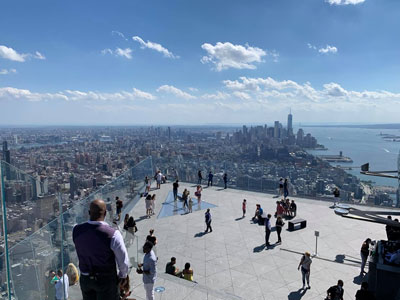
Hypnotoad78, CC BY-SA 4.0, via Wikimedia Commons; Image Size Adjusted

Hopewell Furnace National Historic Site
Elverson
Restored 18th-century charcoal-fueled iron furnace and self-sufficient ironmaking village.
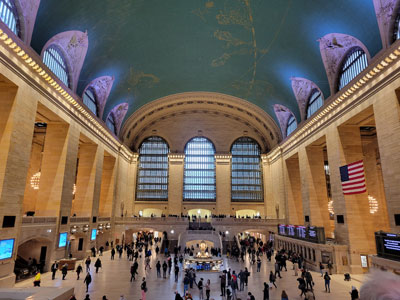
SteelStacks
Bethlehem
Preserved blast furnaces of the former Bethlehem Steel plant, now an arts and cultural campus.
_(51395759113)-400.jpg)
ajay_suresh, CC BY 2.0, via Wikimedia Commons; Image Size Adjusted
_(51395759113).jpg)
Scranton Iron Furnaces
Scranton
Ruins of four stone blast furnaces that anchored Scranton's rise as an iron- and steelmaking center.
-400.jpg)
Ingfbruno, CC BY-SA 3.0, via Wikimedia Commons; Image Size Adjusted
.jpg)
Steamtown National Historic Site
Scranton
Rail yard and roundhouse museum preserving the history of steam-era railroading.
PumpkinSky, CC BY-SA 3.0, via Wikimedia Commons; Image Size Adjusted

Hagley Museum
Wilmington
Former DuPont black powder works along the Brandywine River, preserving early mills and the family's first home.
Brandywine Valley Industrial Sites
Wilmington
Collection of early mills and waterpower sites along the Brandywine River that helped launch American industry.

Jean-Christophe BENOIST, CC BY 3.0, via Wikimedia Commons; Image Size Adjusted

Chesapeake and Ohio Canal National Historical Park
Williamsport
A 184.5-mile towpath canal that carried coal and goods between Georgetown and Cumberland from 1831 to 1924.

Saggittarius A, CC BY-SA 4.0, via Wikimedia Commons; Image Size Adjusted

Lonaconing Iron Furnace
Lonaconing
Best-preserved pre-Civil War charcoal iron furnace in the United States, still standing largely intact.
NBCUniversal, CC BY 3.0, via Wikimedia Commons; Image Size Adjusted
American Civil War Museum
Richmond
Museum built around the former Tredegar Iron Works, one of the Confederacy's most important industrial sites.
Richmond Canal Walk
Richmond
Riverfront path tracing the historic James River and Kanawha Canal, once vital to Richmond's industrial trade.

Basil D Soufi, CC BY-SA 3.0, via Wikimedia Commons; Image Size Adjusted
.jpg)
Harpers Ferry
Harpers Ferry
Site of a federal armory and arsenal that made it one of the young nation's most important centers of arms manufacturing.
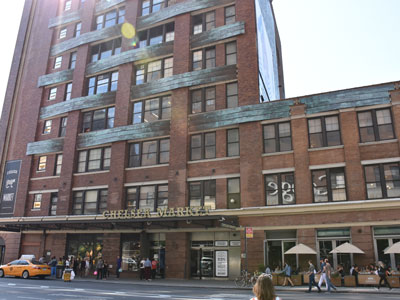
MusikAnimal, CC BY-SA 4.0, via Wikimedia Commons; Image Size Adjusted

Youngstown Historical Center of Industry and Labor
Youngstown
Museum tracing the rise and fall of the Mahoning Valley's steel industry and the workers who built it.
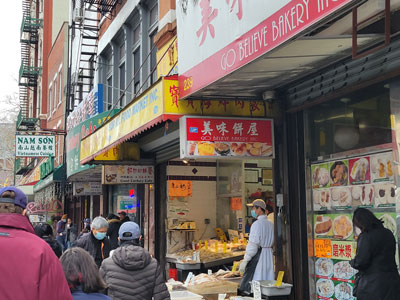
Ohio and Erie Canalway Heritage Area
Akron
Corridor tracing the historic canal that linked Lake Erie to the Ohio River and spurred early Ohio industry.
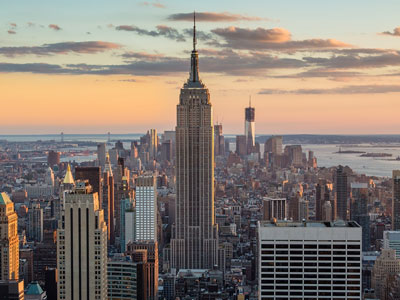
Sam valadi, CC BY 2.0, via Wikimedia Commons; Image Size Adjusted

Ford Rouge Factory Tour
Dearborn
Working automobile assembly plant tour showcasing Henry Ford's vision of vertically integrated mass production.
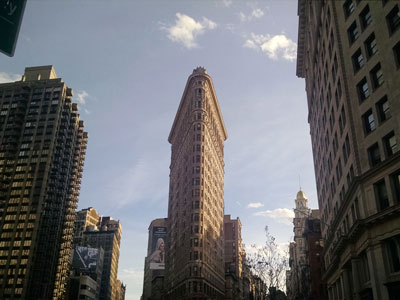
PortableNYCTours, CC BY-SA 4.0, via Wikimedia Commons; Image Size Adjusted
.jpg)
Henry Ford Museum of American Innovation
Dearborn
Sprawling museum of American technology and industry, from steam locomotives to the Wright Brothers' workshop.
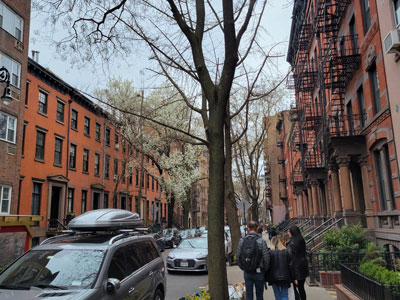
Pullman National Monument
Chicago
Preserved company town built by railroad-car manufacturer George Pullman for his factory workers.
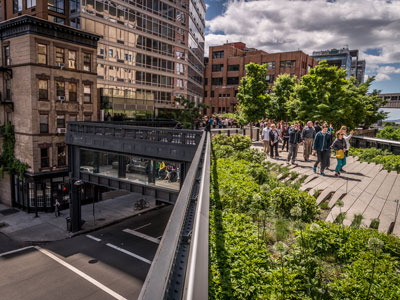
Jeff P from Berkeley, CA, USA, CC BY 2.0, via Wikimedia Commons; Image Size Adjusted
.jpg)
Illinois & Michigan Canal National Heritage Area
Lockport
A 96-mile canal corridor that linked the Great Lakes to the Mississippi River and launched Chicago's rise as an industrial hub.
Matias Garabedian from Montreal, Canada, CC BY-SA 2.0, via Wikimedia Commons; Image Size Adjusted
.jpg)
Mill City Museum
Minneapolis
Museum built inside the ruins of a former Washburn flour mill overlooking St. Anthony Falls.

Epicgenius, CC BY-SA 4.0, via Wikimedia Commons; Image Size Adjusted

Best Place at the Historic Pabst Brewery
Milwaukee
Former tied house and visitor center on the campus of the historic Pabst Brewing Company.
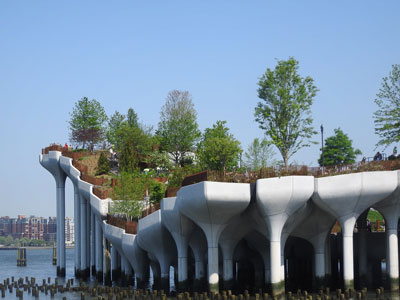
Jim.henderson, CC BY 4.0, via Wikimedia Commons; Image Size Adjusted
_jeh.jpg)
Old World Wisconsin
Eagle
19th-century immigrant farmsteads and workshops relocated to one open-air museum depicting rural industry.
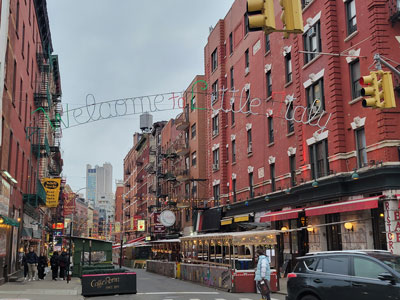
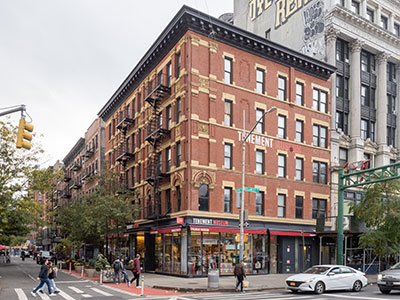
Eads Bridge
St. Louis
Pioneering steel-arch bridge across the Mississippi River, an engineering landmark when completed in 1874.
ajay_suresh, CC BY 2.0, via Wikimedia Commons; Image Size Adjusted
.jpg)
Sloss Furnaces National Historic Landmark
Birmingham
Former pig-iron blast furnaces preserved as an industrial museum and one of the last surviving examples in the country.
-400.jpg)
Alan Light, CC BY 2.0, via Wikimedia Commons; Image Size Adjusted
.jpg)
Tennessee Valley Railroad Museum
Chattanooga
Historic rail yard and excursion line preserving steam-era locomotives and passenger cars.
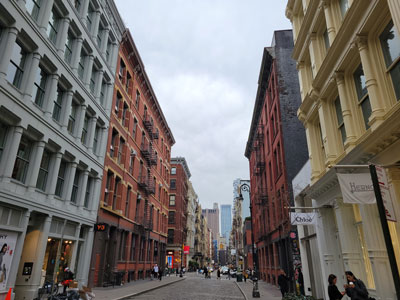
Falls Mill and Museum
Belvidere
Restored 19th-century water-powered gristmill still operating on its original overshot wheel.
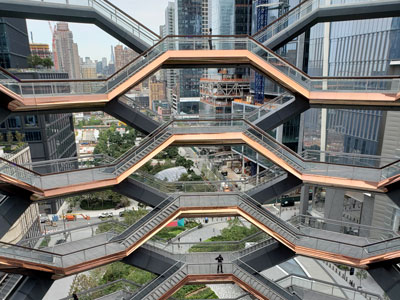
Augusta Canal National Heritage Area
Augusta
Industrial power canal built in 1845 that turned Augusta into a major 19th-century textile manufacturing center.
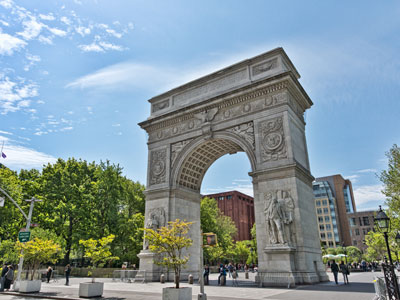
Jean-Christophe BENOIST, CC BY 3.0, via Wikimedia Commons; Image Size Adjusted

Duke Homestead
Durham
Farm and factory where the Duke family began the tobacco business that grew into the American Tobacco Company.

Jeff P from Berkeley, CA, USA, CC BY 2.0, via Wikimedia Commons; Image Size Adjusted
Old Salem Museums and Gardens
Winston-Salem
Restored Moravian settlement with working trade shops depicting colonial and early industrial craftsmanship.

Graniteville Historic District
Graniteville
Mill village built around one of the South's first successful cotton textile mills, founded in 1845.
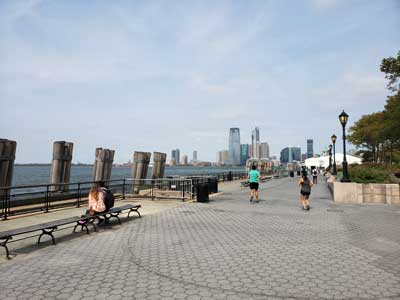
Maine MILL
Lewiston
Museum of Innovation, Learning and Labor set inside a former textile mill along the Androscoggin River.
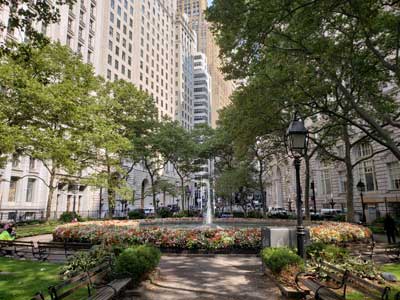
Manchester Historic Association's Millyard Museum
Manchester
Museum inside the former Amoskeag Manufacturing complex, once the largest cotton textile mill in the world.
Other US Industrial Revolution Locations
- Springfield Armory National Historic Site — Springfield
- Metropolitan Waterworks Museum — Boston / Chestnut Hill
- Sandwich Glass Museum — Sandwich
- Old New-Gate Prison & Copper Mine — East Granby
- New York Transit Museum — Brooklyn
- National Museum of Industrial History — Bethlehem
- Anthracite Heritage Museum — Scranton
- Lackawanna Coal Mine Tour — Scranton
- Electric City Trolley Museum — Scranton
- Delaware & Lehigh National Heritage Corridor — Easton
- Delaware Canal State Park — New Hope
- Historic Bethlehem Museums & Sites — Bethlehem
- Fairmount Water Works — Philadelphia
- Duquesne Incline — Pittsburgh
- Railroad Museum of Pennsylvania — Strasburg
- Senator John Heinz History Center — Pittsburgh
- Lehigh Valley Heritage Museum — Allentown
- Haines Mill Museum — Allentown
- Strip District — Pittsburgh
- Baltimore Museum of Industry — Baltimore
- B and O Railroad Museum — Baltimore
- Baltimore Phoenix Shot Tower — Baltimore
- Monocacy Aqueduct — Dickerson
- Public Works Experience — Baltimore
- Richmond Main Street Station — Richmond
- Beckley Exhibition Coal Mine — Beckley
- J.Q. Dickinson Salt-Works — Malden
- Kaymoor Miners Trail — Fayetteville
- Glade Creek Grist Mill — Clifftop
- Historic Yates Mill County Park — Raleigh
- Wilmington Railroad Museum — Wilmington
- Mingus Mill — Cherokee
- Columbia Canal and Riverfront Park — Columbia
- Roswell Mill Waterfall — Roswell
- Lee & Gordon's Mills — Chickamauga
- Robert C. Williams Museum of Papermaking — Atlanta
- Southern Museum of Civil War and Locomotive History — Kennesaw
- Southeastern Railway Museum — Duluth
- National Museum of the Great Lakes — Toledo
- Carillon Historical Park — Dayton
- Cuyahoga Valley Scenic Railroad — Peninsula
- America's Packard Museum — Dayton
- Crawford Auto Aviation Museum — Cleveland
- Ford Piquette Avenue Plant Museum — Detroit
- Greenfield Village — Dearborn
- Keweenaw National Historical Park — Calumet
- Delaware Mine — Mohawk
- Calumet — Calumet
- Automotive Hall of Fame — Dearborn
- R.E. Olds Transportation Museum — Lansing
- Michigan Central — Detroit
- Detroit Historical Museum — Detroit
- Illinois Iron Furnace National Historic Site — Elizabethtown
- Caterpillar Visitors Center — Peoria
- Chicago Board of Trade Building — Chicago
- Dearborn Station — Chicago
- Illinois Railway Museum — Union
- Mill Ruins Park — Minneapolis
- Stone Arch Bridge — Minneapolis
- Lake Superior Railroad Museum — Duluth
- Two Harbors — Two Harbors
- Harley-Davidson Museum — Milwaukee
- Grohmann Museum — Milwaukee
- Missouri Mines State Historic Site — Park Hills
- National Museum of Transportation — St. Louis
- Anheuser-Busch Brewery — St. Louis
- Bollinger Mill State Historic Site — Burfordville
- Dillard Mill State Historic Site — Dillard
- Tannehill Ironworks Historical State Park — McCalla
- Alabama Iron and Steel Museum — McCalla
- Red Mountain Park — Birmingham
- Vulcan Park and Museum — Birmingham
Overview
The industrial sites of the United States tell the story of a nation transformed by innovation, manufacturing, transportation, and engineering. Beginning in the late eighteenth century and accelerating through the Industrial Revolution, factories, mills, canals, railroads, steel works, shipyards, and mining operations helped shape the American economy and fueled unprecedented growth. These industrial centers produced everything from textiles and machinery to automobiles and steel, while creating new cities, expanding transportation networks, and attracting generations of workers seeking opportunity.
America's industrial heritage had a lasting impact on nearly every aspect of modern life. Advances in manufacturing techniques, mass production, and transportation changed how goods were produced and distributed throughout the country and around the world. Industrial enterprises helped establish the United States as a global economic power while also influencing labor movements, immigration, urban development, and technological innovation. The stories preserved at these historic sites highlight both the achievements of industrial progress and the experiences of the men and women whose work powered the nation’s growth.
Today, visitors can explore many preserved industrial landmarks across the country, including historic factories, ironworks, mills, canals, railroads, shipyards, and mining communities. Notable destinations such as Lowell National Historical Park in Massachusetts, Steamtown National Historic Site in Pennsylvania, Saugus Iron Works National Historic Site in Massachusetts, Hopewell Furnace National Historic Site in Pennsylvania, Keweenaw National Historical Park in Michigan, and the Erie Canalway National Heritage Corridor in New York offer opportunities to experience America’s industrial past firsthand. Through museums, restored machinery, interpretive exhibits, and preserved landscapes, these sites continue to educate visitors about the innovations, labor, and infrastructure that helped build the modern United States.
American Industrial Revolution Timeline (1770s-1940s)
The American Industrial Revolution transformed the United States from a largely agricultural society into one of the world's leading industrial powers. Beginning with water-powered textile mills in New England and expanding through canals, railroads, ironworks, steel mills, electrification, and mass production, industrialization reshaped the nation's economy and society. The following timeline highlights major industrial sites, factory towns, transportation corridors, and innovation centers that illustrate this transformation.
1770s-1820s: Early Industry and the Birth of Manufacturing
Pennsylvania
- Hopewell Furnace National Historic Site - Represents the colonial and early American iron industry, producing cast iron goods and supporting regional economic growth.
Maryland
- Lonaconing Iron Furnace - Demonstrates advances in nineteenth-century ironmaking technology and the growing importance of heavy industry.
West Virginia
- Harpers Ferry - Home to a major federal armory where mechanized production and interchangeable parts helped lay the foundations of American manufacturing.
Rhode Island
- Blackstone River Valley National Historical Park - Considered the birthplace of the American Industrial Revolution, where water-powered textile mills established the nation's first large-scale factory system.
North Carolina
- Old Salem Museums and Gardens - Preserves an early community of artisans, craftsmen, and entrepreneurs that bridged traditional trades and industrial production.
1820s-1850s: Textile Mills, Factory Cities, and Transportation Networks
Massachusetts
- Lowell National Historical Park - America's first major planned industrial city, combining water power, textile mills, and worker housing.
- Boott Cotton Mills Museum - Preserves operating textile machinery and demonstrates the factory production system.
- Lawrence Heritage State Park - Highlights the expansion of textile manufacturing along the Merrimack River.
New Hampshire
- Manchester Historic Association's Millyard Museum (Manchester) - Documents the rise of one of the world's largest textile manufacturing centers.
Connecticut
- Cheney Brothers Historic District (Manchester) - Home to one of America's largest silk manufacturing companies.
- Collins Company Axe Factory (Collinsville) - Demonstrates the growth of specialized manufacturing and precision tool production.
South Carolina
- Graniteville Mill Area - One of the earliest large-scale textile communities in the American South.
New York
- Erie Canalway National Heritage Corridor - Opened western markets to eastern manufacturers and dramatically reduced transportation costs.
Maryland
- Chesapeake and Ohio Canal National Historical Park - Connected eastern markets with interior resources and communities.
Virginia
- Richmond Canal Walk - Preserves sections of Virginia's canal network that supported commerce and industrial growth.
1830s-1860s: Machinery, Industrial Cities, and Specialized Manufacturing
New Jersey
- Paterson Great Falls National Historical Park - Established as one of America's first planned industrial cities, powered by the Great Falls of the Passaic River.
New York
- West Point Foundry Preserve (Cold Spring) - Produced locomotives, steam engines, artillery, and industrial machinery, making it one of the nation's leading foundries.
Delaware
- Hagley Museum - Preserves the original DuPont gunpowder works and illustrates the rise of chemical manufacturing.
- Brandywine Valley Industrial Sites - Showcase mills, factories, and water-powered industries that flourished along the Brandywine River.
1860s-1880s: Civil War Industry, Iron, Steel, and Railroads
Virginia
- American Civil War Museum (Richmond) - Interprets how industrial capacity became a decisive factor during the Civil War.
Pennsylvania
- Scranton Iron Furnaces - Reflect the rise of anthracite-fueled iron production.
- SteelStacks (Bethlehem) - Preserves the massive Bethlehem Steel complex that became one of America's most influential steel producers.
- Steamtown National Historic Site - Demonstrates the importance of railroads and locomotive technology during industrial expansion.
Missouri
- Eads Bridge (St. Louis) - Completed in 1874, it showcased innovative steel construction and modern engineering.
Tennessee
- Tennessee Valley Railroad Museum - Preserves the railroad technology that linked markets, factories, and population centers.
1880s-1914: The Second Industrial Revolution
New Jersey
- Thomas Edison National Historical Park (West Orange) - Represents the dawn of industrial research laboratories and the widespread adoption of electric technologies.
North Carolina
- Duke Homestead - Illustrates the growth of tobacco manufacturing and the emergence of large national corporations.
Alabama
- Sloss Furnaces National Historic Landmark (Birmingham) - Symbolizes Southern industrialization and the expansion of iron production.
Georgia
- Augusta Canal National Heritage Area - Supplied water power for textile mills and manufacturing industries in the New South.
Wisconsin
- Best Place at the Historic Pabst Brewery - Highlights the rise of large-scale brewing and consumer goods manufacturing.
- Old World Wisconsin - Interprets the immigrant communities whose labor fueled industrial growth throughout the Midwest.
1910s-1940s: Mass Production and Modern Industry
Michigan
- Ford Rouge Factory Tour (Dearborn) - Demonstrates the height of vertically integrated mass production in the automobile industry.
- The Henry Ford Museum of American Innovation - Showcases the technological innovations that transformed twentieth-century industry.
Illinois
- Pullman National Historical Park (Chicago) - Preserves one of America's most famous company towns and labor history sites.
- Illinois & Michigan Canal National Heritage Corridor - Connected the Great Lakes and Mississippi River systems, supporting industrial expansion in the Midwest.
Ohio
- Youngstown Historical Center of Industry and Labor - Tells the story of steel production and industrial workers during the twentieth century.
- Ohio and Erie Canalway Heritage Area - Illustrates how transportation corridors helped Ohio become a major manufacturing state.
Minnesota
- Mill City Museum (Minneapolis) - Explains how mechanized flour milling made Minneapolis the flour milling capital of the world.
Tennessee
- Falls Mill and Museum (Belvidere) - Preserves a working example of water-powered manufacturing that continued into the industrial era.
Maine
- Maine MILL - Represents New England's textile and manufacturing heritage during the late industrial period.
Industrial Revolution Legacy
Together, these sites tell the story of the American Industrial Revolution, beginning with water-powered textile mills in Rhode Island and Massachusetts, expanding through the canal systems of New York, Maryland, Virginia, and Illinois, progressing into the iron and steel industries of Pennsylvania, Ohio, Alabama, and Missouri, and culminating in the mass-production techniques of Michigan's automobile industry. They preserve the factories, transportation networks, innovations, and communities that transformed the United States into a modern industrial nation.
This article uses material from National Park Service resources and historical reference materials relating to America's industrial heritage sites and preserved industrial landscapes.