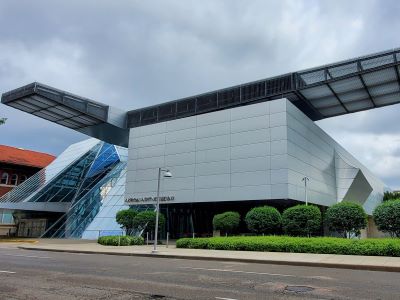
A nationally designated heritage corridor of historic canals, towpaths, river valleys, industrial landmarks, museums, and communities that preserves the transportation network that helped fuel America's westward expansion and industrial growth.
Richard Howe House Visitor Center: Monday to Friday, 9am to 4pm
Individual museums, attractions, and partner sites maintain their own operating hours
Some museums, railroad excursions, boat rides, and partner attractions may charge separate admission fees
How to Get There
From Akron: Travel to downtown Akron via I-76, I-77, or OH-8, then follow local streets to the Richard Howe House at 47 W Exchange Street, a convenient gateway for exploring the heritage area's trails, historic sites, and canal communities.
Overview
The Ohio and Erie Canalway Heritage Area preserves the remarkable transportation corridor that transformed Ohio from a frontier region into a center of commerce, industry, and settlement. Established as a National Heritage Area by Congress in 1996, the corridor follows the route of the historic Ohio & Erie Canal, which was built between 1825 and 1832 to connect Lake Erie with the Ohio River. The canal dramatically lowered transportation costs, encouraged migration, stimulated industrial development, and linked the American interior to national and international markets. Today, visitors can explore a diverse landscape of historic locks, canal towns, museums, industrial sites, riverfront parks, and cultural landmarks that collectively tell the story of the canal's lasting influence on the nation.
Modern travelers experience the heritage area through more than a century of preserved history and an extensive network of recreational opportunities. The renowned Towpath Trail follows much of the original canal route, attracting hikers, cyclists, runners, and nature enthusiasts through scenic landscapes that include forests, wetlands, and historic communities. The corridor also encompasses portions of Cuyahoga Valley National Park, the Cuyahoga Valley Scenic Railroad, restored canal structures, and numerous interpretive sites that highlight the lives of immigrants, laborers, entrepreneurs, and families who shaped the region. Combining outdoor adventure with rich historical insight, the heritage area offers one of the most engaging cultural landscapes in the Midwest.
This article uses material from the Wikipedia article for the https://en.wikipedia.org/wiki/Ohio_and_Erie_CanalOhio and Erie Canal, along with official information from the Ohio & Erie Canalway National Heritage Area and the National Park Service, which are released under the Creative Commons Attribution-Share-Alike License 3.0.


