-400.jpg)
Ohio Travel Guide
Ohio, known as the Buckeye State, is a diverse and vibrant destination in the Great Lakes region of the United States. From the bustling city life of Cleveland and Cincinnati to the serene beauty of Hocking Hills State Park, Ohio offers a wide range of experiences for travelers. History enthusiasts can explore the National Museum of the United States Air Force in Dayton or visit the Rock and Roll Hall of Fame in Cleveland. Outdoor lovers can enjoy boating on Lake Erie, hiking in Cuyahoga Valley National Park, or exploring the scenic Amish Country.


Places to See in Ohio
-1515.jpg)
Travertine Creek Swimming Area, Chickasaw NRA
jonathan c. wheeler, CC BY-SA 3.0, via Wikimedia Commons; Image Size Adjusted

Michael Barera, CC BY-SA 4.0, via Wikimedia Commons; Image Size Adjusted
.jpg)
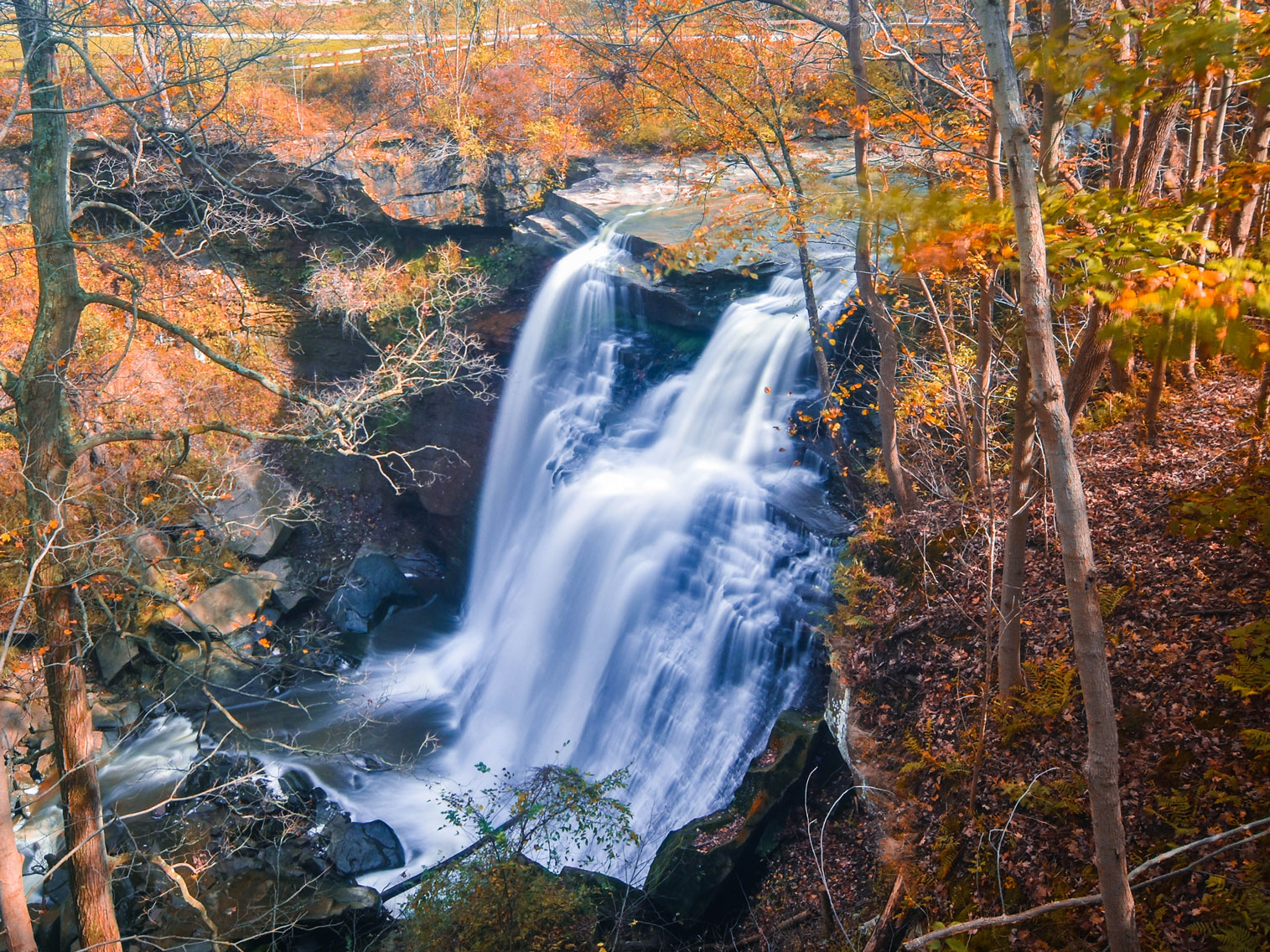
Cuyahoga Valley National Park
Cuyahoga Valley National Park is a national park in northeastern Ohio, located between the cities of Cleveland and Akron. The park encompasses over 33,000 acres of forests, rolling hills, wetlands, and the scenic Cuyahoga River. It offers a variety of recreational activities including hiking, biking, bird watching, and fishing. The park is also home to the historic Ohio & Erie Canal Towpath Trail, which follows the route of the old canal and provides a glimpse into the region's industrial past.
Michael Barera, CC BY-SA 4.0, via Wikimedia Commons; Image Size Adjusted
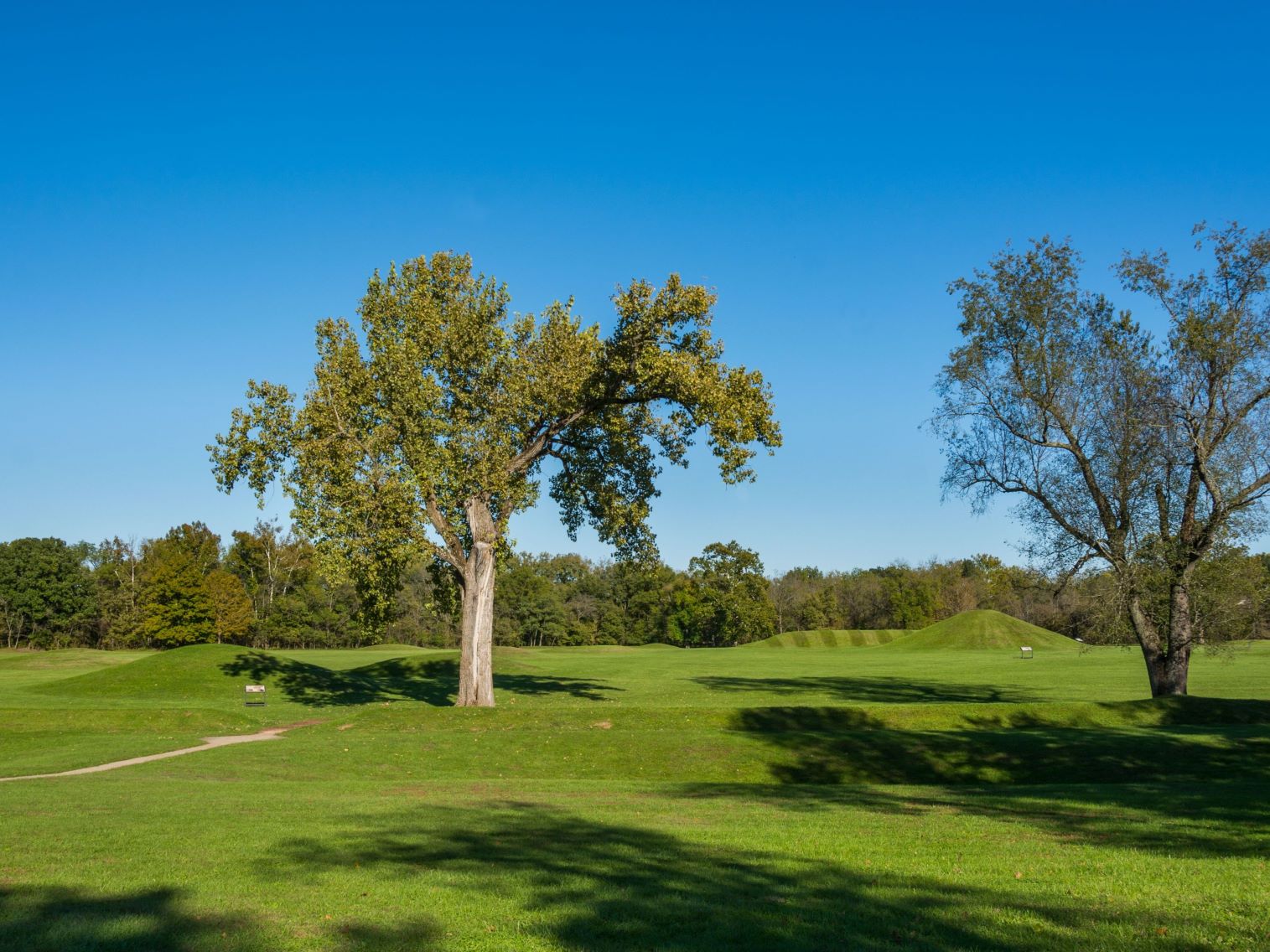
Hopewell Culture National Historical Park
Hopewell Culture National Historical Park preserves and interprets the remains of the Hopewell culture, an ancient Native American civilization that flourished in the Ohio River Valley from approximately 1000 BCE to 400 CE. The park features reconstructed earthworks, burial mounds, and artifacts that provide insight into the complex social and spiritual life of the Hopewell people.
Broken Bow Spillway, Beavers Bend Resort ParkU.S. Army Corps of Engineers, photographer not specified or unknown, Public domain, via Wikimedia Commons; Image Size Adjusted

Turner Falls ParkJacob.jose, CC BY-SA 4.0, via Wikimedia Commons; Image Size Adjusted

Ohio emerged at the confluence of waterways, forests, and fertile plains, where Indigenous trade routes and pioneer paths once overlapped to shape an enduring gateway between the East and the interior of the continent. Its early canals and rail lines stitched together farms, mills, and river ports, launching a manufacturing engine that would power the nation’s growth. That legacy still echoes in brick factories and steel trusses repurposed into public spaces, where past and present meet in the cadence of hardworking towns and resurgent city districts.
From lakefront skylines to gently rolling farmlands, the state’s landscapes form a natural mosaic: sandy beaches and bird-rich marshes along the Great Lake, glacier-carved valleys sliding into Appalachian foothills, and ribbons of rivers that once carried goods now carrying kayaks. Metroparks and national preserves invite travelers to watch spring warblers, cycle canal towpaths, or wander under hardwood canopies where seasonal color turns forested corridors into living galleries. Nature here is less a backdrop than a partner in daily life.
In the laboratories of major universities and in the hangars of storied airfields, the spirit of experimentation has long defined the state’s identity. Aviation history took flight on quiet fields; polymer science, medicine, and data analytics now drive the next chapters. Startups share neighborhoods with mom-and-pop shops, while revitalized warehouse districts host makers, kitchens, and co-ops. This culture of practical innovation—equal parts ingenuity and grit—gives visitors a front-row seat to the way ideas move from workshop to world.
Art and music spill into streets and public squares: orchestras and rock halls, mural alleys and contemporary museums, folk festivals and community theaters. Culinary scenes reflect waves of migration—Pierogi beside barbecue, West African stews near Italian bakeries—while farmers markets and craft breweries tie urban palates back to rural fields. In every region, local pride reveals itself in neighborhood festivals, Friday night lights, and historic main streets animated by porch talks and live sets.
For travelers, the draw is in the variety and the driveable distances between experiences: a morning on a lakeside boardwalk, an afternoon gallery stroll, and an evening in a century-old music hall. It is a place where industrial artifacts become cultural anchors, where parklands thread through neighborhoods, and where hospitality tends to be straightforward and unpretentious. The journey rewards curiosity—with stories of resilience, reinvention, and the steady pulse of communities that continue to build what comes next.
This article uses material from the Wikipedia articles and official tourism pages for the State of Ohio, which are released under the Creative Commons Attribution-Share-Alike License 3.0.