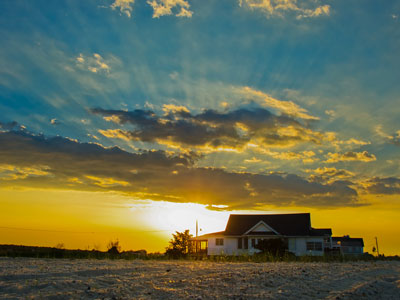

Historially a major fishing town where today people come for fishing, swimming, birdwatching, kayaking, sailing, and the beaches along the Delaware Bay
General Information
How to Get There
From Dover, DE (20 mi): Take US-13 S from Dover, then turn east on DE-9 and follow it approximately 20 miles to Bowers Beach on the Delaware Bay shore.
Overview
The Brandywine Valley Industrial Sites preserve the rich manufacturing heritage of the Brandywine River corridor in Delaware and southeastern Pennsylvania. For more than two centuries, the fast-flowing waters of the Brandywine powered mills, forges, paper works, textile operations, and other industries that helped establish the region as one of the most important industrial centers in early America. 【1-941865】【2-c3c1f0】
Today, visitors can explore a variety of historic industrial landscapes, museum sites, mill ruins, preserved waterways, and cultural institutions that tell the story of the Brandywine Valley's transformation from agricultural settlements into a manufacturing powerhouse. The region's industrial legacy remains visible through restored mill complexes, historic parks, and interpretive exhibits that highlight the role of water-powered industry in the growth of the United States. 【1-941865】【3-ad52c4】
Notable Sites to Visit
-
Hagley Museum and Library
- Located on the site of the original du Pont gunpowder works along the Brandywine.
- Features historic mills, machinery demonstrations, workers' communities, and exhibits on American industry.
-
Original Du Pont Powder Yard
- One of the most significant industrial sites in the Brandywine Valley.
- Represents the beginnings of the du Pont industrial empire.
-
Brandywine River Mill Sites
- Historic locations where flour, paper, textile, and other water-powered mills once operated.
- Demonstrate how the river's water power drove regional economic growth.
-
Beaver Creek Ruins
- Visible remains of former industrial operations within First State National Historical Park.
- Provide a physical reminder of the Brandywine Valley's manufacturing past.
-
Mica Mining Pit
- Preserved industrial resource dating from the late 19th and early 20th centuries.
- Illustrates the region's role in supplying raw materials for American industry.
-
Industrial Brandywine Historic Corridor
- Includes numerous documented business and industrial sites along an eight-mile stretch of the Brandywine River.
- Features locations associated with mills, manufacturing plants, and transportation networks.
-
Historic Mill Communities
- Former worker settlements that developed around water-powered industries.
- Provide insight into daily life in the Brandywine Valley's industrial era.
-
First State National Historical Park - Brandywine Valley Unit
- Contains landscapes reflecting early settlement, agriculture, and industrial development.
- Features trails, overlooks, and interpretive areas connected to the region's industrial history.
Visitor Highlights
| Attraction | Type | Highlights |
|---|---|---|
| Hagley Museum and Library | Industrial History Museum | Du Pont powder works, restored mills, and industrial exhibits |
| Du Pont Powder Yard | Historic Industrial Site | Origins of one of America's most influential manufacturing companies |
| Beaver Creek Ruins | Industrial Ruins | Remnants of early Brandywine Valley manufacturing facilities |
| Mica Mining Pit | Mining Heritage Site | Evidence of industrial raw-material extraction |
| Brandywine Valley Unit | National Historical Park | Industrial landscapes, trails, and interpretive areas |
Industrial Legacy
The Brandywine Creek served as one of the most important industrial corridors in the Mid-Atlantic region. Its reliable water power supported generations of manufacturers, helping establish the Brandywine Valley as a center for flour milling, paper production, textiles, metalworking, and explosives manufacturing. The success of these industries contributed significantly to the economic development of both Delaware and Pennsylvania.
Many of the valley's historic industrial sites are now preserved through museums, parks, and historical organizations that continue to document and interpret the region's manufacturing heritage for modern visitors.
This article uses material from the National Park Service and Hagley Museum resources describing the industrial history of the Brandywine Valley. Additional information is available from the First State National Historical Park and the Delaware's Industrial Brandywine Project.