
Comprises a group of different sites in and around the city of Lowell related to the era of textile manufacturing in the city during the Industrial Revolution
General Information
Hours:
Visitor Center & Museums (seasonal):
Monday–Friday: 12:00pm to 4:00pm
Saturday–Sunday: 10:00am to 4:00pm
Closed Thanksgiving, Christmas Eve, Christmas Day, and New Year’s Day
Monday–Friday: 12:00pm to 4:00pm
Saturday–Sunday: 10:00am to 4:00pm
Closed Thanksgiving, Christmas Eve, Christmas Day, and New Year’s Day
Fees:
Park entrance: Free
Boott Cotton Mills Museum: Adults $6, Seniors $4, Youth (6–16) $3, Children under 6 free
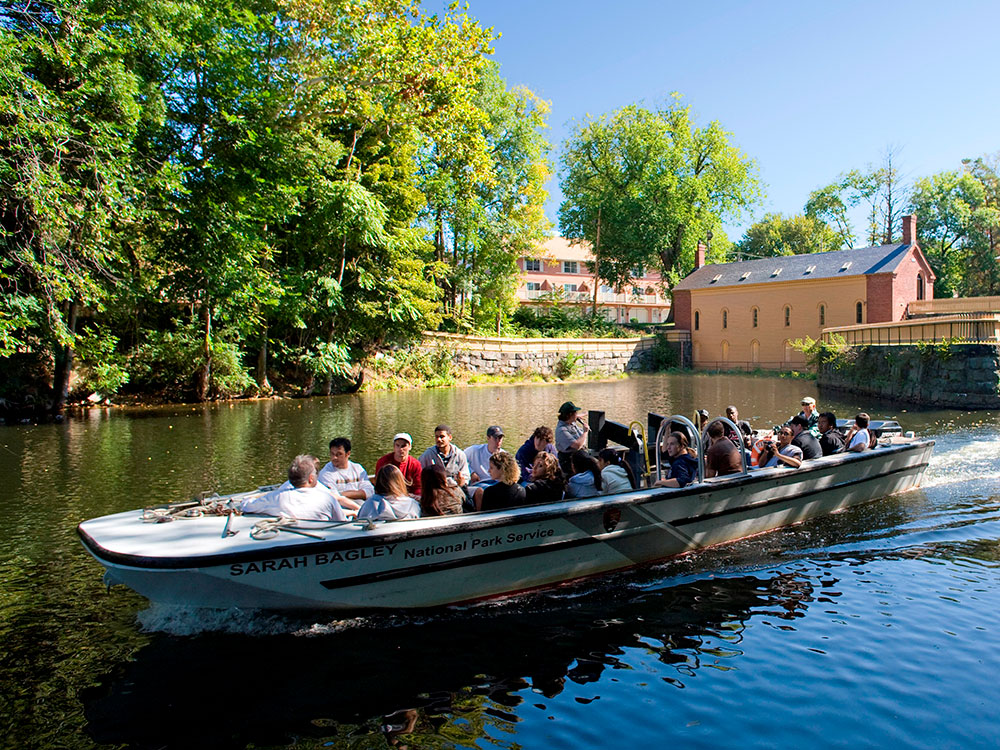
Canal Boat Tours (seasonal): Adults $12, Seniors $10, Youth/Students $8
Boott Cotton Mills Museum: Adults $6, Seniors $4, Youth (6–16) $3, Children under 6 free
Canal Boat Tours (seasonal): Adults $12, Seniors $10, Youth/Students $8
Pet Policy:
Pets are allowed on outdoor walkways and grounds but are not permitted inside museums or tour vehicles
Closest cities with hotels:
Lowell, MA / Chelmsford, MA (within 5–10 mi)
Seasons:
Open year-round; best visited spring through fall when tours and boat rides operate
Location:
https://maps.app.goo.gl/wPjzR9q6Ck7x9eBq9 246 Market St, Lowell, MA 01852
Website:
How to Get There
From Boston (30 mi): Take I‑93 N to I‑495 N, then take Exit 89C onto the Lowell Connector, follow signs for downtown Lowell, exit at Thorndike Street, and continue to Market Street to reach the Lowell National Historical Park Visitor Center.
Overview
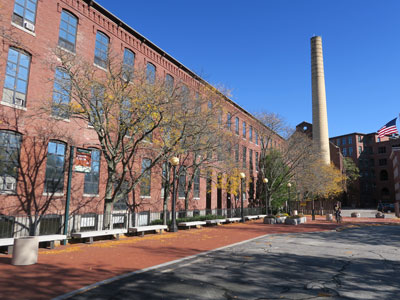
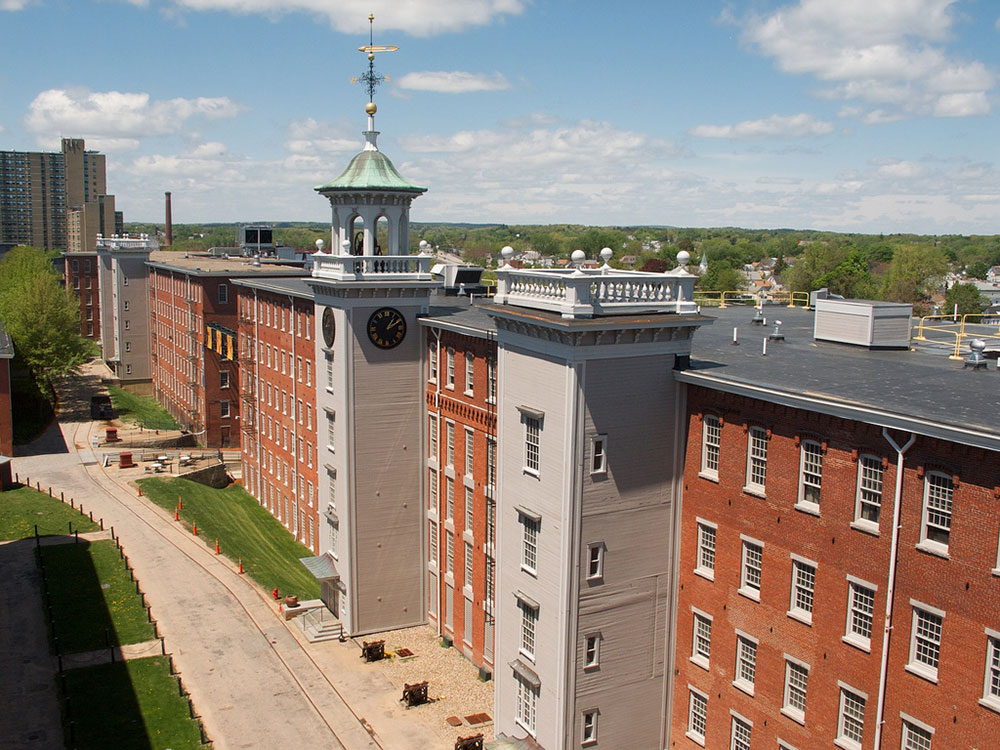
Lowell National Historical Park, established in 1978, preserves the mills, canals, and worker housing of the textile city at the heart of the American Industrial Revolution. The visitor center has a free self-guided history exhibit, and a footpath along the Merrimack Canal has plaques on sites along the water.
Highlights
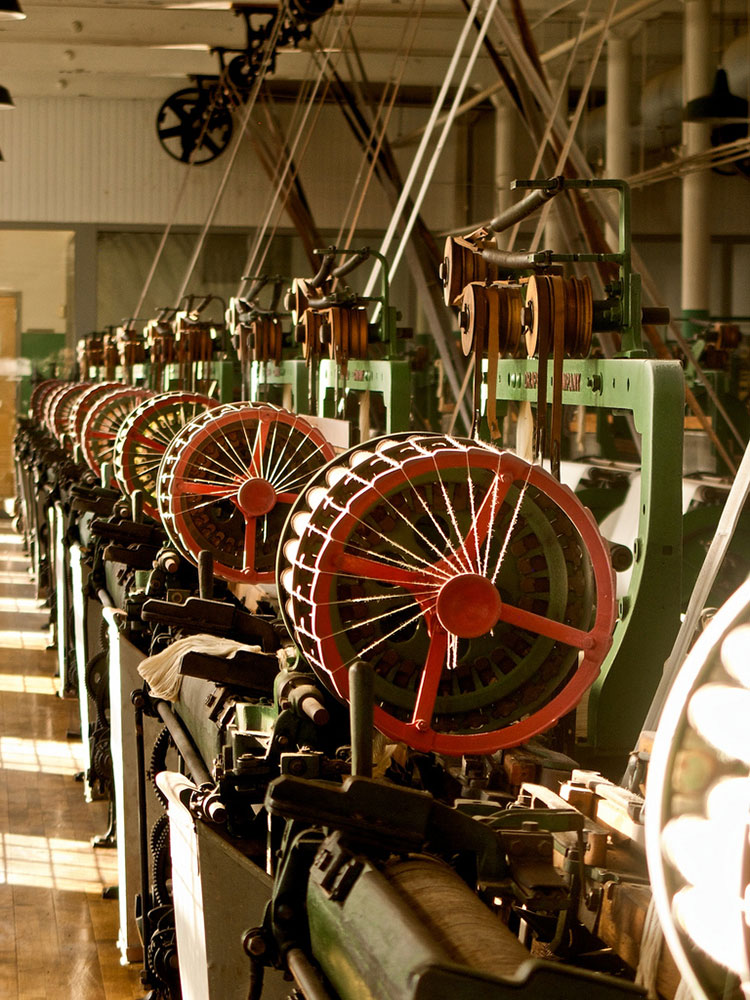
- Boott Cotton Mills Museum: the most fully restored mill, with a working weave room
- Canals and locks: the Lowell Canal System, Pawtucket Dam and Gatehouse, and the Swamp Locks, Lower Locks, and Guard Locks
- Mill Girls and Immigrants Exhibit: a boardinghouse and worker life exhibit
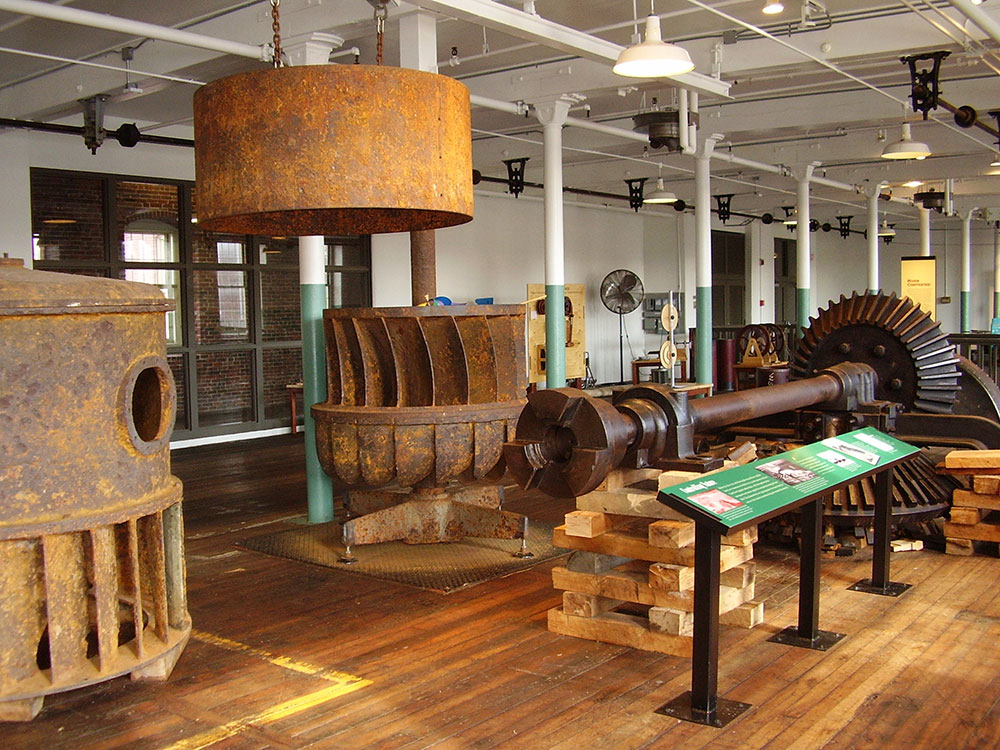
- Suffolk Mill Turbine and Powerhouse: the water power behind the mills
- Streetcar and events: the National Streetcar Museum and trolley through the park, plus Boarding House Park, home to the Lowell Folk Festival and summer concerts
This article uses material from the Wikipedia article "Lowell National Historical Park", which is released under the Creative Commons Attribution-Share-Alike License 3.0




,_Lowell,_Massachusetts-1000.jpg)
,_Lowell,_Massachusetts.JPG)