The first model, planned industrial community in the United States
Historic planned industrial community featuring landmark architecture, preserved worker housing, labor history sites, and exhibits highlighting American manufacturing and urban design.
General Information
Closed Monday and Tuesday
Historic grounds: Open daily dawn to dusk
No entrance pass required
How to Get There
From Chicago (15 mi): Take I-94 E/Dan Ryan Expressway south, exit at 111th Street, travel east to South Cottage Grove Avenue, and continue to the visitor center at 610 E. 111th Street.
Overview
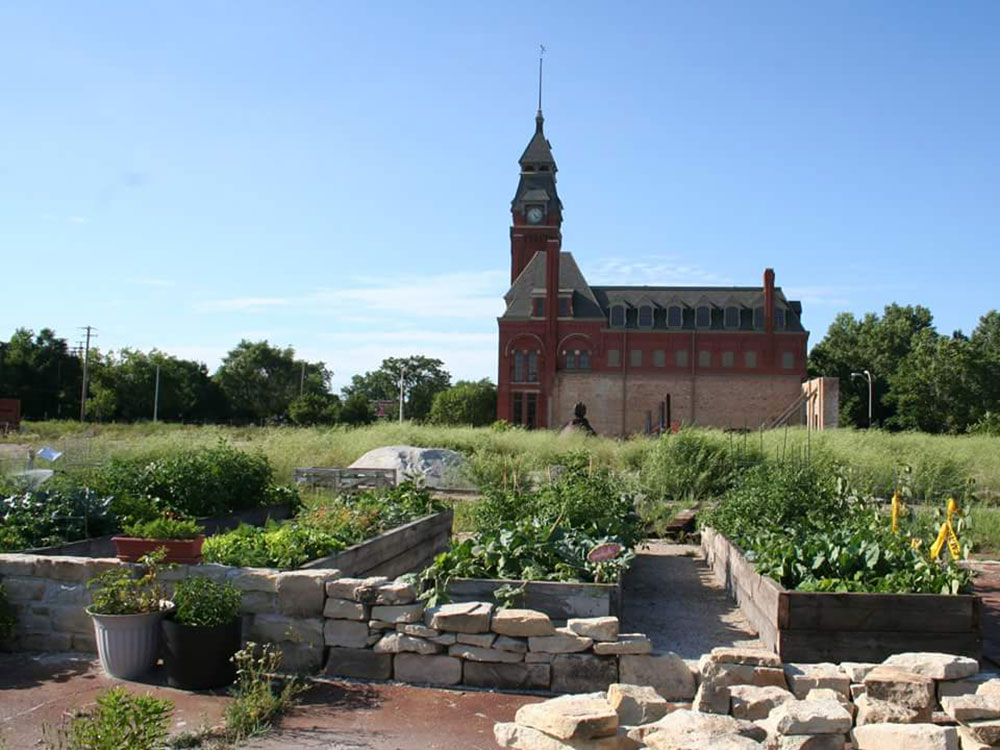
Pullman National Monument, also known as the Pullman District and Pullman Historic District, is located in Chicago and was the first model, planned industrial community in the United States. The district had its origins in the manufacturing plans and organization of the Pullman Company and became one of the most well-known company towns in the United States, as well as the scene of the violent 1894 Pullman strike. It was built for George Pullman as a place to produce the famous Pullman sleeping cars.
Originally built beyond the Chicago city limits, it is now in what is the Pullman community area of Chicago; the district includes the Pullman factory and the Hotel Florence, named after George Pullman's daughter. Also within the district is the A. Philip Randolph Pullman Porter Museum, named for the prominent labor and civil rights leader A. Philip Randolph, which recognizes and explores African American labor history. Parts of the site have been more recently owned by the Illinois Historic Preservation Agency prior to being gifted to the federal government. Additional grounds remain owned by the state, as the Pullman State Historic Site. The Pullman District, including the national monument, state historic site, and private homes is east of Cottage Grove Avenue, from East 103rd St. to East 115th St. It was named a Chicago Landmark district on October 16, 1972. It was listed on the National Register of Historic Places on October 8, 1969 and declared a National Historic Landmark on December 30, 1970.
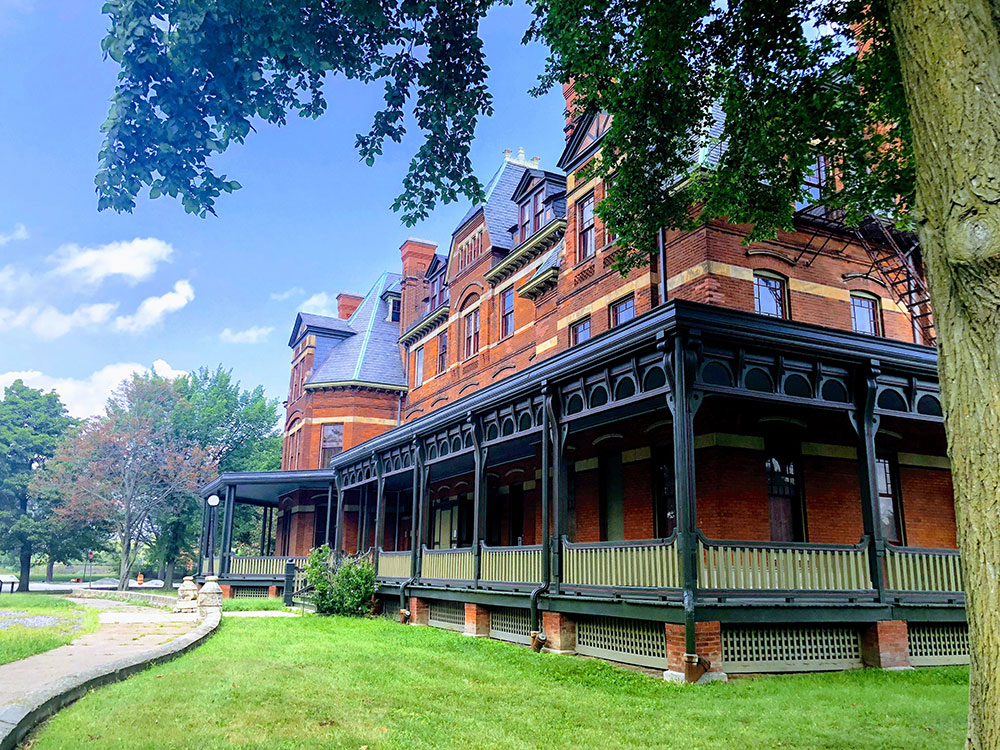
Hotel Florence, named for Pullman's daughter, was opened on November 1, 1881. Intended to showcase the town to visitors, the hotel featured fifty rooms and the only bar in the community. Built at a cost of $130,000, it grew to 23,000 square feet (2,100 m2) after an addition was constructed in 1914. A suite was kept for Pullman on the second floor for when he visited the factory. Each floor presented a different class of service, with the most opulent rooms on the second floor and more modest accommodations on the fourth.
This article uses material from the Wikipedia article "Pullman National Monument", which is released under the Creative Commons Attribution-Share-Alike License 3.0