Colorado Travel Guide
Ski world-class Rocky Mountain slopes, hike scenic trails, and soak in hot springs, then explore Denver's breweries and charming mountain towns.

Colorado Map
Places to See in Colorado
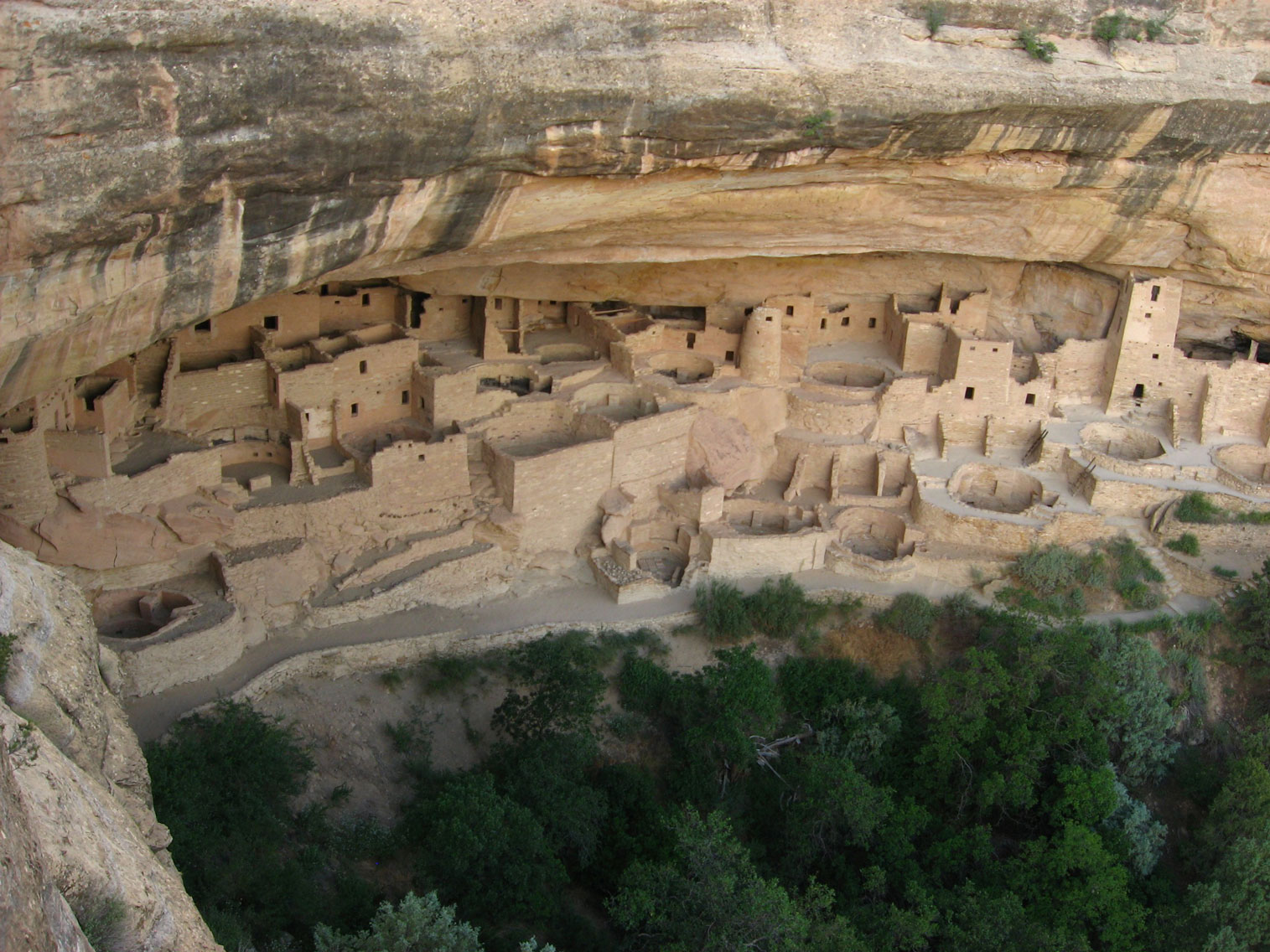
Cliff Palace, Mesa Verde National Park
Ken Lund from Las Vegas, Nevada, USA, CC BY-SA 2.0, via Wikimedia Commons; Image Size Adjusted

National Parks
- Black Canyon of the GunnisonRating:
- Great Sand DunesRating:
- Mesa VerdeRating:
- Rocky MountainRating:
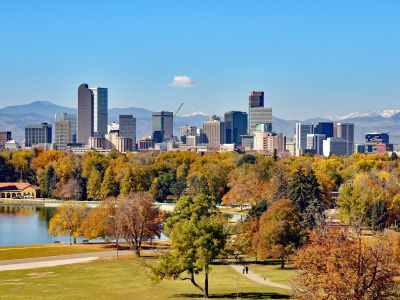
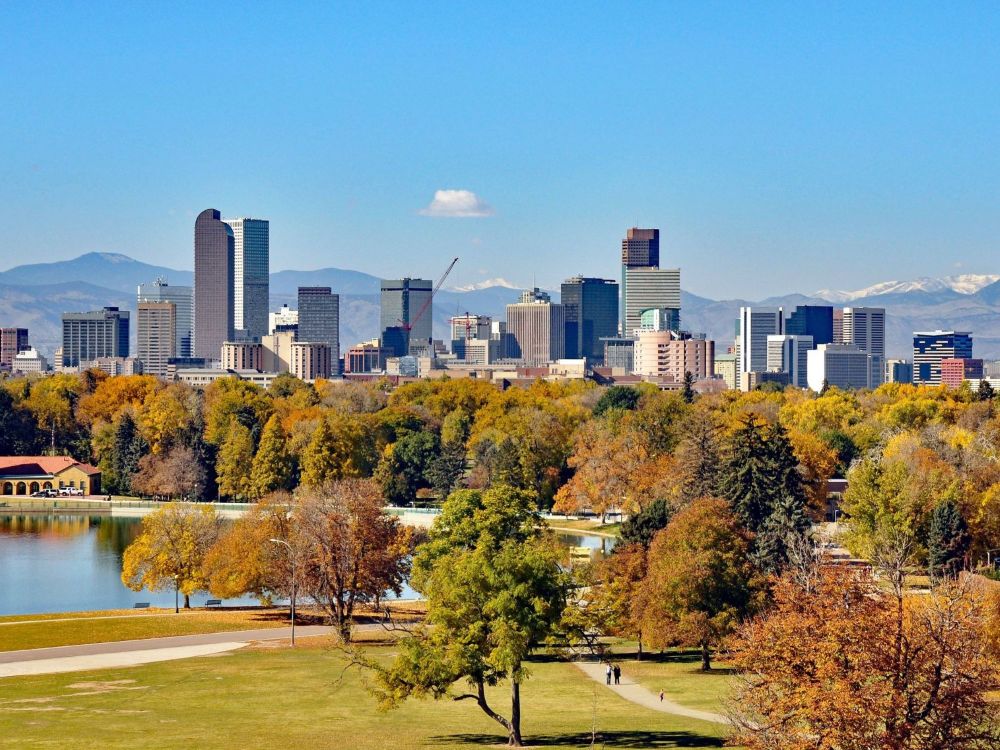
DenverRating:
Capital and most populous city of the state of Colorado located just east of the Front Range of the Rocky Mountains nicknamed the Mile High City because its official elevation is exactly one mile
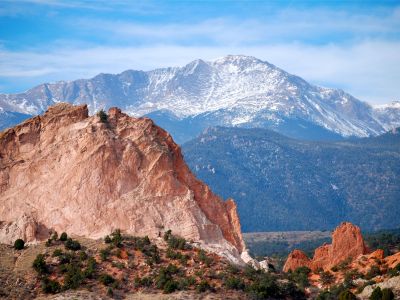
Colorado SpringsRating:
Capital and most populous city of the state of Colorado located just east of the Front Range of the Rocky Mountains nicknamed the Mile High City because its official elevation is exactly one mile
Telluride, CO
Woody Hibbard, CC BY 2.0, via Wikimedia Commons; Image Size Adjusted

Cities: Central Colorado
- AspenRating:
- BreckenridgeRating:
- Copper MountainRating:
- Crested ButteRating:
- Estes ParkRating:
- FriscoRating:
- Glenwood SpringsRating:
- Idaho SpringsRating:
- Snowmass VillageRating:
- Steamboat SpringsRating:
- VailRating:
Telluride, CO
Woody Hibbard, CC BY 2.0, via Wikimedia Commons; Image Size Adjusted
Cities: San Juan Mountains
- DurangoRating:
- OurayRating:
- Pagosa SpringsRating:
- SilvertonRating:
- TellurideRating:
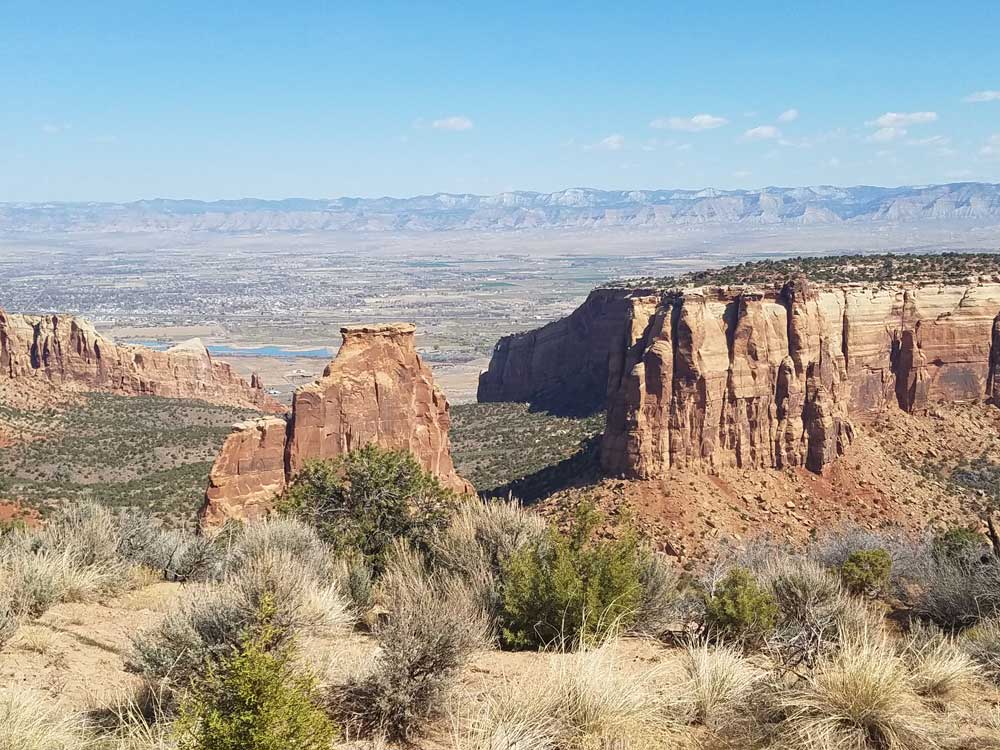
Colorado National Monument
National Monuments
- Canyons of the AncientsRating:
- Chimney RockRating:
- Colorado National MonumentRating:
- Florissant Fossil BedsRating:
- HovenweepRating:
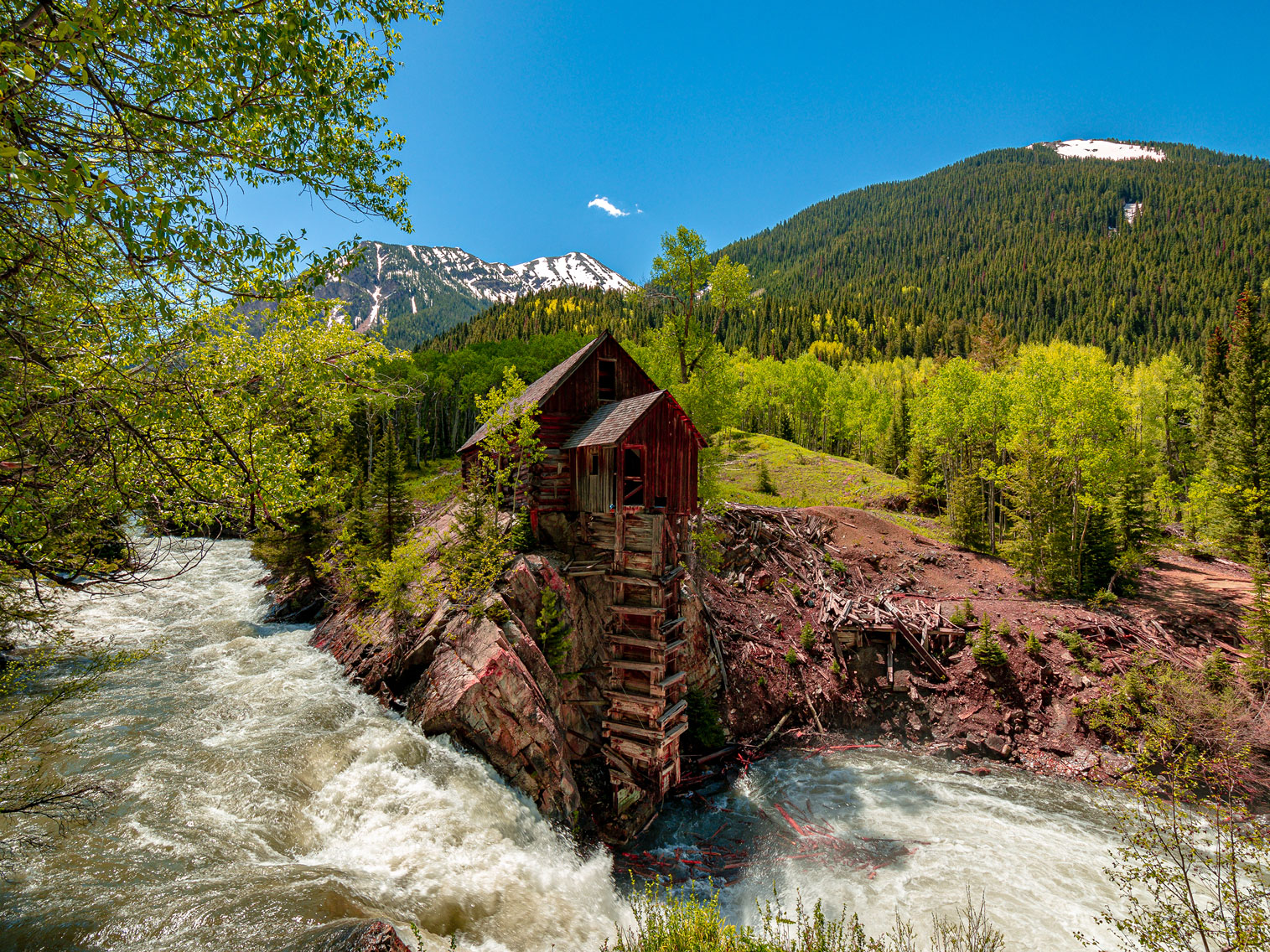
Crystal Mill
JahnyBravo, CC BY-SA 4.0, via Wikimedia Commons; Image Size Adjusted

Landmarks and Landscapes
- Crystal MillRating:
- Devils CausewayRating:
- Durango and Silverton Narrow Gauge RailroadRating:
- Hanging LakeRating:
- Independence PassRating:
- San Juan Skyway / Million Dollar HighwayRating:
- Paint Mines Interpretive ParkRating:
- Pawnee ButtesRating:
- Rifle Falls State ParkRating:
- Royal Gorge Bridge and ParkRating:
- Treasure FallsRating:
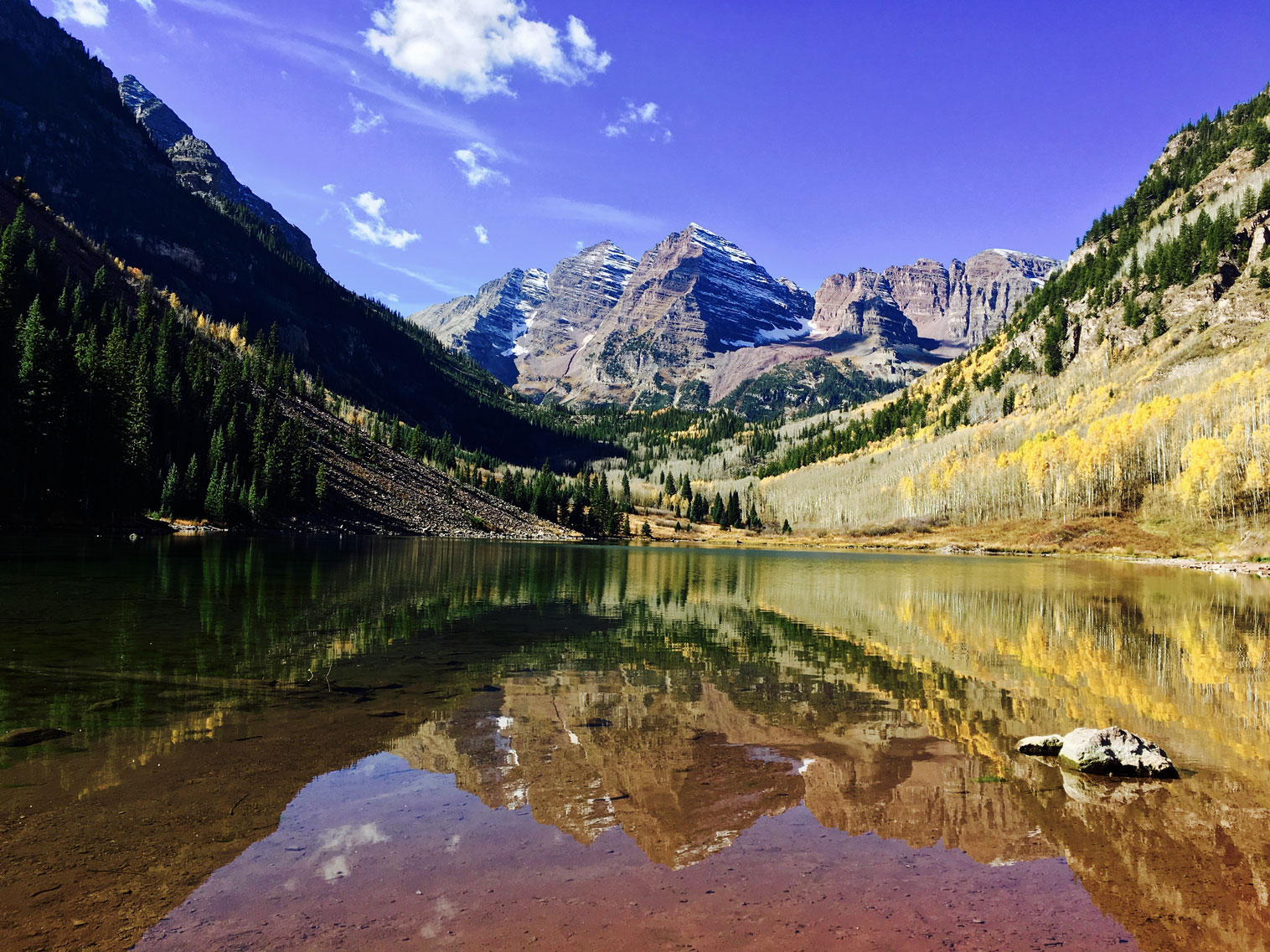
Maroon Bells
RyanFSpack, CC0, via Wikimedia Commons; Image Size Adjusted

Colorado 14er Mountains
- Grays and Torreys PeakRating:
- Maroon BellsRating:
- Mount BierstadtRating:
- Mount Blue SkyRating:
- Mount ElbertRating:
- Mount ShermanRating:
- Mount SneffelsRating:
- Quandary PeakRating:
- San Juan MountainsRating:
Overview
Colorado is a Rocky Mountain state of about 5.9 million people, with the highest average elevation in the U.S. and 58 peaks over 14,000 feet. Denver, the "Mile High City," is the capital and largest city, and the "Centennial State" became the 38th state on August 1, 1876, 100 years after the Declaration of Independence.
Visitors come to ski at Aspen, Vail, Breckenridge, and Telluride, to hike the Rocky Mountains and high peaks, and to see the ancient cliff dwellings of Mesa Verde. Others come to ride the Durango and Silverton Narrow Gauge Railroad, drive the Million Dollar Highway, soak in Glenwood Springs, and see fall aspens.
Geography
Colorado is divided into three regions. The Great Plains cover the eastern third, with high, flat grasslands, the Rocky Mountains rise in the center with the Continental Divide, and the Western Slope has canyons, mesas, and desert plateaus. Mount Elbert, at 14,440 feet (4,401 m), is the highest peak in the Rockies. The headwaters of the Colorado, Arkansas, Rio Grande, and Platte Rivers are here, and the state has the largest alpine tundra in the lower 48.
History
Ancestral Puebloans built cliff dwellings at Mesa Verde, and the Ute, Arapaho, Cheyenne, and Comanche lived in the region when Spanish explorers arrived. Most of the east came to the U.S. in the Louisiana Purchase, and the Pikes Peak Gold Rush of 1858 brought tens of thousands of prospectors. Colorado Territory was created in 1861, silver booms built towns such as Leadville, Aspen, and Silverton, and the railroad opened the mountains. After World War II, skiing became a major industry, with Aspen opening in 1946 and Vail in 1962.
The Rocky Mountains
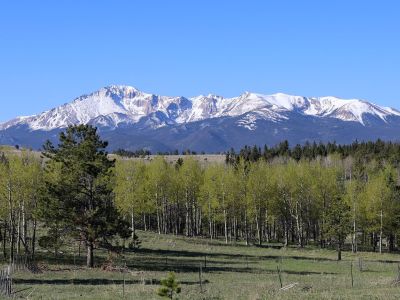
The Rocky Mountains run through the center of Colorado from north to south, and the state has the highest average elevation in the country, with more than 1,000 peaks above 10,000 feet. The Continental Divide, which separates waters flowing to the Pacific from those flowing to the Atlantic, crosses the state, and its ranges include the Front Range, the Sawatch Range, the Elk Mountains, the Sangre de Cristo Mountains, and the San Juan Mountains. Rocky Mountain National Park is the best place to experience the range, with Trail Ridge Road, the highest continuous paved road in the country at 12,183 feet, alpine tundra, Bear Lake, Longs Peak, and herds of elk. Pikes Peak, Independence Pass, and the San Juan Mountains offer scenic drives, and Estes Park is the gateway to the park. High-elevation roads are often closed by snow from late fall to May, and altitude sickness is common among visitors who arrive from lower elevations.
Colorado Mountain Towns
Colorado's mountain towns are a mix of old mining camps and world-class ski resorts. Aspen, a former silver-mining town in the Elk Mountains, is known for glamorous skiing at four mountains, the Aspen Music Festival, and the nearby Maroon Bells. Vail, built in the 1960s as a Tyrolean-style village, has one of the largest single-mountain ski resorts in the country, and Breckenridge, Crested Butte, Steamboat Springs, Snowmass, Copper Mountain, and Frisco offer skiing, snowboarding, and hiking. Historic mining towns such as Leadville, the highest incorporated city in the U.S. at 10,152 feet, and Georgetown and Idaho Springs keep their Victorian architecture. Glenwood Springs has the world's largest hot springs pool, and in summer these towns offer hiking, mountain biking, rafting, music festivals, and cooler temperatures than Denver. Lodging is expensive in the winter holiday season.
Colorado Fourteeners
Colorado has 58 mountains that rise above 14,000 feet, known as "fourteeners," more than any other state, and climbing them is a popular challenge. The tallest is Mount Elbert, at 14,440 feet, the highest peak in the Rocky Mountains, and others include Quandary Peak, near Breckenridge, Grays and Torreys Peaks, which can be climbed in one day, Mount Bierstadt, Mount Sherman, Mount Blue Sky (formerly Mount Evans), Mount Sneffels, and Longs Peak, a classic and difficult climb. Pikes Peak can be reached by road or the Cog Railway. Hikers should start early to avoid afternoon lightning storms, carry layers, water, and a map, and acclimatize to the altitude. Most climbs take 6 to 10 hours round trip, and the best season is typically late June to September. See the Colorado fourteeners page for the full list.
Southwest Colorado
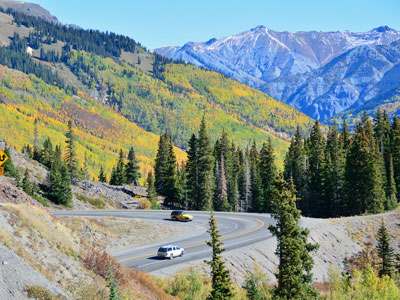
Southwest Colorado is a region of dramatic mountains, canyons, and Native American history. The San Juan Mountains hold the old mining towns of Telluride, set in a box canyon beneath Bridal Veil Falls, Ouray, the "Switzerland of America," with its hot springs and ice climbing, and Silverton, a National Historic Landmark District. The Million Dollar Highway between Ouray and Silverton is one of the most dramatic drives in the country, with steep drop-offs and no guardrails. Durango, a lively college town on the Animas River, is the base for the Durango and Silverton Narrow Gauge Railroad, a coal-fired steam train that has run since 1882. Pagosa Springs has the world's deepest geothermal hot spring. Cortez is the gateway to Mesa Verde, Canyons of the Ancients, and Hovenweep, with thousands of Ancestral Puebloan sites, and the Four Corners monument is nearby. The region is best visited from late spring to fall, though many roads are closed by snow in winter.
Colorado's Four National Parks
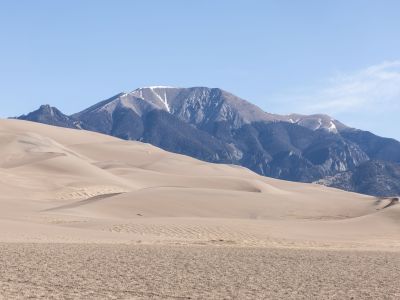
Colorado has four national parks. Rocky Mountain National Park, established in 1915, covers 415 square miles of the Front Range with alpine lakes, tundra, and peaks, and it requires a timed-entry reservation in summer. Mesa Verde National Park protects more than 5,000 archaeological sites, including 600 cliff dwellings built by Ancestral Puebloans, with Cliff Palace and Balcony House as highlights, and it was designated a World Heritage Site. Great Sand Dunes National Park has the tallest sand dunes in North America, rising 750 feet, with Medano Creek flowing at their base in spring and early summer. Black Canyon of the Gunnison National Park has a narrow, dark gorge up to 2,700 feet deep with the Painted Wall, the tallest cliff in Colorado at 2,250 feet. Each can be seen in a day, though driving between them takes several hours.
Denver
Denver, the "Mile High City," is the capital and largest city of Colorado, located where the Great Plains meet the Rocky Mountains at an elevation of exactly 5,280 feet. It was founded as a gold-rush town in 1858, and today it has a metro population of about 3 million. The State Capitol has a gold dome and a step marked at one mile above sea level. Downtown has the 16th Street Mall, Larimer Square, and Union Station, and the cultural attractions include the Denver Art Museum, the Clyfford Still Museum, the Denver Museum of Nature & Science, and the Denver Botanic Gardens. The Red Rocks Park and Amphitheatre, an outdoor concert venue among sandstone formations, is a short drive from downtown. Denver has a strong craft-beer scene, sunny weather, more than 300 days of sun a year, and sports teams including the Broncos, Nuggets, Avalanche, and Rockies.
Colorado Springs
Colorado Springs, about 70 miles south of Denver at the foot of Pikes Peak, is the state's second largest city and a center for the military and Olympic sports. The 14,115-foot mountain, which inspired "America the Beautiful," can be reached by the Pikes Peak Highway or the Cog Railway. The red sandstone formations of Garden of the Gods are a free city park and National Natural Landmark, and nearby Manitou Springs has mineral springs, the Cave of the Winds, and the Manitou Incline, a steep stair climb. Seven Falls, the Broadmoor resort, the U.S. Olympic and Paralympic Museum, the Air Force Academy, and the Colorado Springs Pioneers Museum are other draws. Visitors can also see the Royal Gorge and Florissant Fossil Beds within about an hour.
National Protected Areas
Colorado has four national parks: Rocky Mountain, Mesa Verde, Great Sand Dunes, and Black Canyon of the Gunnison. National monuments include Colorado National Monument, Dinosaur National Monument, Florissant Fossil Beds, Hovenweep, Canyons of the Ancients, and Chimney Rock. Bent's Old Fort and Sand Creek Massacre National Historic Sites and Curecanti National Recreation Area are also in the state.
State Parks and Historic Sites
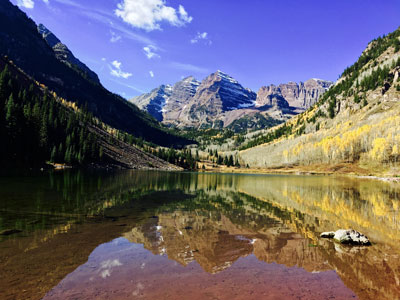
Colorado has about 40 state parks. Rifle Falls has a triple waterfall, Eldorado Canyon is a climbing destination near Boulder, and Cheyenne Mountain overlooks Colorado Springs. Royal Gorge Bridge and Park has a suspension bridge 956 feet above the Arkansas River, Hanging Lake is a travertine lake in Glenwood Canyon, and the Maroon Bells near Aspen are among the most photographed peaks in North America. Crystal Mill and Pawnee Buttes are other scenic stops.
Seasons and When to Visit
Winter is the main season for skiing, from late November through April, and summer is the best time for hiking, camping, rafting, and 14,000-foot peaks, though afternoon thunderstorms are common. Fall is a favorite, with golden aspens in late September, and spring brings runoff and "mud season" in the high country. High-elevation roads such as Trail Ridge Road and Independence Pass usually close from late fall until late May, and altitude sickness can affect visitors.
This article uses material from the Wikipedia article "Colorado", which is released under the Creative Commons Attribution-Share-Alike License 3.0. Additional information was drawn from National Park Service, Colorado Parks and Wildlife, and Colorado Tourism Office.