Texas Travel Guide
Explore vibrant Austin, historic San Antonio's Alamo, and Houston's space history, plus Texas' vast plains, canyons, and Gulf Coast beaches.

Texas Map
Places to See in Texas
View from Reunion Tower
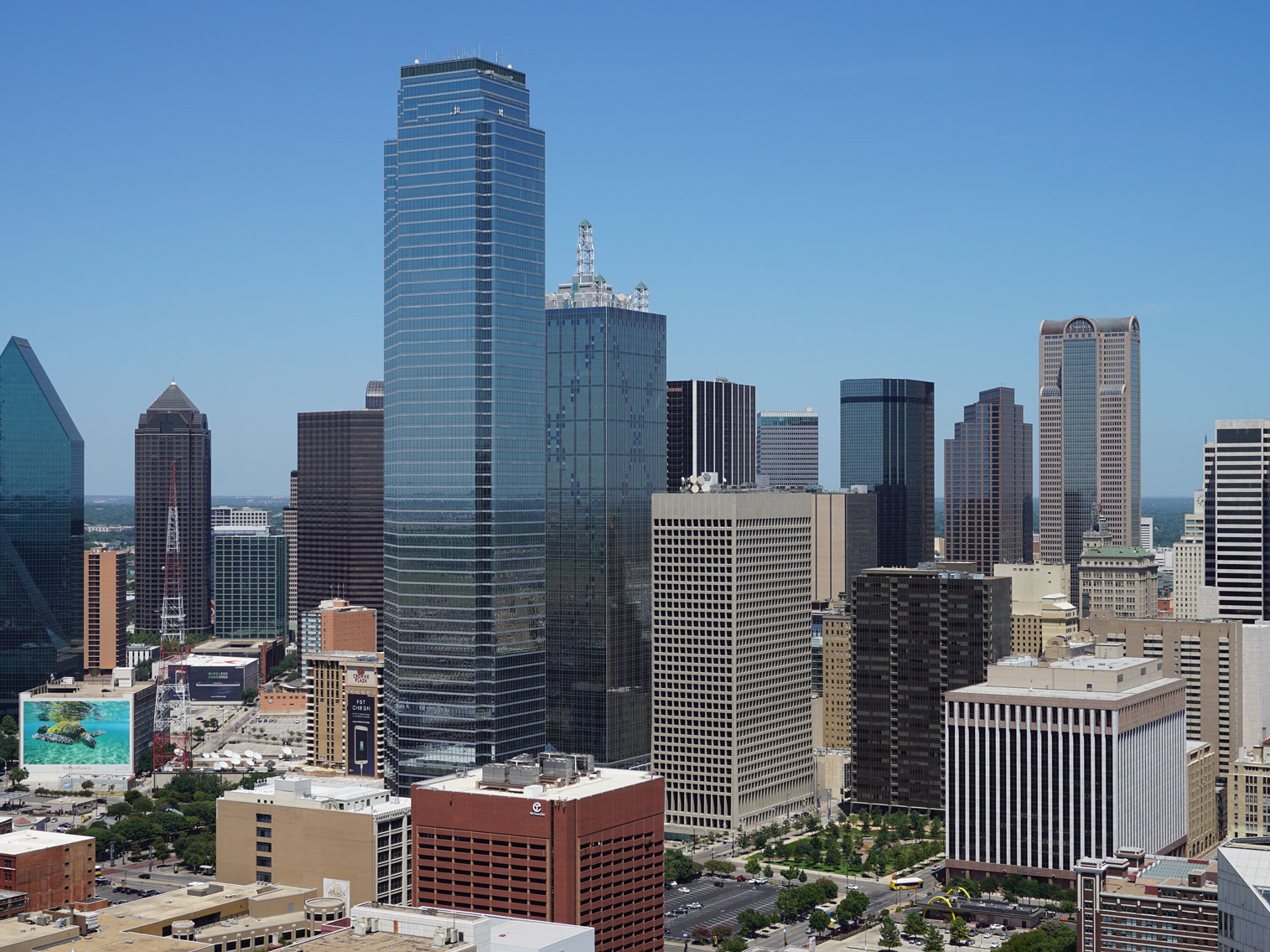
Dallas
Cities
- AustinRating:
- DallasRating:
- Corpus ChristiRating:
- El PasoRating:
- Fort WorthRating:
- GalvestonRating:
- HoustonRating:
- LubbockRating:
- MarfaRating:
- San AntonioRating:
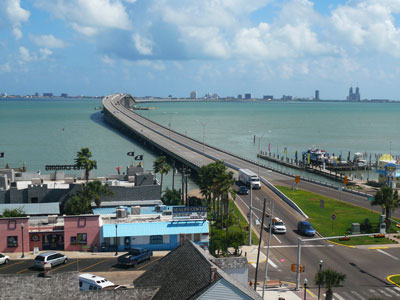
- South Padre IslandRating:
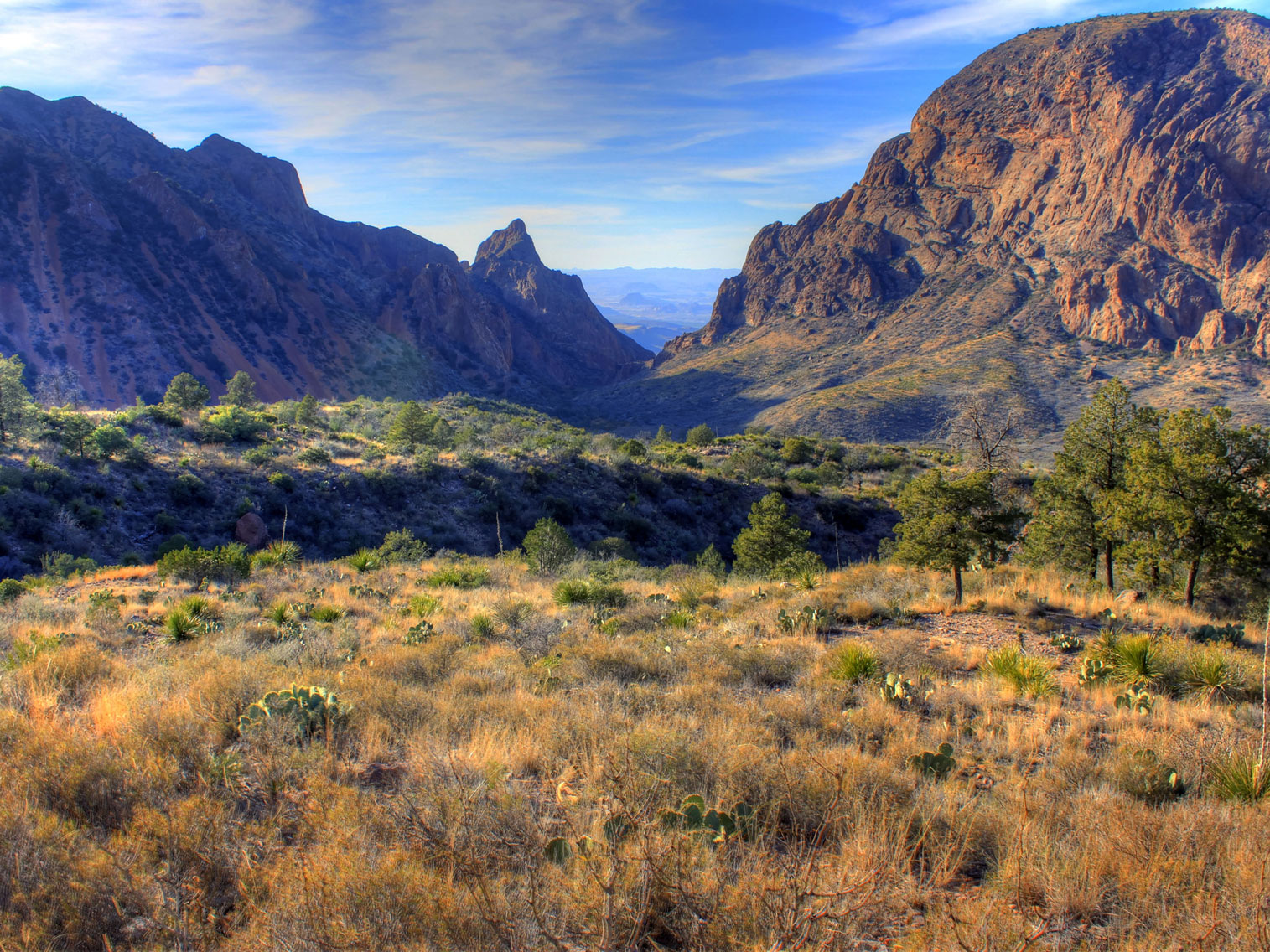
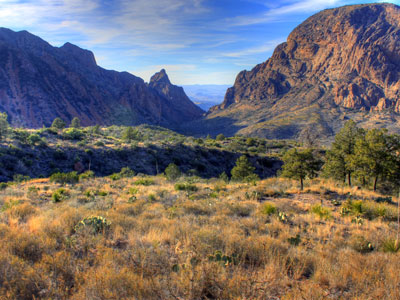
Big Bend National ParkRating:
Largest protected area of Chihuahuan Desert topography and ecology in the United States, and was named after a large bend in the Rio Grande/Río Bravo
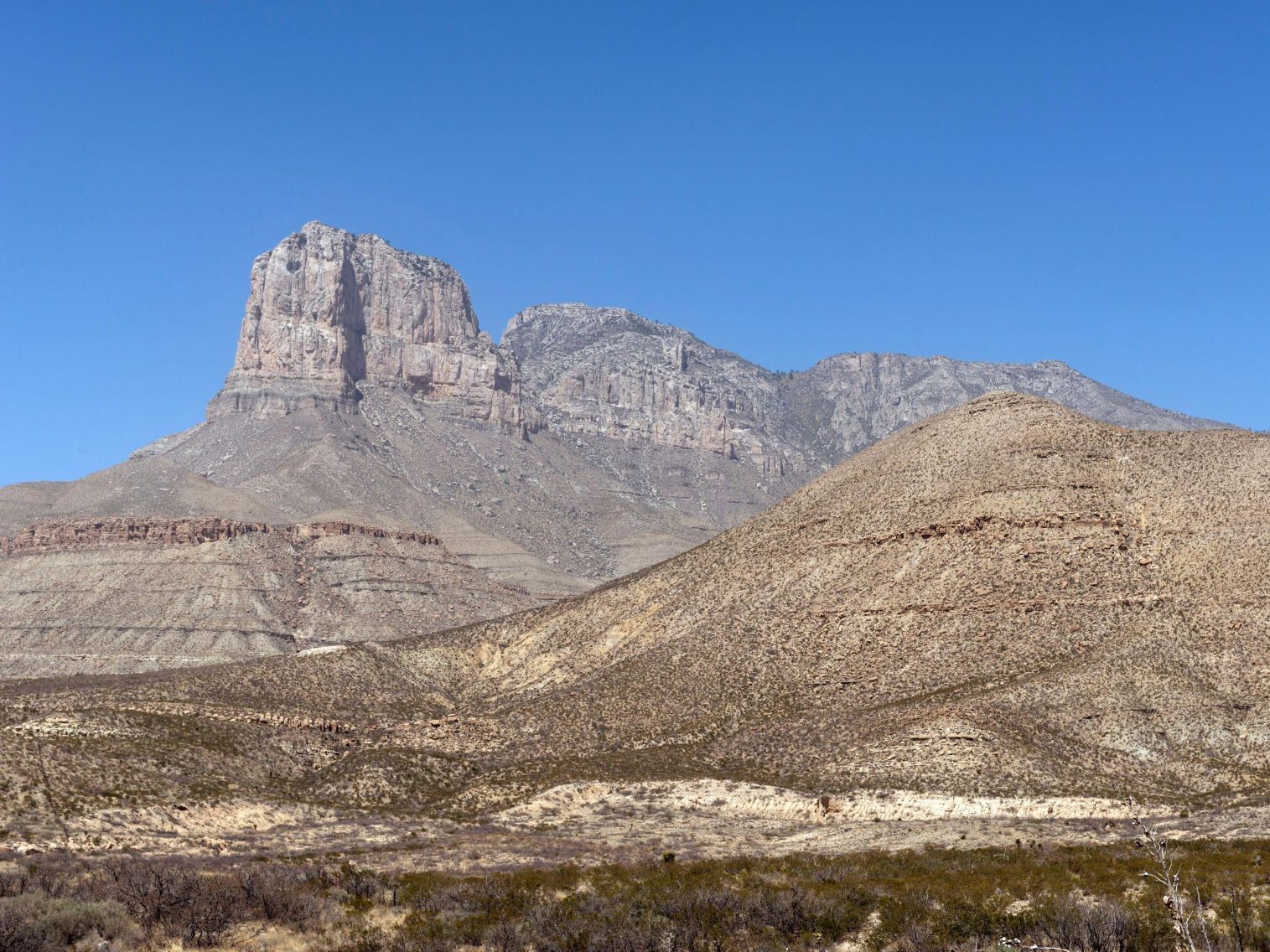
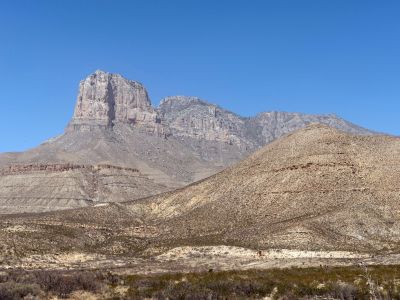
Guadalupe Mountains National ParkRating:
National park in the Guadalupe Mountains, east of El Paso, and includes Guadalupe Peak, the highest point in Texas, and El Capitan used as a landmark by travelers on the route later followed by stagecoach line
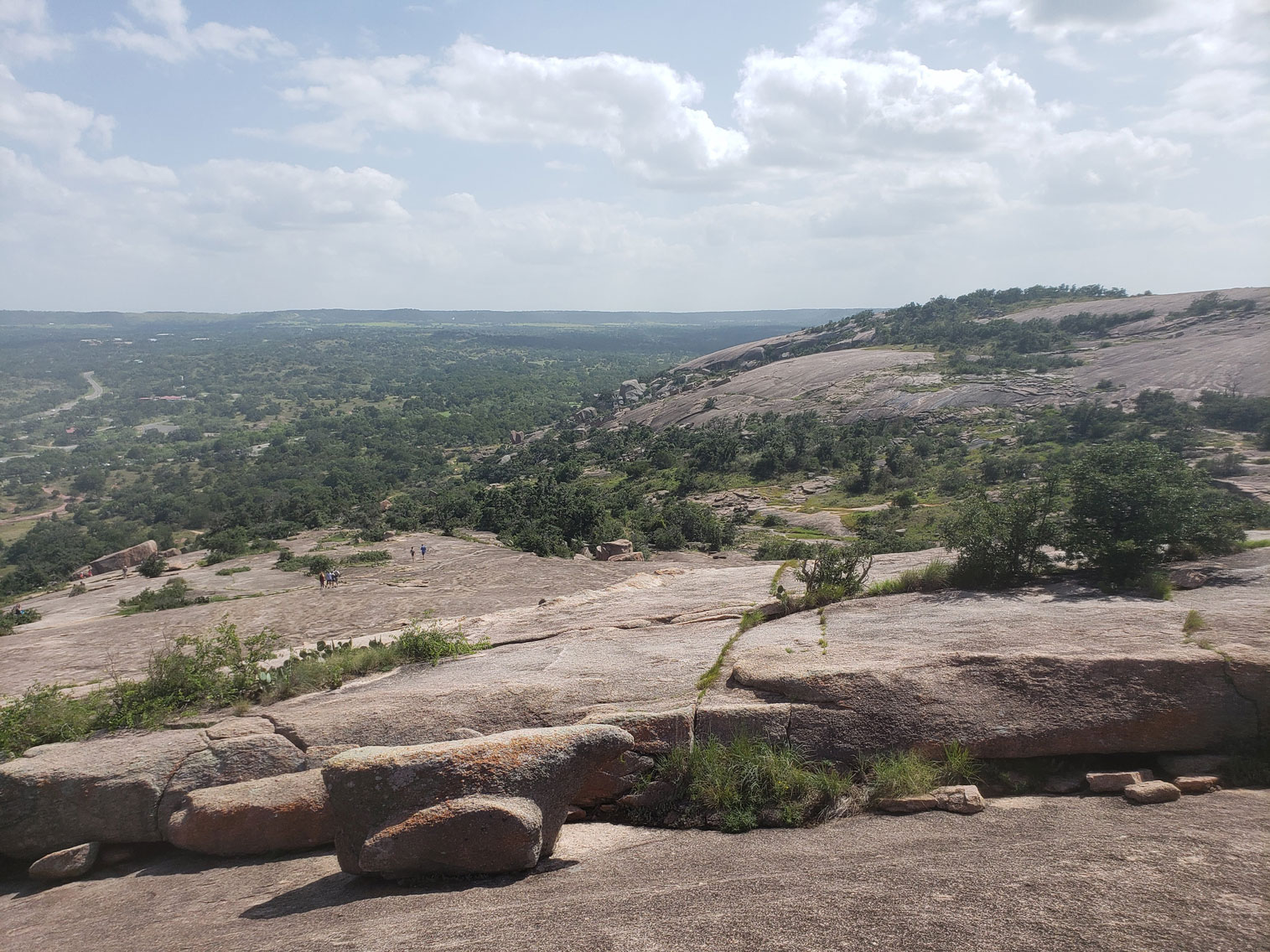
Enchanted Rock State Natural Area
Texas Hill CountryRating:
Geographic region of Central and South Texas, considered the border between the American Southeast and Southwest and is notable for its karst topography and tall rugged hills of limestone or granite
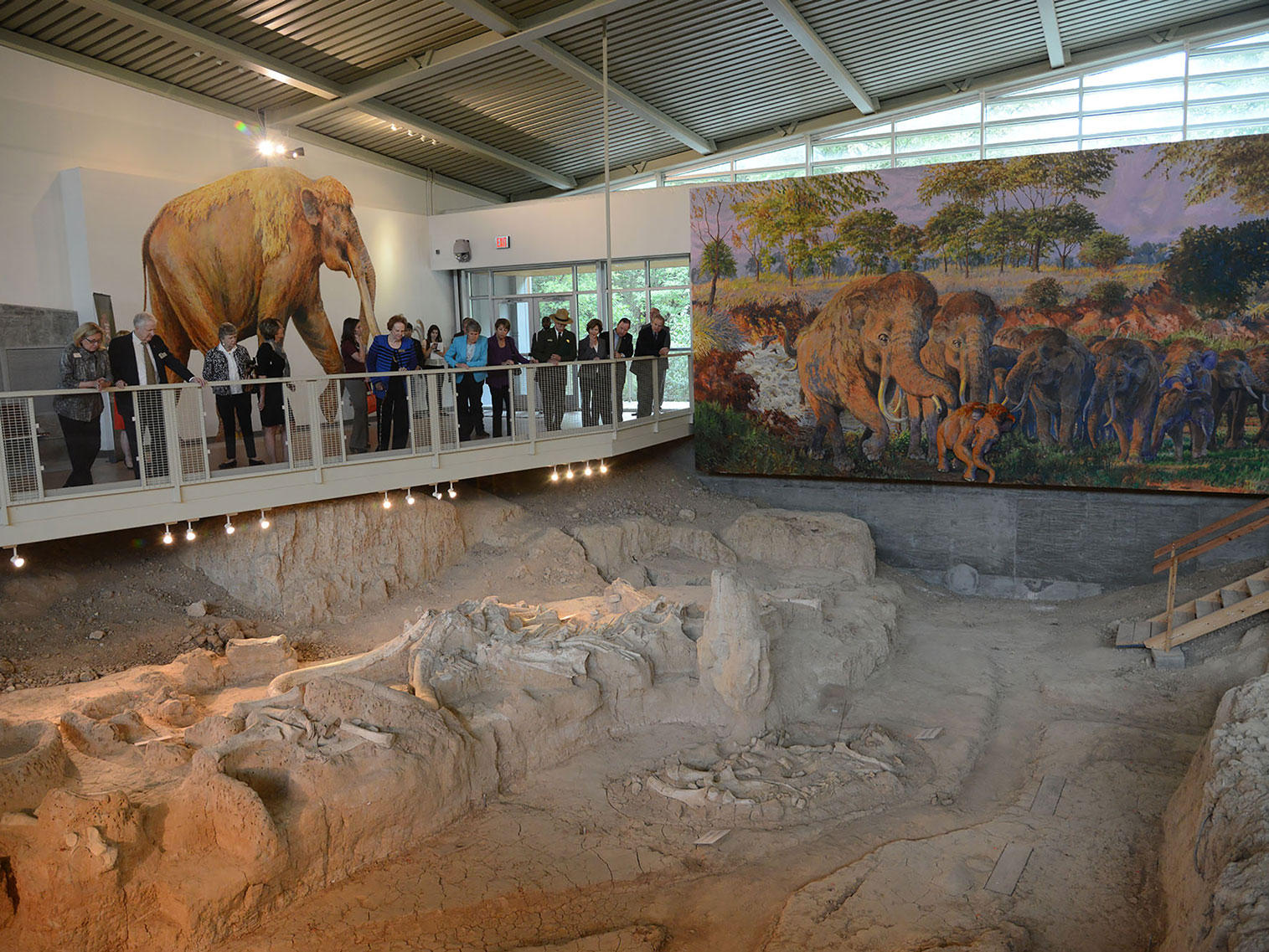
Waco Mammoth National Monument
Waco
National Protected Areas
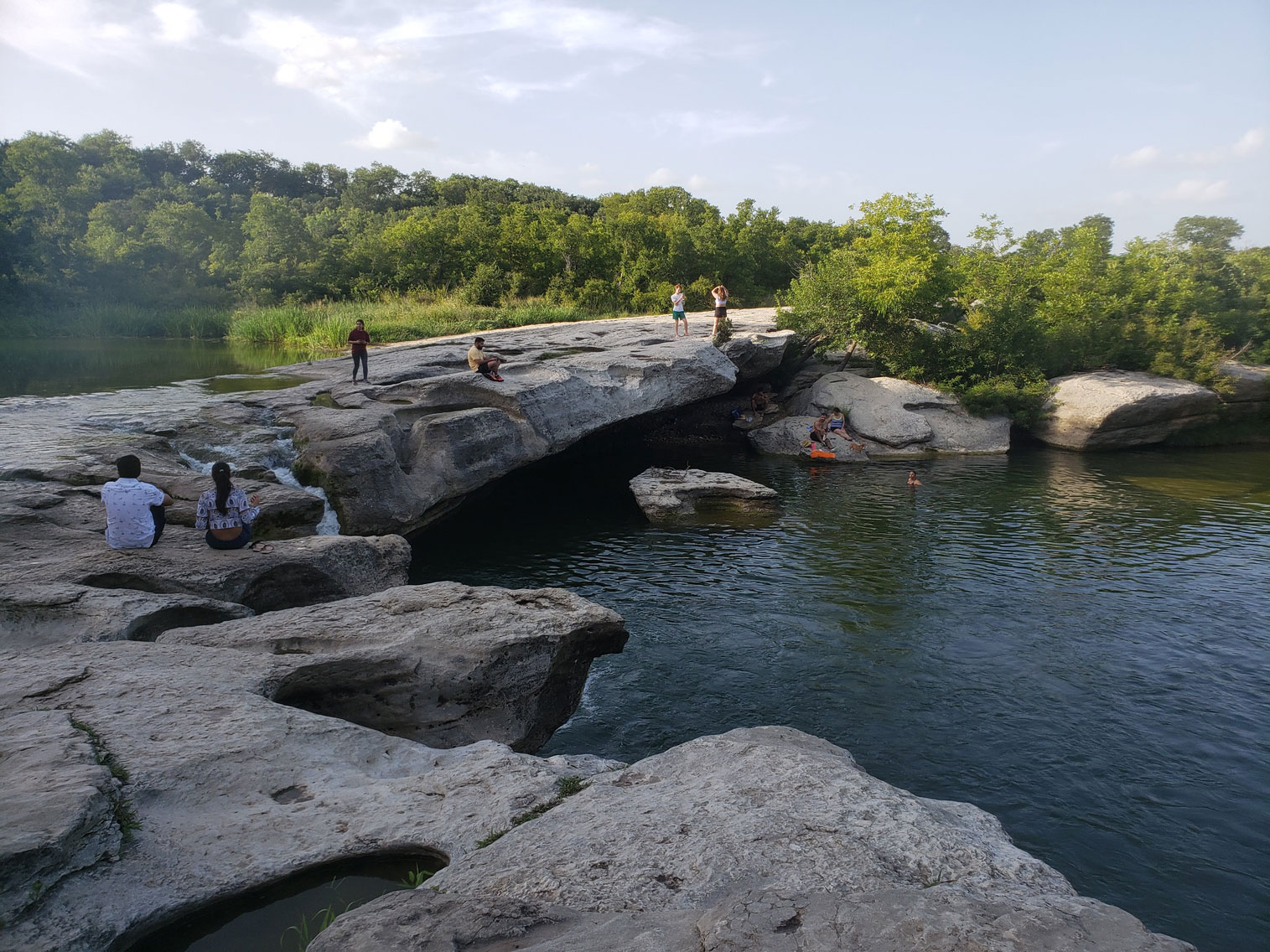
McKinney Falls State Park
Austin
Texas State Parks
- Caddo LakeRating:
- Caprock CanyonsRating:
- Davis MountainsRating:
- Franklin MountainsRating:
- Hueco Tanks State Park and Historic SiteRating:
- Monahans SandhillsRating:
- Palo Duro CanyonRating:
McKinney Falls State Park
Austin
Texas State Parks - Texas Hill Country Area
- Enchanted RockRating:
- GarnerRating:
- Guadalupe RiverRating:
- Lost Maples State Natural AreaRating:
- McKinney FallsRating:
- Pedernales FallsRating:
Overview
Texas is the second-largest state by both area and population, with more than 30 million people, and its size gives it a variety of landscapes and cultures. Austin is the capital, Houston is the largest city, and the state is known for its independent history, cowboy culture, barbecue, and live music.
Visitors come for the cities, including San Antonio and the Alamo, Dallas, Fort Worth, and Austin, and for the beaches of Galveston and South Padre Island. Others come for the Hill Country, the desert mountains of Big Bend, the art town of Marfa, and the state parks.
Geography
Texas spans the Gulf Coastal Plain in the east and south, the Great Plains and the Llano Estacado in the north and west, the Edwards Plateau and Hill Country in the center, and the Chihuahuan Desert and mountains of Trans-Pecos in the far west. Guadalupe Peak, at 8,751 feet (2,667 m), is the highest point, and the Rio Grande forms the border with Mexico. The state has about 370 miles of Gulf coast, pine forests in the east, and some of the country's largest cities along the Texas Triangle.
History
Caddo, Comanche, Apache, Karankawa, and other peoples lived in Texas before Spanish missions and presidios arrived in the 1600s and 1700s. Mexico controlled Texas after 1821, and American settlers led the Texas Revolution in 1836, including the Battle of the Alamo, creating the independent Republic of Texas. Texas joined the United States as the 28th state in 1845 and the Confederacy in 1861. Cattle drives, railroads, and the Spindletop oil discovery in 1901 shaped the 20th century, and Houston's Johnson Space Center became the home of mission control.
East Texas
East Texas is a region of pine forests, lakes, bayous, and small towns, often called the Piney Woods, that feels more like the Deep South than the rest of the state. The Big Thicket National Preserve protects one of the most biologically diverse areas in North America, where pine uplands, cypress swamps, and prairies meet, and Caddo Lake, a mysterious maze of cypress trees draped in Spanish moss on the Louisiana border, is one of the best paddling spots in the state. The region also has a rich oil history: the Spindletop gusher near Beaumont in 1901 launched the Texas oil boom, and the Spindletop-Gladys City Boomtown Museum and the East Texas Oil Museum tell the story. Nacogdoches, the oldest town in Texas, and Jefferson, a Victorian riverport, preserve historic architecture, and the Levi Jordan Plantation and Varner-Hogg Plantation explore the state's plantation past.
Dallas and Fort Worth
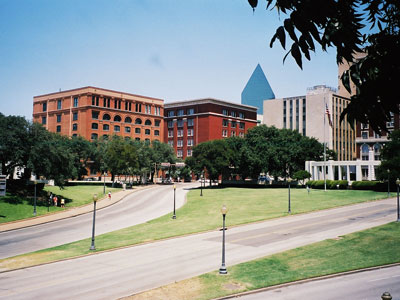
The Dallas-Fort Worth Metroplex is the largest metropolitan area in Texas, with more than 8 million people, and is a center for business, sports, and culture. Dallas is known for the Sixth Floor Museum at Dealey Plaza, which tells the story of President Kennedy's assassination in 1963, the Dallas Museum of Art, the Nasher Sculpture Center, the Perot Museum, and the George W. Bush Presidential Center. Reunion Tower and the Deep Ellum music district round out the city. Fort Worth, "Cowtown," keeps its Western heritage alive in the Stockyards National Historic District, with twice-daily cattle drives, rodeos, and honky-tonks, and has one of the best museum districts in the country, including the Kimbell, the Amon Carter, and the Modern. The Dallas Cowboys, Texas Rangers, and the State Fair of Texas at Fair Park are other draws.
Houston
Houston is the largest city in Texas and the fourth largest in the United States, a sprawling, diverse metropolis built on oil, energy, and the Port of Houston. Space Center Houston, the visitor center for NASA's Johnson Space Center and the home of Mission Control, is one of its top attractions. The Museum District has the Museum of Fine Arts, the Houston Museum of Natural Science, the Menil Collection, and the Holocaust Museum Houston, and the city has green spaces such as Buffalo Bayou Park, Discovery Green, and Hermann Park. The San Jacinto Battleground marks where Texas won independence in 1836. Houston is known for its food scene, including Tex-Mex, Vietnamese, and Cajun cooking, and for the Astros, Texans, and Rockets, and Galveston is a short drive away.
Austin
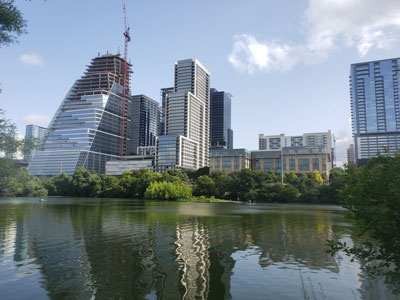
Austin, the state capital, is the "Live Music Capital of the World" and one of the fastest-growing cities in the United States. The Texas State Capitol, taller than the U.S. Capitol, anchors downtown, and the University of Texas campus, which holds the LBJ Presidential Library and the Blanton Museum of Art, is close by. Live music fills Sixth Street, Rainey Street, and clubs like the Broken Spoke, and the city hosts South by Southwest in March and the Austin City Limits Music Festival in the fall. Outdoors, locals swim at Barton Springs Pool, hike the Barton Creek Greenbelt, paddle Lady Bird Lake, and watch the bats emerge from the Congress Avenue Bridge on summer evenings.
San Antonio
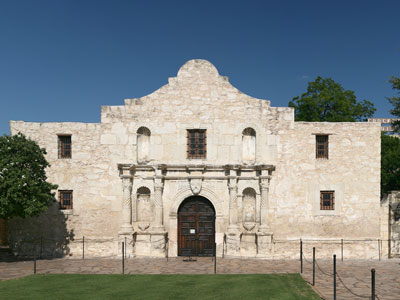
San Antonio is the most visited city in Texas for history and culture, with a Spanish colonial heritage and a strong Mexican American identity. The Alamo, a former mission where Texan defenders fell to Mexican forces in 1836, is the state's most visited historic site, and the River Walk is a shaded riverside path with restaurants, shops, and boat tours. The San Antonio Missions National Historical Park, a UNESCO World Heritage Site, includes four 18th-century Spanish missions: Concepción, San José, San Juan, and Espada. The Spanish Governor's Palace, La Villita, San Fernando Cathedral, and the Tower of the Americas are other highlights, and the city is known for its Tex-Mex cooking, breakfast tacos, and Fiesta each April.
Texas Hill Country
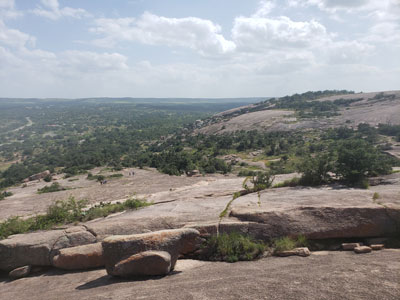
The Texas Hill Country is a region of limestone hills, spring-fed rivers, wineries, and German-heritage towns in the center of the state, west of Austin and San Antonio. Fredericksburg, founded by German settlers in 1846, has a historic Main Street, biergartens, and the nearby National Museum of the Pacific War, and the area is the center of Texas wine country. Visitors swim and float at Garner State Park, Guadalupe River State Park, Jacob's Well, and Hamilton Pool, and hike the granite dome at Enchanted Rock. Pedernales Falls, Lost Maples, the LBJ National Historical Park, and Gruene, with its historic dance hall, add to the draw. Bluebonnets bloom in spring.
West Texas
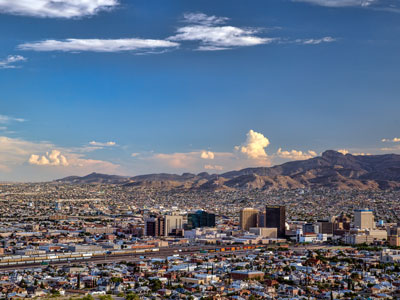
West Texas is a vast region of desert, mountains, and big sky that includes the Chihuahuan Desert and the Trans-Pecos. El Paso, on the Rio Grande across from Ciudad Juárez, has the Franklin Mountains State Park, the largest urban park in the country, the Wyler Aerial Tramway, and Mexican-American food and culture. East of El Paso, Guadalupe Mountains National Park protects Guadalupe Peak, the highest point in Texas at 8,751 feet, and Big Bend National Park covers a huge bend of the Rio Grande with mountains, canyons, and desert. The art town of Marfa is known for Prada Marfa, Donald Judd's minimalist art installations, and the mysterious Marfa Lights, while Fort Davis and Davis Mountains State Park preserve frontier history and cool highlands. Hueco Tanks has rock art and bouldering, and Monahans Sandhills has dunes.
South Texas and the Gulf Coast
South Texas and the Gulf Coast stretch more than 350 miles from the Louisiana border to the Rio Grande Valley, with warm water, barrier islands, and a mix of Texan and Mexican culture. Galveston is a historic island city with the Strand Historic District, the Bishop's Palace, and beaches, and it survived the deadliest natural disaster in U.S. history, the Hurricane of 1900. Corpus Christi has the USS Lexington aircraft carrier museum, the Texas State Aquarium, and the Selena Museum. Padre Island National Seashore is the longest stretch of undeveloped barrier island in the world, with 70 miles of beach where Kemp's ridley sea turtles nest, and South Padre Island is a popular resort for spring break and fishing. Palo Alto Battlefield and Presidio La Bahía in Goliad recall Texas's wars.
The Texas Panhandle and Northern Plains
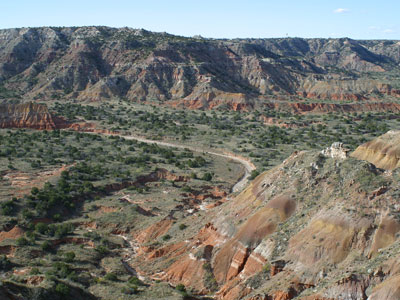
The Texas Panhandle and the South Plains are wide, flat grasslands cut by dramatic canyons, home to ranches, windmills, and Route 66 history. Palo Duro Canyon State Park, the second largest canyon in the United States at 120 miles long and up to 800 feet deep, has red rock walls, hoodoos, and the "Texas" outdoor musical in summer. Caprock Canyons State Park and Trailway has a state bison herd and a long rail-trail, and Alibates Flint Quarries shows prehistoric tool-making. Amarillo is a Route 66 city with Cadillac Ranch, the Big Texan Steak Ranch and its free 72-ounce steak challenge, and the Bug Ranch. Lubbock is the home of Texas Tech University, the Buddy Holly Center honoring the rock 'n' roll pioneer, the National Ranching Heritage Center, and the American Windmill Museum.
Texas Barbecue
Barbecue is central to Texas's identity, and it is typically defined by beef brisket smoked low and slow over post oak for 12 hours or more, with a salt-and-pepper rub and no sauce required. The four major regional styles are Central Texas, which emphasizes meat and simple seasoning, East Texas, which is chopped and sauced, South Texas, which has Mexican influences like barbacoa, and West Texas, which cooks directly over mesquite coals. Pork ribs, sausage links, turkey, and sides such as pinto beans, coleslaw, potato salad, and white bread are standard. Central Texas towns such as Lockhart, Taylor, and Elgin are barbecue pilgrimage sites, and Franklin Barbecue in Austin is one of the most famous restaurants in the country, with lines that can start before dawn. Many pitmasters sell out each day, so visitors should arrive early, and meat is usually sold by the pound on butcher paper.
National Protected Areas
Texas has national park sites ranging from deserts to coastal islands. Big Bend National Park and Guadalupe Mountains National Park protect desert mountains and dark skies, Padre Island National Seashore is the longest undeveloped barrier island in the world, and Big Thicket National Preserve has bayous and forests. Fort Davis preserves a frontier fort, Waco Mammoth and Alibates Flint Quarries protect Ice Age and prehistoric sites, and San Antonio Missions National Historical Park is a World Heritage Site.
State Parks and Historic Sites
Texas has hundreds of state parks and historic sites. Palo Duro Canyon is the second-largest canyon in the country, Caprock Canyons has a herd of bison, and Monahans Sandhills has dunes. In the Hill Country, Enchanted Rock is a granite dome, and Pedernales Falls and Garner are popular for swimming. Caddo Lake has cypress swamps, and San Jacinto Battleground marks the Texas Revolution's final battle.
Seasons and When to Visit
Spring and fall are the best times to visit most of Texas, with bluebonnets and other wildflowers in March and April and comfortable weather in October and November. Summer is hot, though the Hill Country rivers and the Gulf beaches are popular, and Big Bend is best avoided in July and August. Winter is mild in the south and a good time for Big Bend and the Rio Grande Valley, while the Panhandle can be cold. The Houston Livestock Show and Rodeo, South by Southwest, and Austin City Limits draw crowds in the cities.
This article uses material from the Wikipedia article "Texas", which is released under the Creative Commons Attribution-Share-Alike License 3.0. Additional information was drawn from National Park Service, Texas State Parks, and Travel Texas.