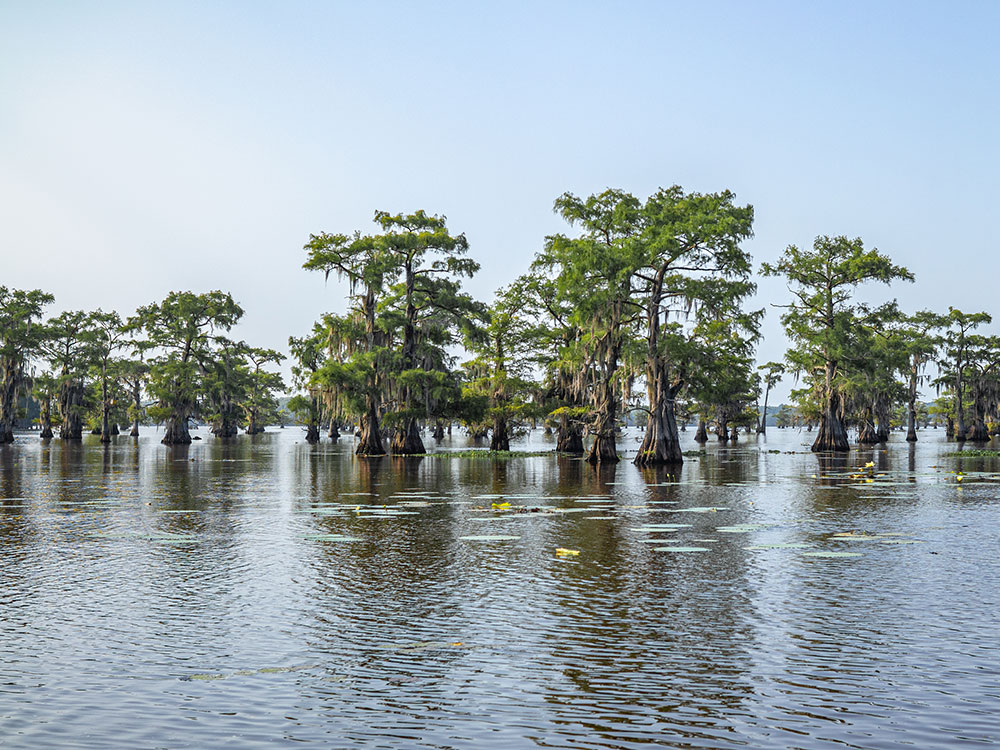
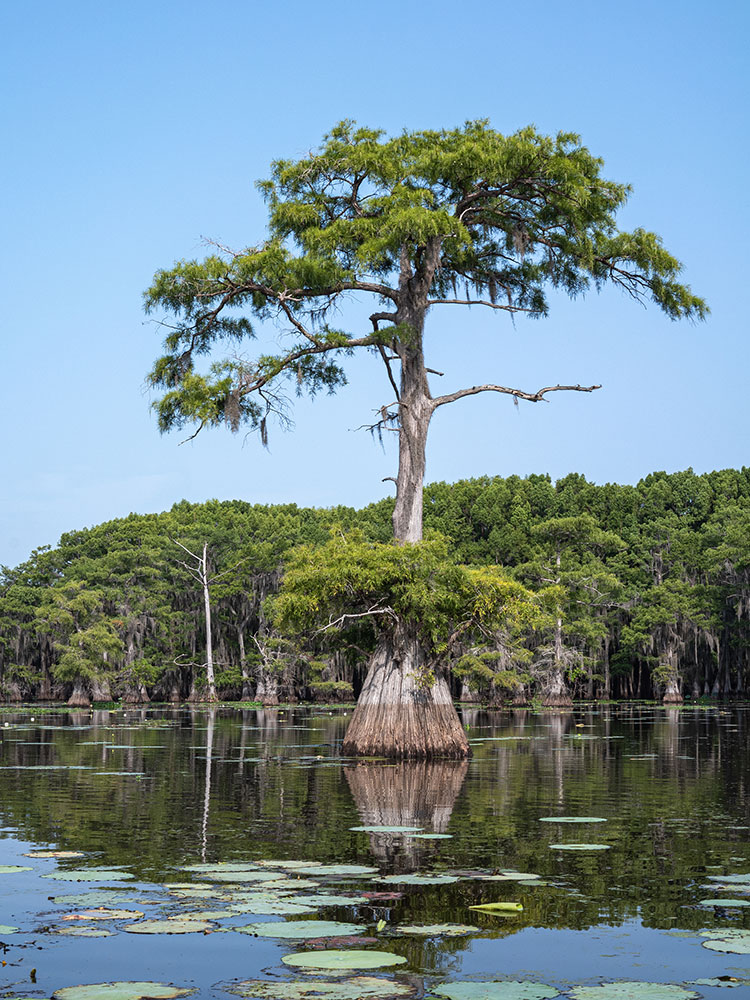
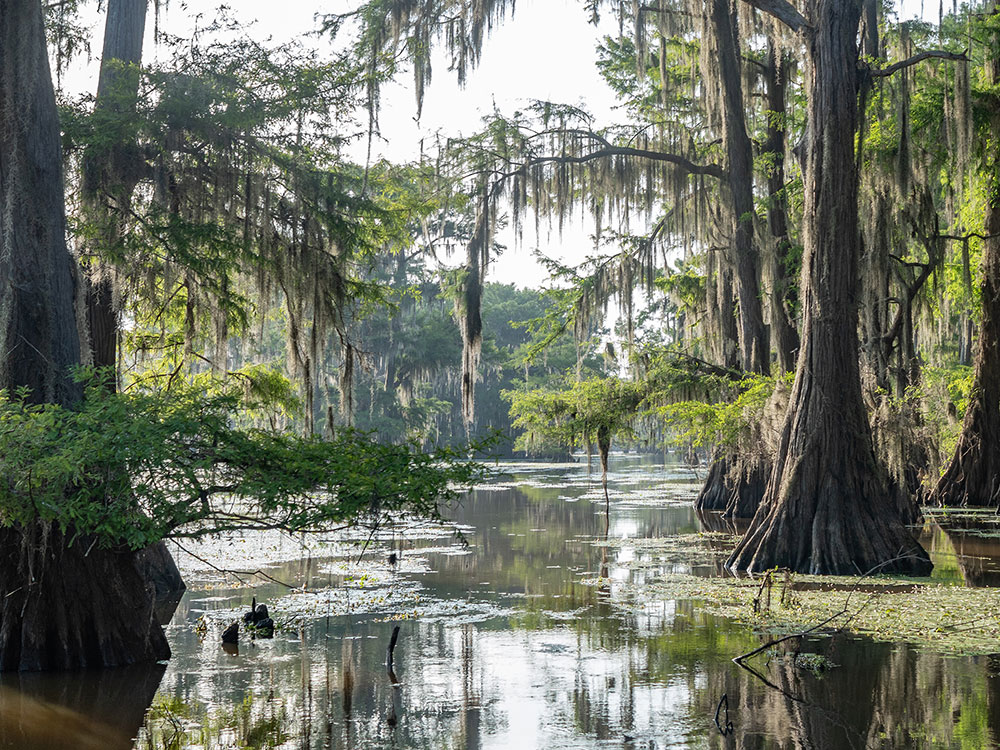
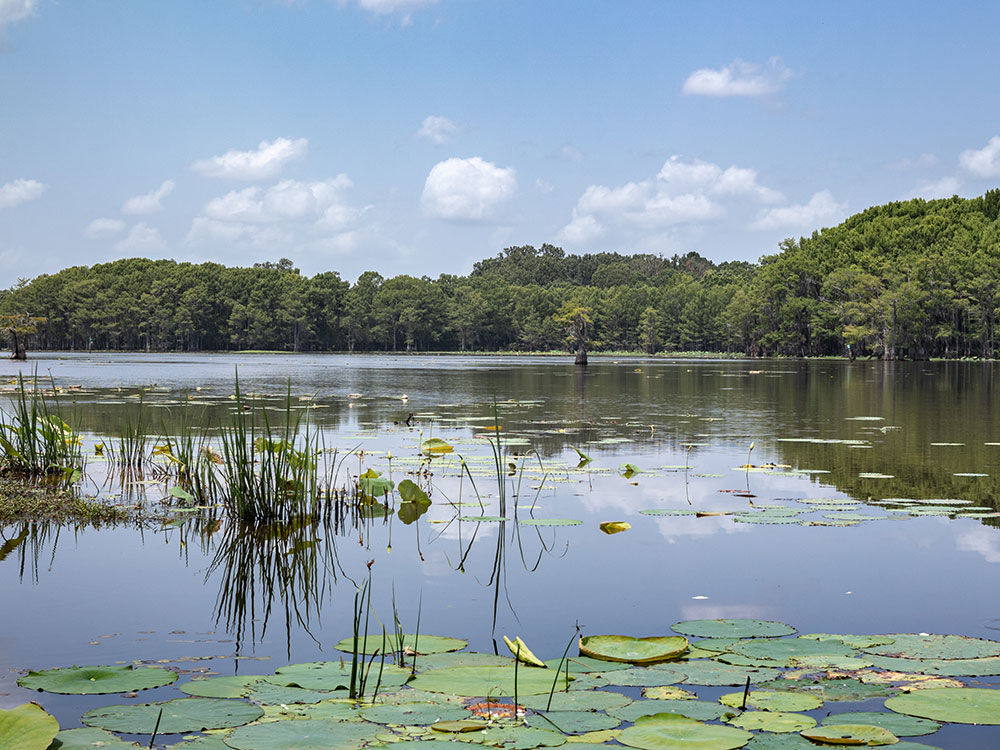
A wetlands park featuring cypress-lined bayous, paddling routes, fishing access, wildlife viewing opportunities, and forested hiking trails.
General Information
Park office: 8:15am to 4:45pm
Park grounds accessible year-round
Children 12 and under: Free
How to Get There
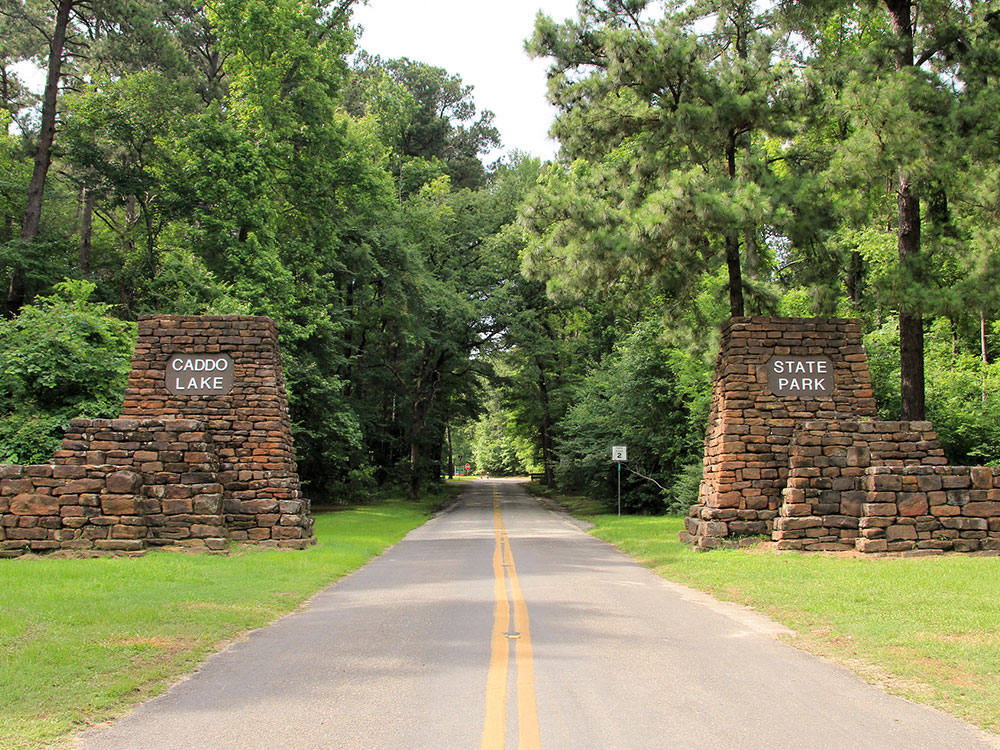
From Marshall (15 mi): Take TX-43 North for approximately 15 miles, turn right onto FM 2198, continue about 0.5 mile, then turn left onto Park Road 2 and follow it to the park entrance.
Caddo Lake State Park is a state park located in the piney woods ecoregion of East Texas. The park consists of 484 acres (196 ha) on Big Cypress Bayou, west of Caddo Lake itself, in Harrison County, near Karnack, Texas. The park opened in 1934 and is managed by the Texas Parks and Wildlife Department. There are two separate units, Caddo Wildlife Management Area and Caddo Lake National Wildlife Refuge, nearby.
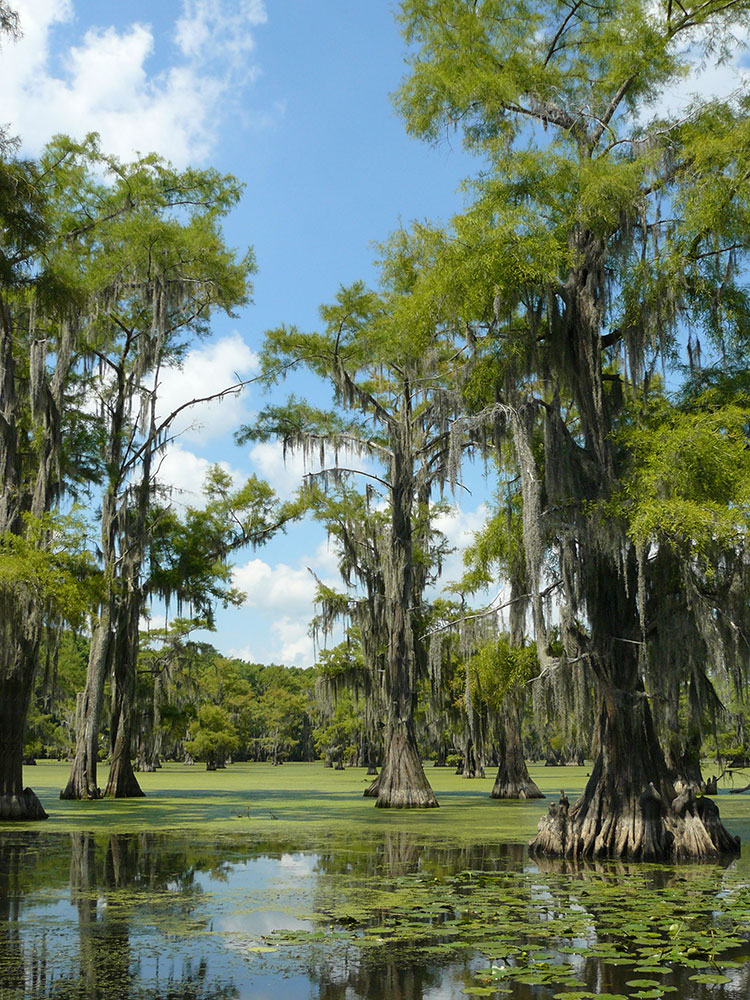
Saw Mill Pond is a shallow bald cypress swamp at the north end of the park. The pond empties into Big Cypress Bayou. The pond is popular for canoeing, kayaking and fishing.
Alligators, Texas river cooters, frogs, snakes, raccoons, mink, coypu, beavers, squirrels, armadillos, and white-tailed deer inhabit the park.
The park hosts many species of migratory birds throughout the year. Permanent residents that are commonly sighted are mourning dove, great blue heron, turkey vulture, black vulture, red-shouldered hawk, barred owl, red-bellied woodpecker, downy woodpecker, pileated woodpecker, blue jay, American crow, fish crow, Carolina chickadee, tufted titmouse, Carolina wren, eastern bluebird, northern mockingbird, red-winged blackbird, pine warbler, and northern cardinal.
Naturalists can enjoy stately cypress trees, loblolly pine, shortleaf pine, American sweetgum, Maple, American beautyberry, giant cane, American pawpaw, American lotus, greenbriar and water lilies.
Things to Do
Paddle Through Cypress Swamps
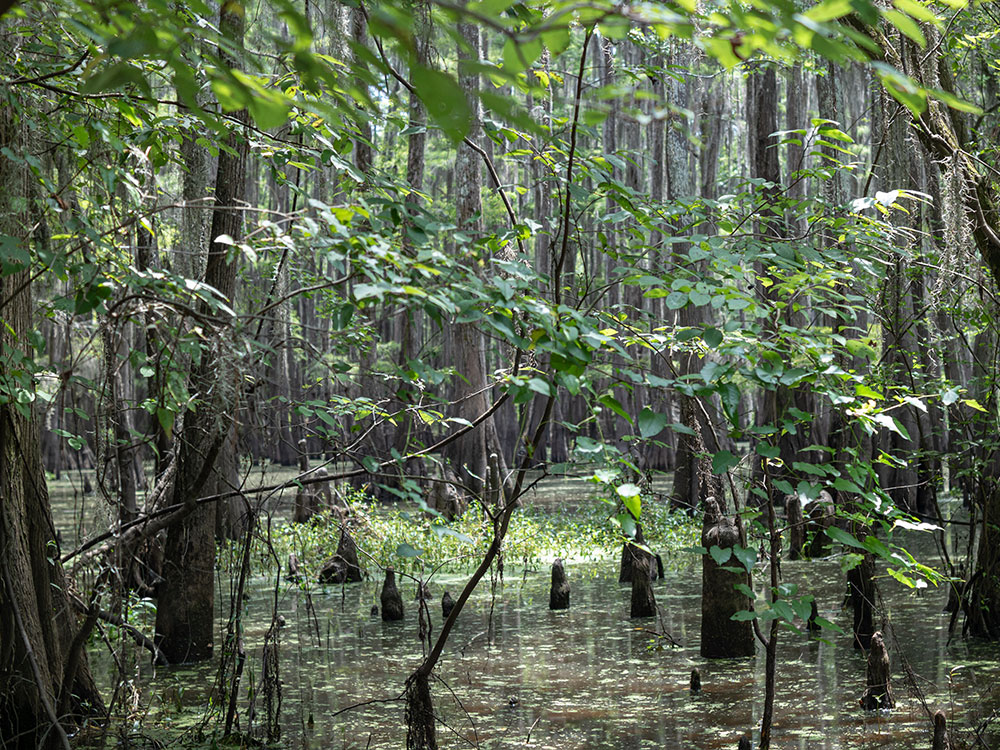
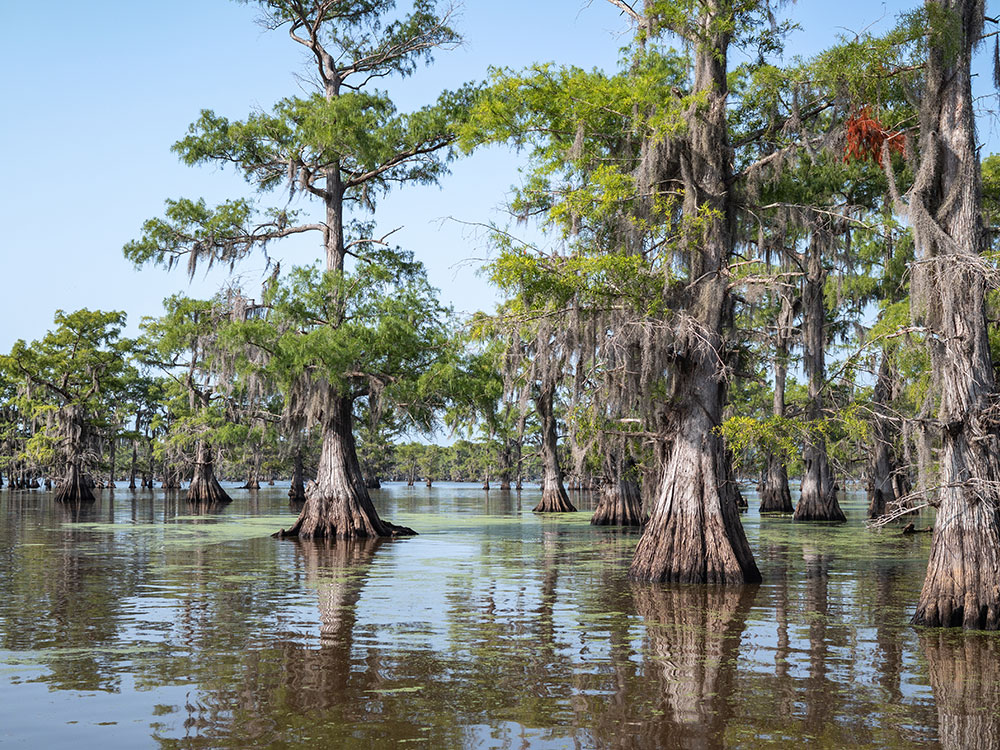
Explore a maze of bayous, sloughs, and waterways lined with bald cypress trees draped in Spanish moss. Bring your own kayak or canoe, or rent one at the park. Popular areas include Saw Mill Pond, Big Cypress Bayou, and the Hell's Half Acre Paddling Trail.
Hike Scenic Forest Trails
Discover East Texas on approximately 2.5 miles of hiking trails that pass through pine forests, wetlands, and hardwood habitats. The Caddo Forest Trail and Pine Ridge Loop Trail are among the most popular routes.
Fish Caddo Lake
Cast a line into one of Texas' premier fishing destinations. More than 70 species of fish live in the lake, including largemouth bass, crappie, catfish, white bass, and sunfish. Visitors may fish from shore without a fishing license inside the state park.
Observe Wildlife
Watch for alligators, turtles, river otters, deer, and numerous bird species. The park's wetlands support a wide variety of wildlife year-round.
Take a Paddling Trail Adventure
Experienced paddlers can follow marked water trails through the lake's flooded cypress forests. Carter's Chute and Hell's Half Acre are among the area's most popular paddling routes.
Photography
Capture one of Texas' most unique landscapes featuring ancient cypress trees, mirror-like waterways, Spanish moss, wildlife, and seasonal colors.
Highlights
Only Natural Lake in Texas
Caddo Lake is widely recognized as the state's largest naturally formed lake and one of its most distinctive ecosystems.
Largest Flooded Cypress Forest in the Region
The lake contains extensive flooded forests of bald cypress trees, creating one of the most iconic landscapes in Texas.
Historic and Cultural Significance
The area was once home to the Caddo people and later served as an important transportation corridor for steamboats and commerce.
This article uses material from the Wikipedia article "Caddo Lake State Park", which is released under the Creative Commons Attribution-Share-Alike License 3.0