
Texas Hill Country Travel Guide
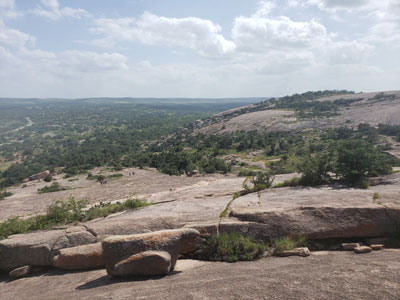
Geographic region of Central and South Texas, considered the border between the American Southeast and Southwest and is notable for its karst topography and tall rugged hills of limestone or granite
Places to See in Texas Hill Country
Jeff P from Berkeley, CA, USA, CC BY 2.0, via Wikimedia Commons; Image Size Adjusted
.jpg)
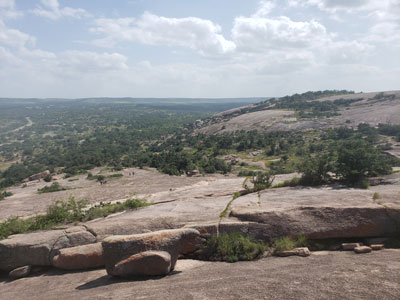
Enchanted Rock State Natural Area
Largest pink granite monadnock in the United States covers roughly 640 acres (260 ha) and rises around 425 feet (130 m) above the surrounding terrain to an elevation of 1,825 feet (556 m) above sea level
Jeff P from Berkeley, CA, USA, CC BY 2.0, via Wikimedia Commons; Image Size Adjusted
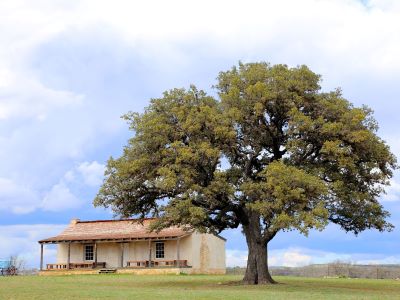
Fort Martin Scott State Historic Site
Military post established in 1848 as the region's first frontier fort built to protect settlers from Native American raids, featuring a reconstructed stone guardhouse and interpretive buildings that bring the antebellum frontier to life.

Jeff P from Berkeley, CA, USA, CC BY 2.0, via Wikimedia Commons; Image Size Adjusted
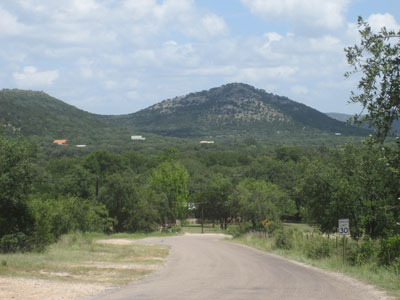
Fredericksburg
German inspired Texas town with Fredericksburg Historic District added to the National Register of Historic Places in Texas
Jeff P from Berkeley, CA, USA, CC BY 2.0, via Wikimedia Commons; Image Size Adjusted
Garner State Park
State park situated along the Frio River offering camping, swimming, tubing, canoeing, kayaking, and hiking amid limestone bluffs and clear cypress-shaded waters.
Jeff P from Berkeley, CA, USA, CC BY 2.0, via Wikimedia Commons; Image Size Adjusted
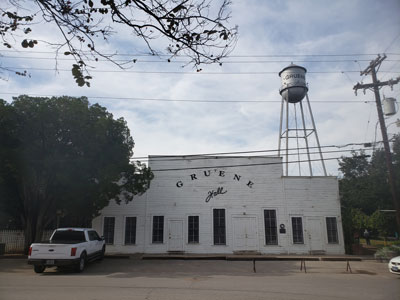
Gruene
Historic district centered on Texas's oldest continually operating dance hall, set along the Guadalupe River within New Braunfels.
Jeff P from Berkeley, CA, USA, CC BY 2.0, via Wikimedia Commons; Image Size Adjusted
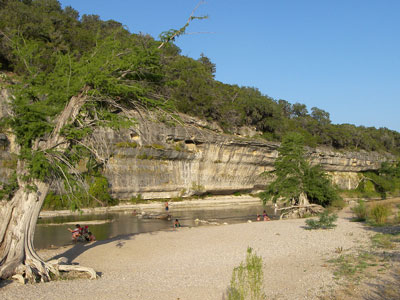
Guadalupe River State Park
Texas state park located on a section of the Guadalupe River with four miles of river frontage for canoeing, fishing, swimming and tubing
Jeff P from Berkeley, CA, USA, CC BY 2.0, via Wikimedia Commons; Image Size Adjusted
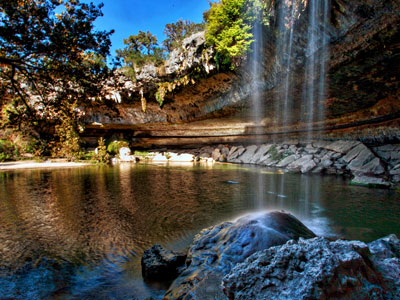
Hamilton Pool Preserve
Natural pool that was created when the dome of an underground river collapsed due to massive erosion thousands of years ago. Habitat featuring a jade green pool into which a 50-foot (15 m) waterfall flows with water temperatures reaching 50 degrees Fahrenheit
Jeff P from Berkeley, CA, USA, CC BY 2.0, via Wikimedia Commons; Image Size Adjusted
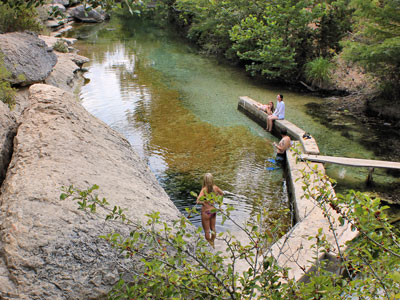
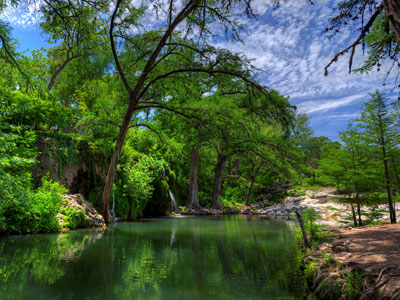
Jacobs Well
Popular local swimming spot where from the opening in the creek bed, Jacob's Well cave descends vertically for about 30 feet (9.1 m), then continues downward finally reaching an average depth of 120 feet (37 m)
Jeff P from Berkeley, CA, USA, CC BY 2.0, via Wikimedia Commons; Image Size Adjusted
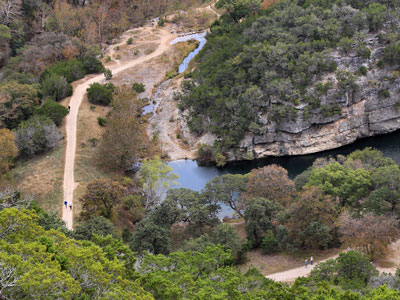
Krause Springs
115-acre (0.47 km2) property has 32 springs, and several feed the man-made pool and the natural pool which flow into Lake Travis
Jeff P from Berkeley, CA, USA, CC BY 2.0, via Wikimedia Commons; Image Size Adjusted
Lost Maples State Natural Area
Large, pristine area of beautiful hills and canyons on the upper Sabinal River in the Edwards Plateau Region of Texas
-400.jpg)
Jeff P from Berkeley, CA, USA, CC BY 2.0, via Wikimedia Commons; Image Size Adjusted
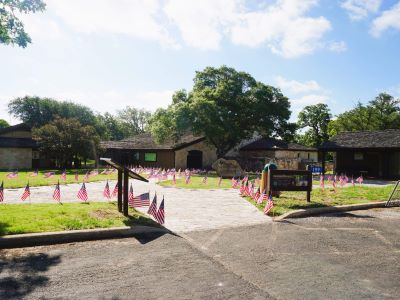
Lyndon B. Johnson National Historical Park
National park preserving the full life story of America's 36th president, spanning two Texas Hill Country districts from his boyhood home to his final resting place at the family ranch.
Jeff P from Berkeley, CA, USA, CC BY 2.0, via Wikimedia Commons; Image Size Adjusted
Lyndon B. Johnson State Park and Historic Site
Texas State Park adjacent to the LBJ Ranch featuring a living history farm, American bison, nature trails, and the visitor gateway for the LBJ National Historical Park.
Jeff P from Berkeley, CA, USA, CC BY 2.0, via Wikimedia Commons; Image Size Adjusted
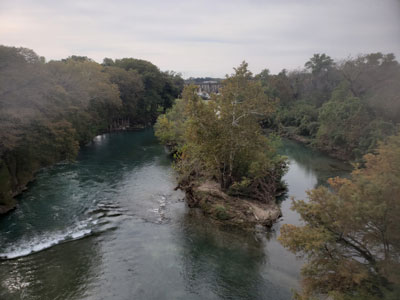
National Museum of the Pacific War
World-class museum dedicated to the American experience in the Pacific Theater of World War II, built in the birthplace of Fleet Admiral Chester W. Nimitz.
Jeff P from Berkeley, CA, USA, CC BY 2.0, via Wikimedia Commons; Image Size Adjusted
New Braunfels
City known for its German Texan heritage and situated along the Balcones Fault, where the Texas Hill Country meets rolling prairie land
Jeff P from Berkeley, CA, USA, CC BY 2.0, via Wikimedia Commons; Image Size Adjusted
Pace Bend Park
Travis County park on a limestone peninsula jutting into Lake Travis, offering camping, swimming, cliff jumping, kayaking, and miles of rugged hiking trails with sweeping lake views.
Jeff P from Berkeley, CA, USA, CC BY 2.0, via Wikimedia Commons; Image Size Adjusted
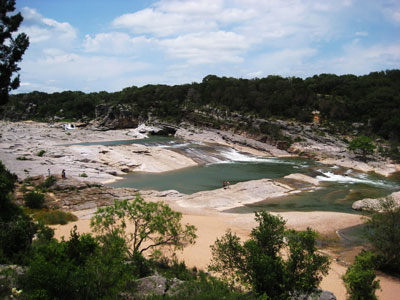
Pedernales State Park
5,212-acre state park situated along the banks of the Pedernales River in Blanco County, Texas
Jeff P from Berkeley, CA, USA, CC BY 2.0, via Wikimedia Commons; Image Size Adjusted
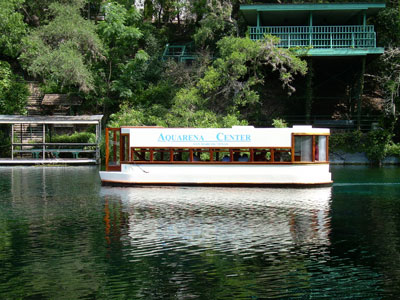
San Marcos
Founded on the banks of the San Marcos River, the area is thought to be among the oldest continuously inhabited sites in the Americas
Overview
The Texas Hill Country is a rugged, spring-fed region of Central Texas that forms the southeastern edge of the Edwards Plateau, roughly bounded by San Antonio and Austin to the east and stretching west into open ranch country. Its karst limestone and granite hills, cold spring-fed rivers, and small German- and Czech-founded towns give it a character distinct from the flatter country around it — part outdoor destination, part wine and dance-hall country, and a favorite weekend escape from both Austin and San Antonio. Fast-growing suburbs and retirement communities have spread along its eastern edge, but much of the region remains open countryside, and the biggest draw for visitors is outdoor recreation: tubing and swimming in cold, clear rivers, hiking granite domes and limestone canyons, and wandering small towns built around historic town squares.
Geography
The Hill Country's landscape comes from its karst topography — a thin layer of soil over limestone and granite that has eroded into steep hills, canyons, and hundreds of caves. Many hills rise 400 to 500 feet above the surrounding plains, and Enchanted Rock, the second-largest granite dome in the United States, anchors the Llano Uplift in the region's western half. That same porous ground feeds the springs and rivers the region is known for — including the Guadalupe, Frio, Medina, San Marcos, and Pedernales — and it's why towns such as Austin, San Marcos, and New Braunfels grew up where those springs surface along the Balcones Escarpment. The exposed rock and thin soil also leave the region prone to sudden flash flooding, so visitors exploring rivers and low-water crossings should always keep an eye on the weather.
The same karst geology riddles the Hill Country with caves, several of which are open to the public as show caves, including Natural Bridge Caverns, Longhorn Cavern State Park, Cascade Caverns, the Caverns of Sonora, and Wonder World Cave in San Marcos.
This article is based on publicly available information about the Texas Hill Country, as well as material from the Wikipedia article "Texas Hill Country", used under the Creative Commons Attribution-Share-Alike License 3.0.