City known for its German Texan heritage and situated along the Balcones Fault, where the Texas Hill Country meets rolling prairie land
General Information
How to Get There
From San Antonio (30 mi): Take I-35 North approximately 30 miles to New Braunfels, exiting at any of the main city exits between exits 187 and 191.
Overview
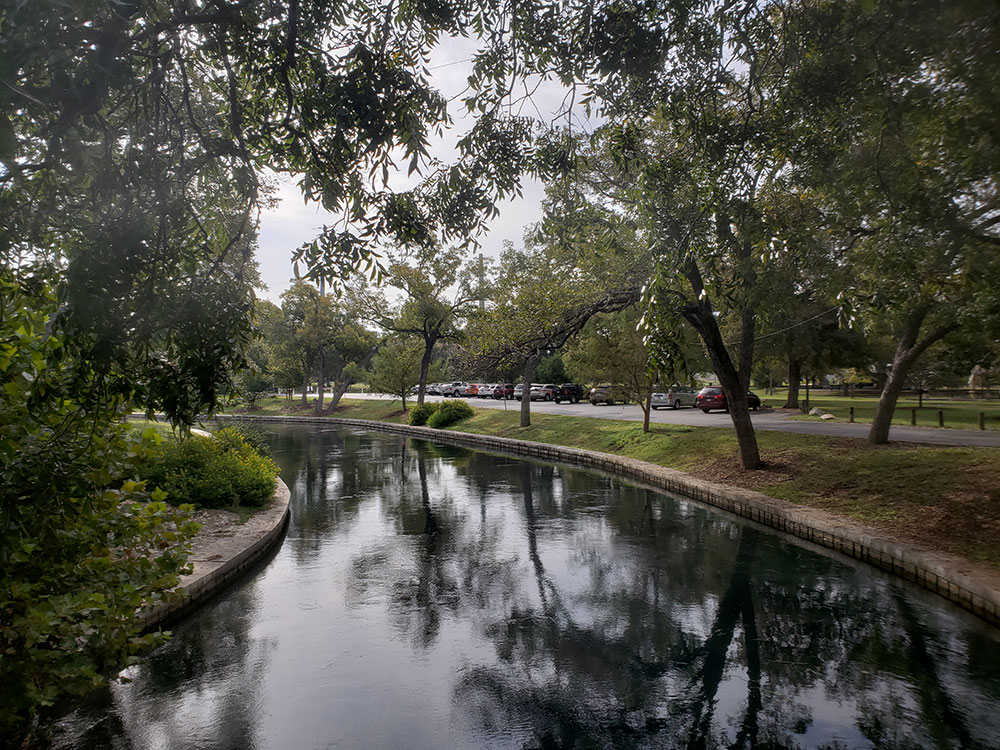
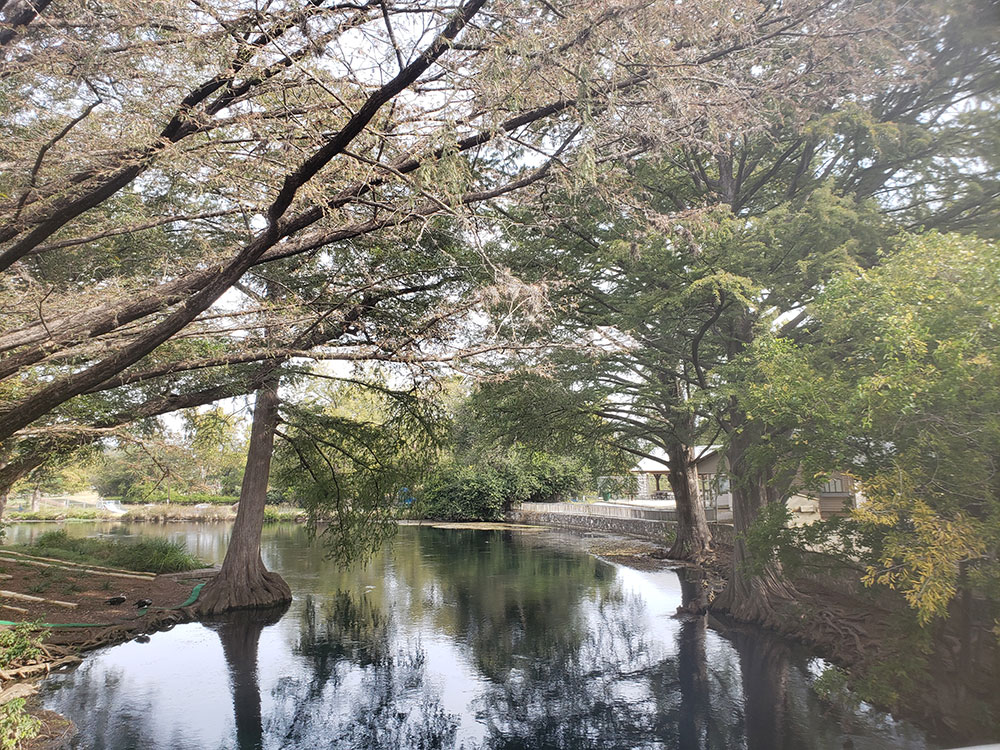
New Braunfels is a Hill Country city built around its rivers and its German heritage. Situated on the Balcones Fault just north of San Antonio, where the Hill Country meets the coastal prairie, it's fed by the spring-cooled Comal River — one of the shortest rivers in the world — which flows through downtown and joins the Guadalupe River, making the city one of the top tubing and river-recreation destinations in Texas. It's also home to Schlitterbahn Waterpark Resort and the historic Gruene Historic District, and each November its German roots come alive at Wurstfest, one of the state's largest festivals.
New Braunfels was founded by German immigrants, and that heritage still shapes the city's food, festivals, and architecture — most visibly in the Gruene Historic District, which grew up around a cotton gin and gristmill built by the sons of German settlers Ernst and Antoinette Gruene and was later revived after the cotton industry collapsed. Summer is peak tubing season on both rivers but also the busiest and hottest time to visit; spring and fall bring pleasant temperatures and lighter crowds, and November draws crowds for Wurstfest, the city's biggest annual celebration.
Things to Do
Float the Comal River
Experience one of New Braunfels' most popular activities by tubing, swimming, or relaxing on the spring-fed Comal River, which maintains a refreshingly cool temperature year-round.
Explore the Guadalupe River
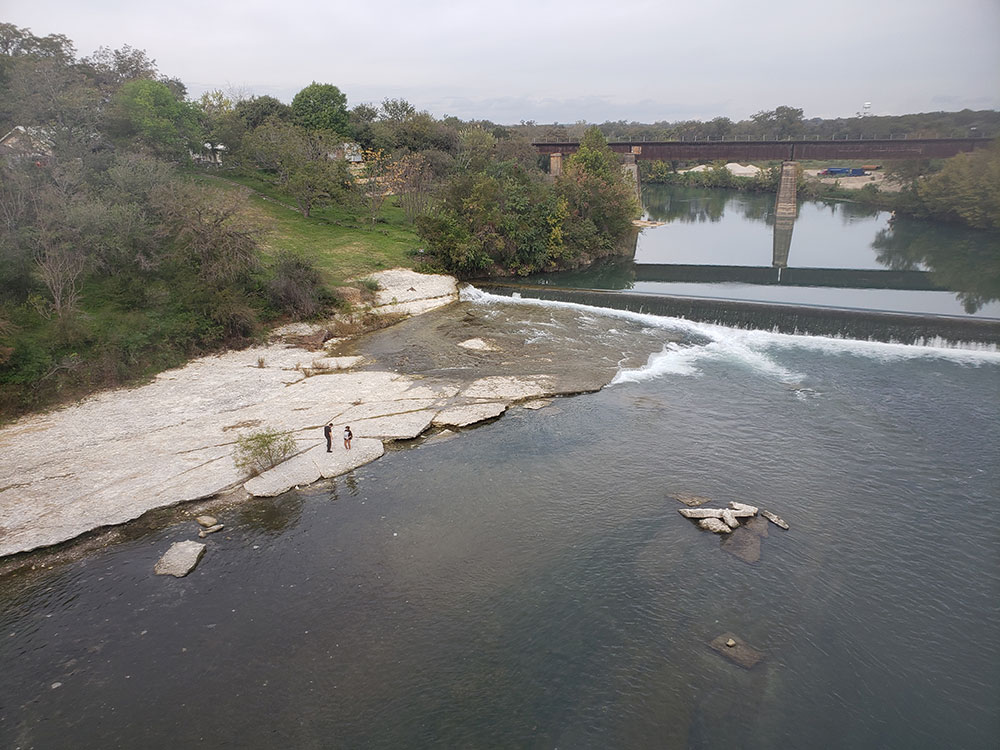
Enjoy tubing, kayaking, fishing, and river recreation along the scenic Guadalupe River as it winds through the Texas Hill Country.
Visit Schlitterbahn Waterpark
Spend the day at one of Texas' most famous attractions, featuring dozens of waterslides, rivers, pools, and family-friendly water adventures.
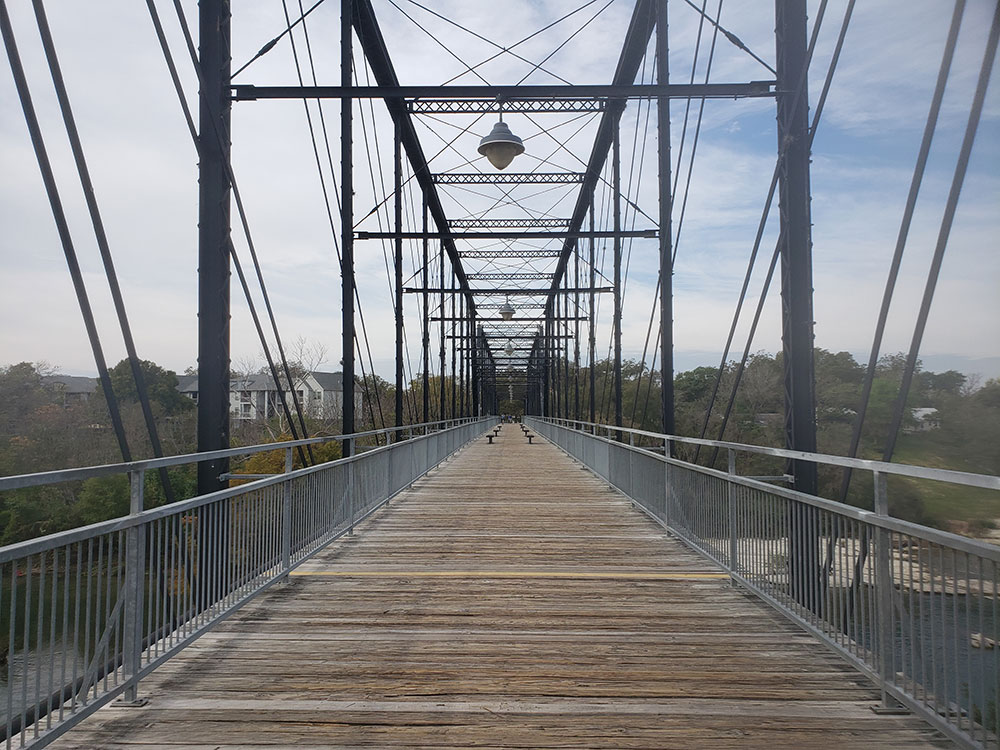
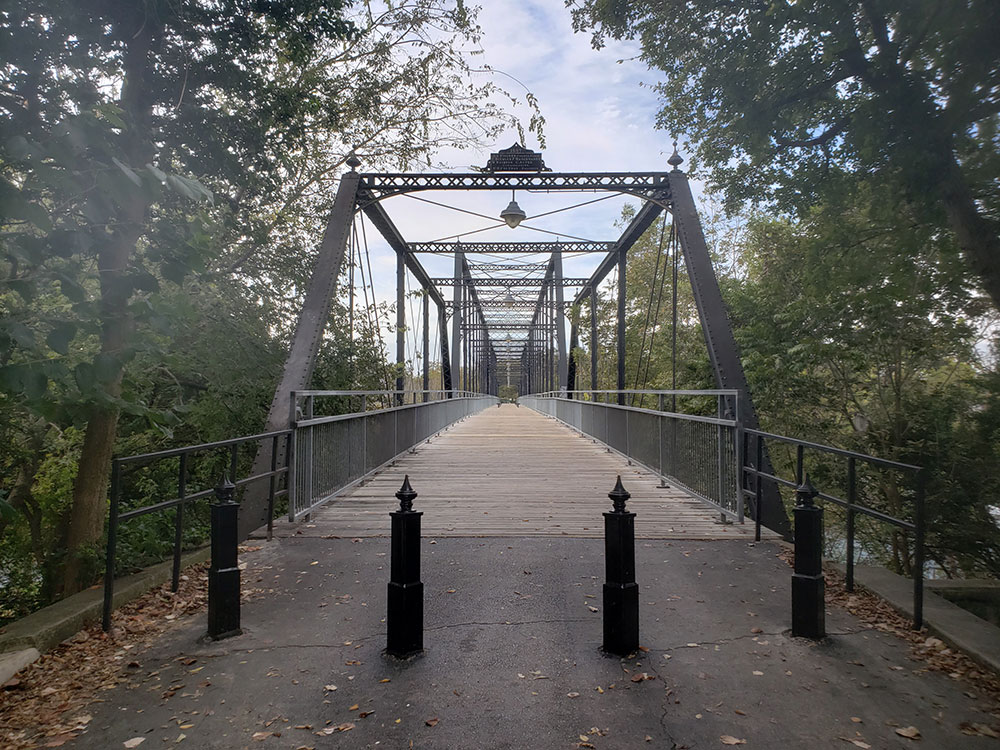
Discover Gruene Historic District
Browse unique shops, restaurants, tasting rooms, and historic buildings in the city's beloved historic district.
Dance at Gruene Hall
Enjoy live music at the oldest continually operating dance hall in Texas, a legendary venue that has hosted generations of performers.
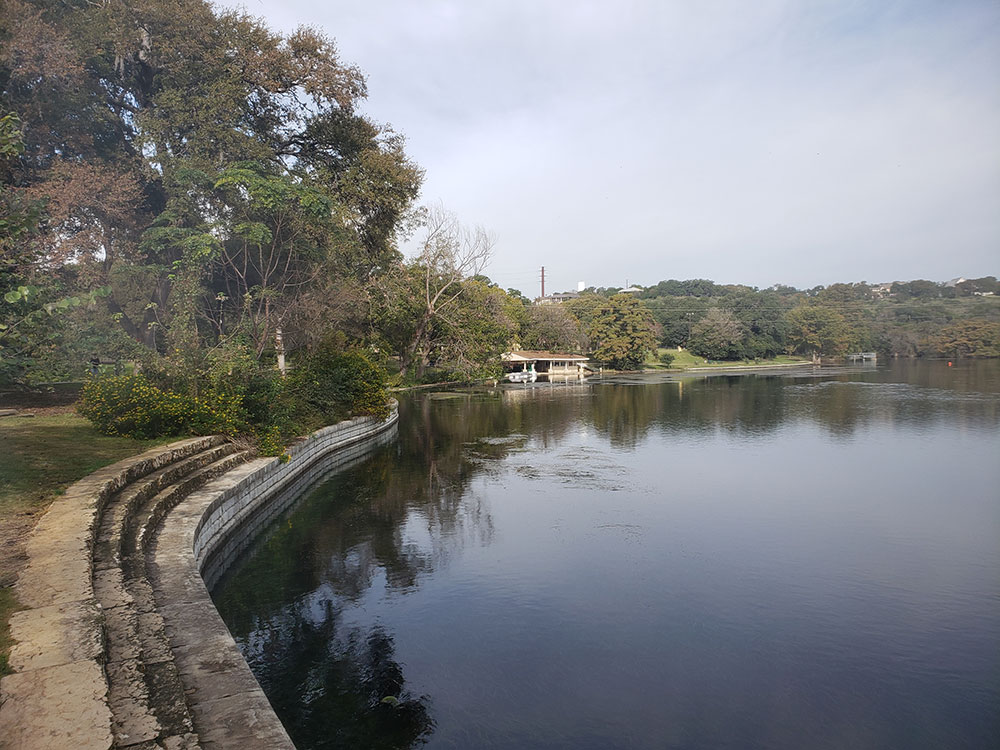
Relax at Landa Park
Enjoy one of the city's most beautiful parks, featuring walking trails, paddle boats, and shaded green spaces along the Comal's headwaters.
Attend Wurstfest
Celebrate New Braunfels' German heritage at one of Texas' most popular festivals, featuring food, music, dancing, and cultural traditions.
Explore Downtown New Braunfels
Visit local boutiques, restaurants, breweries, art galleries, and historic sites throughout the walkable downtown district.
Visit Museums and Historic Attractions
Learn about the area's German settlement history, railroad heritage, and cultural development through local museums and historical sites.
This article uses material from the Wikipedia articles and official tourism pages for the New Braunfels, Texas, which are released under the Creative Commons Attribution-Share-Alike License 3.0.