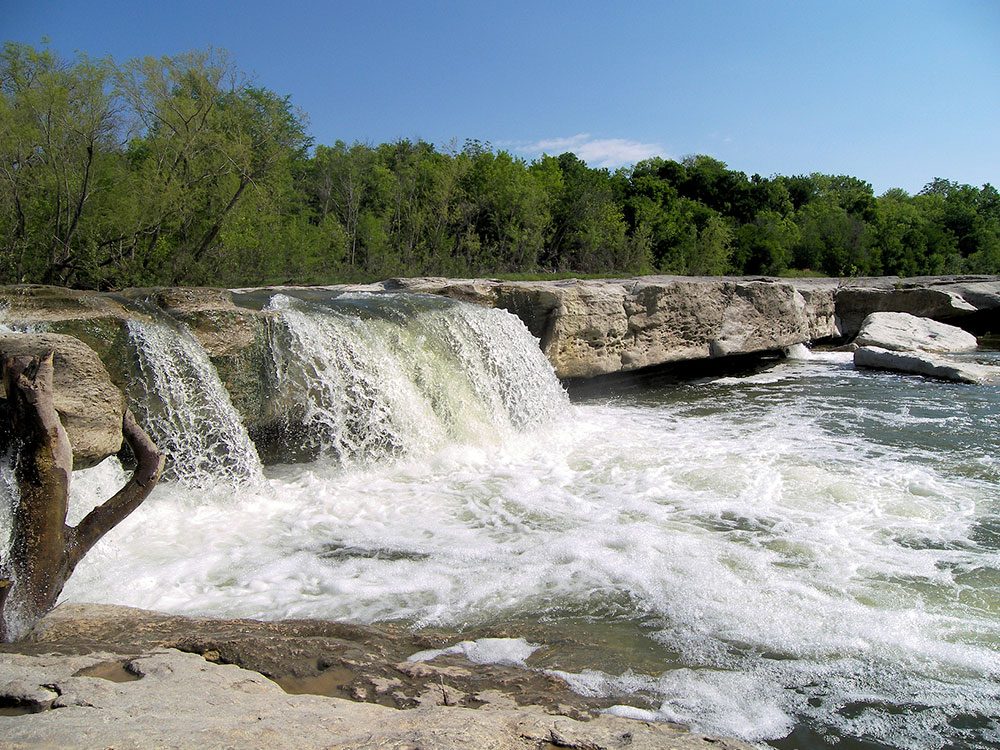
State park in Austin, at the confluence of Onion Creek and Williamson Creek, includes several hiking trails and the namesake features of the park, the scenic upper and lower falls along Onion Creek
General Information
Children 12 Years and Under: Free
Park often reaches capacity; reservations are highly recommended for both camping and day use. To guarantee entrance reserve passes online, or by calling the customer service center, before visit.
Take I-35 S, Exit 230, E Ben White Blvd, Burleson Rd and McKinney Falls Pkwy. Turn right.
Overview
McKinney Falls State Park sits where Onion Creek meets Williamson Creek on Austin's southeast side, just off I-35 and a short drive from downtown. The park is best known for its scenic upper and lower falls, natural swimming holes, and nearly nine miles of hiking and biking trails winding through Hill Country woodlands and creekside scenery. It's named for Thomas F. McKinney, a 19th-century rancher and horse breeder who once ran a homestead here, and the park lies along the historic El Camino Real de los Tejas trail.
History
Native Americans used the park's limestone Smith Rock Shelter for cover long before McKinney built a stone house, gristmill, and horse trainer's cabin on the land in the mid-1800s. Both the rock shelter and the McKinney homestead ruins are listed on the National Register of Historic Places, and their remains are still visible along the park's trails today.
Things to Do
Visit Upper and Lower McKinney Falls
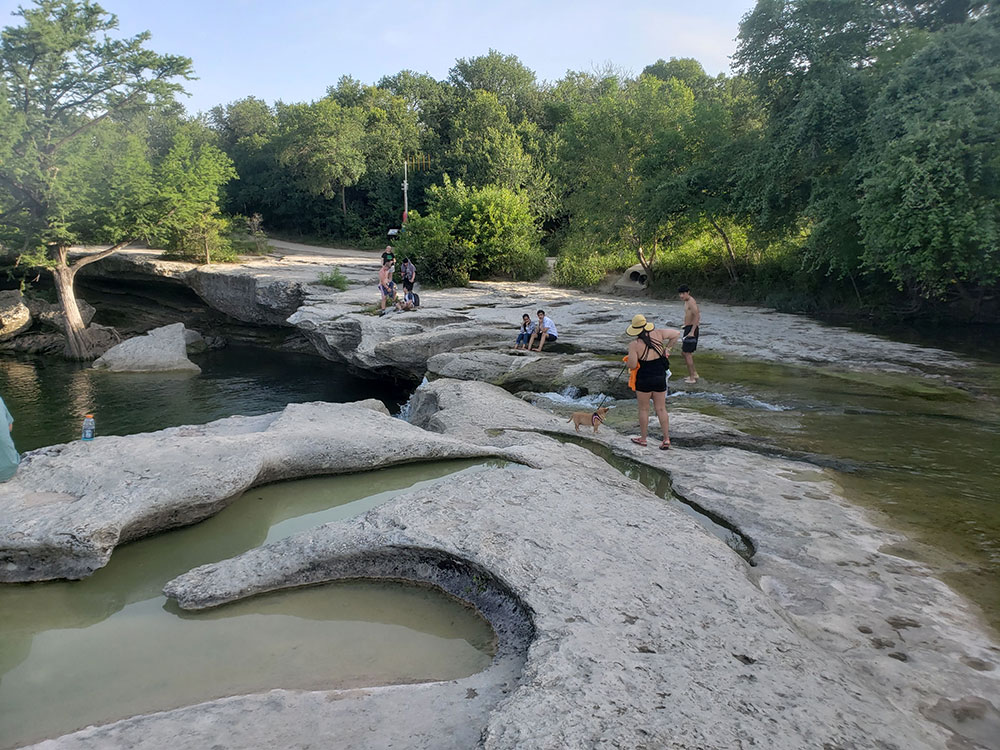
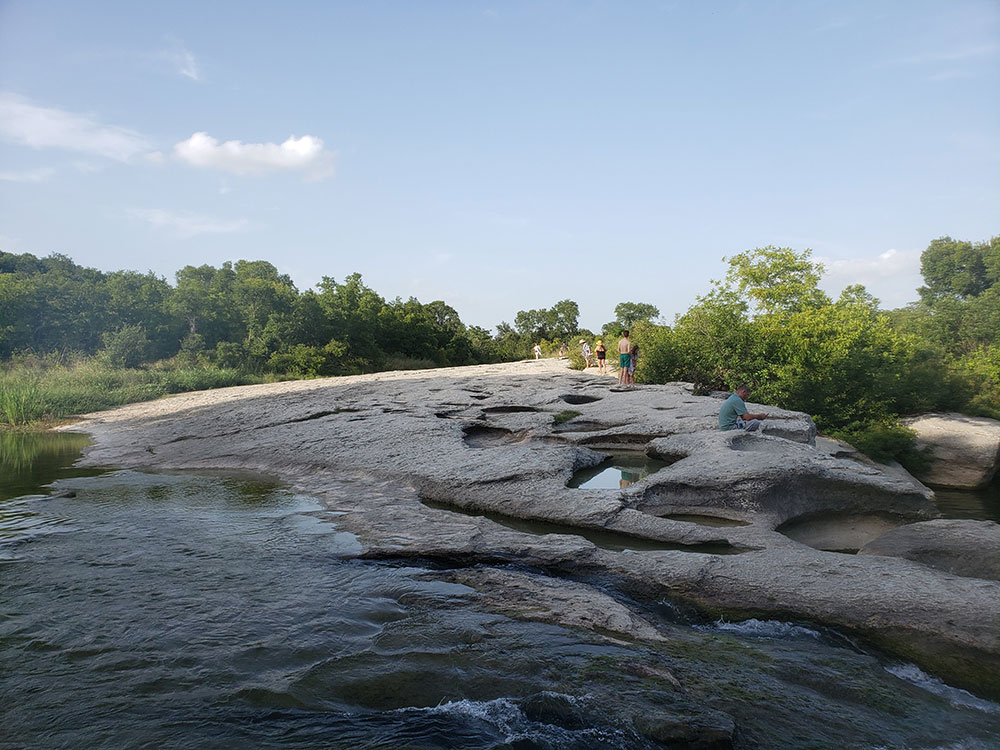
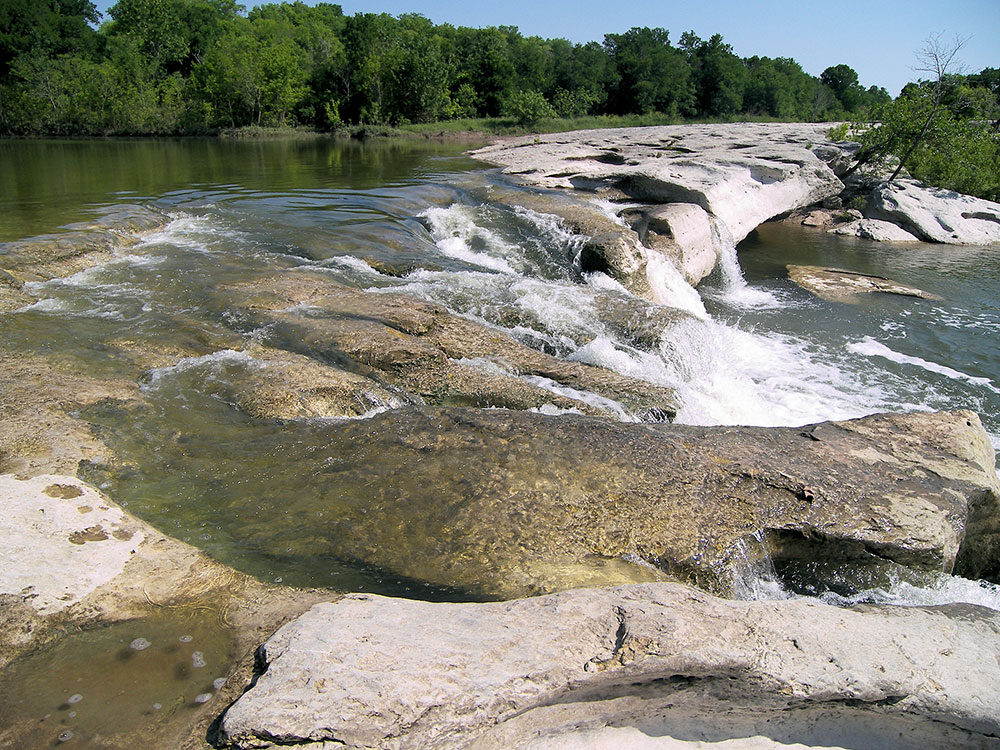
See the park's signature waterfalls as Onion Creek flows over rugged limestone ledges, creating scenic cascades, swimming holes, and beautiful photo opportunities.
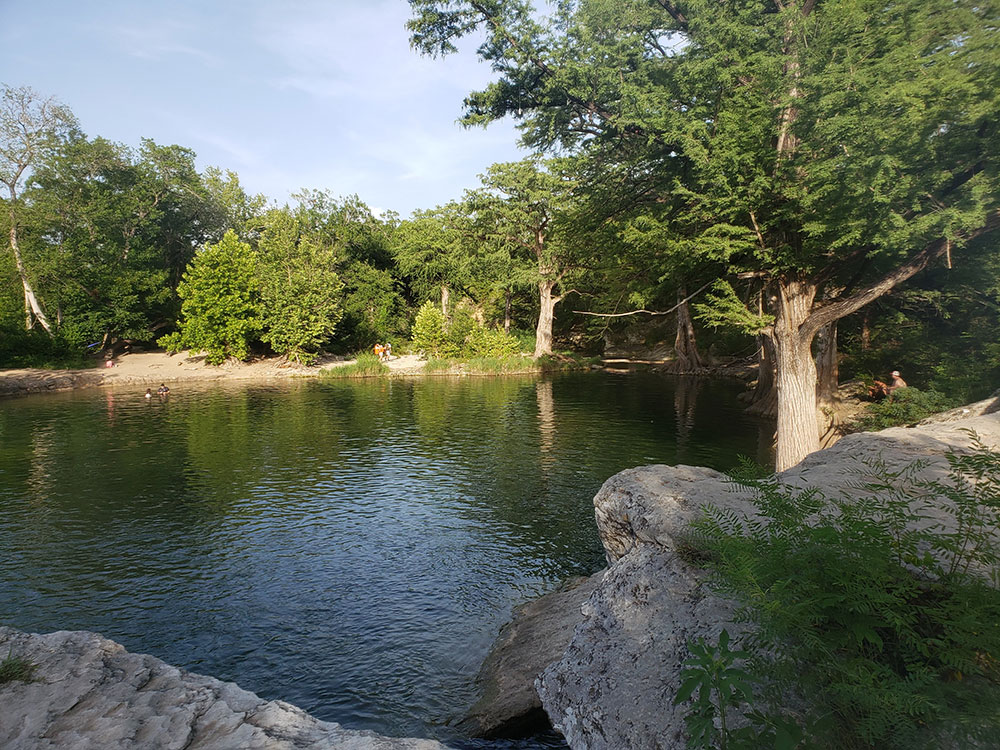
Swim in Onion Creek
Cool off in the creek's natural pools and enjoy one of Austin's favorite outdoor recreation spots.
Hike Nearly Nine Miles of Trails
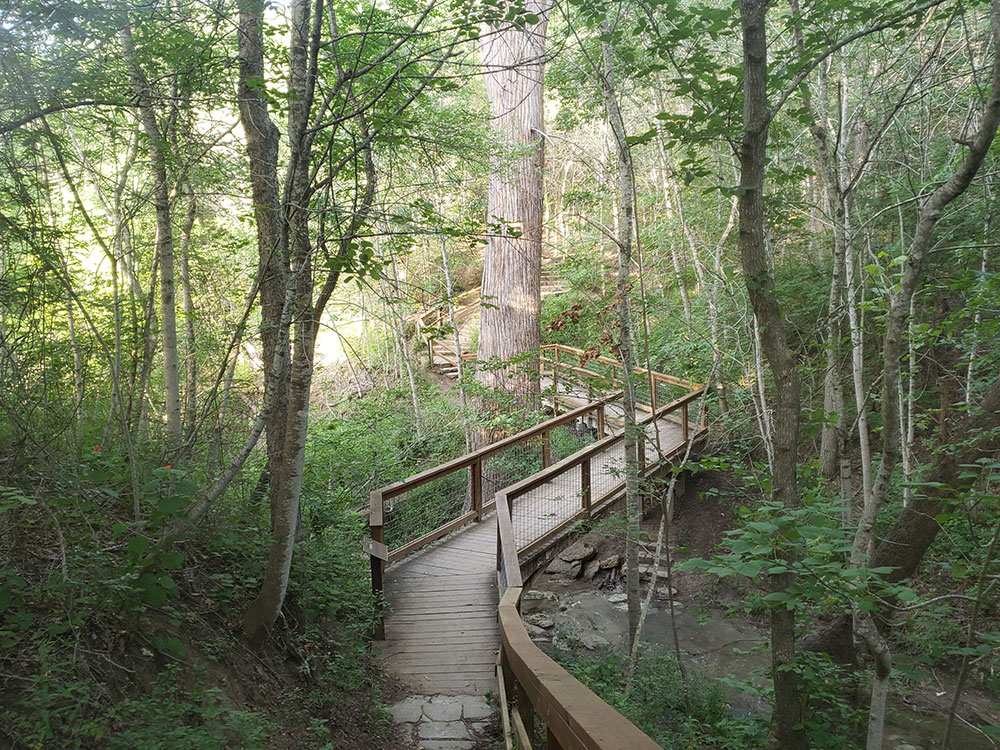
Explore trails that wind through woodlands, creekside scenery, historic sites, and rocky Hill Country landscapes.
Bike Through the Park
Ride paved and natural-surface trails suitable for both casual cyclists and outdoor enthusiasts.
Visit the McKinney Homestead
Discover the remains of an early Texas homestead and learn about the area's historic settlement.
See the Historic Gristmill Ruins
Explore remnants of an old gristmill and other historic structures connected to the park's past.
Explore the Rock Shelter
Follow the Rock Shelter Trail to a prehistoric limestone overhang once used by early visitors to the area.
Visit the Visitor Center
Learn about the park's natural and cultural history, enjoy views of Upper Falls, and explore exhibits including the bat cave display.
Top Trails
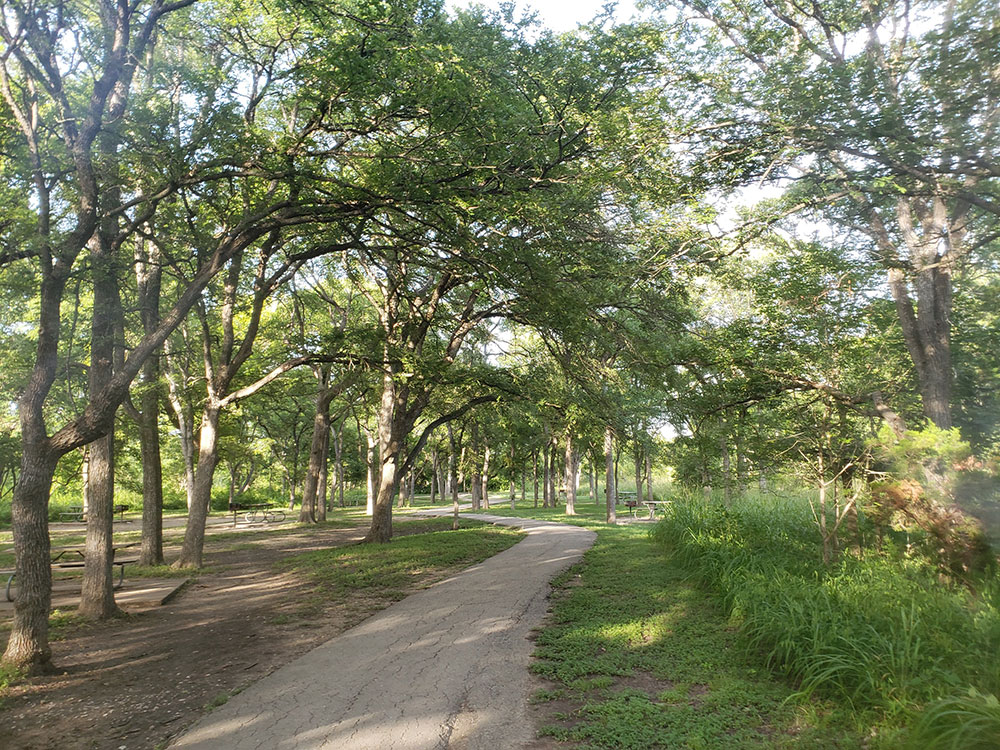
Onion Creek Hike and Bike Trail
Distance: 2.8 miles
Difficulty: Easy
Highlights: Paved surface, creek views, wildlife viewing, access to Upper Falls, and family-friendly hiking and biking.
Rock Shelter Trail
Distance: 0.6 miles
Difficulty: Easy
Highlights: Ancient rock shelter, Onion Creek views, and the park's famous bald cypress tree known as “Old Baldy.”
Homestead Trail
Distance: 3.1 miles
Difficulty: Moderate
Highlights: McKinney Homestead ruins, gristmill remains, historic features, and creek crossings.
Flint Rock Loop Trail
Distance: 1.5 miles
Difficulty: Moderate
Highlights: Rocky terrain, hardwood forests, and a more secluded hiking experience.
Williamson Creek Overlook Trail
Distance: 1.1 miles
Difficulty: Moderate
Highlights: Scenic views of Williamson Creek and quiet natural surroundings.
Cactus Garden Trail
Distance: 0.5 miles
Difficulty: Moderate
Highlights: Large patches of prickly pear cactus and native Hill Country vegetation.
Flora and Fauna
Bald cypress and pecan trees shade Onion Creek's banks, while live oak, ashe juniper, and mesquite cover the drier uplands. In spring, the park's roads and meadows fill with Texas bluebonnets and other wildflowers. White-tailed deer, armadillos, and Fox squirrels are common sights, and birdwatchers can spot painted buntings, greater roadrunners, and scissor-tailed flycatchers. Turtles and softshells inhabit the creeks, and hikers should stay alert for native snakes, including the western diamondback rattlesnake.
Visitor Highlights
| Feature | Description |
|---|---|
| Waterfalls | Upper and Lower McKinney Falls cascade over limestone ledges into natural swimming holes. |
| Trails | Nearly nine miles of hiking and biking trails through woodlands, creeksides, and rocky terrain. |
| Historic Sites | Smith Rock Shelter and the ruins of the McKinney homestead and gristmill. |
| Wildlife and Flora | Spring bluebonnets, white-tailed deer, and a wide variety of birdlife along the creeks. |
| Visitor Center | Exhibits on the park's natural and cultural history plus views of Upper Falls. |
Best Time to Visit
| Time | What to Expect |
|---|---|
| Spring | Bluebonnets and wildflowers in bloom alongside comfortable hiking temperatures. |
| Summer | Peak season for swimming in Onion Creek's pools; expect hot, humid weather and bigger crowds. |
| Fall | Cooler temperatures make for ideal conditions to hike or bike the full trail system. |
| Weekday Mornings | Quieter trails, easier parking, and better wildlife viewing than weekends. |
Why Visit McKinney Falls State Park?
- Cool off in Onion Creek's natural swimming holes and waterfalls.
- Hike or bike nearly nine miles of Hill Country trails.
- Explore history at Smith Rock Shelter and the McKinney homestead ruins.
- Spot wildlife and wildflowers, especially bluebonnets in spring.
- Escape the city without leaving Austin's city limits.
This article is based on publicly available information about McKinney Falls State Park, as well as material from the Wikipedia article "McKinney Falls State Park", used under the Creative Commons Attribution-Share-Alike License 3.0.