Ancient rock formations featuring natural rainwater basins, extensive Native American rock art, desert hiking opportunities, and internationally renowned bouldering areas.
General Information
May 1 to September 30: Monday to Thursday 8am to 6pm
May 1 to September 30: Friday to Sunday 7am to 7pm
Children 12 and under: Free
How to Get There
From El Paso (32 mi): Take US-62/US-180 E toward Montana Vista, turn left onto Ranch Road 2775 (Hueco Tanks Road), continue north and follow the signs to the park entrance at 6900 Hueco Tanks Road No. 1.
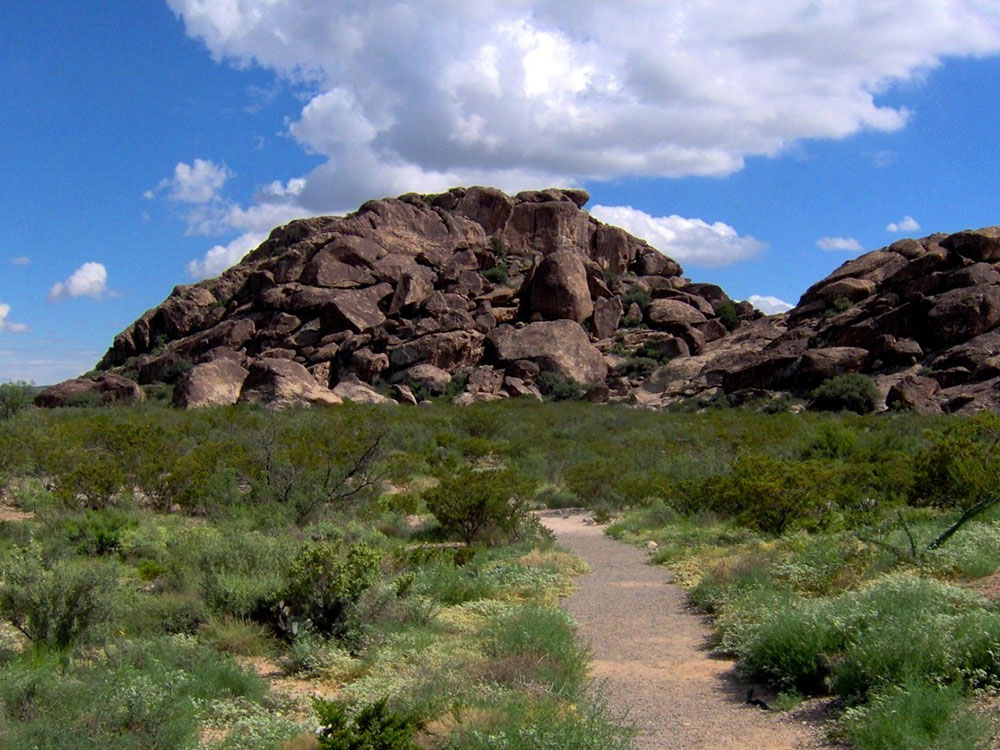
Hueco Tanks is an area of low mountains and historic site in El Paso County, Texas. It is located in a high-altitude desert basin between the Franklin Mountains to the west and the Hueco Mountains to the east. Hueco is a Spanish word meaning hollows and refers to the many water-holding depressions in the boulders and rock faces throughout the region.
The historic site is located approximately 32 miles (51 km) northeast of central El Paso, Texas, accessible via El Paso's Montana Avenue (U.S. Route 62/U.S. Route 180), by turning at RM 2775. The park consists of three syenite (a weak form of granite) mountains; it is 860 acres (350 ha) in area and is popular for recreation such as birdwatching and bouldering. It is culturally and spiritually significant to many Native Americans. This significance is partially manifested in the pictographs (rock paintings) that can be found throughout the region, many of which are thousands of years old.
The first paintings made at Hueco Tanks were done by members of the Desert Archaic Culture, and depicted abstract designs. These were created between 6000 and 3000 B.C. Between 3000 BC and 450 A.D., pictures of animals and humans were drawn on the rocks.
Things to Do
View Ancient Rock Art
Hueco Tanks contains one of the most significant collections of pictographs in North America. Visitors can view ancient images and painted masks created by Indigenous peoples who used the site for thousands of years.
Take Guided and Self-Guided Tours
Explore designated areas of the park to learn about its archaeology, geology, Native American history, and cultural significance. Access to many areas is restricted to help protect fragile resources.
Hike Desert Trails
Traverse rugged pathways through granite rock formations, desert vegetation, and scenic overlooks while exploring the unique landscape created by millions of years of erosion.
Explore North Mountain
The park's most accessible self-guided area features trails, rock imagery sites, historic locations, and impressive views of the surrounding Chihuahuan Desert.
Visit the Interpretive Center
Learn about the area's cultural history, geology, wildlife, and ancient inhabitants through exhibits located in a historic ranch house.
See Natural Huecos
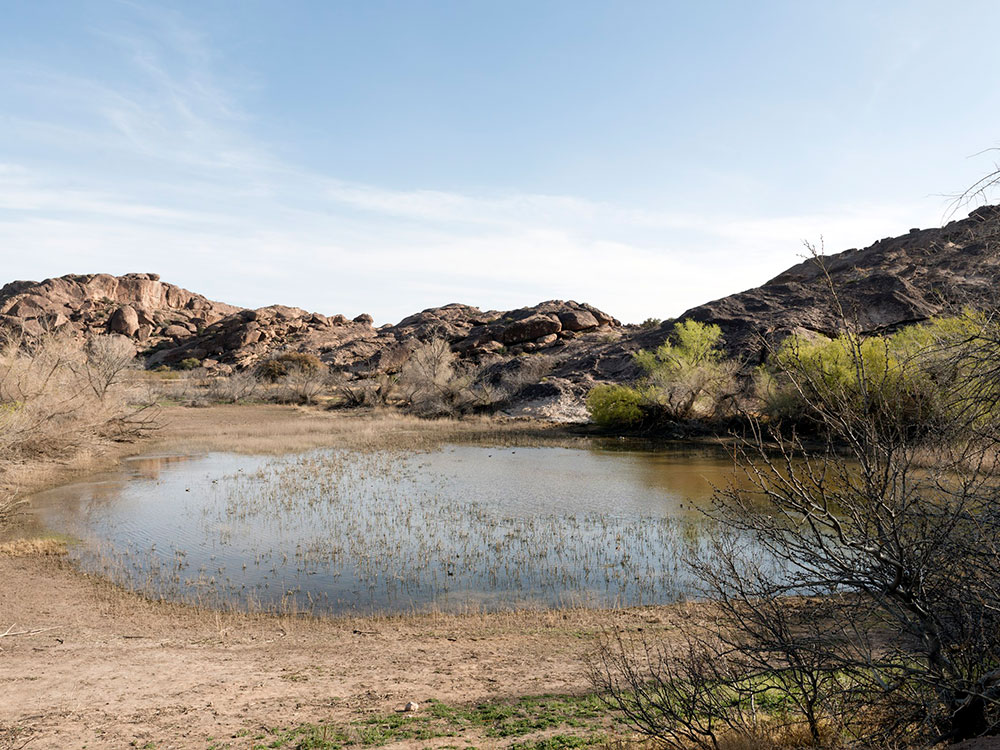
Discover the natural rock basins that give the park its name. These depressions collect rainwater and have attracted people and wildlife for thousands of years.
Rock Climbing and Bouldering
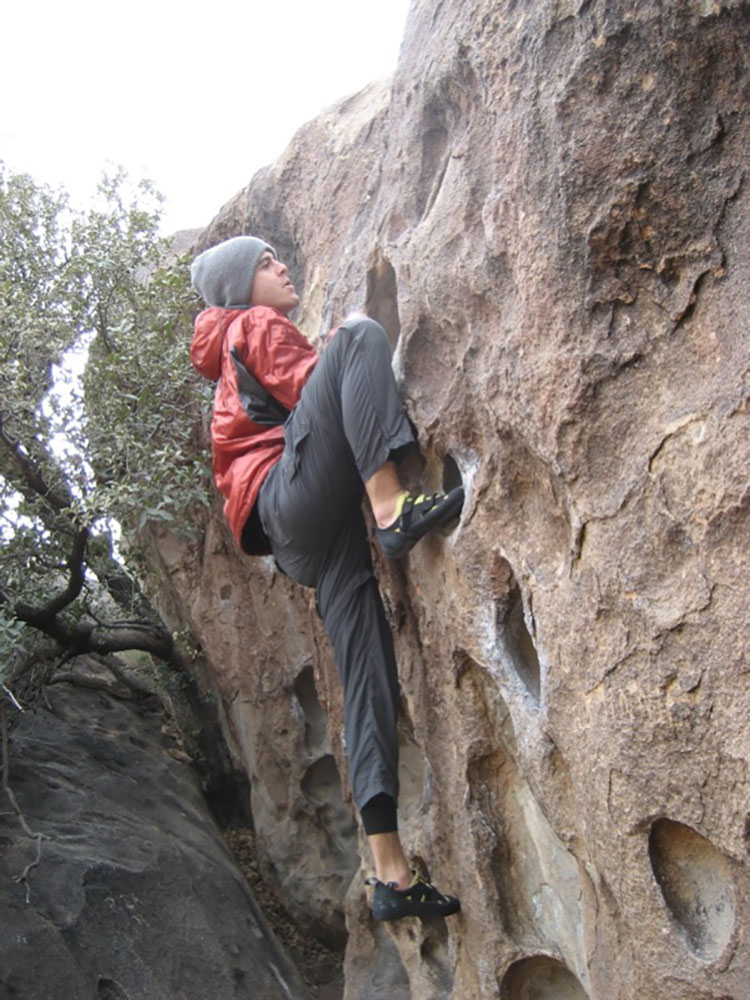
Hueco Tanks is internationally renowned for bouldering and climbing, attracting climbers from around the world to its unique rock formations.
Explore Archaeological Sites
View remnants of past civilizations, including areas associated with the Jornada Mogollon culture, who occupied the site centuries ago.
Top Trails
Hueco Tanks Chain Trail
Distance: 0.7 miles
Difficulty: Moderate
Highlights: Rock formations, desert plants, pictographs, and sections where chains assist hikers across rocky terrain.
Laguna Prieta Trail to Kiva Cave
Distance: 0.6 miles
Difficulty: Moderate
Highlights: Scenic cave, pictographs, rock formations, and views of the surrounding desert landscape.
North Mountain Trail
Distance: 1.9 miles
Difficulty: Moderate
Highlights: Hoodoo formations, panoramic views, archaeological features, and access to several historic sites.
Site 17 and Pond Trail
Distance: 0.6 miles
Difficulty: Easy
Highlights: Petroglyphs, historic features, wildlife viewing opportunities, and desert scenery.
Highlights
Ancient Pictographs
The park preserves one of the largest concentrations of Native American rock art in Texas, including hundreds of images and painted masks.
Cultural Significance
Several Native American tribes consider the area an important cultural and heritage site due to its long history of human occupation.
Unique Geology
The park's massive rock formations, hoodoos, and natural water-holding basins were created through millions of years of geological processes.
World-Class Bouldering
Hueco Tanks is widely regarded as one of the premier bouldering destinations in North America.
Desert Oasis Environment
Natural water reservoirs within the rocks supported wildlife and human settlement for thousands of years in an otherwise arid region.
Around the syenite outcrops, the park is surrounded by Chihuahuan Desert scrub with creosote bush as the dominant species. The site contains enough water to support live oaks and junipers, species which survive from the last ice age. Other trees found in the area include netleaf hackberry, Texas mulberry, Mexican buckeye, catclaw acacia, and Arizona white oak. Hueco Tanks has the only population in the United States of the plant Colubrina stricta.
This article uses material from the Wikipedia article "Hueco Tanks", which is released under the Creative Commons Attribution-Share-Alike License 3.0