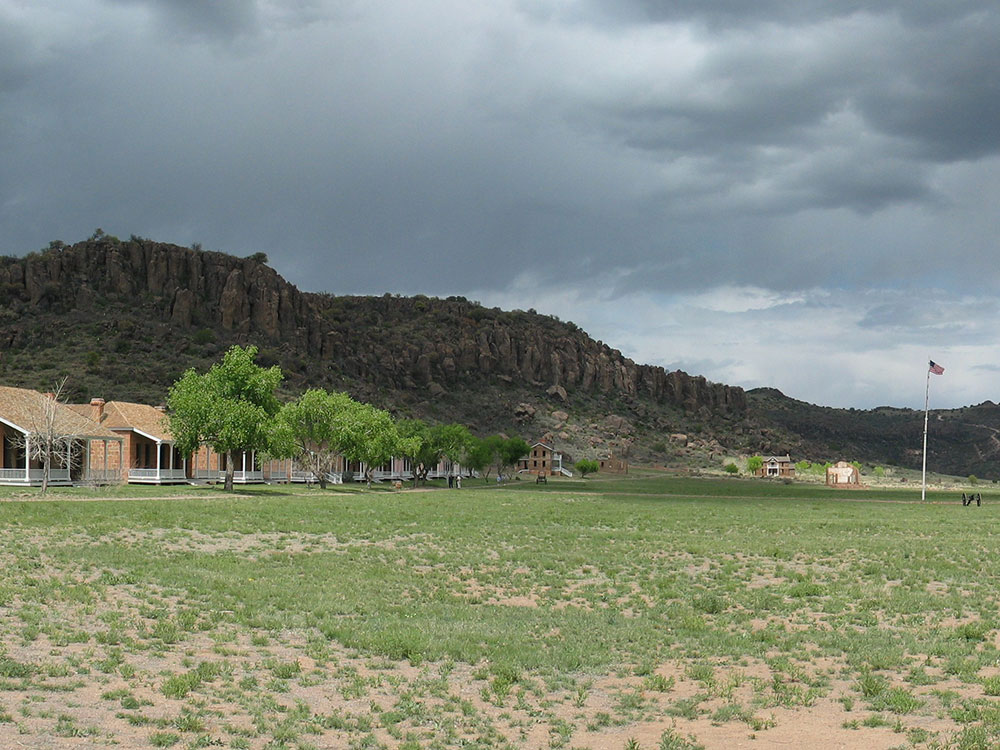
Preserved frontier military post featuring restored nineteenth-century buildings, historic exhibits, living history programs, scenic mountain views, and hiking trails.
General Information
Visitor Center: Daily 8am to 4:30pm
Closed on Thanksgiving Day, Christmas Day, New Year's Day, and Martin Luther King Jr. Day
Private vehicle: $20
Motorcycle: $15
Children 15 and under: Free
How to Get There
From Fort Davis (2 mi): Follow State Street through town and continue to 101 Lt Henry Flipper Dr, following signs to the historic site entrance.
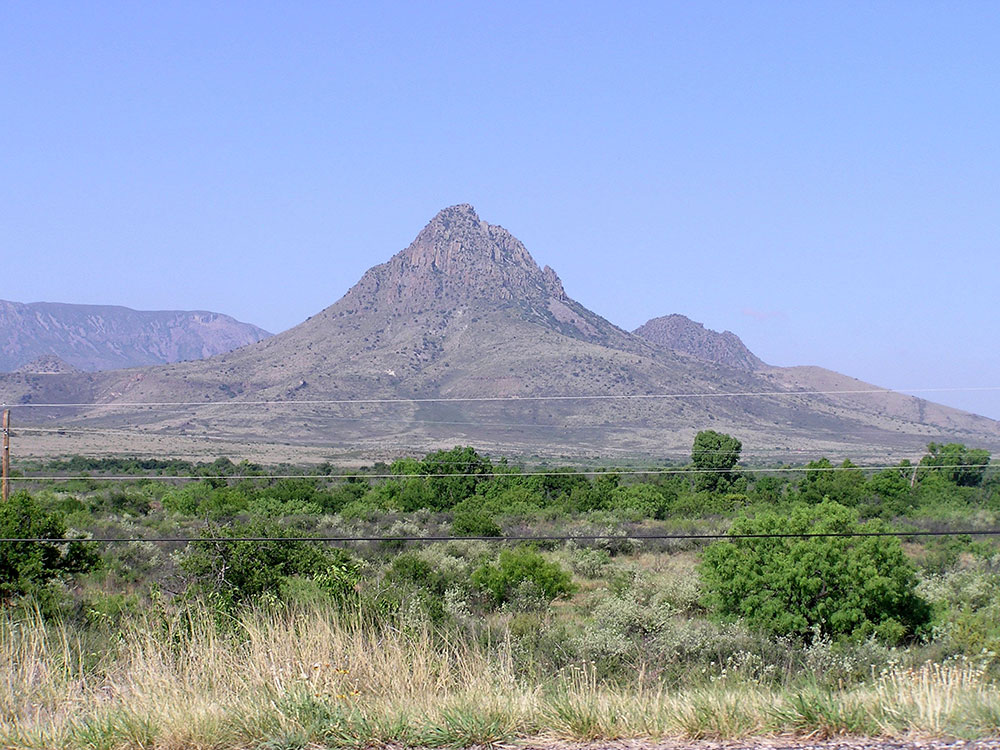
Fort Davis National Historic Site is located in Fort Davis, Jeff Davis County, Texas. Located within the Davis Mountains of West Texas, the historic site was established in 1961 to protect one of the best remaining examples of a United States Army fort in the southwestern United States.
Things to Do
Explore the Restored Frontier Fort
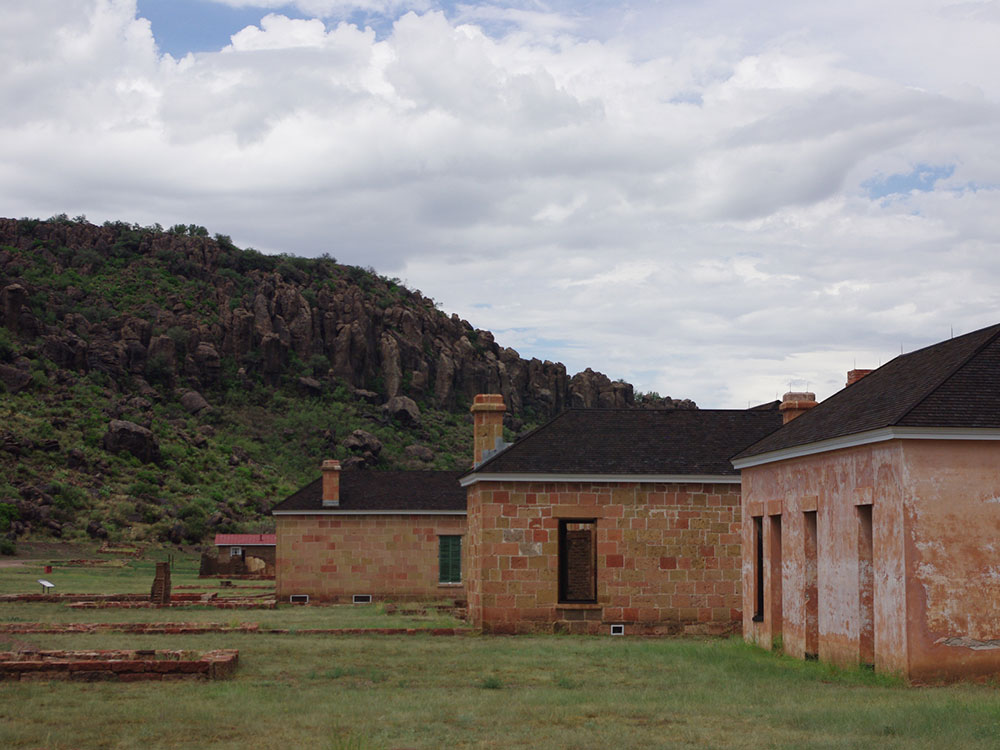
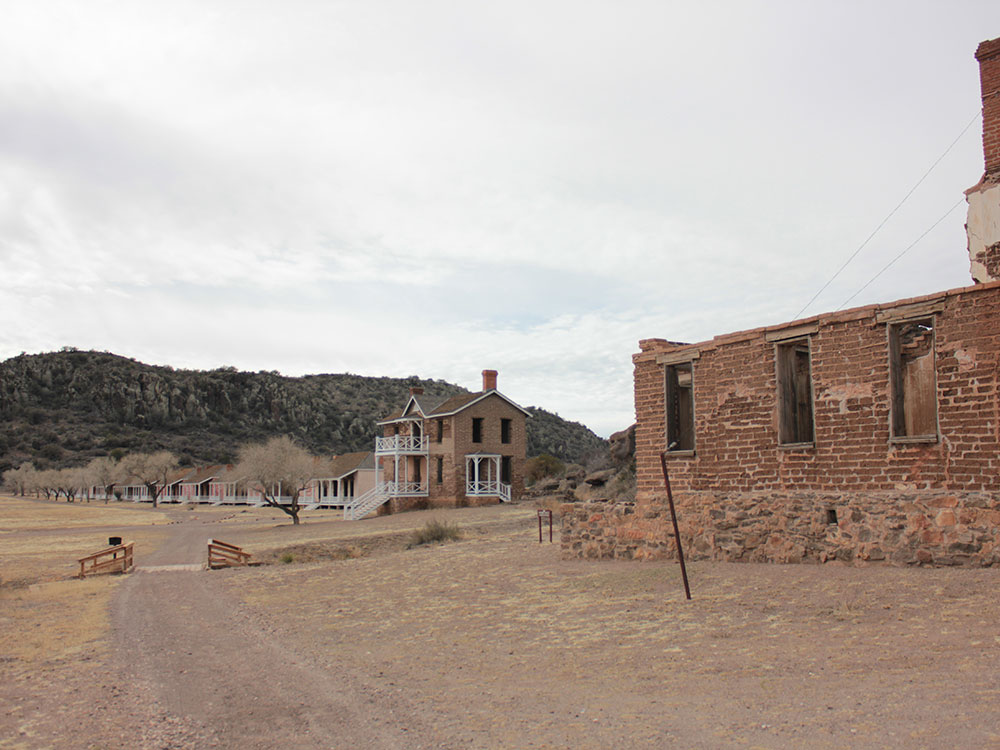
Walk through one of the best-preserved Indian Wars military posts in the American Southwest. Visitors can tour restored barracks, officers' quarters, the post hospital, and other historic structures dating to the late 1800s.
Visit the Visitor Center Museum
Begin your visit with exhibits that explain the history of the fort, frontier military life, the Buffalo Soldiers, and the role Fort Davis played in protecting travelers along important trade routes.
Tour Furnished Historic Buildings
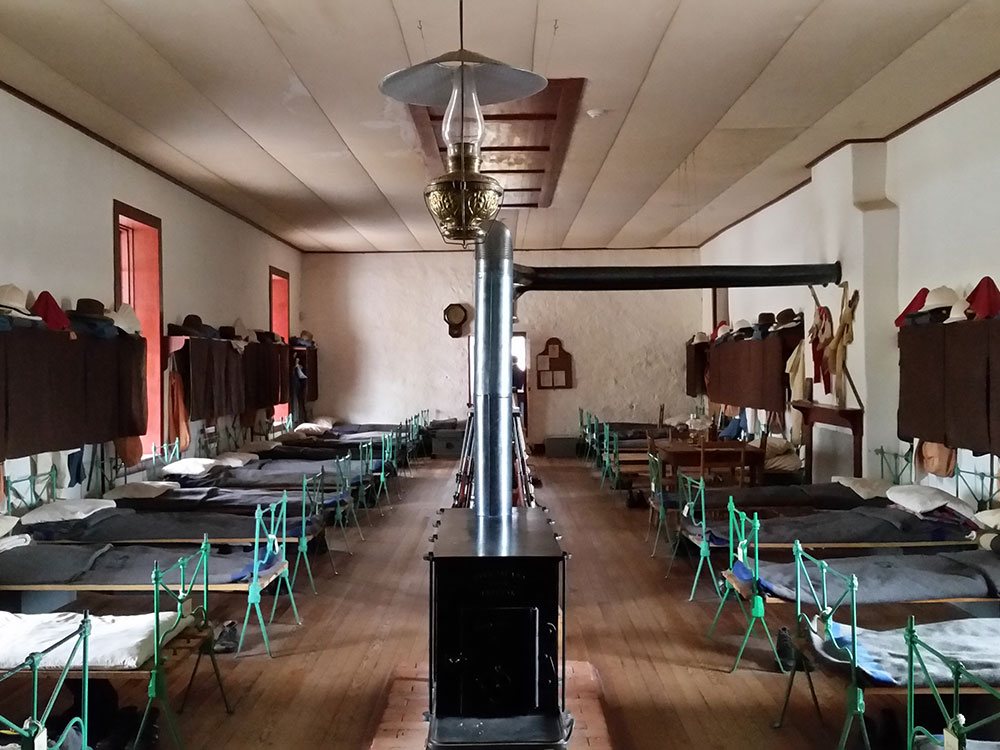
Several structures have been restored and furnished to reflect their appearance during the 1880s, offering a glimpse into daily life at the fort.
Learn About the Buffalo Soldiers
Discover the stories of the African American soldiers who served at Fort Davis and played a major role in protecting the frontier from 1867 to 1885.
Hike Historic Trails
Explore approximately four miles of trails that lead to scenic overlooks above the fort and provide views of surrounding mountains and historic features.
Attend Living History Programs
During select seasons and special events, staff and volunteers in period clothing demonstrate military life, frontier skills, and historical activities.
Top Trails
Hospital Canyon Trail
Difficulty: Moderate
Highlights: Climbs above the fort and provides excellent views of the post, surrounding valleys, and nearby mountains.
Fort Access Trail
Difficulty: Easy to Moderate
Highlights: Connects the historic site with nearby recreation areas while offering scenic views of the surrounding landscape.
Historic Post Walking Routes
Difficulty: Easy
Highlights: Self-guided walks through restored buildings, parade grounds, officers' quarters, and military facilities.
One of the Best-Preserved Frontier Forts
Fort Davis is widely considered one of the finest surviving examples of an Indian Wars-era military post in the United States.
Established in October 1854 along the Limpia Creek at Painted Comanche Camp by Bvt. Maj. Gen. Persifor Frazer Smith, Fort Davis was named after Jefferson Davis who later became President of the Confederate States of America. Commanding the post was 8th Infantry Regiment commander Lt. Col. Washington Seawell.
Other forts in the frontier fort system were Forts Griffin, Concho, Belknap, Chadbourne, Stockton, Richardson, Bliss, McKavett, Clark, McIntosh, Inge, and Phantom Hill in Texas, and Fort Sill in Oklahoma. "Sub posts or intermediate stations" also were used, including Bothwick's Station on Salt Creek between Fort Richardson and Fort Belknap, Camp Wichita near Buffalo Springs between Fort Richardson and Red River Station, and Mountain Pass between Fort Concho and Fort Griffin.
From 1854 to 1891, Fort Davis was strategically located to protect emigrants, mail coaches, and freight wagons on the trans-Pecos portion of the San Antonio-El Paso Road and the Chihuahua Trail, and to control activities on the southern stem of the Great Comanche War Trail and Mescalero Apache war trails.
The fort was evacuated in April 1861 under orders from General David E. Twiggs at the start of the Civil War. During John R. Baylor's invasion of New Mexico, only 20 Confederate States Army troops defended the fort. On the night of 4 August 1861, Mescalero Apaches raided a nearby cattle pen, and during the pursuit on 11 August, Lt. Reuben E. Mays and all but one of his 13-man patrol were killed in an ambush. This defeat convinced Baylor to staff the fort with three officers and 70 enlisted men. The Confederates evacuated the fort and all other posts west of Fort Clark in August 1862.
Fort Davis is important in understanding the presence of African Americans in the West and in the frontier military because the 24th and 25th U.S. Infantry regiments and the 9th and 10th U.S. Cavalry regiments, all-black regiments (known as the buffalo soldiers), which were established after the Civil War, were stationed at the post. Lt. Col. Wesley Merritt led Troops C, F, H, and I of the 9th Cavalry in reoccupying the fort on 29 June 1867. They rebuilt the fort, using limestone and adobe, outside the canyon walls.
Today, 24 restored historic buildings and over 100 ruins and foundations are part of Fort Davis National Historic Site. Five of the historic buildings have been refurbished to the 1880s, making it easy for visitors to envision themselves being at the fort at the height of its development. A self-guided tour of the fort begins at the site's visitor center. Living history demonstrations are common during the summer.
Fort Davis National Historic Site was authorized as a unit of the National Park System in 1961, and was designated a National Historic Landmark in 1960.
This article uses material from the Wikipedia article "Fort Davis National Historic Site", which is released under the Creative Commons Attribution-Share-Alike License 3.0