| Known for: | Walt Disney World, Miami, Everglades, Key West, Gulf Coast, Tampa, Orlando, Swamps, Amusement Parks, Palm Beach, Cape Canaveral, Manatees | Top sites: | Everglades National Park, Dry Tortugas National Park, | When to Go: | All year though summers very hot |
Florida Travel Guide
Sun-soaked beaches, Walt Disney World, and vibrant Miami nightlife await in Florida, plus the Everglades' wild beauty and laid-back Florida Keys.
Florida Map
Places to See in Florida
user:matanya, CC BY-SA 3.0, via Wikimedia Commons; Image Size Adjusted

Cities
- Daytona BeachRating:
- DestinRating:
- Fernandina BeachRating:
- Fort LauderdaleRating:
- Key WestRating:
- MiamiRating:
- OrlandoRating:
- Panama City BeachRating:
- PensacolaRating:
- SarasotaRating:
- St. AugustineRating:
- St. PetersburgRating:
- TampaRating:
Regions
- Cape CanaveralRating:
- Emerald CoastRating:
- Florida KeysRating:
- Lee Island CoastRating:
- Tampa BayRating:
RuggyBearLA, CC BY 2.0, via Wikimedia Commons; Image Size Adjusted

National Parks
- BiscayneRating:
- Dry TortugasRating:
- EvergladesRating:
Landmarks and Landscapes
- Big Cypress National PreserveRating:
- Corkscrew Swamp SanctuaryRating:
- Crystal RiverRating:
- Fakahatchee Strand Preserve State ParkRating:
- Florida State CapitolRating:
- Lake OkeechobeeRating:
- Peanut IslandRating:
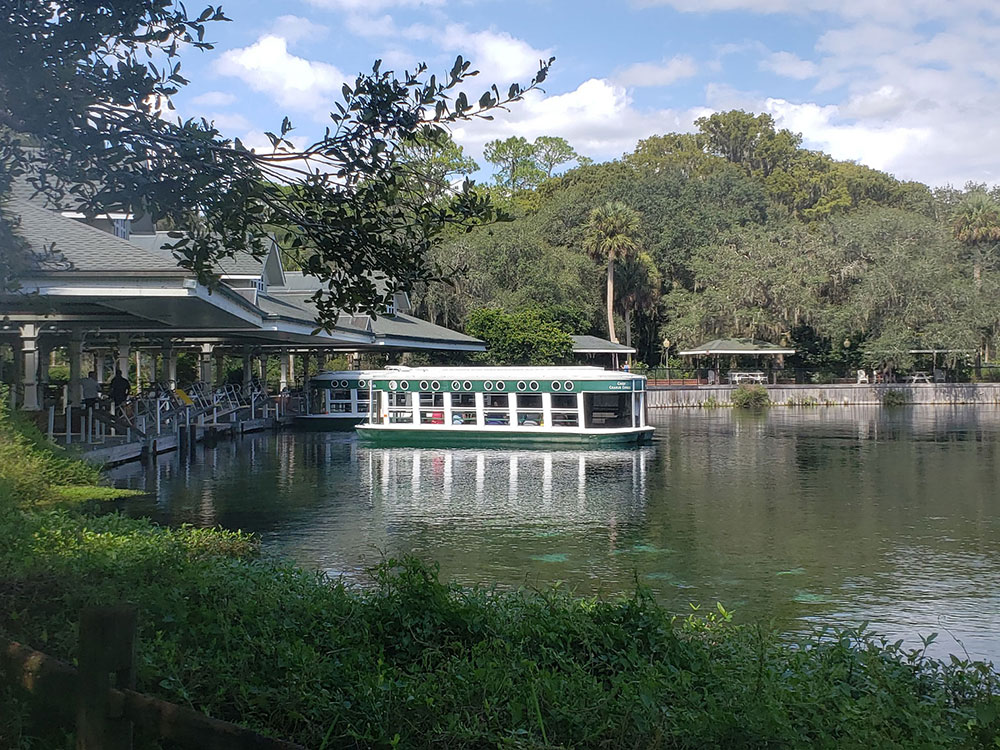
- Silver Springs State ParkRating:
- Wakulla Springs State ParkRating:
- Weeki Wachee Springs State ParkRating:
Overview
Florida is a Southeastern state of about 23 million people, known as the "Sunshine State" for its warm climate, beaches, theme parks, and wildlife. Tallahassee is the capital, Jacksonville is the largest city by population, and the Miami and Orlando areas are the best-known tourist centers. The name comes from Pascua Florida, Spanish for "feast of flowers."
Visitors come for the theme parks of Orlando, the beaches of the Emerald Coast, Tampa Bay, and Daytona Beach, the nightlife and art deco of Miami, and the island life of the Florida Keys and Key West. Others come to see manatees, alligators, and birds in the Everglades, explore St. Augustine, or watch a launch at Cape Canaveral.
Geography
Florida is a mostly flat peninsula between the Atlantic Ocean and the Gulf of Mexico, with more than 1,300 miles of coastline, the longest in the contiguous U.S. Much of the state is low-lying limestone, with freshwater springs, sinkholes, and wetlands, including the Everglades and Lake Okeechobee. The Panhandle is more hilly and forested, and Britton Hill, at 345 feet (105 m), is the lowest high point of any state. The Florida Keys curve southwest from the mainland, and the climate ranges from subtropical in the north to tropical in the south.
History
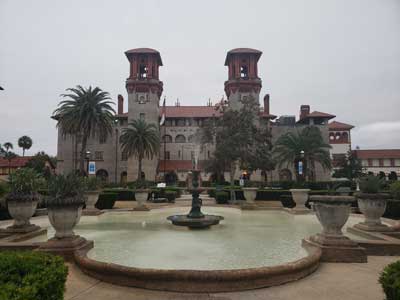
Calusa, Timucua, Apalachee, Tequesta, and other peoples lived in Florida when Juan Ponce de León arrived in 1513. Spain founded St. Augustine in 1565, the oldest continuously inhabited European-founded city in the continental U.S., and Florida passed between Spain, Britain, and the United States, which acquired it in 1819. Florida became the 27th state in 1845, and the Seminole Wars displaced many Native people. Henry Flagler's railroad and Henry Plant's lines opened the state to tourism in the late 1800s, and air conditioning, Walt Disney World, and the space program drove 20th-century growth.
Atlantic Coast Beaches
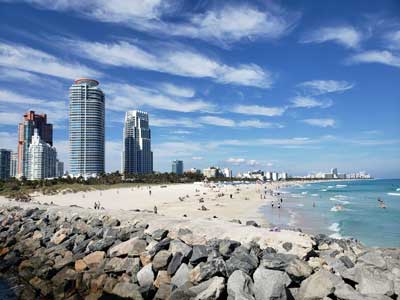
Florida's Atlantic coast runs about 580 miles from the Georgia line to Miami, with long barrier-island beaches, inlets, and some of the best surfing in the Southeast. Fernandina Beach on Amelia Island is a Victorian seaside town at the northern end, and St. Augustine, founded in 1565, has beaches, Castillo de San Marcos, and the oldest European-founded city in the continental U.S. Daytona Beach is known for its hard-packed sand, where cars once raced, and the Daytona International Speedway. Farther south, the Space Coast has Canaveral National Seashore, Kennedy Space Center, and surfing at Cocoa Beach, and the Treasure Coast and the Palm Beach area have wide beaches and wealthy resort towns. Fort Lauderdale offers beaches and canals, and sea turtles nest on Atlantic beaches from May through October.
Tampa Bay Area
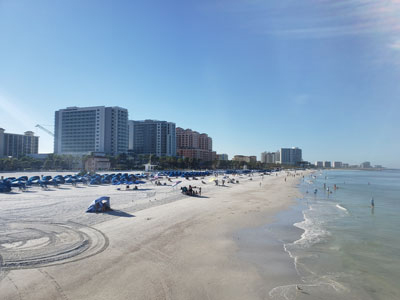
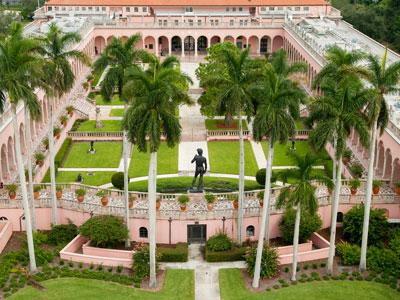
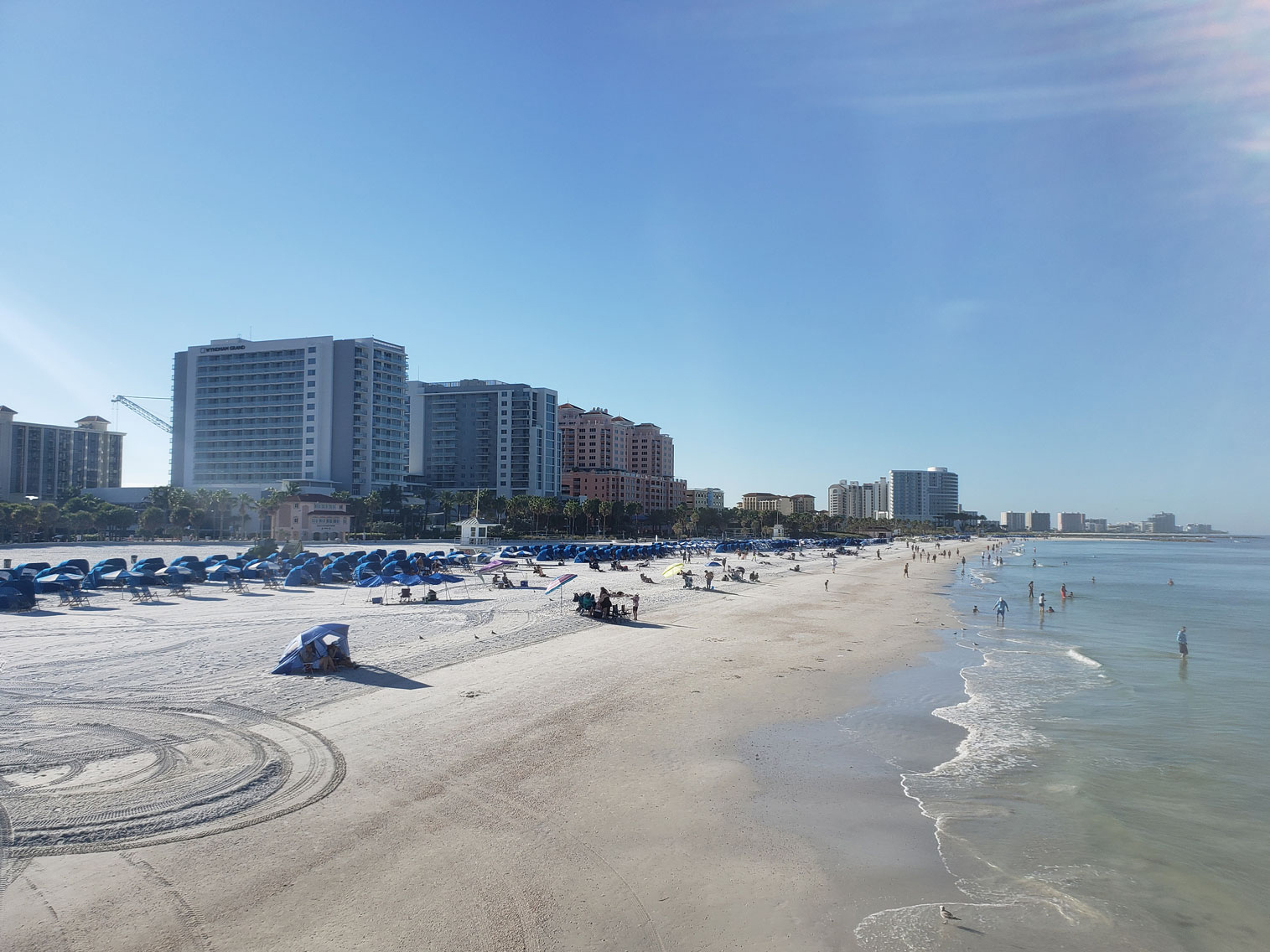
The Tampa Bay area on Florida's central Gulf coast is the state's second largest metropolitan region, with about 3.2 million people spread across Tampa, St. Petersburg, and Clearwater. Tampa has the Busch Gardens theme park, the Florida Aquarium, the Tampa Riverwalk, the historic Cuban cigar-making district of Ybor City, and Raymond James Stadium. St. Petersburg is known for its museums, including the Salvador Dalí Museum, and its sunny waterfront, while Clearwater Beach regularly ranks among the best beaches in the United States. The barrier islands to the north also include Honeymoon Island and Caladesi Island state parks, and Dunedin is a charming small town with a Scottish heritage. South of the bay, Sarasota and Anna Maria Island have beaches and a cultural scene.
Fort Myers, Cape Coral, and Naples
Southwest Florida, known as the Lee Island Coast and the Paradise Coast, has some of the state's calmest beaches and shelling. Fort Myers is the gateway to the area, with the Edison and Ford Winter Estates, the winter homes of Thomas Edison and Henry Ford, and Cape Coral is a canal city with more miles of canals than Venice, Italy. The islands of Sanibel and Captiva are renowned for their shells, and J.N. "Ding" Darling National Wildlife Refuge protects mangroves and birds. Cayo Costa and Gasparilla Island offer more remote beaches and fishing for tarpon. Naples, to the south, is an upscale resort city with a pier, white-sand beaches, golf, and the gateway to the Ten Thousand Islands. The area was hit by Hurricane Ian in 2022 and has been rebuilding.
Miami
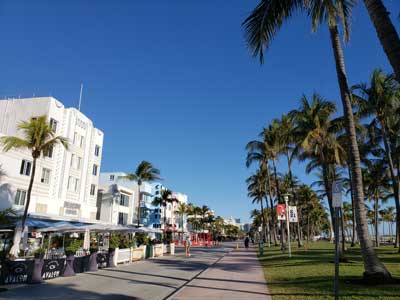
Miami is a vibrant, multicultural city on Biscayne Bay, a gateway to Latin America, and the largest city in South Florida. South Beach is famed for its Art Deco hotels, beaches, nightlife, and Ocean Drive, and Lincoln Road is a pedestrian mall. The Cuban culture of Little Havana, with Cuban coffee and dominoes, the street art of Wynwood Walls, the Design District, and the Haitian community of Little Haiti show the city's diversity. Vizcaya Museum and Gardens is a Gilded Age Italianate estate, Coral Castle is a strange stone sculpture park, and Bill Baggs Cape Florida State Park has a historic lighthouse and beaches. Coral Gables, with its Venetian Pool and Mediterranean Revival architecture, is another highlight.
Florida Keys and Key West
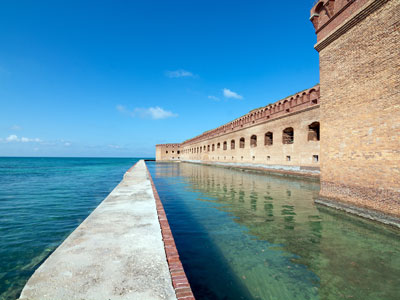
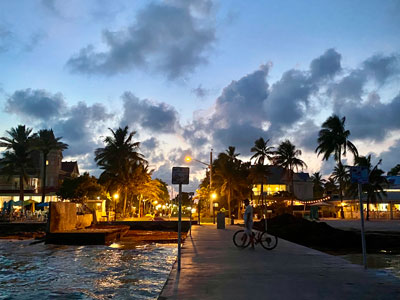
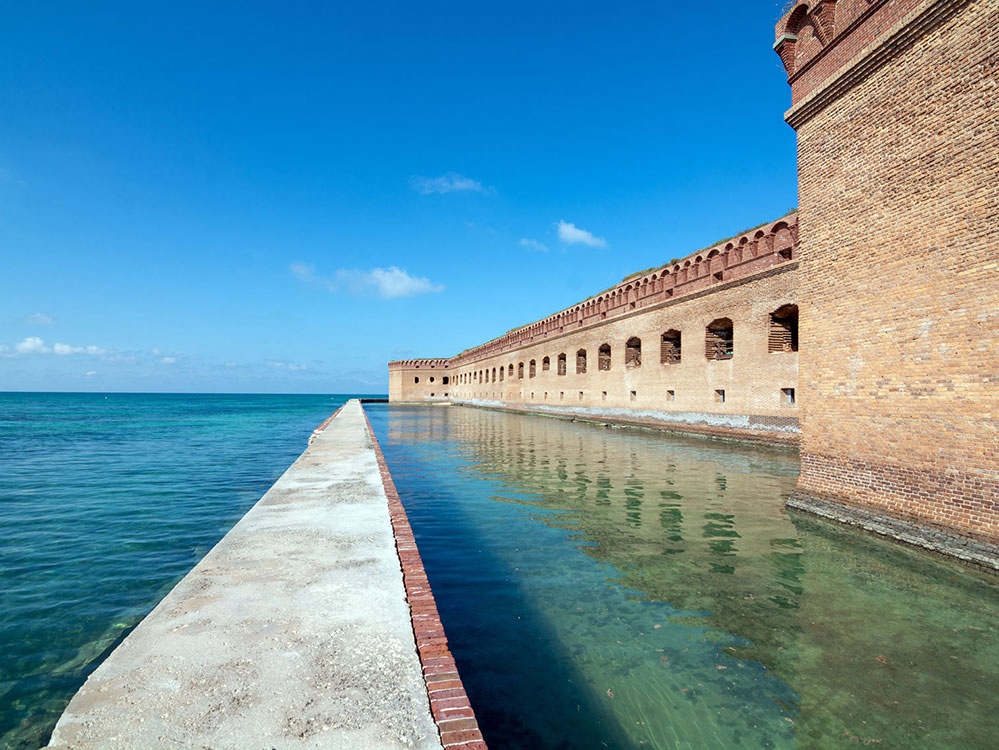
The Florida Keys are a 120-mile chain of islands extending southwest from the mainland, linked by the Overseas Highway (U.S. 1) and 42 bridges, including the Seven Mile Bridge. The shallow waters have the only living coral barrier reef in the continental U.S., and snorkelers and divers flock to John Pennekamp Coral Reef State Park in Key Largo, while Bahia Honda State Park has some of the best beaches in the Keys. Key West, at the end of the road, is a colorful island town about 90 miles from Cuba, with the Duval Street nightlife, the sunset celebration at Mallory Square, the Ernest Hemingway House with its six-toed cats, the Truman Little White House, and the Southernmost Point Buoy. Boats and seaplanes go to Dry Tortugas National Park.
Orlando
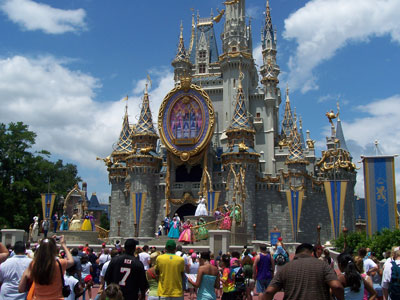
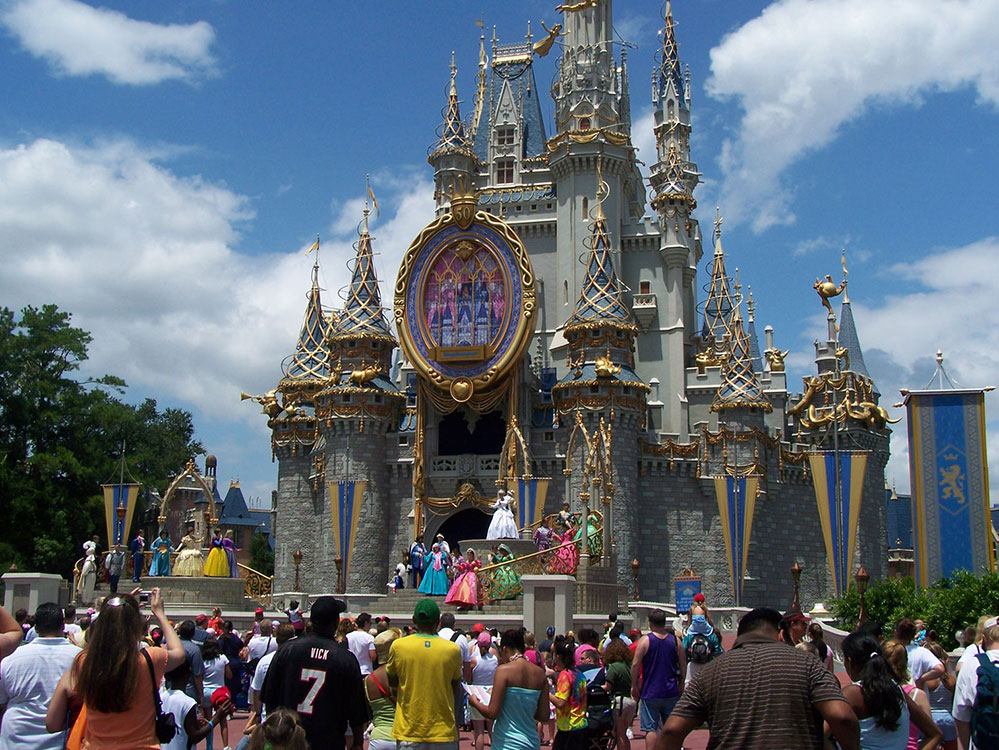
Orlando is the theme park capital of the world and the most visited destination in the United States. Walt Disney World, which opened in 1971, includes Magic Kingdom, EPCOT, Hollywood Studios, Animal Kingdom, and the shopping and dining complex of Disney Springs. Universal Orlando has Universal Studios Florida, Islands of Adventure, Volcano Bay, and Epic Universe, and SeaWorld Orlando and ICON Park add attractions. The city also has Lake Eola Park, the Mennello Museum, and Gatorland, and the Kennedy Space Center is about an hour away.
The Everglades
Everglades National Park protects the largest subtropical wilderness in the United States, a vast "river of grass" that flows slowly from Lake Okeechobee to Florida Bay. It is the only place in the world where alligators and crocodiles live together, and it is home to manatees, roseate spoonbills, wading birds, and the endangered Florida panther. Visitors can walk the Anhinga Trail to see alligators and birds up close, ride the tram at Shark Valley, view the glades from the Pa-hay-okee Overlook, and paddle or take boat tours in the Ten Thousand Islands and at Flamingo. Big Cypress National Preserve and Fakahatchee Strand adjoin the park. The dry season from December to April is the best time to visit, because mosquitoes are fewer and wildlife gathers.
Pensacola and the Emerald Coast
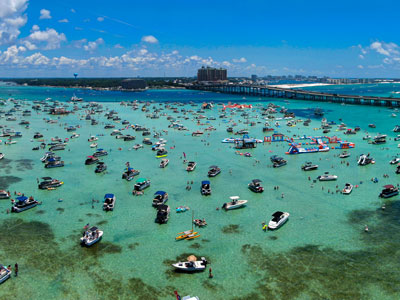
The Panhandle's Gulf coast has sugar-white quartz sand and emerald-green water. Pensacola, the westernmost city, was settled by the Spanish in 1559 and has a rich naval aviation tradition, the Pensacola Historic District, and Pensacola Beach. Gulf Islands National Seashore protects barrier islands and Fort Pickens, and the National Naval Aviation Museum is a major draw. East of Pensacola the Emerald Coast stretches through Destin, known for fishing, Sandestin, and the planned communities of 30A, including Rosemary Beach and Grayton Beach State Park, to Panama City Beach. Dune lakes, white dunes, and state parks like Topsail Hill make the region popular for families, especially in summer.
National Protected Areas
Florida has three national parks. Everglades National Park protects the largest subtropical wilderness in the U.S., Biscayne National Park is mostly underwater with coral reefs, and Dry Tortugas is a remote island group with Fort Jefferson. Big Cypress National Preserve protects swampland, and Canaveral and Gulf Islands National Seashores have unspoiled beaches. Castillo de San Marcos National Monument in St. Augustine is the oldest masonry fort in the continental U.S.
State Parks and Historic Sites
Florida's state parks have won national awards for their quality. Many are built around freshwater springs, including Wakulla Springs, Silver Springs, and Weeki Wachee Springs, where mermaid shows have been performed since 1947. Fakahatchee Strand is known for its wild orchids and the elusive ghost orchid, and Corkscrew Swamp Sanctuary has a long boardwalk through old-growth cypress. Crystal River is a favorite place to swim with manatees in winter.
Seasons and When to Visit
Winter, from December through April, is the dry season and the busiest time, with mild weather in the south and the best conditions for the Everglades, the Keys, and manatee viewing. Spring brings sea turtle nesting and spring break crowds on the beaches, and summer is hot and humid, with daily thunderstorms. Hurricane season runs from June through November, with the highest risk from August to October, so travelers should check forecasts and consider flexible bookings.
This article uses material from the Wikipedia article "Florida", which is released under the Creative Commons Attribution-Share-Alike License 3.0. Additional information was drawn from National Park Service, Florida State Parks, and Visit Florida.