City famous for its beach, where the hard-packed sand allows motorized vehicles to drive on the beach.
General Information
- Hours:
-
Beach is open 24/7
The beach is open to vehicles from 8:00 a.m. and 7:00 p.m. or sundown whichever is earlier from May 1 through October 31, and between sunrise to sunset from November 1 to April 30, tides permitting - Fees:
-
The beach is always open and free to pedestrians and bicyclists depending on tides and access ramps being opened.
There is a year-round $20 per day per vehicle access fee to drive on the beach; this includes one same-day re-entry. Annual beach passes are $25 for Volusia County residents and $100 for non-residents - Pet Policy:
- No pets allowed
- Seasons:
- All year
Overview
Daytona Beach is a coastal city on Florida's northeast Atlantic coast, famous as the "World's Most Famous Beach" and as the home of NASCAR and the Daytona 500. Its hard-packed sand beach, 23 miles long, has allowed cars to drive on it since the early 1900s, and the city became a center for land speed record attempts before stock car racing began here. Today the city is known for the Daytona International Speedway, Bike Week and Biketoberfest, spring break, and its oceanfront boardwalk.
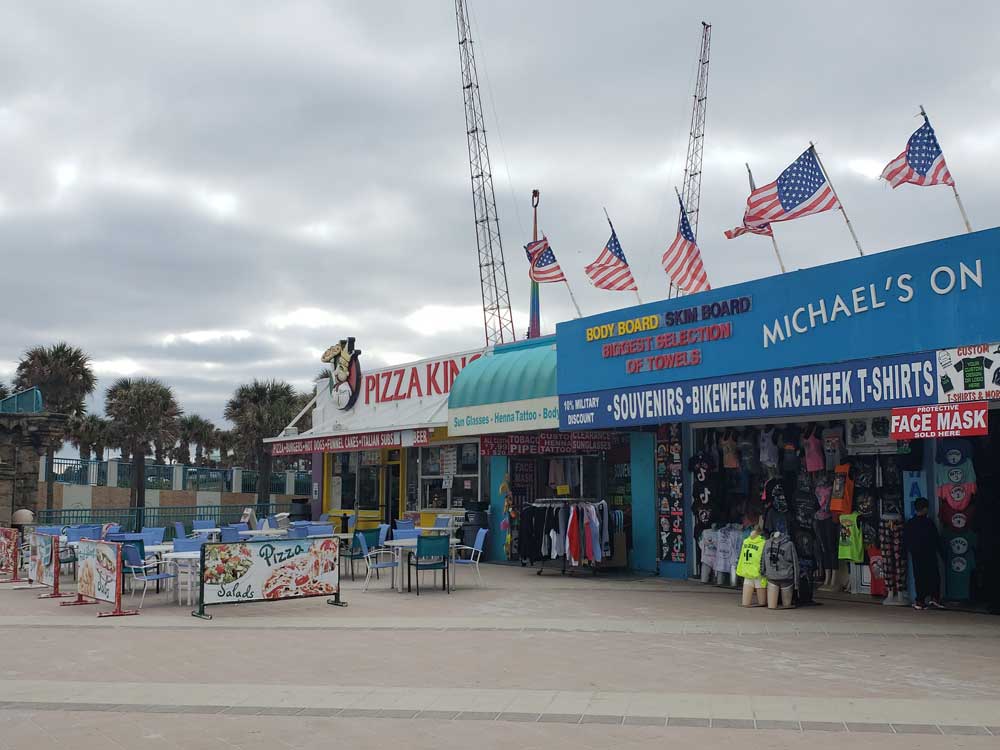
Visitors come to Daytona Beach for the Daytona International Speedway and its racing events, for the Boardwalk and Main Street Pier, and for driving or sunbathing on the beach. They also come for Bike Week in March, the Daytona 500 in February, and for the Ponce de León Inlet Lighthouse, and it is about an hour from Orlando and from St. Augustine.
History
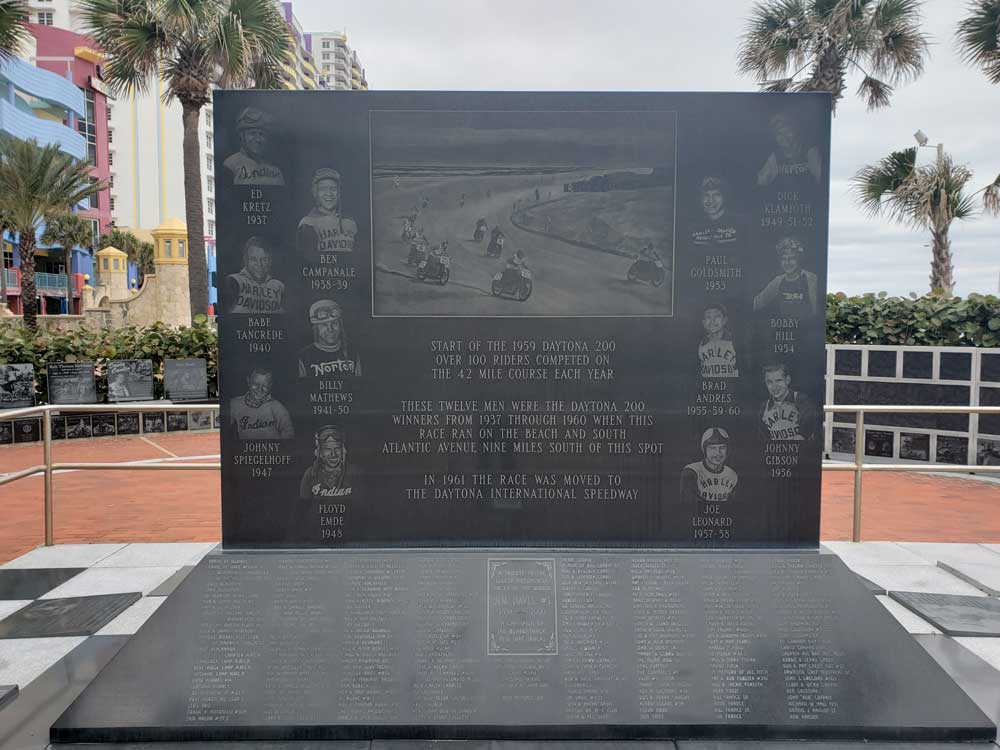
The area was home to the Timucua people, and the city was founded in 1876 by Mathias Day, an Ohio businessman, who bought land here and named the town Daytona. In the early 1900s, race car drivers discovered that the hard sand of the beach was ideal for speed trials, and between 1903 and 1935 many land speed records were set there, by drivers such as Sir Malcolm Campbell. In 1936, the first stock car race was held on a course that included the beach and a road, and NASCAR was founded here in 1948 by Bill France Sr. The Daytona International Speedway opened in 1959, and the first Daytona 500 was held that year.
Sightseeing and Popular Landmarks
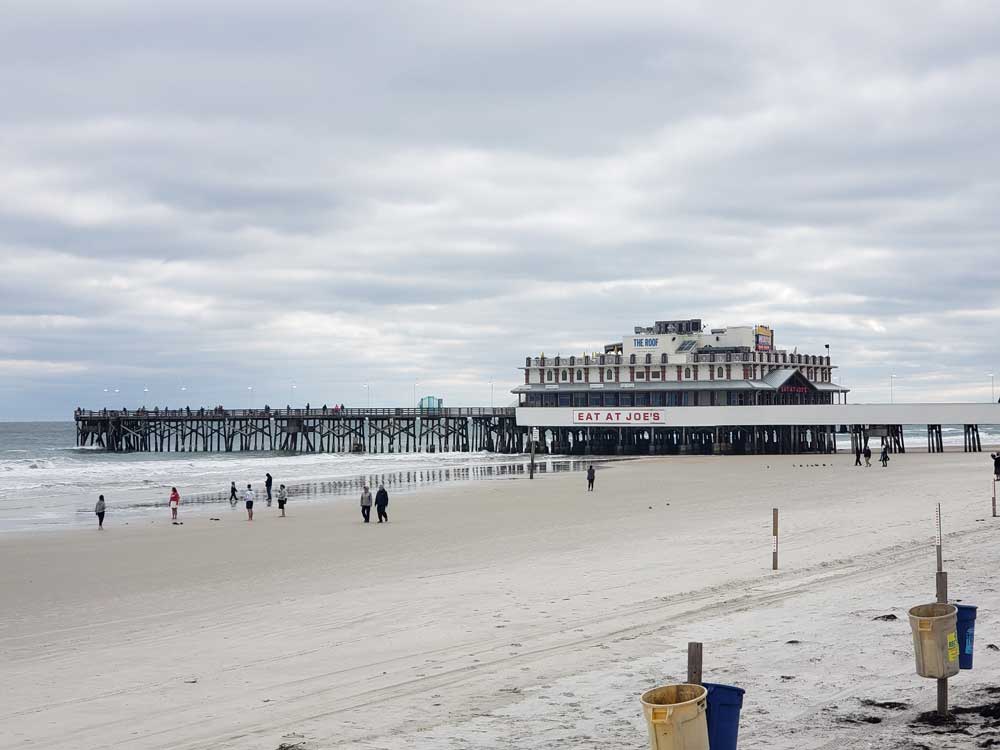
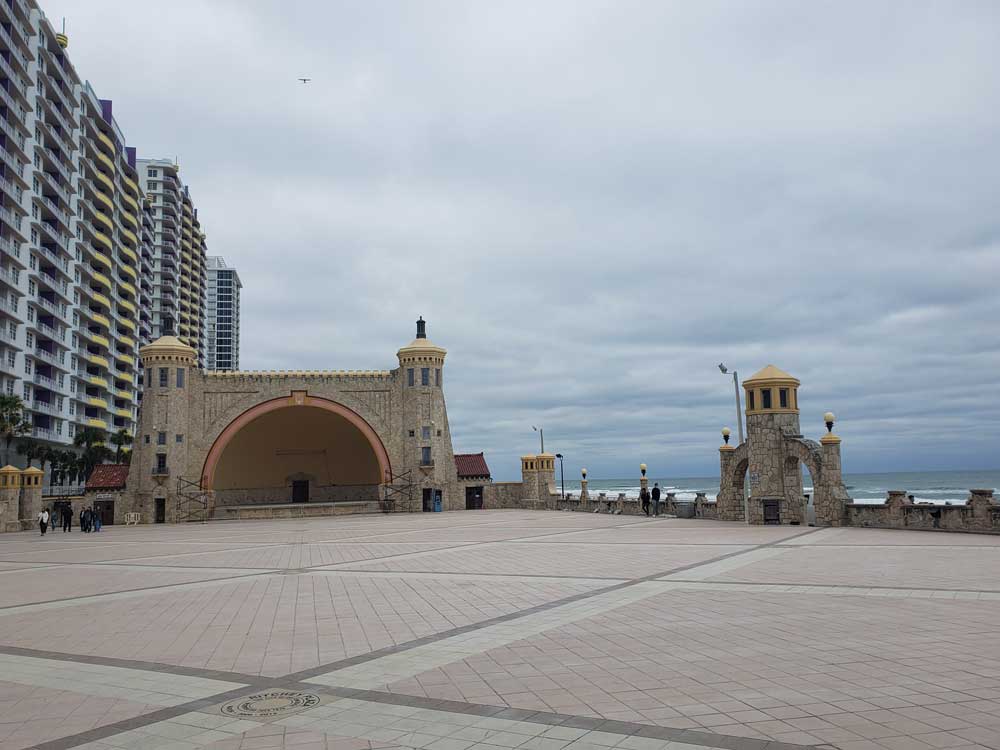
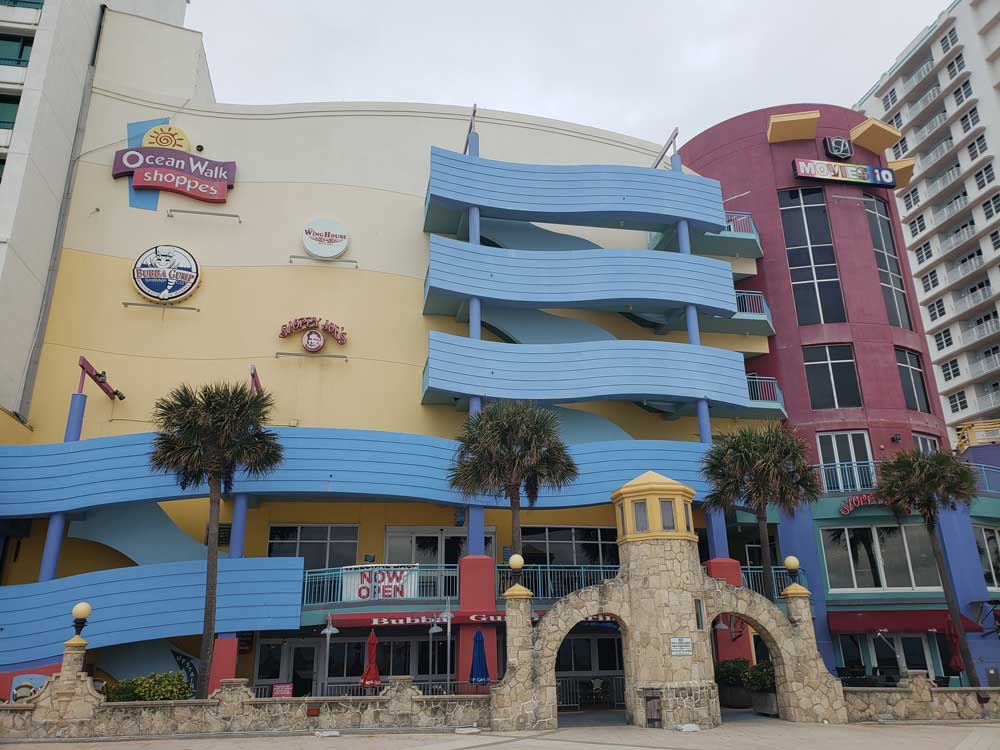
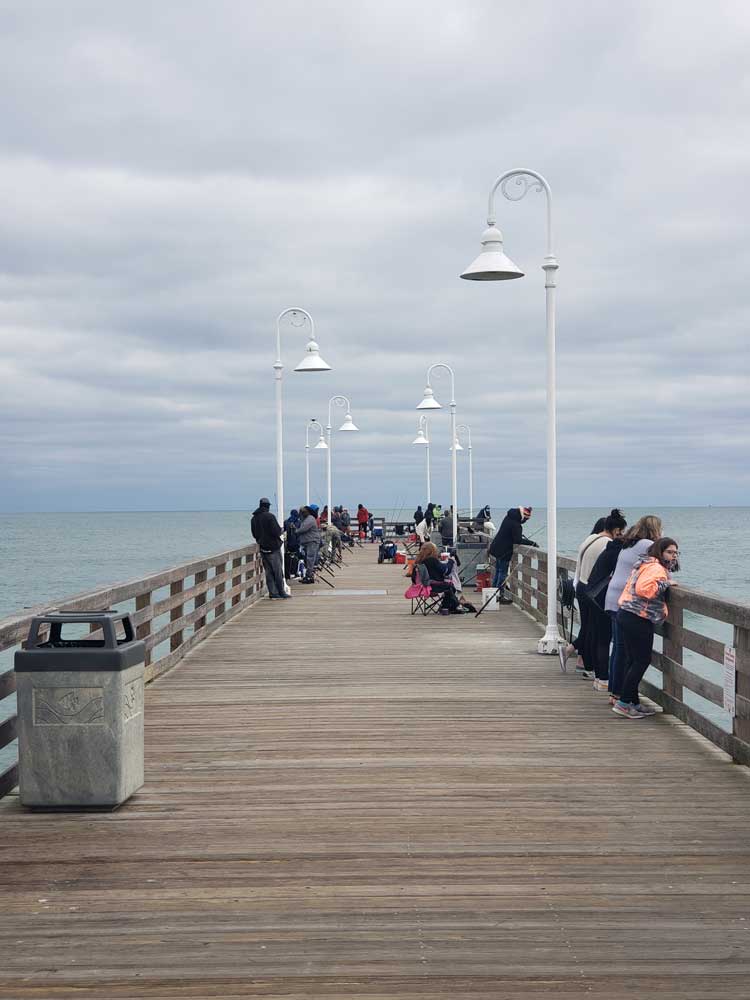
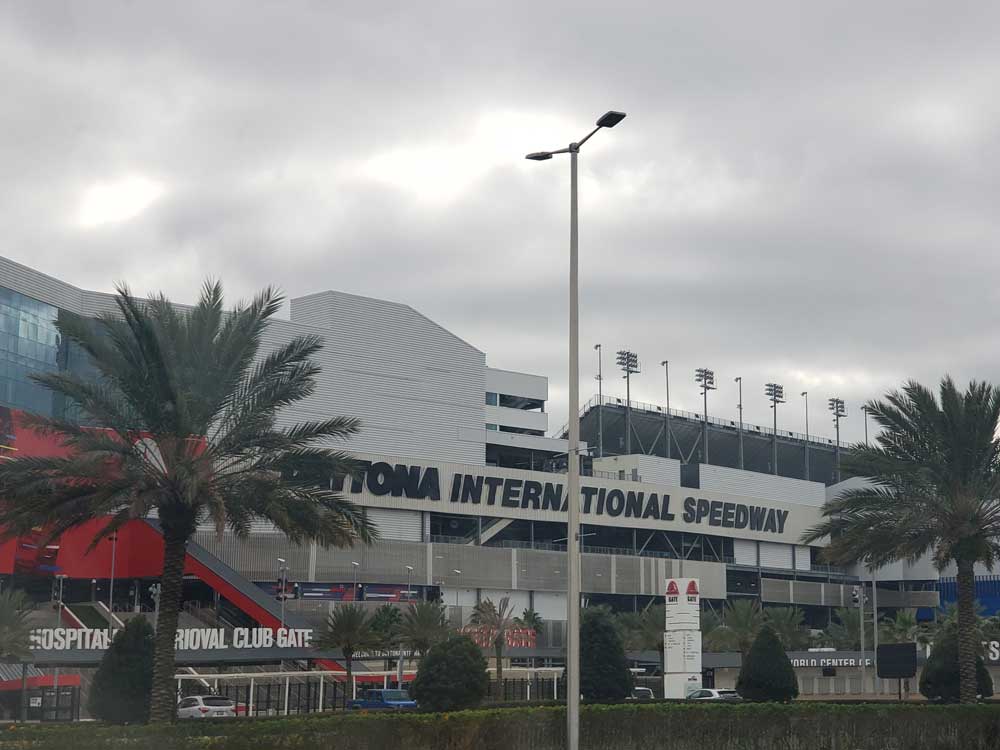
The Daytona International Speedway offers tours of the track, a visitor center, and the Daytona 500 Experience, and the Daytona Beach Boardwalk has an amusement area, an arcade, and the Daytona Beach Bandshell. The Main Street Pier extends over the Atlantic, and the Ponce de León Inlet Lighthouse, at 175 feet, is the tallest in Florida and has views of the coast. The Museum of Arts & Sciences has a collection of art and artifacts.
Culture and Museums
The Museum of Arts & Sciences has a large collection of art, including Cuban art, and the Halifax Historical Museum shows the city's past. The Mary McLeod Bethune Home on the campus of Bethune-Cookman University honors the educator and civil rights leader. Major events include the Daytona 500 in February, Bike Week in March, the Coke Zero Sugar 400 in summer, and Biketoberfest in October.
Parks
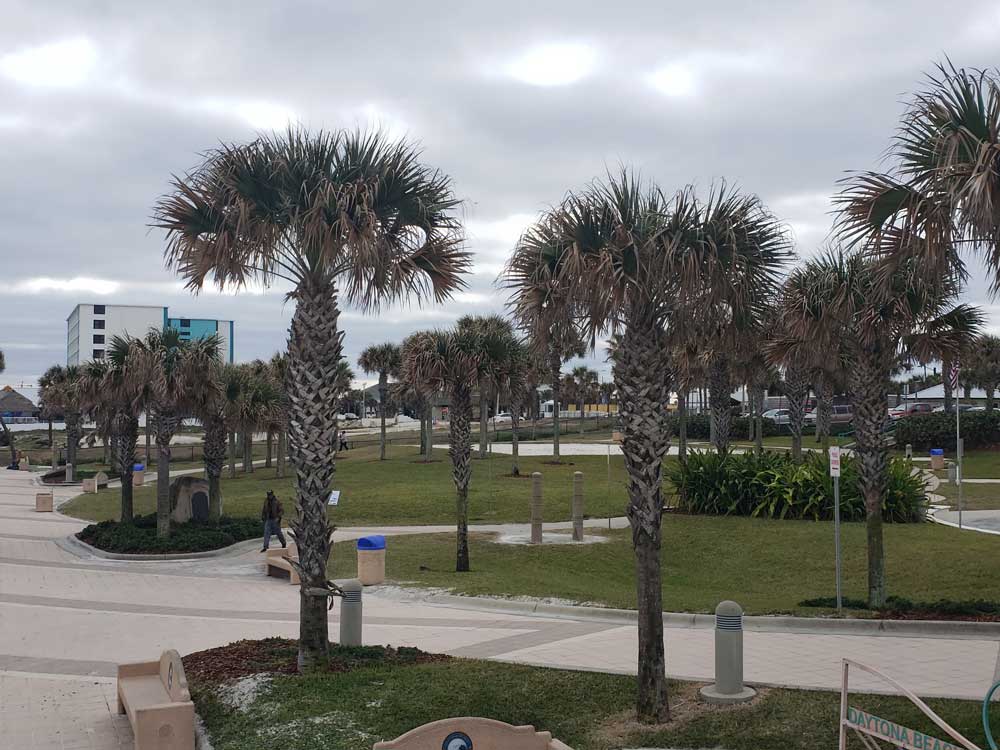
Daytona Beach has a wide beach where cars can drive on certain sections at low speeds, as well as Lighthouse Point Park in Ponce Inlet, with a beach and nature trails. Tomoka State Park, north of the city, has an old plantation site and paddling on the Tomoka River, and Bulow Creek State Park has a giant live oak, the Fairchild Oak. The Halifax River and the Intracoastal Waterway offer boating and fishing.
Seasons and Weather
Daytona Beach has a humid subtropical climate. Summers are hot and humid, with highs in the low 90s°F and afternoon thunderstorms, and winters are mild, with highs in the 70s°F. The busiest times are during race weeks, spring break, and Bike Week, and hurricane season runs from June to November.
Major Events
| Event | When |
|---|---|
| 24 Hours of Daytona | January |
| Speedweeks and the Daytona 500 | Early February |
| Bike Week | Early March |
| Coke Zero Sugar 400 | August |
| Biketoberfest | Late October |
Things to Do
- Daytona International Speedway: guided tours and interactive exhibits on NASCAR history
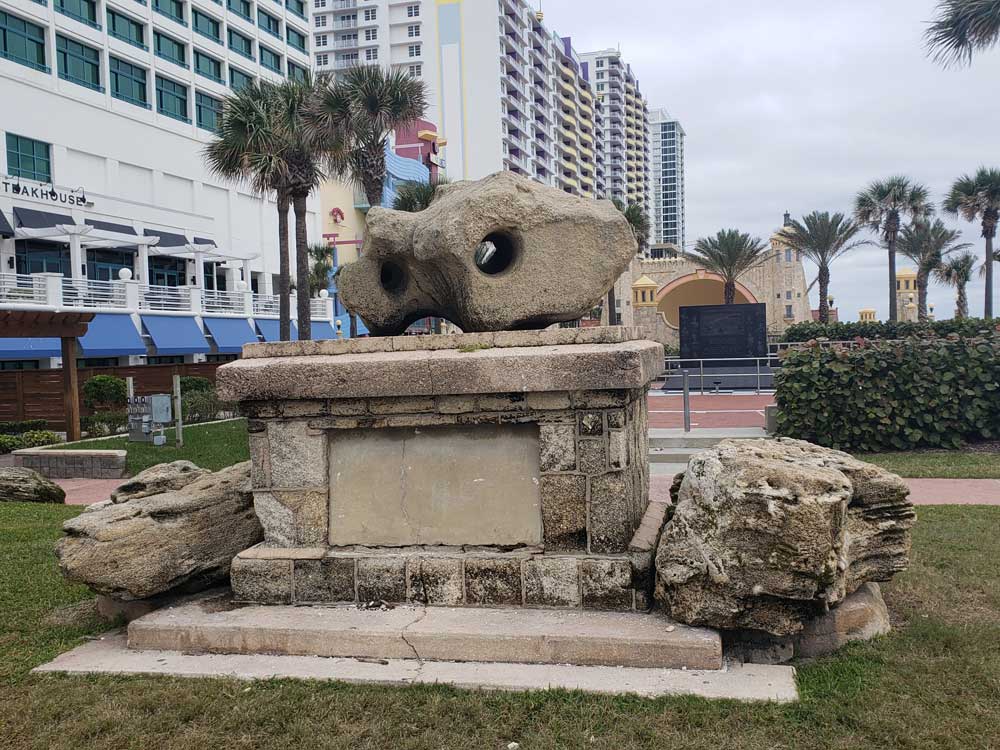
- Boardwalk and Pier: arcades, rides, restaurants, and the Daytona Beach Bandshell (a 1937 coquina rock amphitheater)
- Beach: swimming, surfing, and beach walks
- Museums: the Museum of Arts & Sciences and the Cici and Hyatt Brown Museum of Art
- Ponce de Leon Inlet Lighthouse: one of the tallest lighthouses in the country
- Nature: the Marine Science Center, kayak eco-tours, and Tomoka State Park
Top Trails
| Trail | Length | Difficulty | Highlights |
|---|---|---|---|
| Boardwalk and Beach Walk | Varies | Easy | Ocean views, shops, and restaurants |
| Ponce Preserve Trail | About 1 mile loop | Easy | Coastal hammock, dunes, and Halifax River views |
| Tomoka State Park Nature Trails | Varies | Easy | Coastal forest and river |
| Central Park Trail System (Ormond Beach) | About 7 miles | Easy | Wetlands and woodlands |
This article uses material from Wikipedia as well as information from official tourism and institutional sources. Key references include Visit Daytona Beach, Daytona International Speedway, Ponce Inlet Lighthouse & Museum, Florida State Parks, Visit Florida, and National Weather Service Melbourne. Wikipedia material is from the article "Daytona Beach, Florida", and is available under the Creative Commons Attribution-Share-Alike License 3.0.