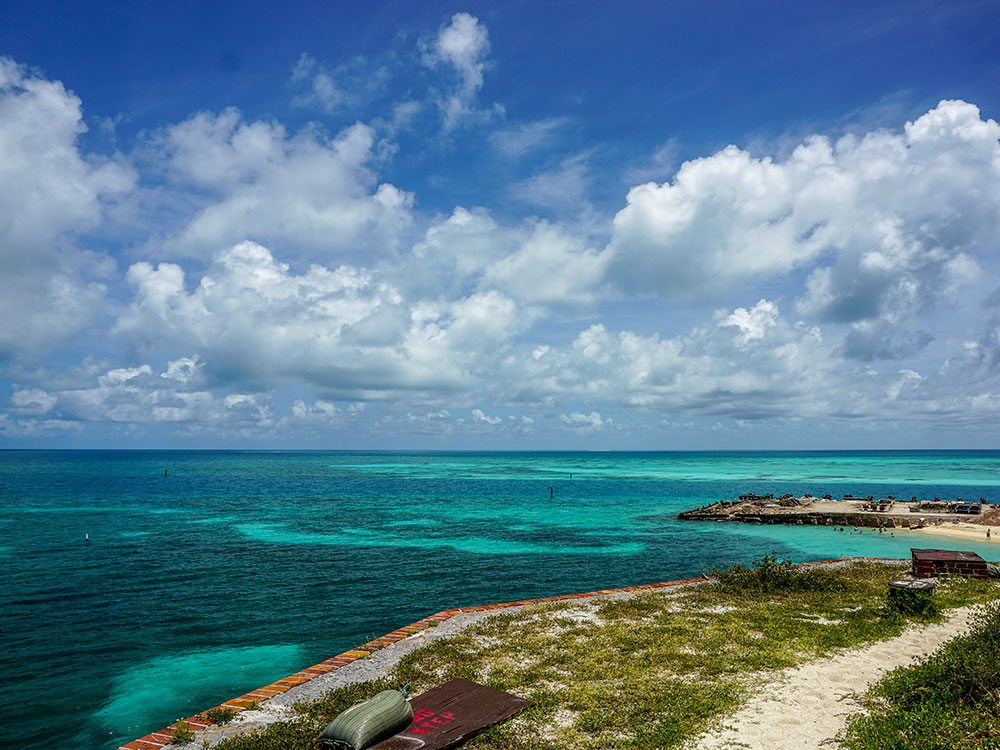
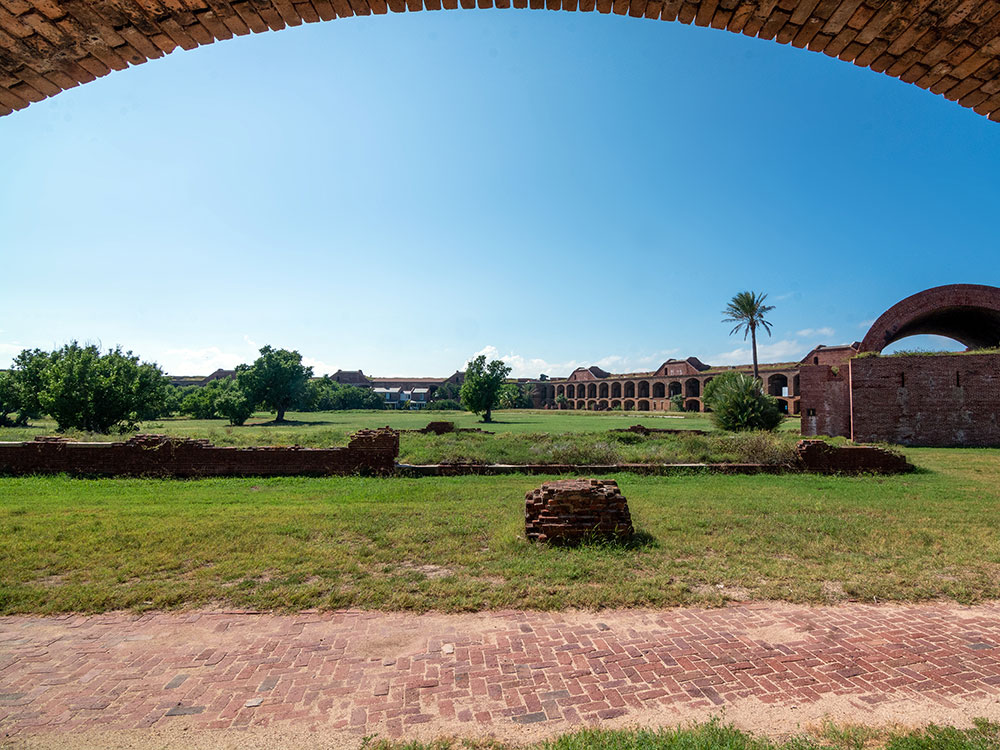
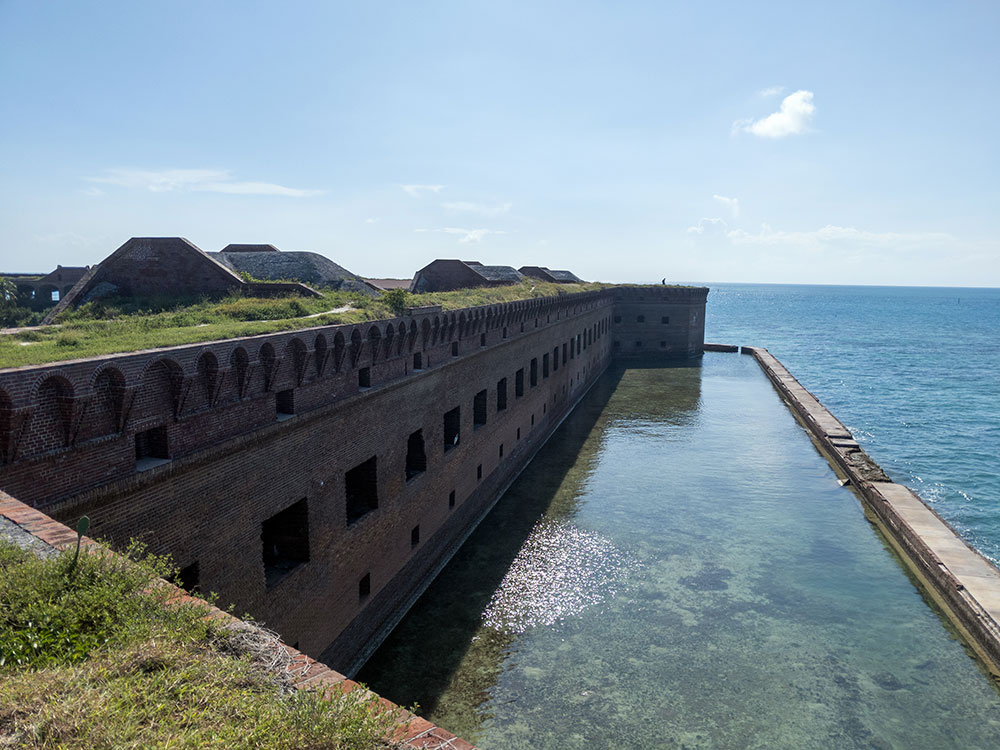
National park about 68 miles west of Key West in the Gulf of Mexico, preserving Fort Jefferson and the Dry Tortugas islands, the westernmost and most isolated of the Florida Keys
General Information
Children age 15 and under: Free
America the Beautiful Passes accepted
Transportation fees by ferry or seaplane are separate and additional
How to Get There
From Key West (70 mi): Travel to the Yankee Freedom III Ferry Terminal at 100 Grinnell Street in Key West or board a seaplane from Key West International Airport, then cross approximately 70 miles west over the Gulf of Mexico to reach Garden Key and Fort Jefferson within Dry Tortugas National Park.
Overview
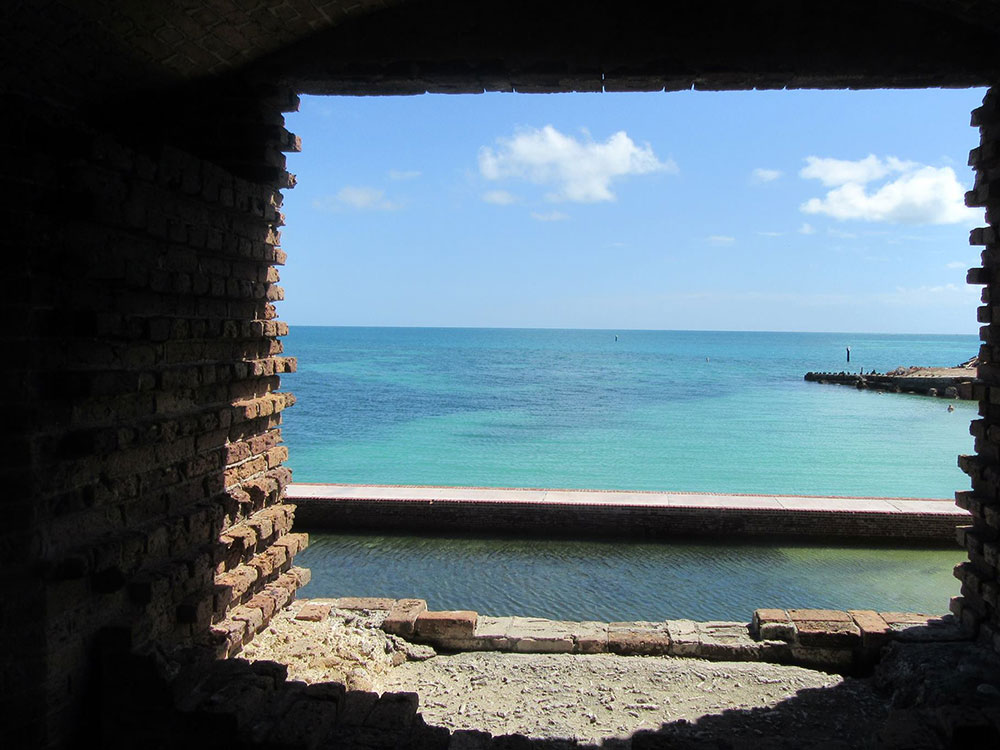
Dry Tortugas National Park is a remote national park about 70 miles west of Key West, made up of seven small coral islands, the westernmost of the Florida Keys, and more than 99 percent open water. Its centerpiece is Fort Jefferson, the largest brick masonry structure in the Western Hemisphere, built of more than 16 million bricks and never finished. The park is also known for coral reefs, snorkeling, tropical bird colonies, and shipwreck legends, and is accessible only by ferry, seaplane, or boat.
Ponce de León named the islands "Tortugas" (turtles) in 1513, and the "Dry" refers to the lack of fresh water. The fort, begun in 1847, later served as a prison; Dr. Samuel Mudd, who treated John Wilkes Booth, was held here until pardoned in 1869. Fort Jefferson National Monument was established in 1935 and redesignated a national park in 1992.
Most visitors take the Yankee Freedom catamaran from Key West for a full-day trip to Garden Key to tour the fort, swim, and snorkel. The park is a top spot for bird migration in April, with the only nesting colonies of sooty terns, brown noddies, magnificent frigatebirds, and masked boobies in the contiguous U.S. Nearby, Bush Key is a seabird rookery and Loggerhead Key has a lighthouse and fine snorkeling. Overnight camping is limited to eight primitive sites at Garden Key.
Visiting by Ferry
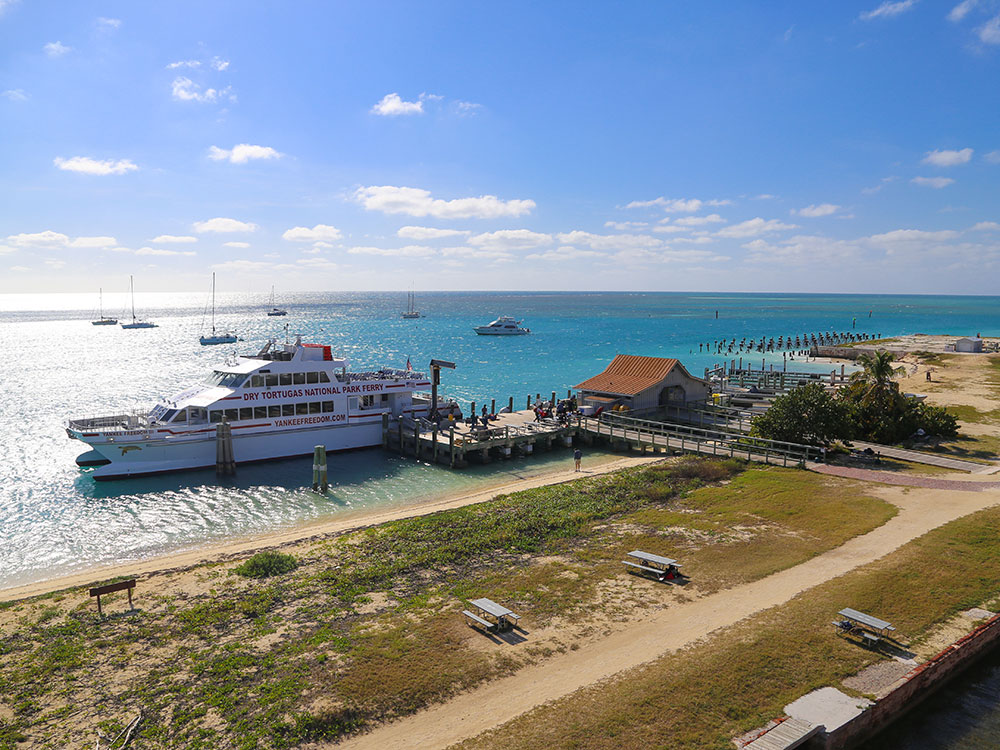
A ferry excursion to Dry Tortugas National Park and Fort Jefferson is one of the most popular ways to visit this remote national park located approximately 70 miles west of Key West, Florida. The journey is operated by the Yankee Freedom, an authorized National Park Service concessionaire, aboard a high-speed catamaran that transports visitors across the Gulf of Mexico to Garden Key, home of the historic Fort Jefferson.
The full-day excursion combines transportation, sightseeing, history, and outdoor recreation in a single experience. Upon arrival, visitors can explore Fort Jefferson, one of the largest masonry forts ever built in the Americas, relax on white-sand beaches, swim in crystal-clear waters, snorkel among coral reefs and tropical fish, enjoy birdwatching, or simply take in the scenery of one of America's most remote national parks. The ferry ride itself offers opportunities to observe marine life and enjoy panoramic ocean views.
What's Included
- Round-trip ferry transportation between Key West and Dry Tortugas National Park
- National Park entrance fee
- Access to Fort Jefferson
- Complimentary snorkeling equipment
- Narrated fort tour
- Time for swimming, snorkeling, beach walking, and sightseeing
- Comfortable indoor and outdoor seating areas aboard the ferry
Pricing
| Excursion Type | Starting Price |
|---|---|
| Dry Tortugas Day Trip Ferry | $245 per person |
| Dry Tortugas Camping Ferry Package | $265 per person |
The standard day-trip ferry excursion starts at approximately $245 per person and includes ferry transportation and park admission. Camping packages begin at approximately $265 per person and include transportation for visitors staying overnight at the island campground. Additional fees may apply for campsite reservations and optional activities.
Highlights
- Fort Jefferson, one of the largest coastal forts in North America
- Remote island scenery with turquoise waters and sandy beaches
- Excellent snorkeling opportunities around coral reefs and marine habitats
- Wildlife viewing, including seabirds and marine life
- A unique national park experience accessible primarily by boat or seaplane
This article uses material from the Wikipedia article "Dry Tortugas National Park" and the Yankee Freedom Dry Tortugas Ferry ticketing and pricing pages, released under the Creative Commons Attribution-Share-Alike License 3.0.
Featured Locations
Daniel Kraft, CC BY-SA 3.0, via Wikimedia Commons; Image Size Adjusted

Bush Key
A remote undeveloped island featuring pristine beaches, nesting seabirds, shallow turquoise waters, and a scenic shoreline trail within one of America's most isolated national parks.
-400.jpg)
NPS Natural Resources, Public domain, via Wikimedia Commons; Image Size Adjusted
.jpg)
Loggerhead Key
A remote island featuring a historic lighthouse, pristine beaches, coral reef ecosystems, abundant marine life, and some of the clearest waters in the Gulf of Mexico.


-1000.jpg)
.jpg)