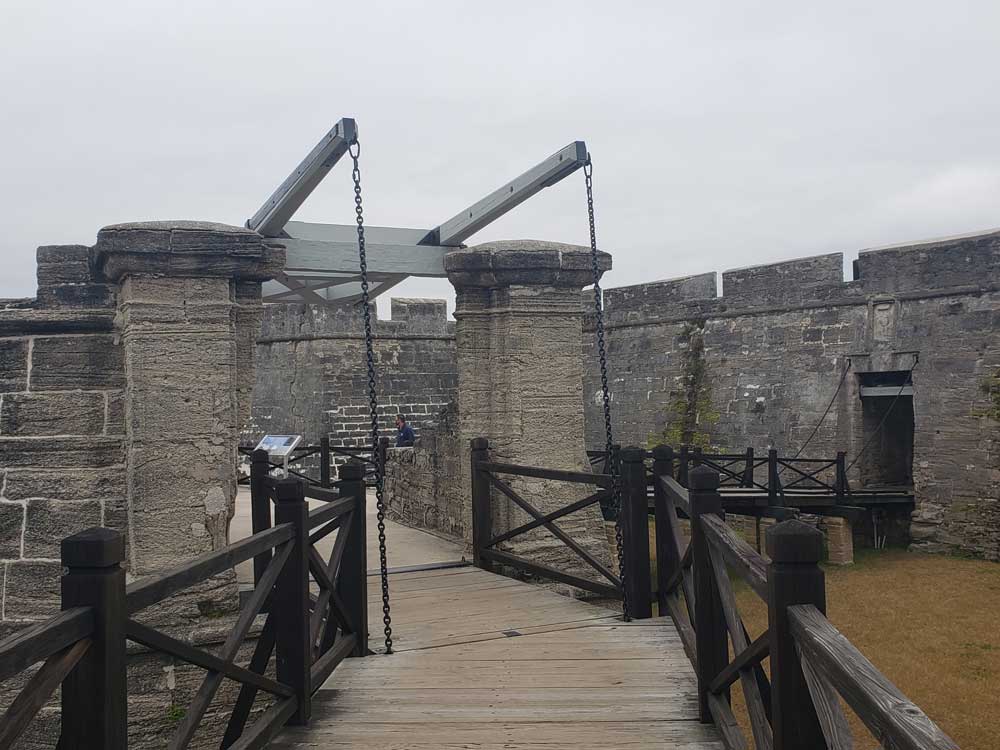
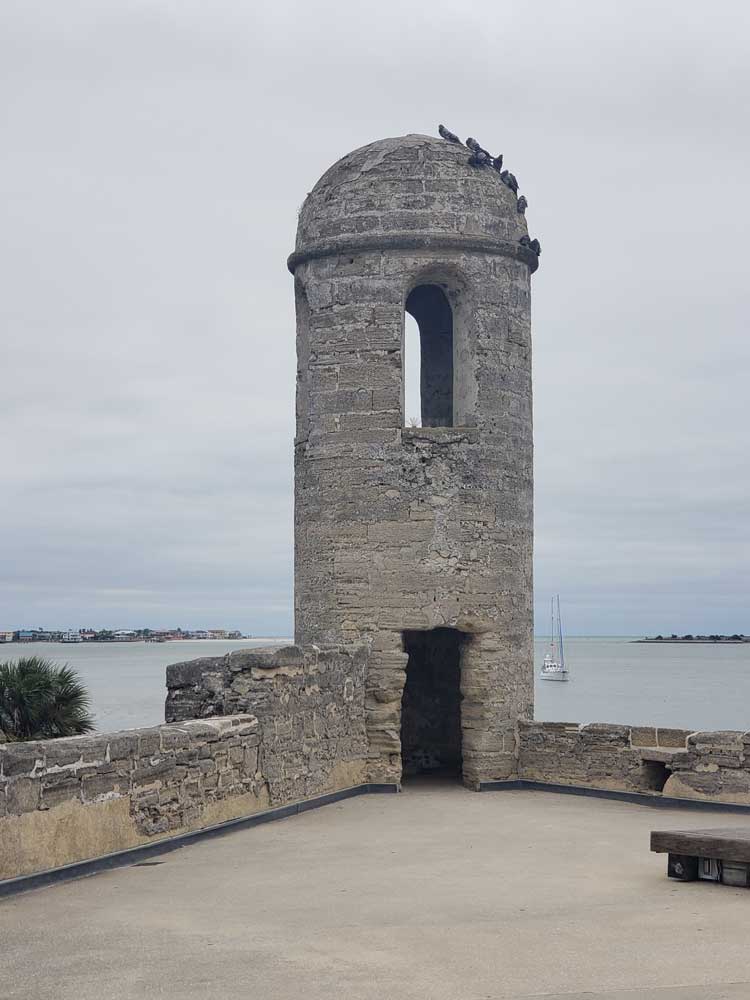
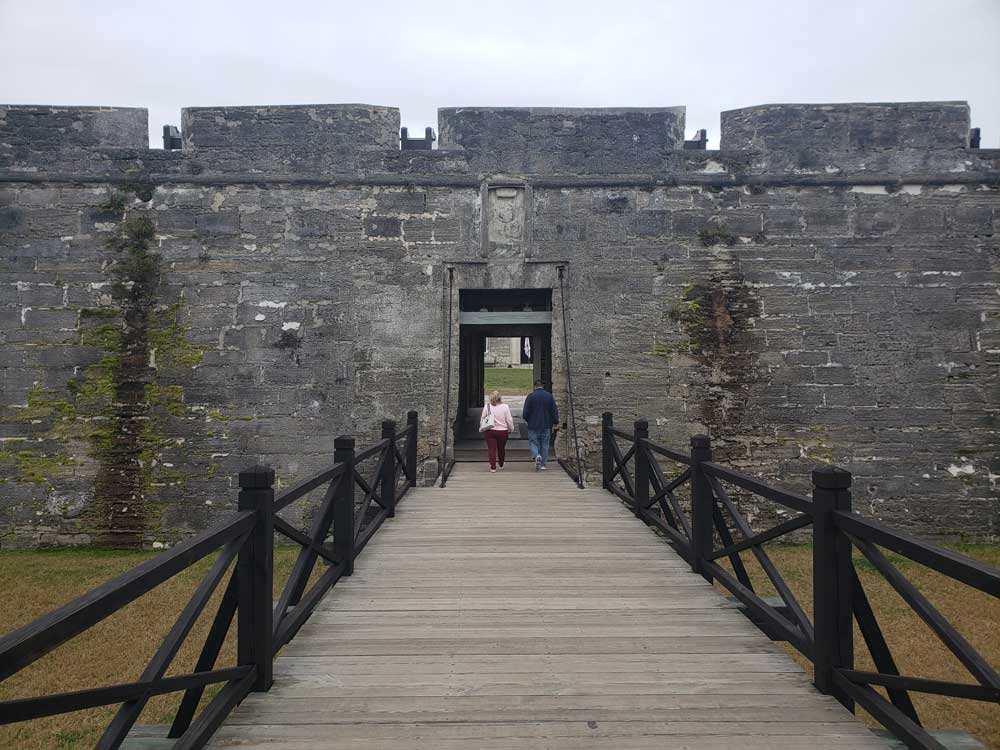
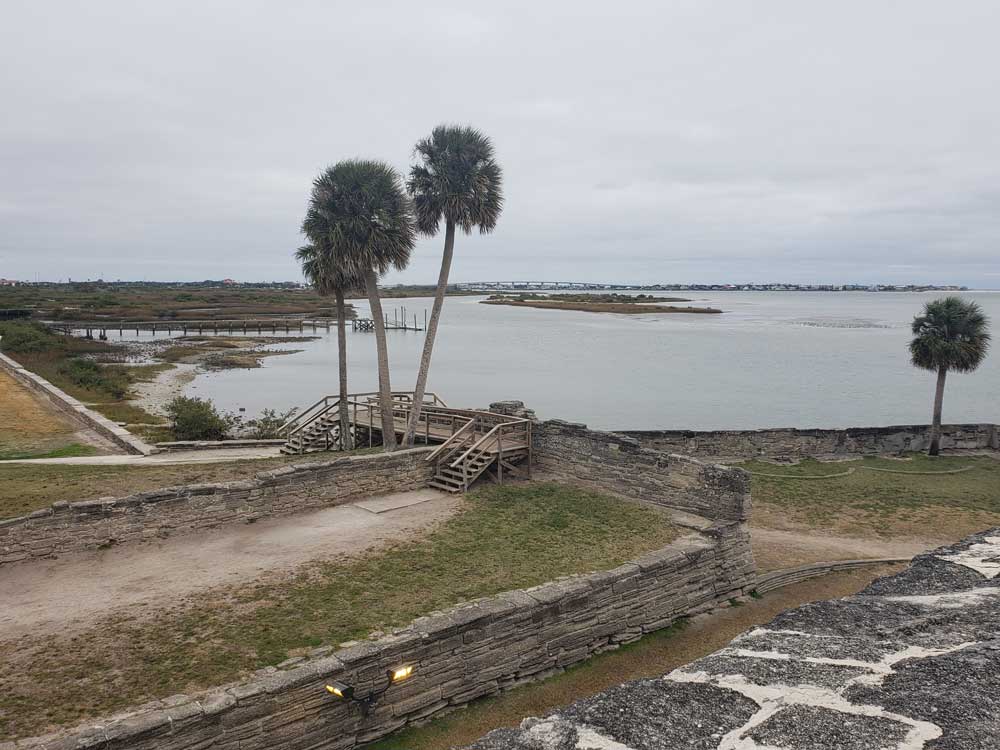
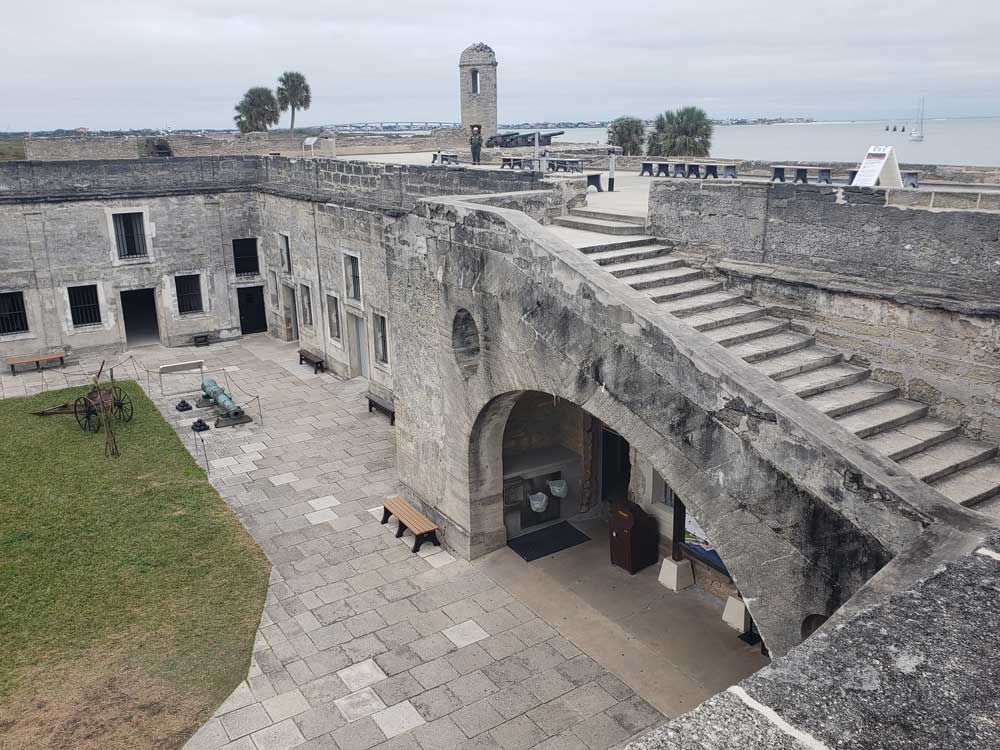
Historic fort offering self-guided tours (from the drawbridge to the gun deck) & Matanzas Bay views.
General Information
- Hours:
-
Open Wednesday - Sunday, except Thanksgiving Day (fourth Thursday in November) and Christmas Day (December 25)
The fort will be closed on Mondays and Tuesdays
A maximum capacity of 100 visitors in the historic fort at any time will be in effect
First admission is at 9am and last admission is at 5pm
The Castillo closes and visitors must exit at 5:15pm The park grounds are closed from midnight until 5:30am - Fees:
-
The Castillo de San Marcos is considered to be a "walk-in" park. The entrance fee applies to each individual
Adults (Age 16 and above) entrance is $15.00 - valid for 7 consecutive days
Children (age 15 and under) are admitted free of charge but must be accompanied by an adult
The City of St Augustine maintains a parking lot in front of the Castillo. The cost is $2.50 per hour which is paid at automated stations which accept most denominations of U.S. coin and currency as well as credit and debit cards. - Pet Policy:
- Pets are not allowed inside the structure of the Castillo de San Marcos though they are allowed in the exterior areas of the park
- Seasons:
- All year; Summers can be very hot with high humidity
How to Get There
Head south on Water St toward Mulberry St. Turn right onto Joiner St. Turn left onto A1A Scenic and Historic Coastal Byway/San Marco Ave. Continue to follow A1A Scenic and Historic Coastal Byway. Turn left. Turn left
Overview
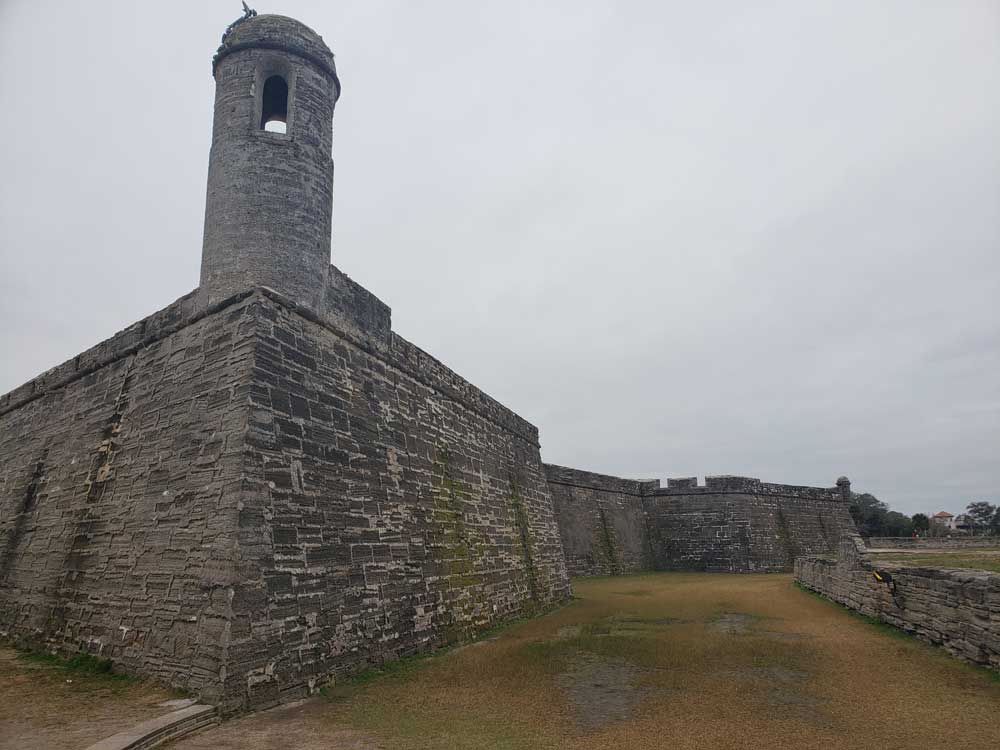
Castillo de San Marcos National Monument preserves the oldest masonry fort in the continental United States, a star-shaped coquina stone fortress on Matanzas Bay in downtown St. Augustine, run by the National Park Service. Spain began building it in 1672, after English pirate Robert Searle burned the town in 1668 and earlier wooden forts proved inadequate, and the core fortress was completed in 1695. Coquina, a rock of compacted shells quarried on Anastasia Island, absorbed cannon fire rather than shattering. After Spain ceded Florida in 1821 it became a U.S. Army post named Fort Marion; it was declared a national monument in 1924 and regained its original name in 1942. Visitors come to walk the ramparts, gun deck and dark rooms, watch cannon-firing demonstrations, and look out over the bay and the old city.
Access
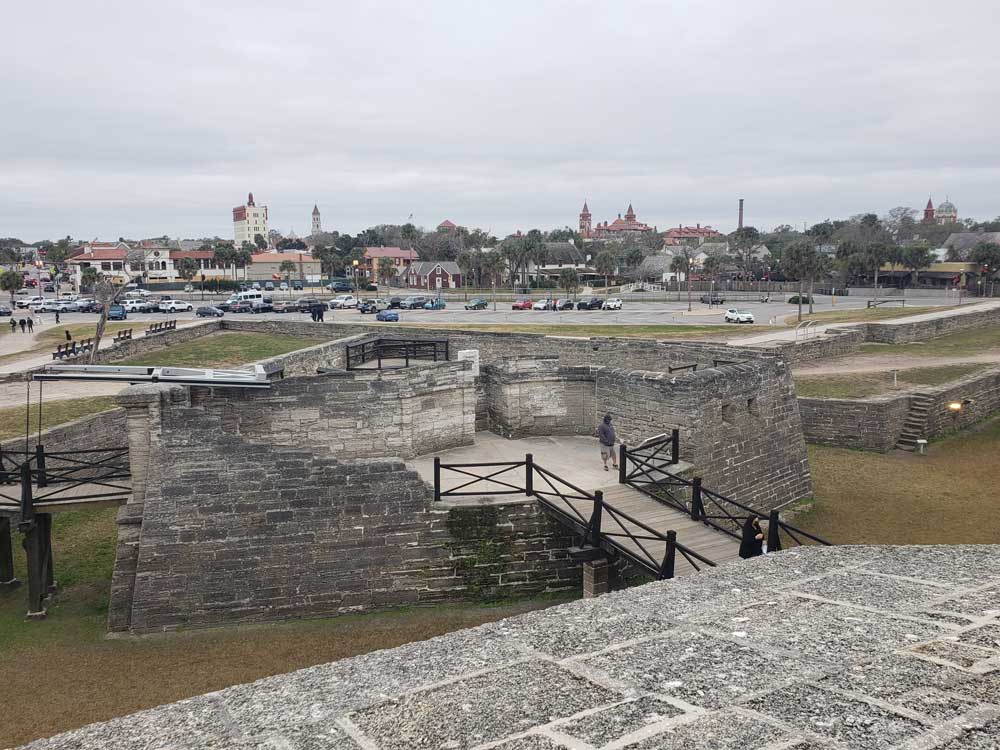
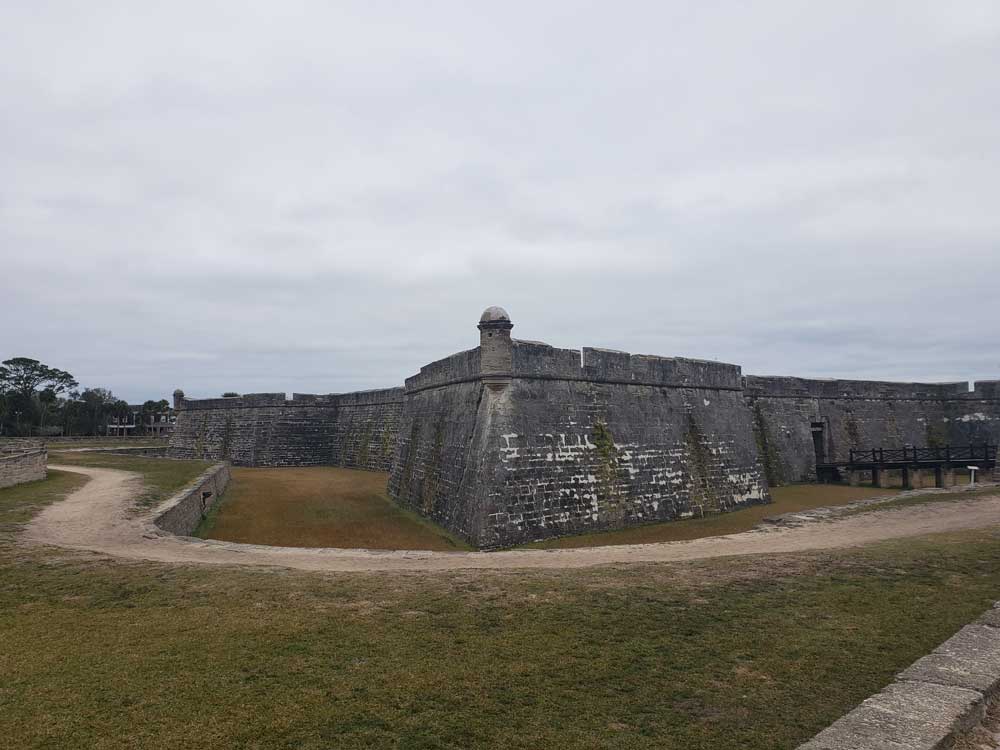
The fort stands at 1 South Castillo Drive, at the northern edge of St. Augustine's historic district on Matanzas Bay. Most visitors walk to it from the Plaza de la Constitución and the pedestrian streets of the old town, or drive and park in the paid city lot in front of the fort. Parking is limited and fills quickly in busy periods. The entrance is across a drawbridge over a dry moat, and the interior has uneven surfaces and stairs to the gun deck, so check with the park about accessible routes.
Seasons
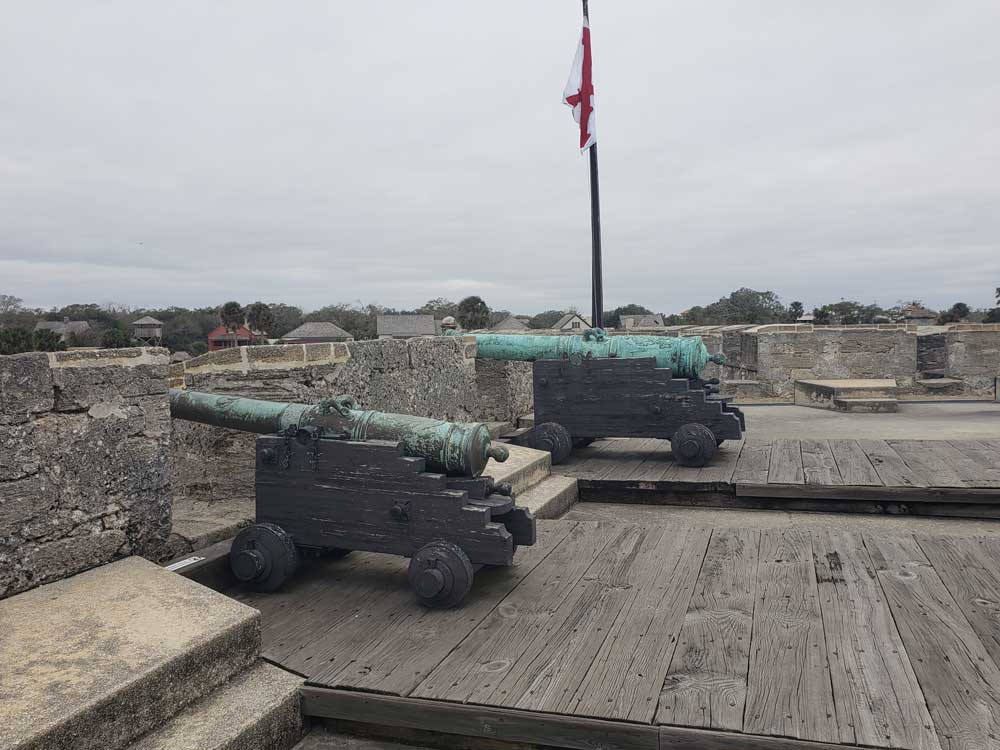
The fort is open year-round except on Thanksgiving Day and Christmas Day. Summers are hot and humid with frequent afternoon thunderstorms, and the gun deck is closed to visitors during thunderstorms because of lightning. Hurricane season runs from June through November, so it is wise to check conditions before visiting. Winters are mild, and spring and fall are the most comfortable times to explore the ramparts, although crowds are largest on weekends and holidays. Cannon-firing demonstrations are scheduled on Fridays, Saturdays and Sundays.
Visiting
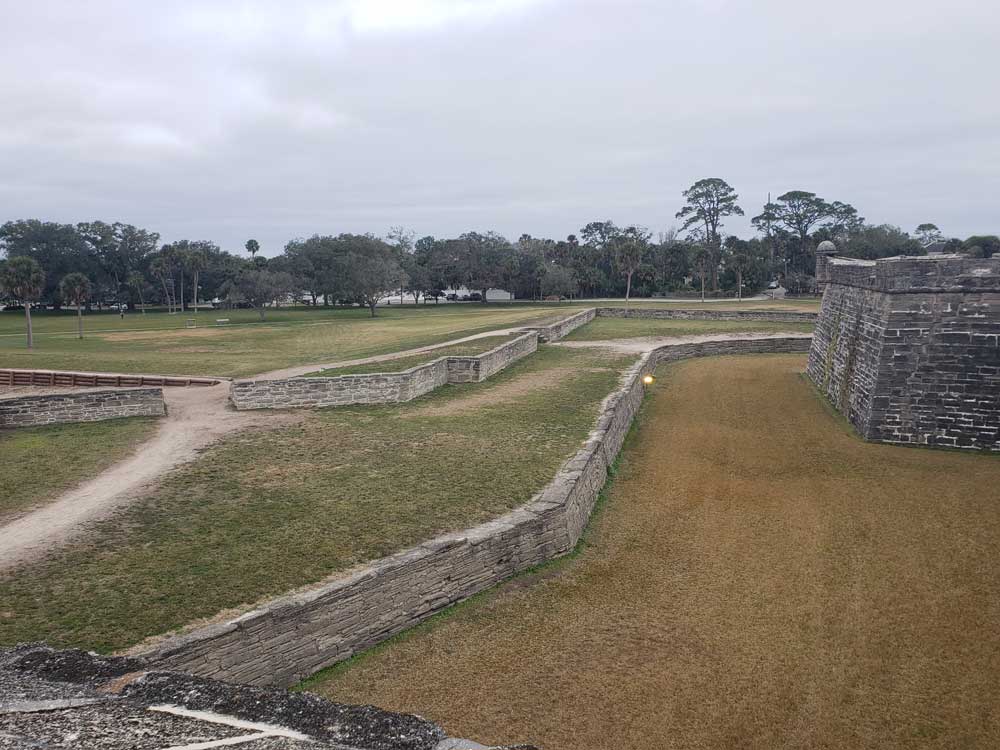
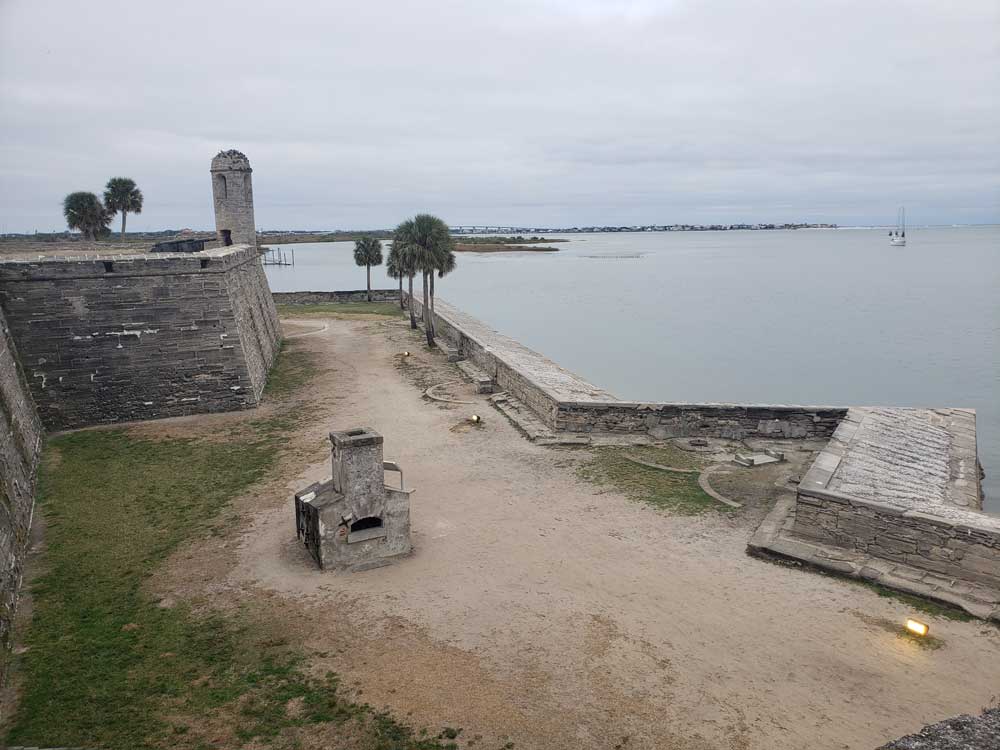
- Four bastions: San Pedro, San Agustín, San Carlos, and San Pablo, with a moat and a sloping glacis to expose attackers
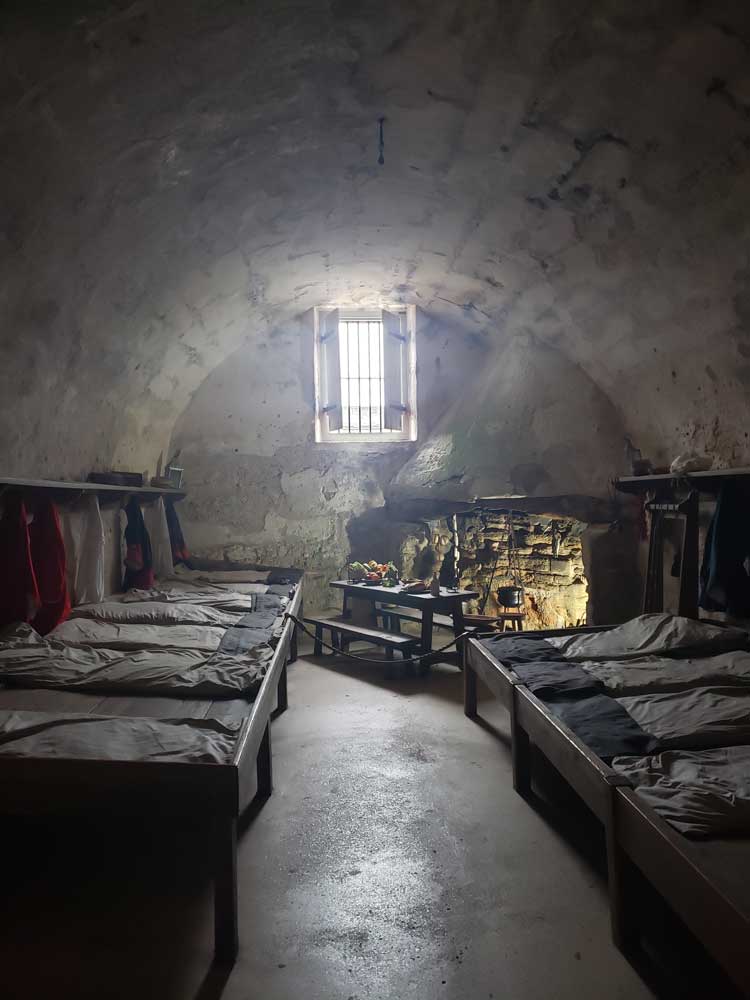
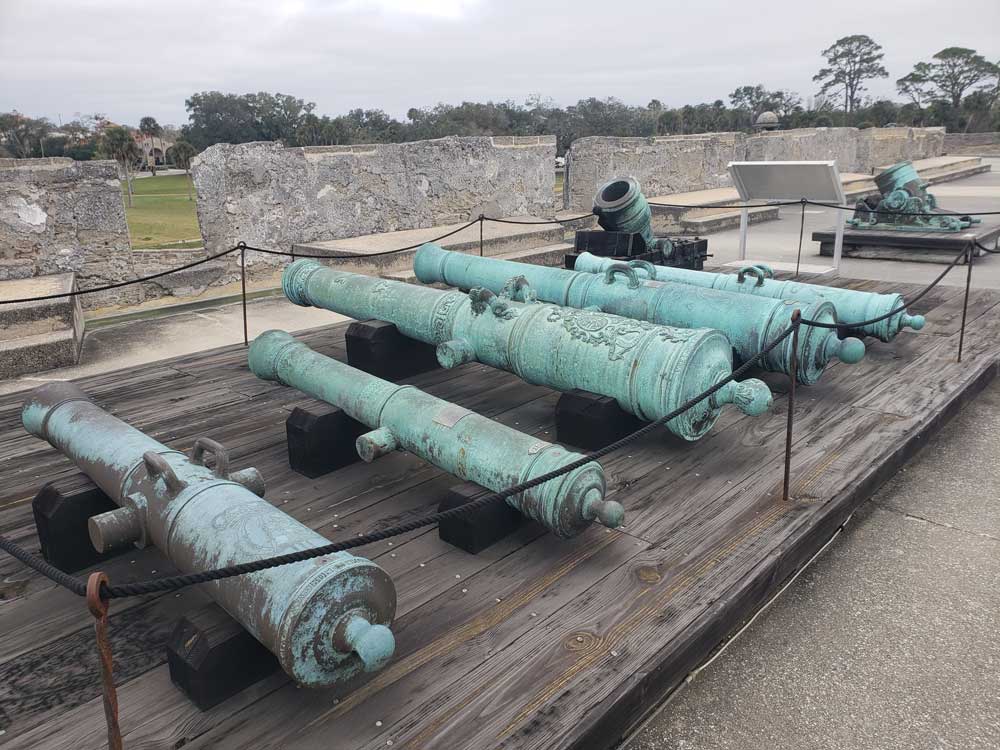
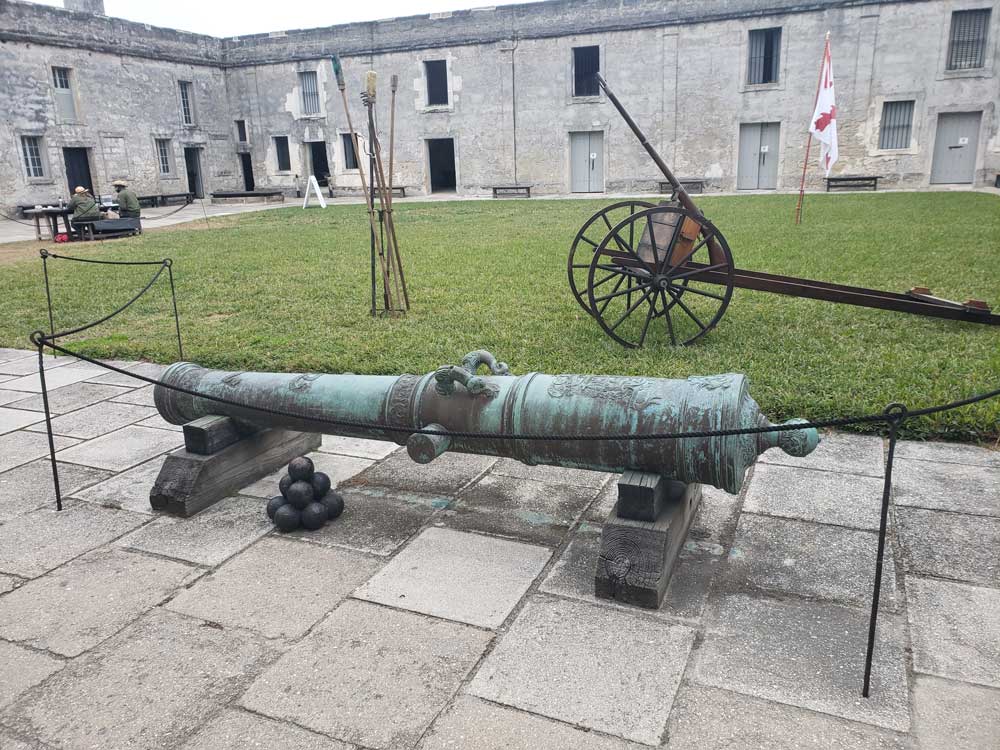
- Gun deck and living quarters: displays and living-history demonstrations, including cannon firings
- Escape story: in 1837, twenty Seminole prisoners escaped through one of the fort's embrasures
Visitor Centers
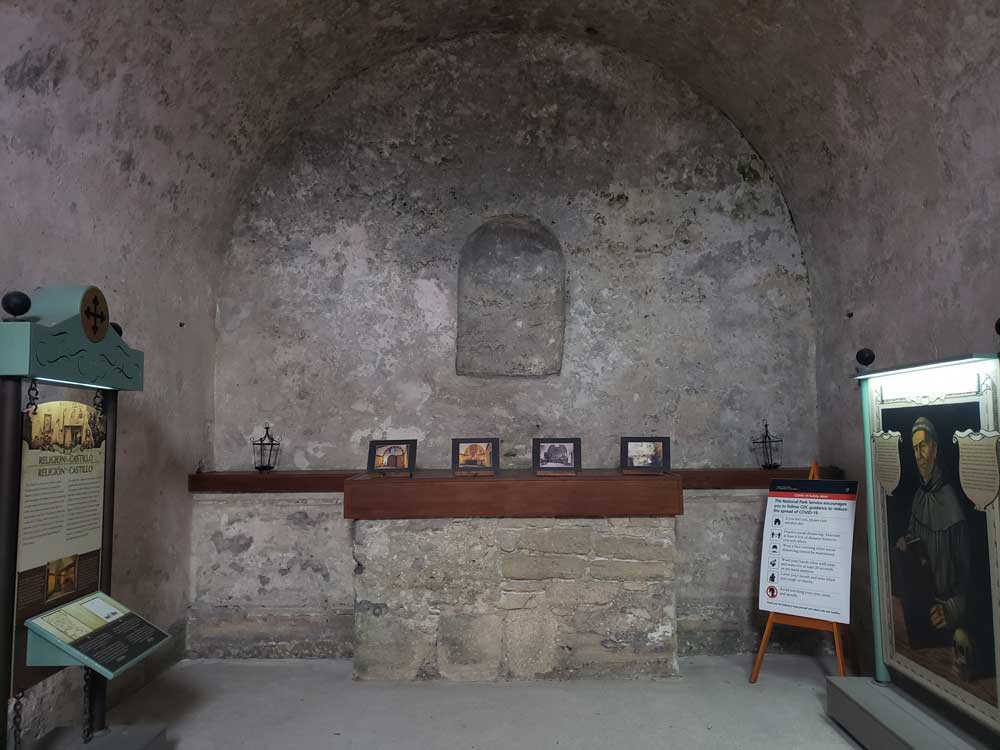
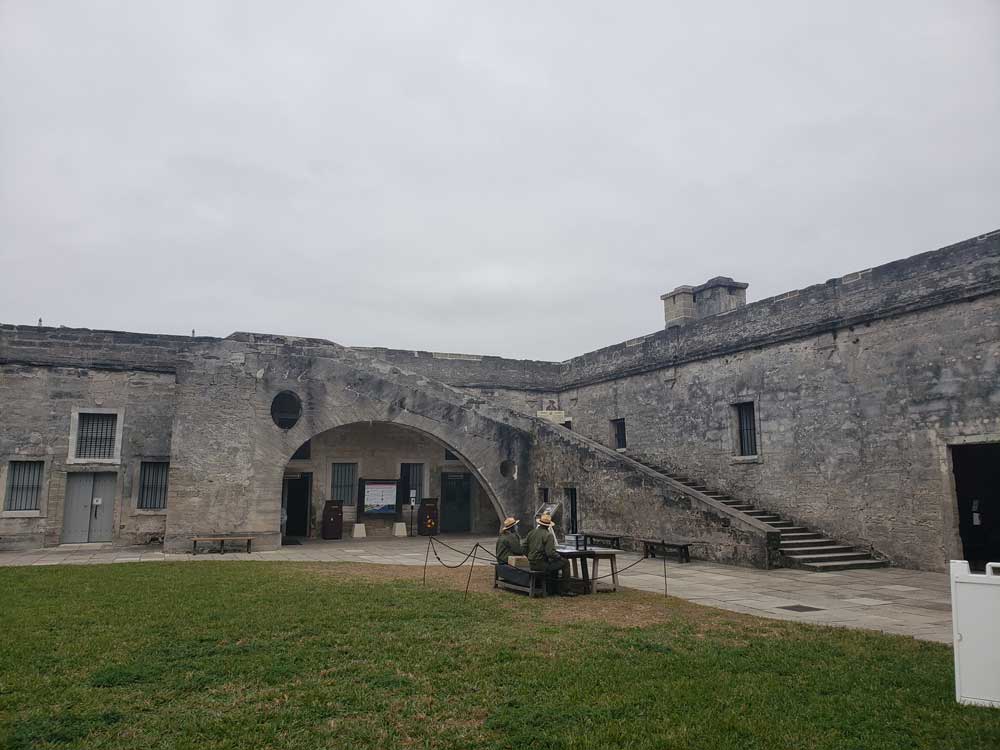
There is no separate visitor center building; admission and visitor information are handled at the fort entrance, and rangers can answer questions and explain the day's demonstrations. The rooms around the courtyard hold exhibits on the fort's Spanish, British and American history, including its use as a prison. For wider information on the area, the St. Augustine visitor information center is nearby in the historic district.
Camping and Lodging
There is no camping or lodging at the fort. Hotels, inns and bed-and-breakfasts fill the surrounding St. Augustine historic district, many within walking distance, with additional choices in St. Augustine Beach. Anastasia State Park on Anastasia Island has a campground a short drive away, and Palm Coast, Flagler Beach and Jacksonville offer more lodging within about an hour.
This article uses material from the Wikipedia article "Castillo de San Marcos National Monument", which is released under the Creative Commons Attribution-Share-Alike License 3.0. Additional information from National Park Service.