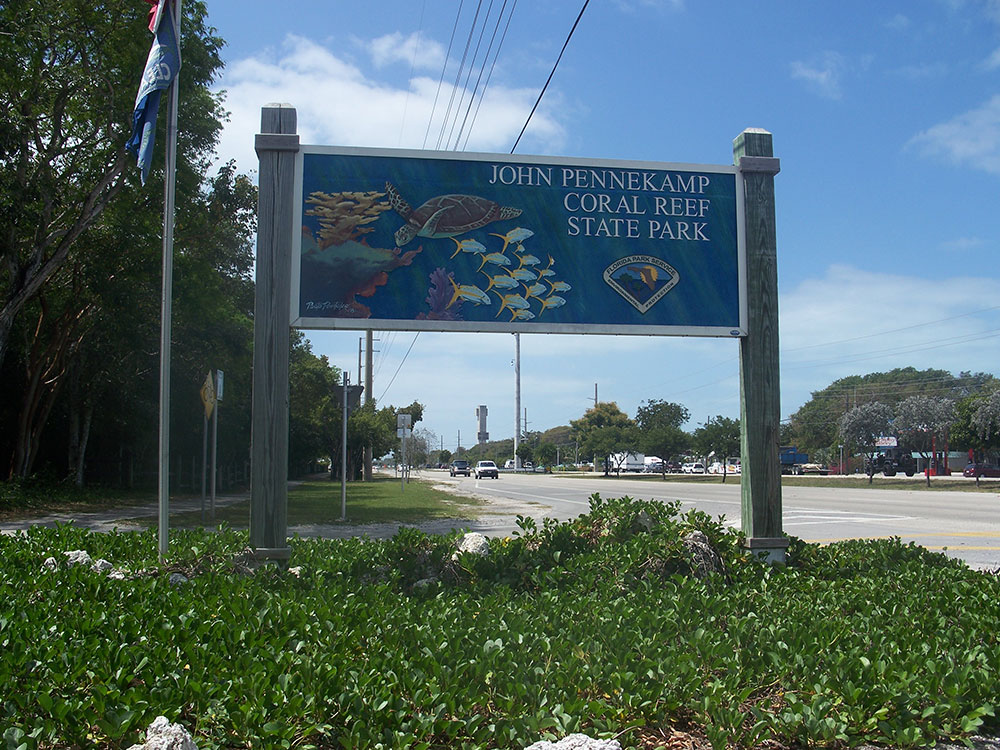
State Park located on Key Largo is the first underwater park in the United States with primary attractions of coral reefs (such as Molasses Reef) and their associated marine life.
General Information
- Hours:
-
Park: 8am until sunset
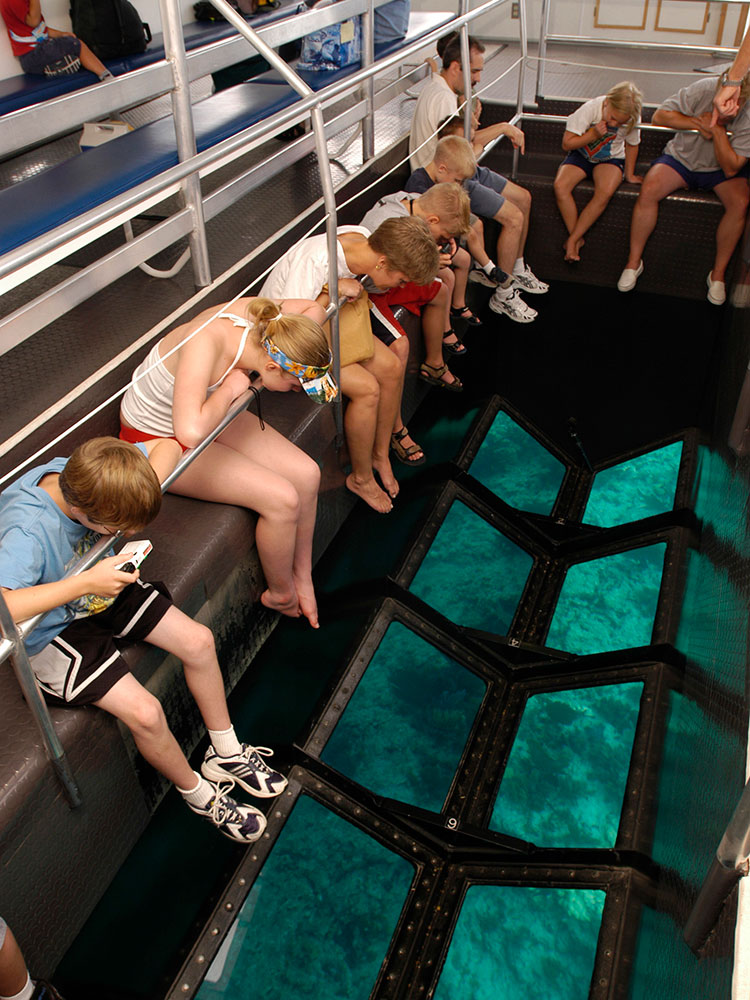
Glassbottom Boat Tours
Times: 9:15am, 12:15pm, 3:15pm Tours are 2 ½ hours long.Snorkeling Tours
Tours are 2 ½ hours long. Times: 9am, 10:30am, 12pm, 1:30pm, 3pm, 4:30pm - Fees:
-
- Park Entrance Fees:
$8.00 per vehicle, plus $0.50 per person Boat tour prices DO NOT include entrance fee - Glassbottom Boat Tours
Adult: $32.00
Age 4 to 11: $19.00
Age 3 and under: Free - Snorkeling Tours Adult $38.95 Under 18 $35.00
- Snorkeling Equipment Rental
Mask $4.00
Fins $4.00
Souvenir Snorkel $6.95
Semi-Dry Snorkel $12.95
Corrective Mask $10.00
Half Wet Suit $10.00
Safety vest is provided at no charge. -
Paddle Watercraft Rentals (per hour)
Canoes $30.00
Single Kayaks $20.00
Double Kayaks $25.00 -
Kayak - 4 hours or less
Single Kayaks $40.00
Double Kayaks $50.00 - Kayak - 4 hours or more
Single Kayaks $45.00
Double Kayaks $55.00 - Standard Paddle Board
Per Hour $25.00
4 hours or less $50.00
- Park Entrance Fees:
- Pet Policy:
- Pets not allowed
- Seasons:
- All year
- Location:
- 102601 Overseas Hwy, Key Largo, FL 33037
How to Get There
Overview
John Pennekamp Coral Reef State Park in Key Largo, in the Florida Keys, was the first underwater park in the United States, protecting about 70 nautical square miles of coral reef, seagrass and mangrove habitat within the Florida Keys National Marine Sanctuary. Conservationists, led by Miami Herald editor John D. Pennekamp and marine scientist Gilbert Voss, pushed for protection after souvenir hunters damaged the reefs, the adjacent federal reef area was proclaimed a preserve in 1960, and the park opened in 1963 and was added to the National Register of Historic Places in 1972. The reefs, including Molasses Reef and Grecian Rocks, are part of the only living coral barrier reef in the continental United States. People come to snorkel and dive, take glass-bottom boat tours, paddle mangrove trails, see the Christ of the Abyss statue, and visit the aquarium.
Access
The park is at 102601 Overseas Highway (U.S. 1) in Key Largo, reached by paved road only. Most reef visits happen by boat: park concessions run glass-bottom boat, snorkeling and dive trips, and kayaks, canoes and paddleboards can be rented for the mangrove trails and shoreline. Pets are not allowed, and reef tours should be booked ahead in busy winter periods.
Seasons
The park is open daily from 8am to sunset year-round. Winter and spring are the dry season, with the most visitors, and summer brings heat, humidity and frequent afternoon storms, with the wettest months from roughly June through October overlapping with hurricane season. Wind and weather can cancel boat tours and reduce visibility at any time of year, so check with the concession before traveling. Manatees, dolphins and sea turtles can be seen in the park's waters at various times of year.
Things to Do
Snorkel and Dive the Coral Reefs
The park is world-famous for snorkeling and scuba diving among vibrant reefs teeming with tropical fish, sea fans, sponges, rays, and sea turtles.
Visit the Christ of the Abyss Statue
A submerged bronze statue of Christ near Key Largo Dry Rocks — a third casting of a sister statue near Genoa, Italy, placed here in 1965 — has become one of the most photographed underwater landmarks in North America. It's reachable by snorkeling and diving tours.
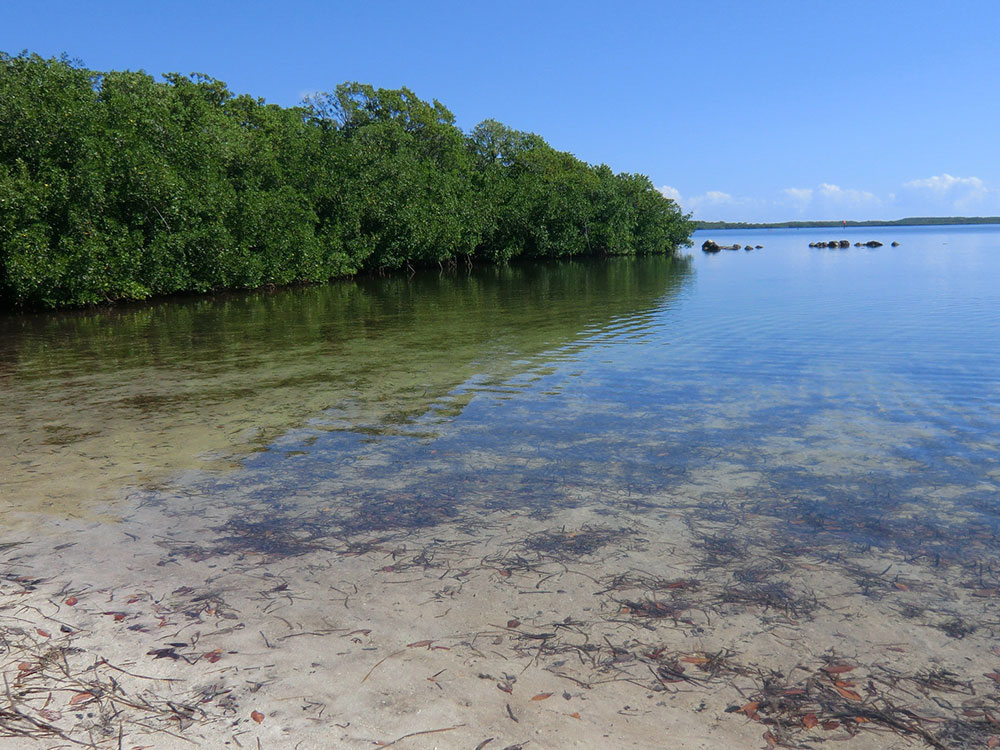
Kayak Through Mangrove Tunnels
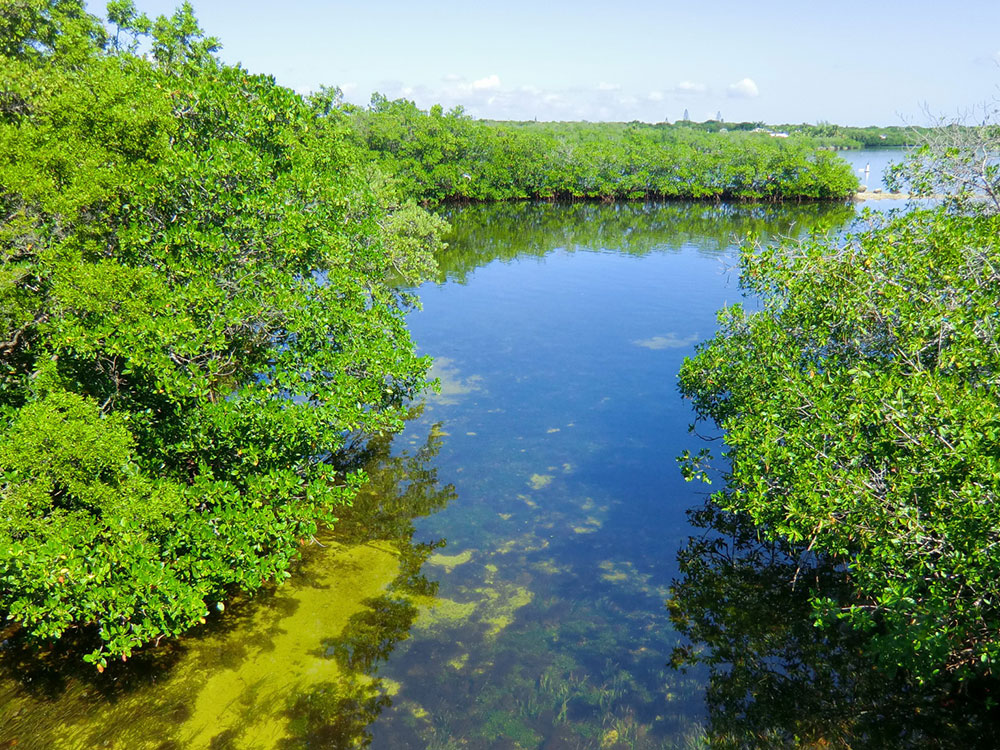
Paddle marked trails through mangrove forests and calm coastal waters, spotting fish, crabs, and wildlife along the way.
Wildlife Viewing and the Visitor Center
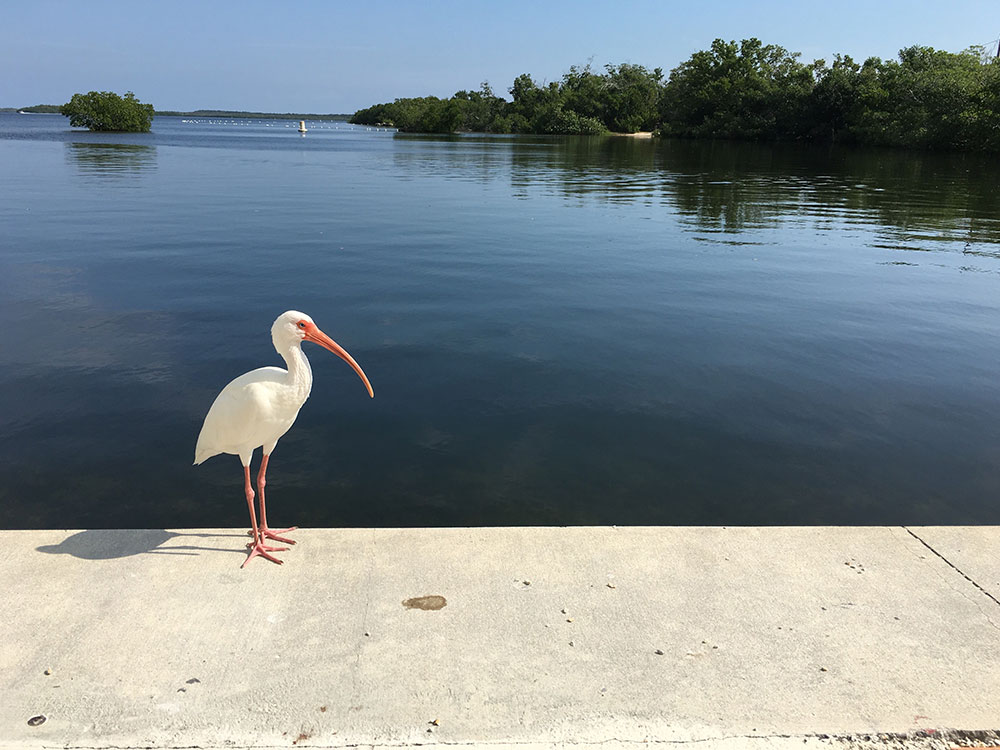
Manatees, dolphins, sea turtles, and shorebirds are common sights in the park's waters. The visitor center's 30,000-gallon saltwater aquarium and exhibits are a good rainy-day stop for learning about the reef ecosystem.
Top Trails
Wild Tamarind Trail
Length: ~0.5-mile loop | Difficulty: Easy
A short walk through tropical hardwood hammock, with interpretive signs on the park's terrestrial side.
Mahogany Hammock Trail
Length: ~0.5-mile loop | Difficulty: Easy
A peaceful walk through dense tropical forest.
Mangrove Boardwalk
Length: Variable | Difficulty: Easy
Boardwalks and short paths give access to mangrove shoreline and observation points.
Paddling Trails
Length: Variable | Difficulty: Easy to Moderate
Marked water trails through mangrove creeks and seagrass beds for kayaks and paddleboards.
Visitor Centers
The park visitor center features a 30,000-gallon saltwater aquarium with six smaller tanks, natural history exhibits and a theater showing nature films, and it is a good rainy-day stop and a place to learn about the reef before heading out. Tour tickets, rentals and information are available from the park and its concessions; check with the park (305-676-3777) for current visitor center hours.
Camping and Lodging
The park has full-facility and youth/group campgrounds; check the Florida State Parks website for current availability and reservation details. Lodging is plentiful in Key Largo, including resorts and motels along U.S. 1, and in Islamorada to the south, with more choices in Homestead and Florida City, and Miami about an hour and a half north. Winter is the busiest season, so reserve ahead.
History
By the 1950s, souvenir hunters were chiseling and dynamiting coral from the reefs off the Keys. Miami Herald editor John D. Pennekamp and marine scientist Gilbert L. Voss led the push to protect them, and in 1960 the area was proclaimed the Key Largo Coral Reef Preserve. It was renamed for Pennekamp and opened to the public in 1963.
This article uses material from the Wikipedia article "John Pennekamp Coral Reef State Park" and Florida State Parks' official visitor information, both released under the Creative Commons Attribution-Share-Alike License 3.0. Additional information from Florida State Parks.