San Francisco Bay Area Travel Guide
Region of California known for its natural beauty, prominent universities, technology companies, and affluence. The Bay Area contains the cities of San Francisco, Oakland, and San Jose, Silicon Valley, and associated regional, state, and national parks
Places to See in San Francisco Bay Area
-400.jpg)
Angel Island
Island in San Francisco Bay, originally the home of a military installation, the island now offers picturesque views of the San Francisco skyline, the Marin County Headlands and Mount Tamalpais
-400.jpg)
Devil's Slide
Steep, rocky coastal promontory with the 1.3-mile-long Devil's Slide Trail open to pedestrians and bicyclists, taking over the section of roadway formerly used by State Route 1 and now bypassed by the new tunnels

Grizzly Peak
Scenic ridge offering panoramic views of the San Francisco Bay, popular for driving, hiking, and cycling along winding mountain roads.
Invertzoo, CC BY-SA 3.0, via Wikimedia Commons; Image Size Adjusted

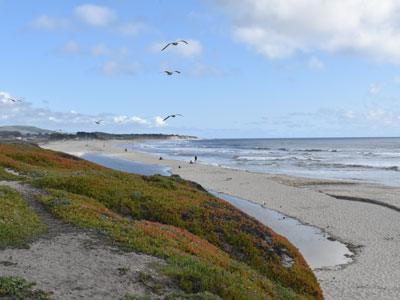
Half Moon Bay
Coastal city named for its crescent shape, is approximately 25 miles south of San Francisco, and known for Mavericks, a big-wave surf location
Invertzoo, CC BY-SA 3.0, via Wikimedia Commons; Image Size Adjusted
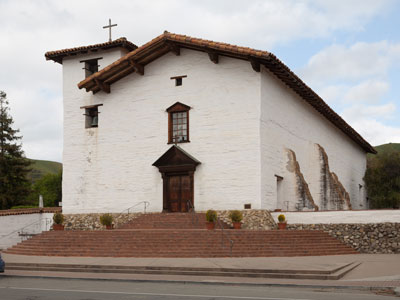
Mission San Jose
Old mission church remains in use as a chapel of Saint Joseph Catholic Church, a parish of the Diocese of Oakland. The museum also features a visitor center, museum, and slide show telling the history of the mission
-400.jpg)
Invertzoo, CC BY-SA 3.0, via Wikimedia Commons; Image Size Adjusted
Mission San Rafael Arcangel
Spanish mission in San Rafael, California founded in 1817 as a medical asistencia ("sub-mission") of Mission San Francisco de Asís
Invertzoo, CC BY-SA 3.0, via Wikimedia Commons; Image Size Adjusted
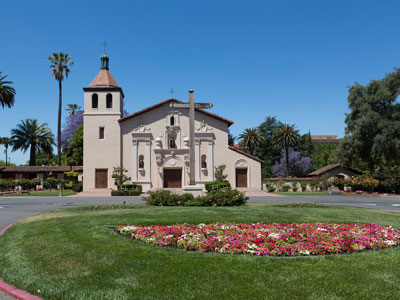
Mission Santa Clara de Asís
Namesake of both the city and county of Santa Clara, as well as of Santa Clara University. Although ruined and rebuilt six times, the settlement was never abandoned, and today it functions as the university chapel for Santa Clara University
Invertzoo, CC BY-SA 3.0, via Wikimedia Commons; Image Size Adjusted
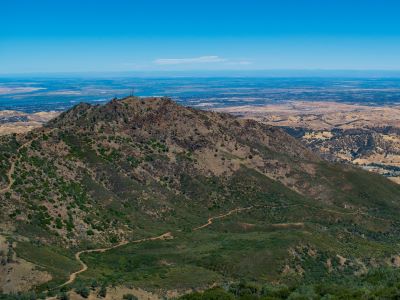
Mount Diablo State Park
Prominent mountain park offering panoramic summit views, diverse hiking trails, and geological features across thousands of acres of preserved wilderness.
Visitor7, CC BY-SA 3.0, via Wikimedia Commons; Image Size Adjusted

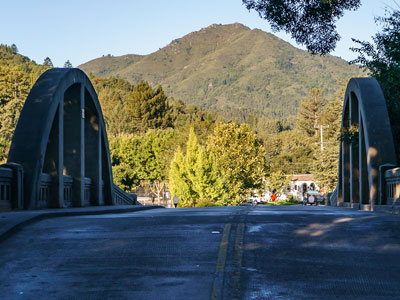
Mount Tamalpais
Highest peak in the Marin Hills, which are part of the Northern California Coast Ranges and clearly visible from the city of San Francisco and the East Bay region
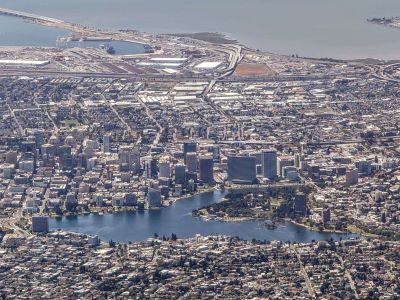
Oakland
Vibrant urban center featuring eclectic arts, diverse cuisine, and a rich cultural heritage expressed through its museums, festivals, and public spaces.

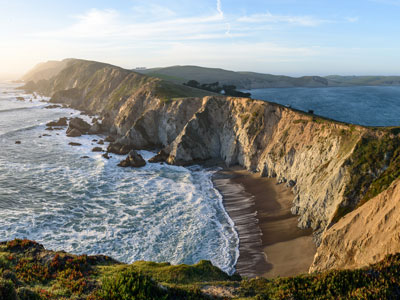
Point Reyes National Seashore
Prominent cape and popular Northern California tourist destination on the Pacific coast, and approximately 30 miles (50 km) west-northwest of San Francisco
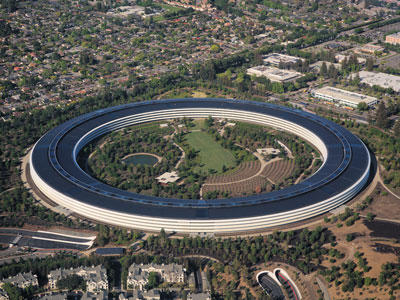
Silicon Valley
Region in the southern part of the San Francisco Bay Area in Northern California that serves as a global center for high technology and innovation
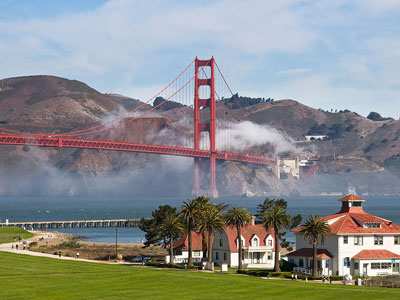
San Francisco
Second most populous city in California, is known for its mild year-round climate, natural deep-water harbor, extensive beaches and parks, and long association with the United States Navy and Marine Corps
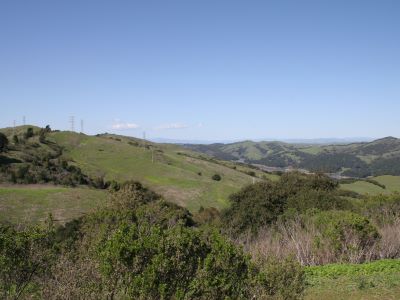
Tilden Regional Park
Expansive natural preserve offering hiking trails, botanical gardens, swimming, steam trains, and family-friendly attractions across varied terrain.
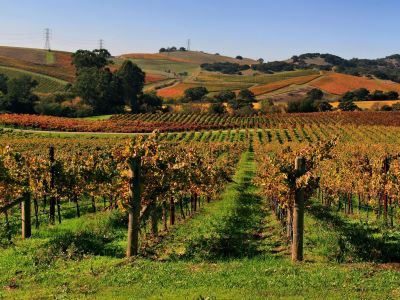
Wine Country
Region in the northern Bay Area of California known worldwide for its wineries, cuisine, Michelin star restaurants, boutique hotels, luxury resorts, historic architecture, and culture
Overview
The San Francisco Bay Area, commonly known as the Bay Area, is a region of California centered around the San Francisco, San Pablo, and Suisun estuaries in Northern California. The Bay Area is known for its natural beauty, prominent universities, technology companies, and affluence. The Bay Area contains many cities, towns, airports, and associated regional, state, and national parks.
The most populous cities of the Bay Area are Oakland, San Francisco, and San Jose. The nine-county Bay Area is home to approximately 7.52 million people. It is the second-largest in California—after the Greater Los Angeles area—and the fifth-largest in the United States.
History
In 1535, the Spanish empire established kingdom of New Spain which inherited the empire's claims to much of what is now the western United States, including the Bay Area. The earliest Spanish exploration of the Bay Area took place in 1769, and the earliest European settlements in the area date this time period. The Mexican government controlled the area from 1821—following the Mexican War of Independence—until the 1848 Treaty of Guadalupe Hidalgo which ended the Mexican-American War.
In 1848, James W. Marshall discovered gold in nearby mountains, resulting in explosive immigration to the area. The California Gold Rush brought rapid growth to San Francisco specifically, transforming it from an unimportant hamlet into a busy port and the largest city on the West Coast at the time. California was admitted as the 31st state in 1850, and during the early years of statehood, state legislative business was briefly conducted in the Bay Area cities of San José, Vallejo, and Benicia, before being permanently relocated to Sacramento in 1854.
During World War II, the Bay Area played a major role in America's war effort in the Asiatic-Pacific Theater, with the San Francisco Port of Embarkation, of which Fort Mason was one of 14 installations and location of the headquarters, acting as a primary embarkation point for American forces. In 1945, the United Nations Charter was signed in San Francisco, establishing the United Nations before permanently relocating to Manhattan, and in 1951, the Treaty of San Francisco re-established peaceful relations between Japan and the Allied Powers. Since then, the Bay Area has experienced numerous political, cultural, and artistic movements, developing unique local genres in music and art.
The Bay Area is known for its stands of coast redwoods, many of which are protected in state and county parks. The region is additionally known for the complexity of its landforms, the result of millions of years of tectonic plate movements. The Bay Area is host to 6 professional sports teams and is a cultural center for music, theater, and the arts. It is also host to numerous higher education institutions, including research universities such as Stanford University and the University of California, Berkeley.
Climate
The Bay Area is located in the warm-summer Mediterranean climate zone that is a characteristic of California's coast, featuring mild to cool winters with occasional rainfall, and warm to hot, dry summers. It is largely influenced by the cold California Current, which penetrates the natural mountainous barrier along the coast by traveling through various gaps. In terms of precipitation, this means that the Bay Area has pronounced seasons. The winter season, which roughly runs between November and March, is the source of about 82% of annual precipitation in the area. In the South Bay and further inland, while the winter season is cool and mild, the summer season is characterized by warm sunny days, while in San Francisco and areas closer to the Golden Gate strait, the summer season is periodically affected by fog.
Sports and recreation
The Bay Area is home to six professional major league sports franchises: The San Francisco 49ers of the National Football League (NFL) in American football, the San Francisco Giants and Oakland Athletics of Major League Baseball (MLB), the Golden State Warriors of the National Basketball Association (NBA), the San Jose Sharks of the National Hockey League (NHL), and the San Jose Earthquakes of Major League Soccer (MLS).
This article uses material from the Wikipedia article "San Francisco Bay Area", which is released under the Creative Commons Attribution-Share-Alike License 3.0.