
Central Maui Travel Guide
Region featuring a mix of historic towns, lush valleys, cultural landmarks, and commercial centers surrounded by volcanic landscapes.
Places to See in Central Maui
Joel Bradshaw, Public domain, via Wikimedia Commons; Image Size Adjusted

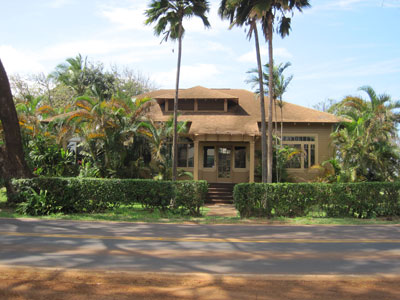
Alexander & Baldwin Sugar Museum
Historic museum preserving the legacy of the sugar industry and plantation life through exhibits, artifacts, and educational displays.
Oscar O Oscar, CC BY-SA 3.0, via Wikimedia Commons; Image Size Adjusted

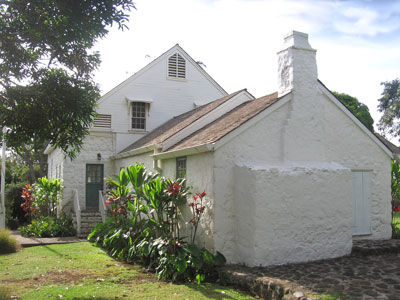
Hale Hō'ike'ike
Historic museum showcasing Hawaiian artifacts, missionary-era furnishings, and archival collections within a 19th-century seminary building.
293.xx.xxx.xx, CC BY-SA 3.0, via Wikimedia Commons; Image Size Adjusted

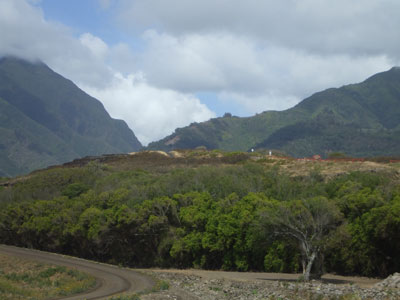
Haleki'i-Pihana Heiau State Monument
Hilltop archaeological site featuring the remnants of two ancient Hawaiian temples with panoramic views of Central Maui.
Mark Fickett, CC BY 3.0, via Wikimedia Commons; Image Size Adjusted

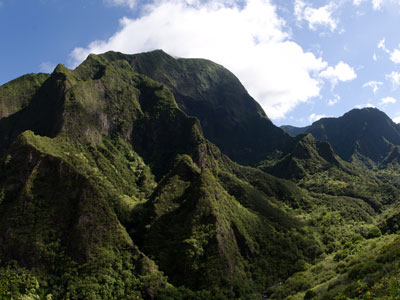
Iao Valley
Lush rainforest park known for its towering needle-shaped peak, botanical gardens, and historical significance as a sacred Hawaiian site.
Amy Young, CC BY-SA 4.0, via Wikimedia Commons; Image Size Adjusted

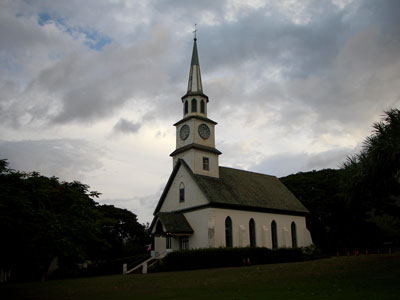
Kaahumanu Church
Historic Hawaiian church built in the 19th century featuring New England-style architecture and bilingual worship services.
Forest and Kim Starr, CC BY 2.0, via Wikimedia Commons; Image Size Adjusted
.jpg)
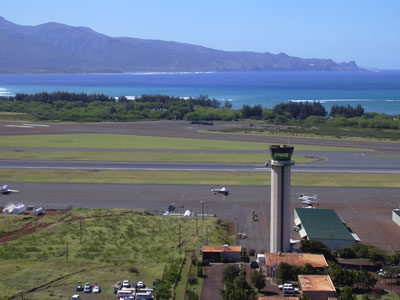
Kahului, HI
Commercial and transportation hub featuring shopping centers, cultural institutions, and access to scenic natural attractions and island-wide transit routes.
-400.jpg)
Forest & Kim Starr, CC BY 3.0 US, via Wikimedia Commons; Image Size Adjusted
.jpg)
Kanaha Pond State Wildlife Sanctuary
Protected coastal wetland and bird sanctuary home to endangered Hawaiian waterbirds and over 90 migratory species.
293.xx.xxx.xx, CC BY-SA 3.0, via Wikimedia Commons; Image Size Adjusted

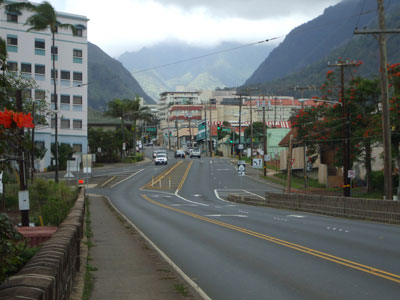
Wailuku, HI
Historic town blending cultural landmarks, local eateries, art galleries, and lush valley landscapes into a vibrant community experience.
Overview
The Central Maui region is where most journeys on the island begin, anchored by the bustling town of Kahului and the historic charm of Wailuku. This area is home to the island’s main airport and largest shopping centers, but it also offers a gateway to some of Maui’s most treasured natural and cultural sites. One of the most iconic is ʻĪao Valley State Park, a lush, mist-covered gorge where the 1,200-foot ʻĪao Needle rises dramatically from the forest floor. Visitors can stroll paved trails through tropical vegetation and learn about the valley’s significance in Hawaiian history, including its role in the Battle of Kepaniwai. Nearby, Wailuku’s Market Street is lined with wooden storefronts, family-run shops, and local eateries that reflect generations of community tradition.
Beyond its scenic beauty, Central Maui serves as a cultural and logistical hub. The town of Kahului offers everything from farmers markets to art galleries, while also serving as the starting point for the legendary Hāna Highway. This region is ideal for travelers seeking both convenience and authenticity, with easy access to the rest of the island and a strong sense of local identity. Whether you're hiking through rainforest trails, exploring historic churches, or sampling fresh poke from a roadside stand, Central Maui invites visitors to experience the island’s heart—where everyday life and ancient landscapes coexist in harmony.
This article uses material from the Wikipedia articles and official tourism pages for the Central Maui, which are released under the