Historic town blending cultural landmarks, local eateries, art galleries, and lush valley landscapes into a vibrant community experience.
General Information
Hours:
Most attractions open daily between 8am and 5pm
Individual business hours vary; check ahead for specific sites
Individual business hours vary; check ahead for specific sites
Fees:
Many attractions are free or donation-based
State parks and museums may charge entry or parking fees
State parks and museums may charge entry or parking fees
Pet Policy:
Pets are not allowed in most indoor attractions and state parks
Closest cities with hotels:
Kahului (2 mi), Lahaina (22 mi)
Seasons:
All year; best weather typically April to October
Location:
How to Get There
From Kahului, HI (2 mi): Drive west on Kaʻahumanu Avenue (HI-32) for about 10 minutes; Wailuku begins just past the bridge over ʻĪao Stream and continues into the historic town center.
Overview
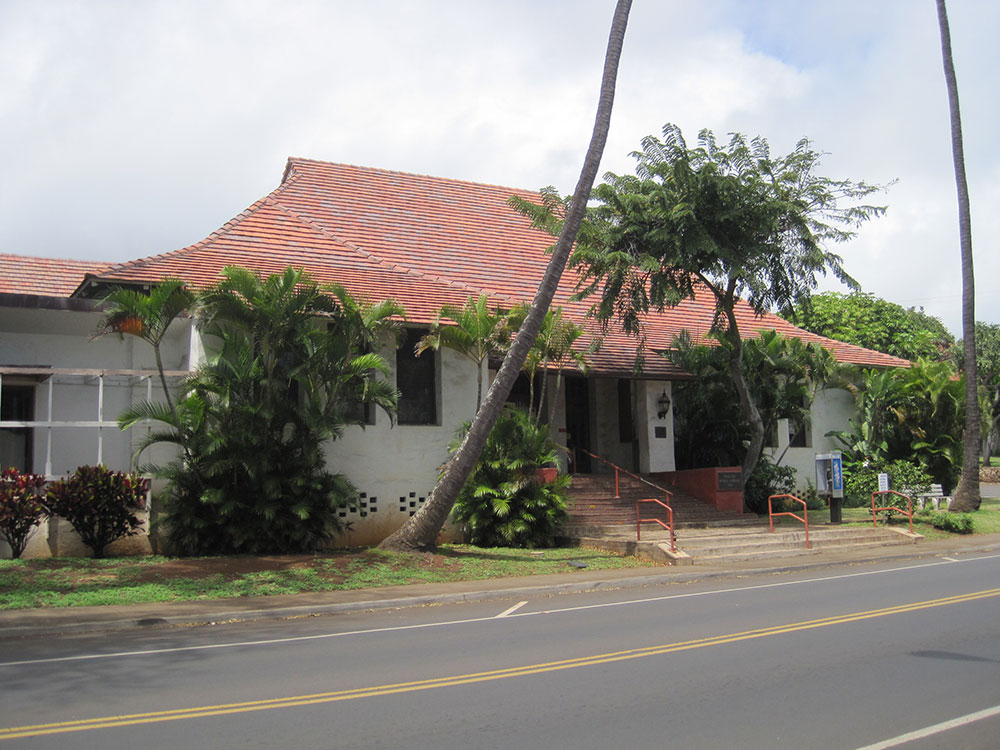
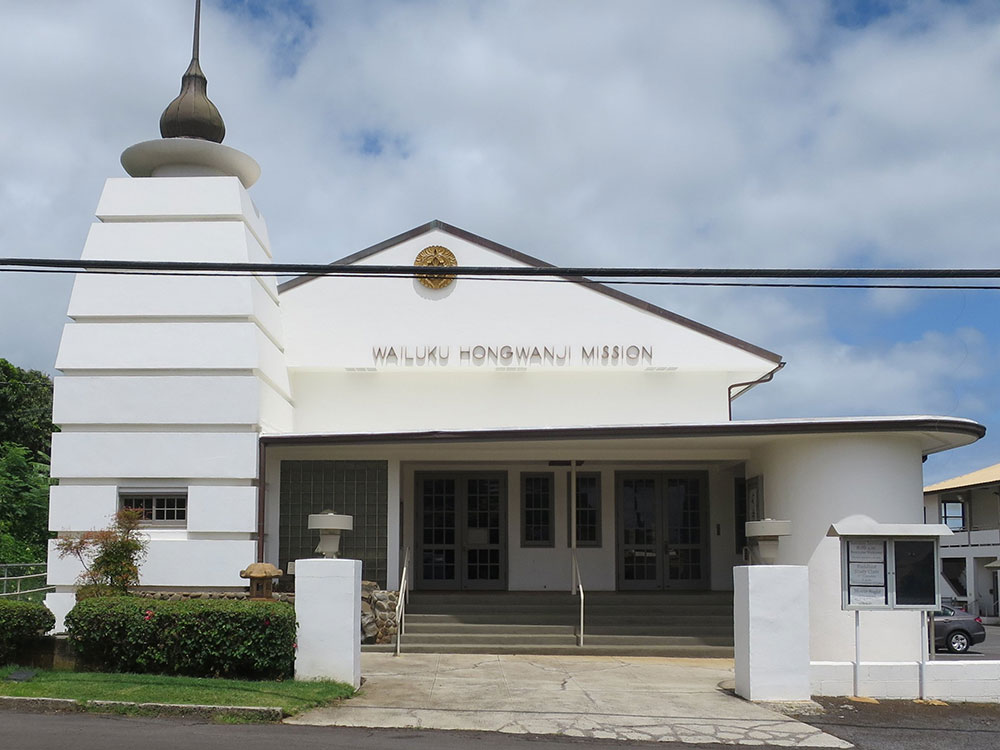
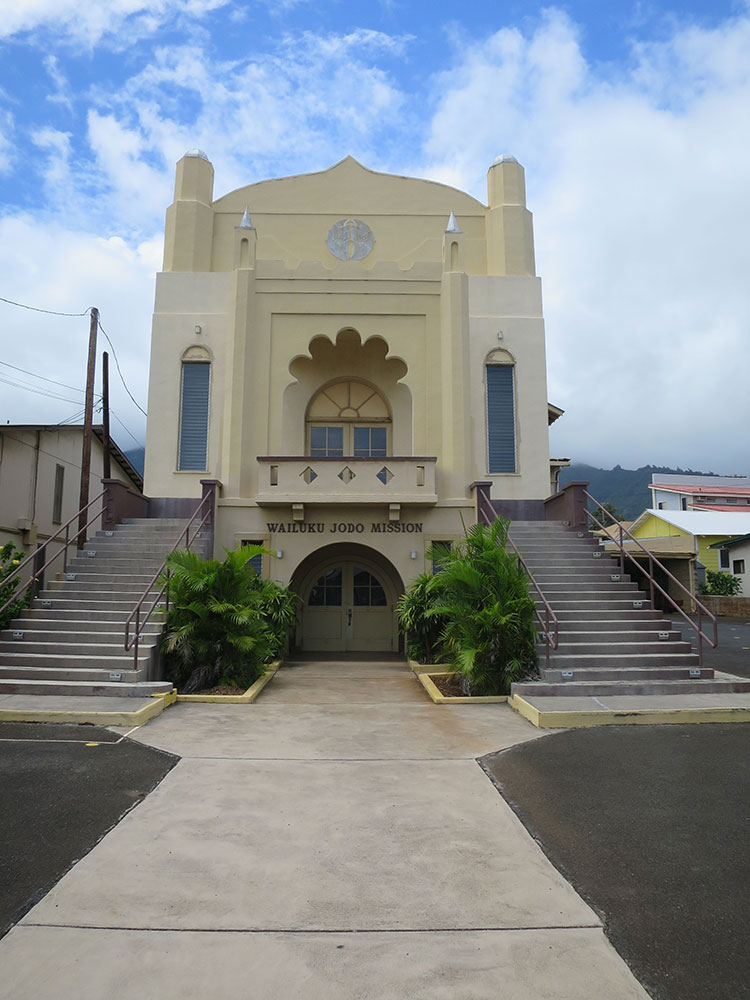
Wailuku is Maui’s county seat, a historic plantation town at the base of the West Maui Mountains, at the mouth of ʻĪao Valley, between Kahului and Waikapū and served by Kahului Airport. Its historic core, the Wailuku Civic Center Historic District, holds many buildings from the plantation era. Wailuku is also known as Nā Wai ʻEhā, “the four waters.”
Things to Do
- Bailey House Museum: Hawaiian artifacts and missionary-period rooms, including Duke Kahanamoku’s surfboard.
- Kaʻahumanu Church (1876) and the missionary-era sites on upper Main Street, including a tiny graveyard with tombs of aliʻi and missionary families and the Alexander House.
- ʻĪao Valley up the road.
- Historic High Street: century-old monkeypod trees and 1920s residences. The business district has false fronts and art deco facades.
- Heiau: Halekiʻi and Pihanakalani, two ancient temples nearby.
- Also: ʻĪao Theater, Tropical Gardens of Maui, the Old Wailuku Inn at Ulupono and Wailuku First Friday.
History
- Home to Maui’s most famous Hawaiian rulers and the site of Kamehameha’s decisive 1790 victory at the Battle of Kepaniwai in ʻĪao Valley.
- New England missionaries arrived in the mid-1800s, and by the 1860s the Wailuku Sugar Company and other plantations were milling sugarcane, with irrigation ditches bringing water from the mountains. Workers from China, Japan, Okinawa, Korea, the Philippines and Europe settled here.
- Wailuku became the county seat in 1905, a hub of government and business, until the sugar industry’s decline in the late 1960s drew business elsewhere.
This article uses material from the Wikipedia article "Wailuku, Hawaii", which is released under the Creative Commons Attribution-Share-Alike License 3.0