Albuquerque Travel Guide
New Mexico's largest city, Nestled in the high desert, Albuquerque offers a mix of Native American, Hispanic, and Anglo influences that create a distinctive atmosphere. Visitors can explore the historic Old Town with its adobe buildings and charming shops, or take a ride on the Sandia Peak Tramway for breathtaking views of the city and surrounding mountains. The annual Albuquerque International Balloon Fiesta is a must-see event, where hundreds of colorful hot air balloons fill the sky.
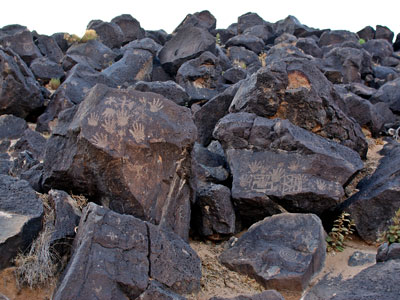
Places to See in Albuquerque
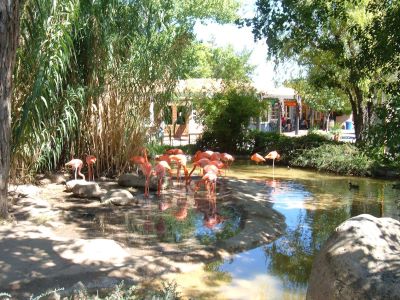
AllenS, Public domain, via Wikimedia Commons; Image Size Adjusted
AllenS, Public domain, via Wikimedia Commons; Image Size Adjusted
-400.jpg)
Greg Goebel, CC BY-SA 2.0, via Wikimedia Commons; Image Size Adjusted
-400.jpg)
-400.jpg)

-400.jpg)
-400.jpg)
Grinnell Point and Swiftcurrent Lake from the Many Glacier Hotel
Jeff P from Berkeley, CA, USA, CC BY 2.0, via Wikimedia Commons; Image Size Adjusted
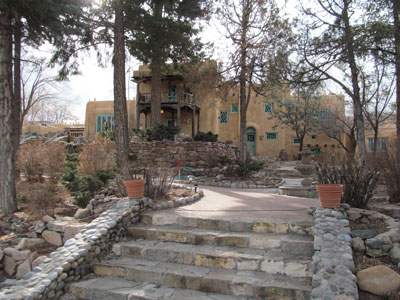
Grinnell Point and Swiftcurrent Lake from the Many Glacier Hotel
Jeff P from Berkeley, CA, USA, CC BY 2.0, via Wikimedia Commons; Image Size Adjusted
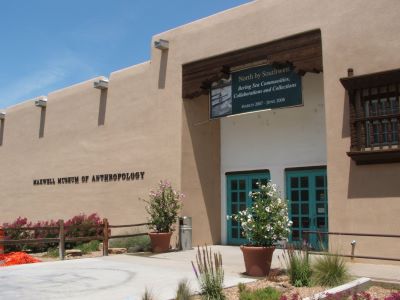
-400.jpg)
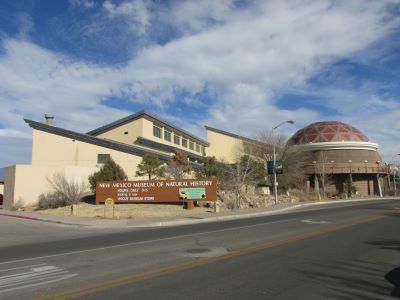
-400.jpg)
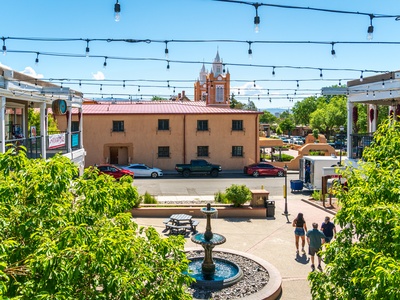
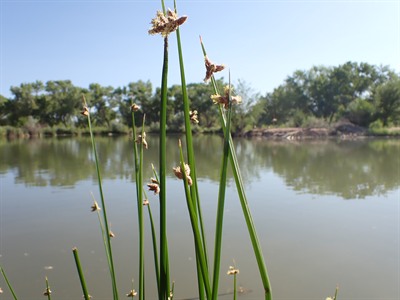
Matt Lavin, CC BY-SA 2.0, via Wikimedia Commons; Image Size Adjusted
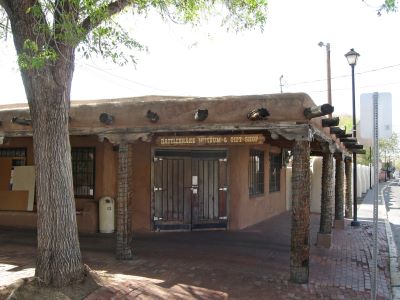
-400.jpg)


.jpg)
.jpg)

Overview
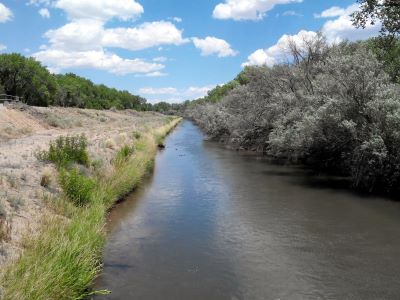
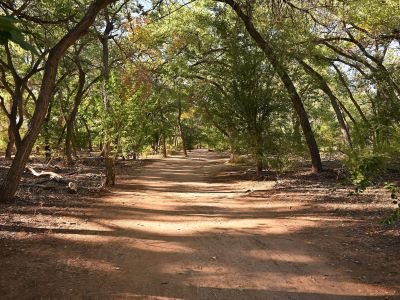
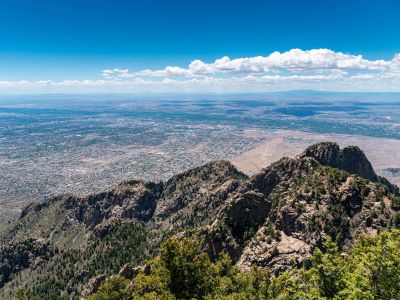
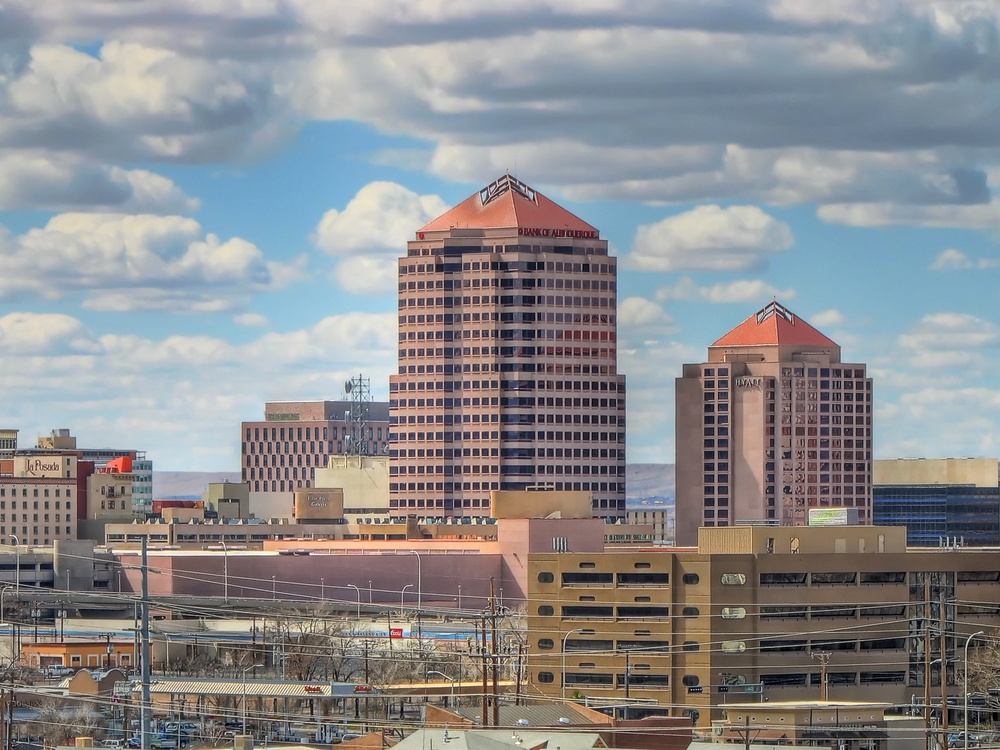
The city of Albuquerque rises from the high desert like a meeting point of worlds, where the slow ribbon of the Rio Grande cuts through a landscape framed by the rugged Sandia Mountains. Set within a broad basin more than a mile above sea level, the city blends shimmering sunlight, wide-open skies, and the distinct beauty of the Southwest. Cottonwood-lined riverbanks and volcanic mesas give way to suburban neighborhoods and historic adobe enclaves, creating a place where natural and urban environments coexist in striking harmony.
Human history here stretches back thousands of years, beginning with early hunter-gatherers and evolving into thriving Pueblo communities along the fertile river valley. Spanish colonists formally established the city in 1706, layering European traditions onto Indigenous foundations and shaping a cultural identity that still defines the region today. Over the centuries, Albuquerque grew from a colonial outpost into a key trading hub and, later, into a center for railroads, military research, and technological innovation, reflecting the evolving story of the American Southwest.
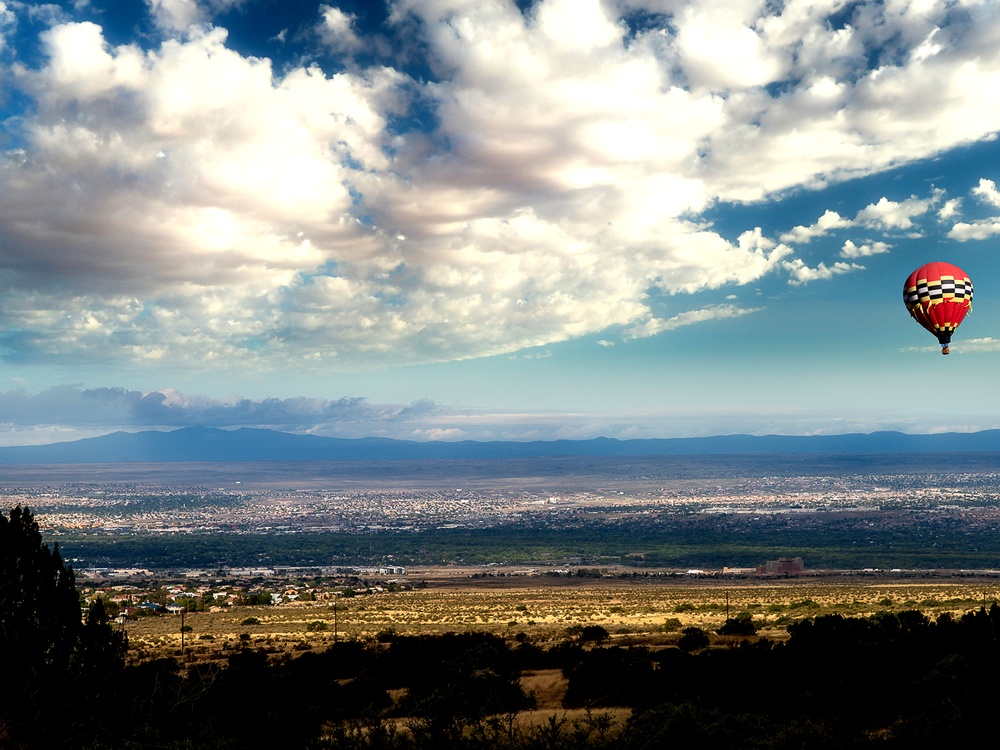
Today, Albuquerque is a dynamic cultural crossroads where Native American, Hispanic, and Anglo influences are woven into everyday life. Visitors walk through Old Town plazas surrounded by centuries-old adobe structures, explore museums that highlight regional heritage, and sample distinctive New Mexican cuisine flavored with the region’s famous chile. Festivals animate the city year-round, most notably the world-renowned Albuquerque International Balloon Fiesta, when hundreds of vibrant hot air balloons transform the desert sky into a living canvas of color.
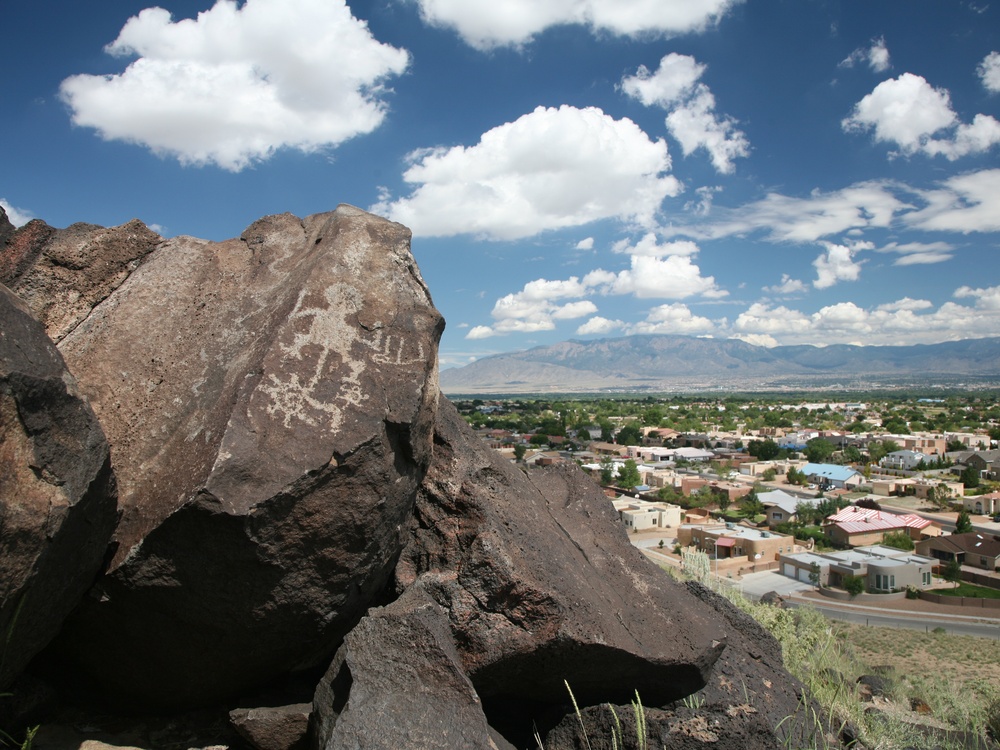
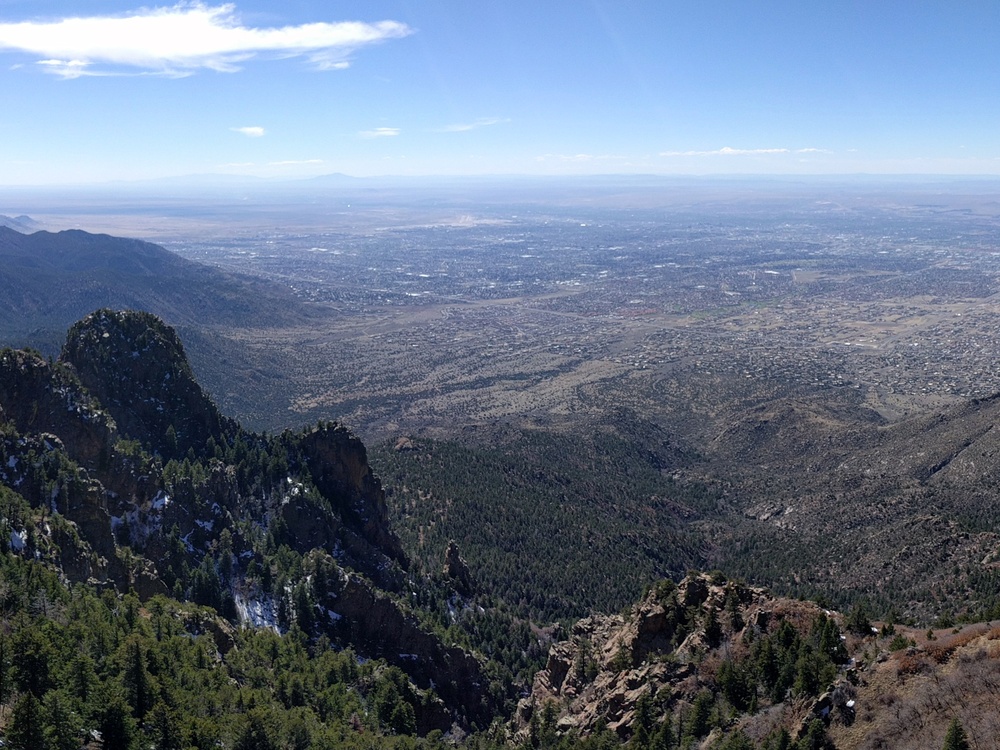
Beyond its cultural appeal, Albuquerque is also a gateway to outdoor adventure, inviting travelers to hike desert trails, bike along river pathways, or ascend the Sandia Mountains for sweeping views of the valley below. With more than 300 days of sunshine annually, the city offers an ideal climate for exploration, whether wandering ancient petroglyph sites or rafting gently down the Rio Grande. It is a place where history, landscape, and modern energy converge, offering visitors a deeper sense of connection to the land and its enduring spirit.
This article uses material from the Wikipedia articles and official tourism pages for Albuquerque, which are released under the Creative Commons Attribution-Share-Alike License 3.0.



.jpg)