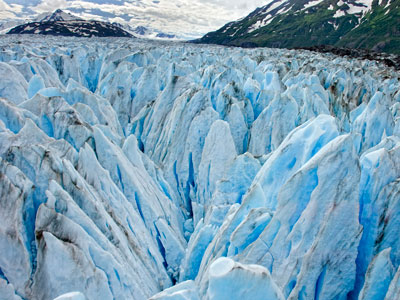
Prince William Sound Travel Guide
Sound of the Gulf of Alaska on the south coast of Alaska located on the east side of the Kenai Peninsula.
Places to See in Prince William Sound
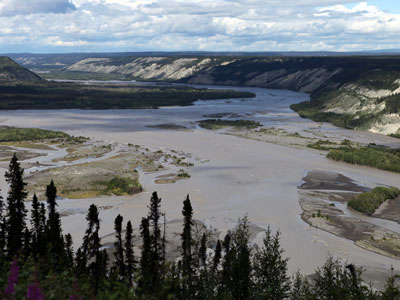
Eric Spenle, CC BY 3.0, via Wikimedia Commons; Image Size Adjusted

Copper River
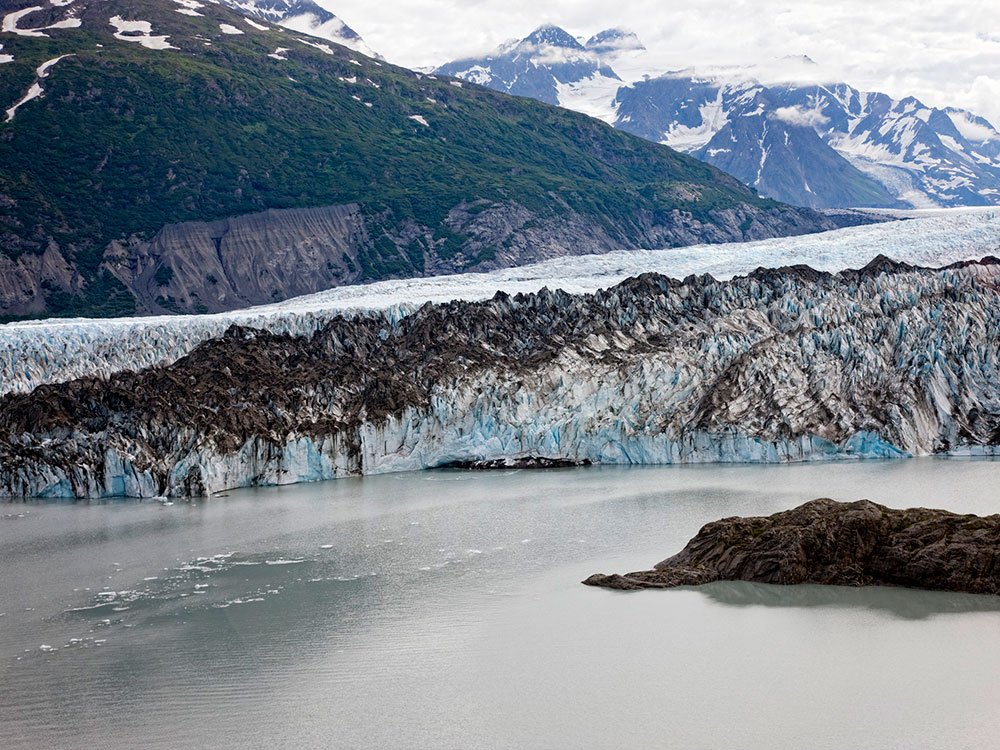
A vast glacial-fed river system known for powerful flows, expansive wetlands, and abundant salmon runs surrounded by rugged mountains and remote wilderness.
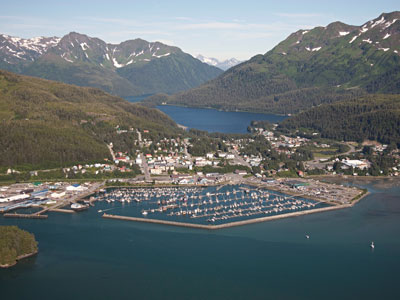
Forest Service Alaska Region, USDA, CC BY 2.0, via Wikimedia Commons; Image Size Adjusted

Cordova
A remote coastal community featuring an active fishing harbor, expansive wetlands, and access to rich marine ecosystems and glacier-filled landscapes.
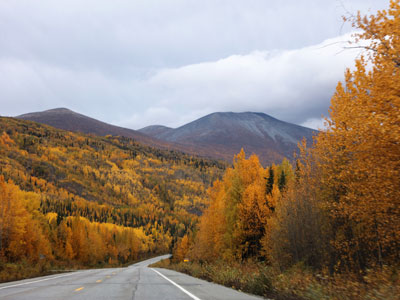
Enrico Blasutto, CC BY-SA 4.0, via Wikimedia Commons; Image Size Adjusted

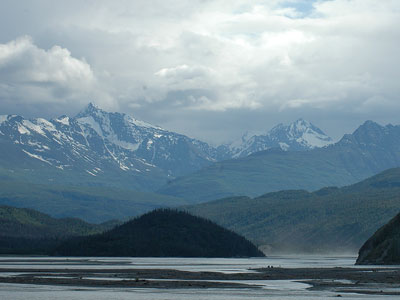
Richardson Highway
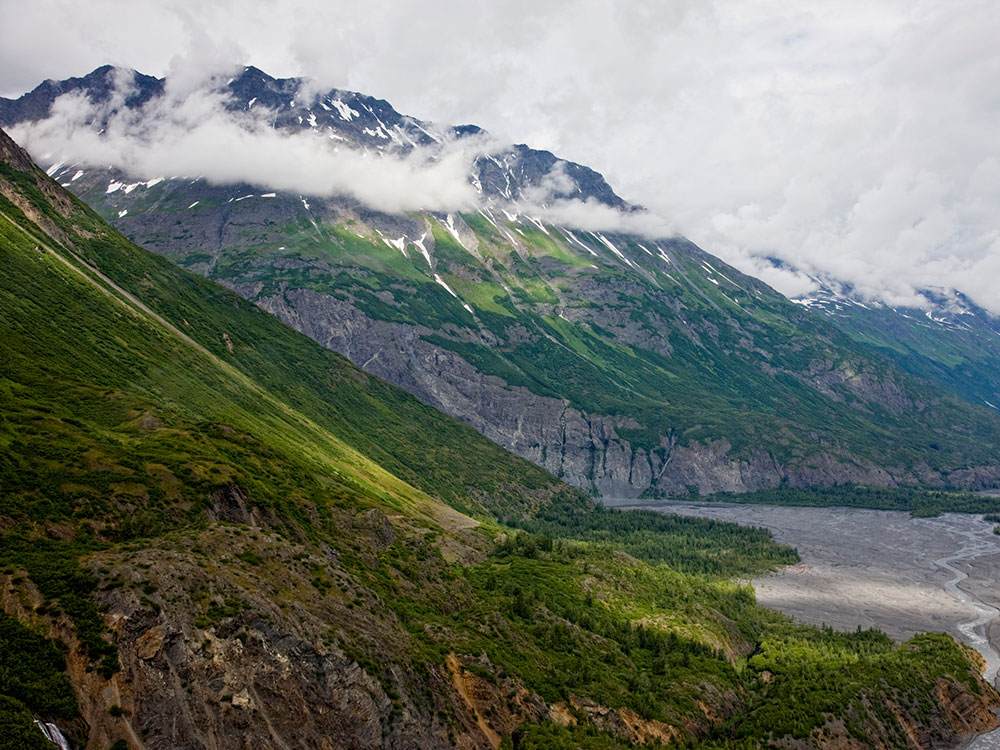
A scenic mountain highway featuring expansive wilderness views, glacial valleys, rivers, and access to remote communities and outdoor recreation.
Srvora at the English Wikipedia, CC BY-SA 3.0, via Wikimedia Commons; Image Size Adjusted

Valdez
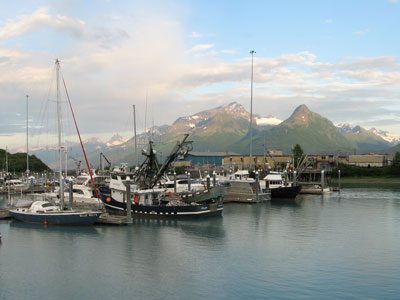
Coastal community set along a deep-water fjord surrounded by towering mountains, glaciers, and abundant marine and alpine wildlife.
William L. Farr, CC BY-SA 4.0, via Wikimedia Commons; Image Size Adjusted

Wrangell-St. Elais National Park and Preserve
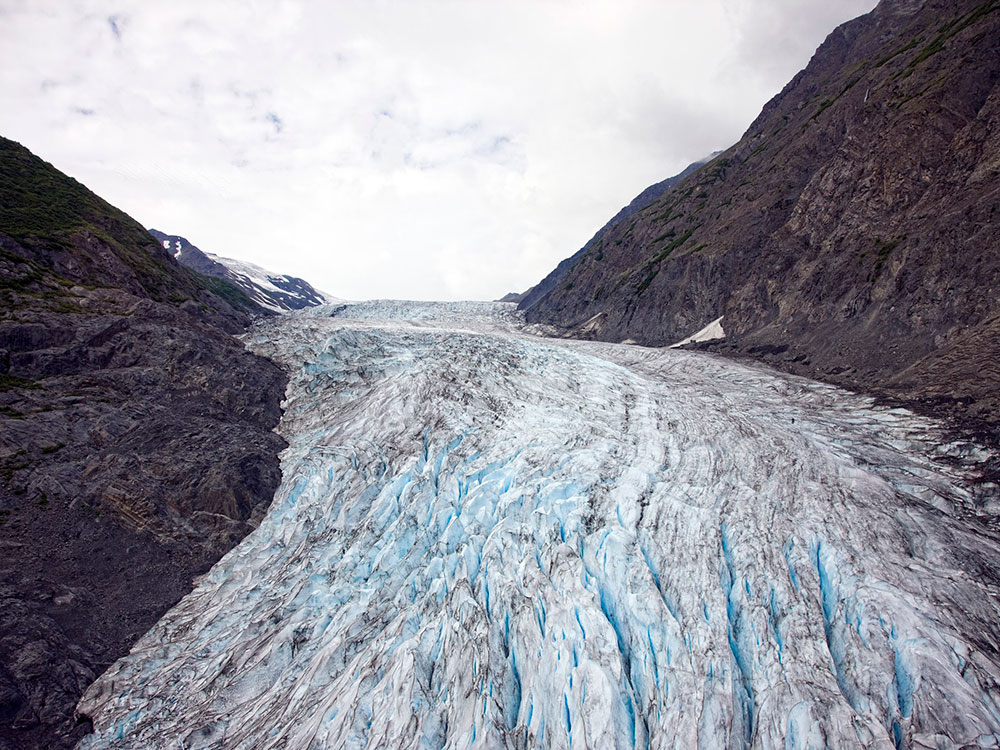
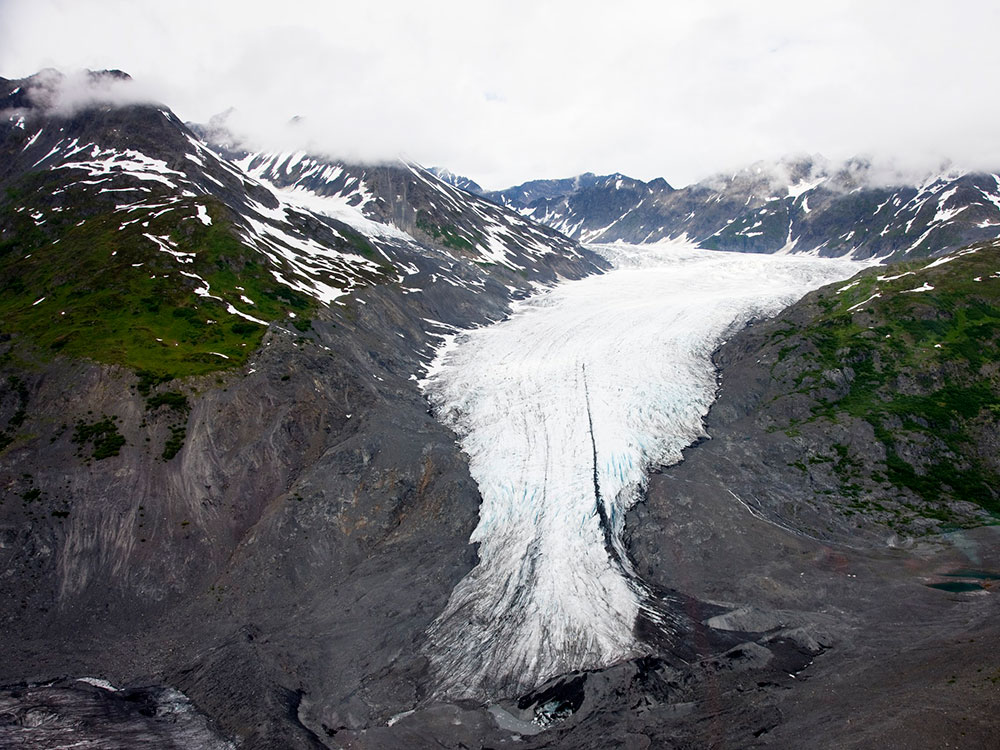
A vast protected wilderness encompassing massive glaciers, rugged mountain ranges, and remote valleys offering unparalleled opportunities for exploration and outdoor adventure.
Overview
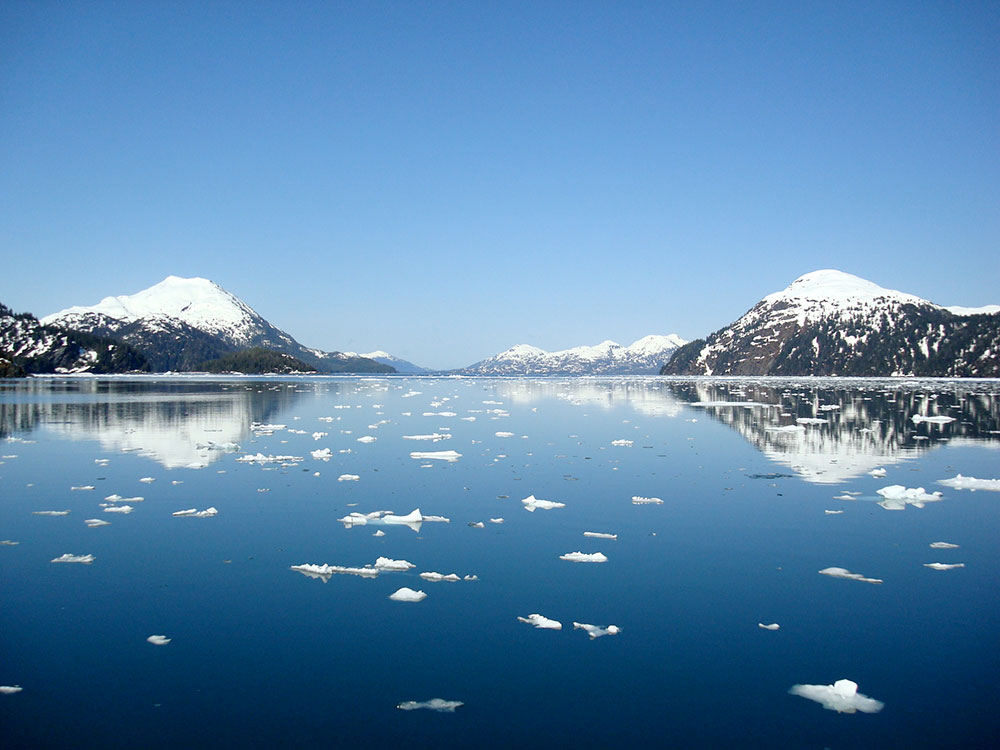
Prince William Sound is a deep sound of the Gulf of Alaska east of the Kenai Peninsula, ringed by the Chugach Mountains, with more than 3,000 miles of coastline, tidewater glaciers, and small islands. Visitors come for glacier cruises, kayaking, sportfishing, and a chance to see whales, sea otters, sea lions, and seabirds.
Most trips begin in Whittier, Valdez, or Cordova, three small towns reached by tunnel, highway, and air or ferry. The area also serves as the gateway to the huge Wrangell-St. Elias National Park to the north.
Geography
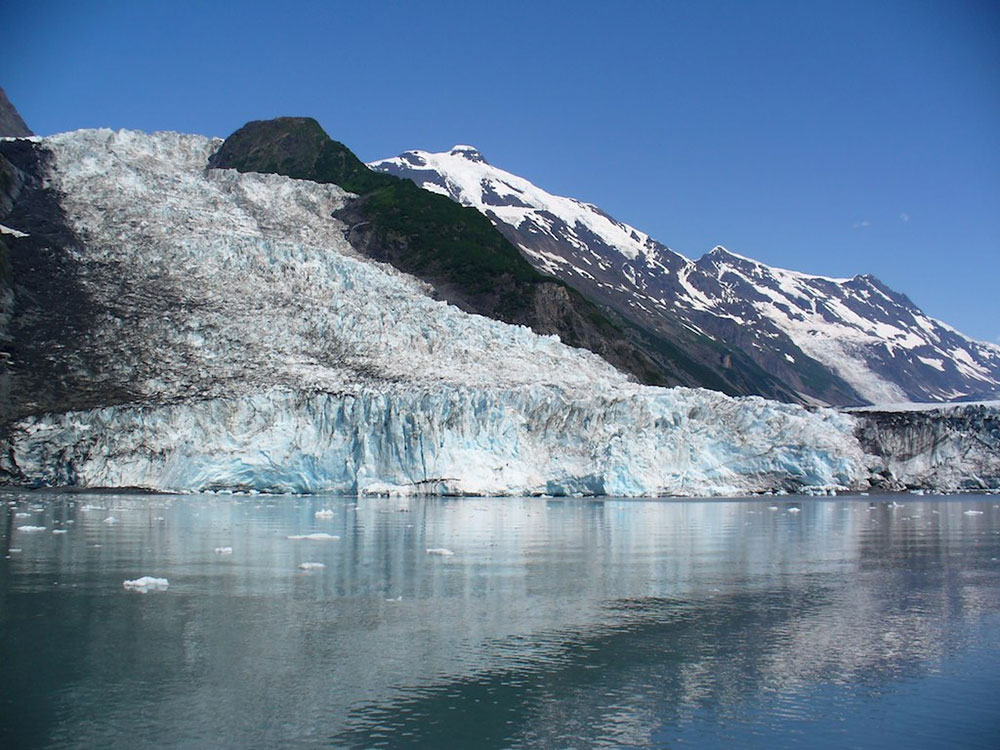
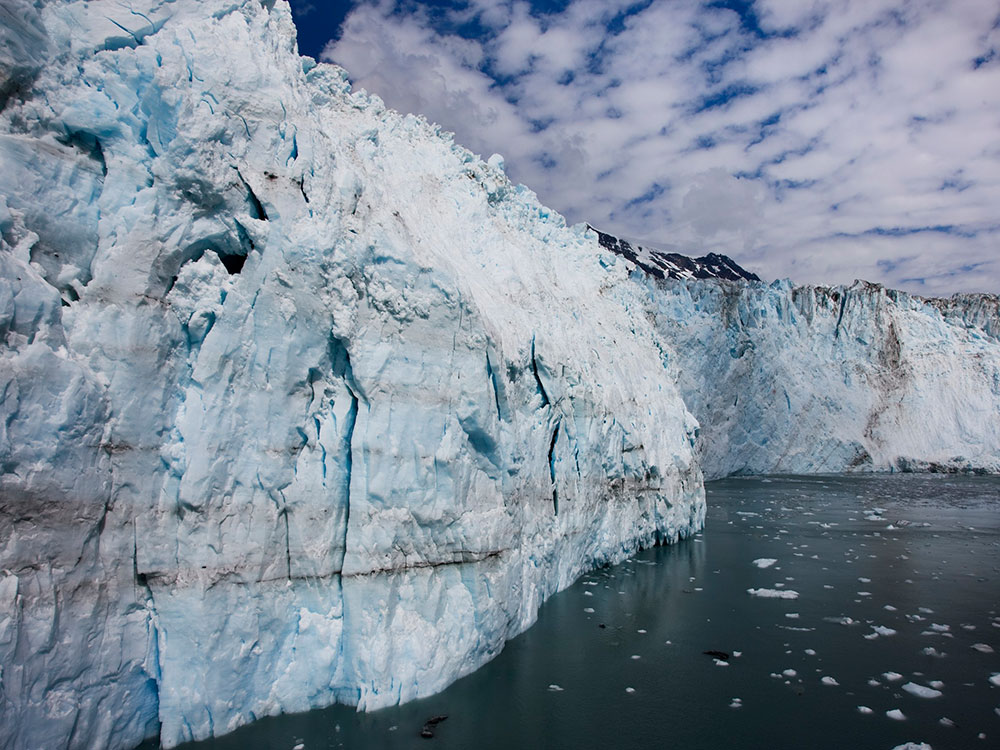
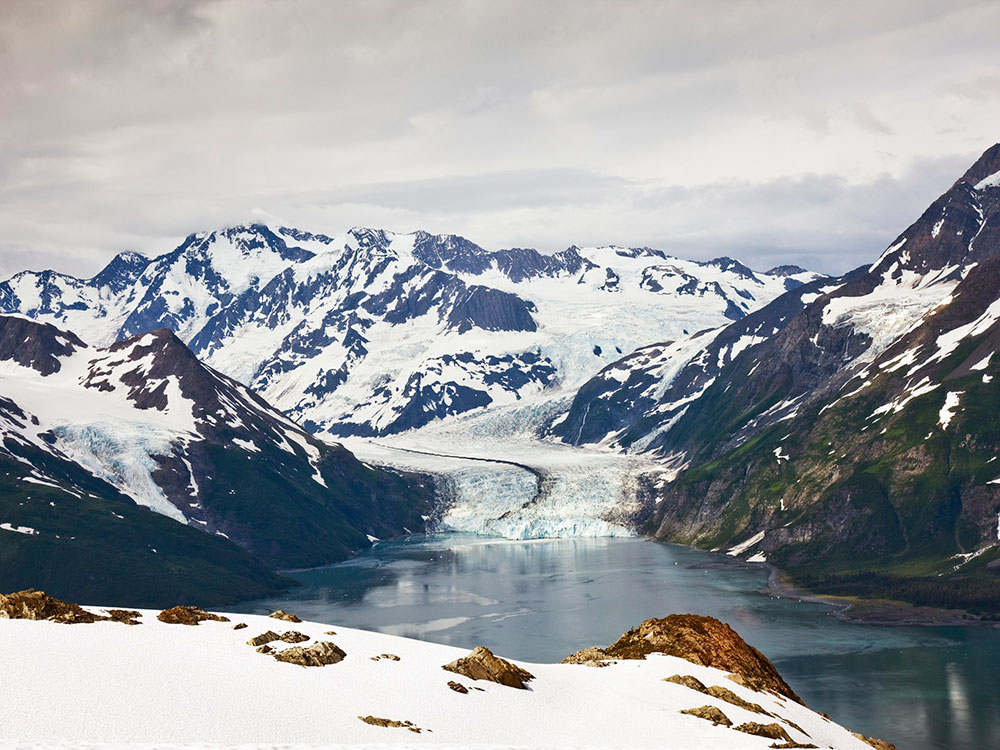
The sound is a large, island-dotted bay at the northern end of the Gulf of Alaska, and the Chugach Mountains and the Kenai Mountains rise steeply from its shores. Dozens of glaciers, including Columbia Glacier, reach the water, and the nearby Copper River Delta is a vast wetland. The area gets heavy rain and snow, with some of the highest snowfalls in Alaska, and the weather is changeable.
History
The Alutiiq (Sugpiaq), Eyak, and Ahtna peoples lived here long before Captain James Cook entered the sound in 1778. Russian fur traders followed, and the area was purchased by the United States in 1867. Copper was mined at Kennecott from 1911 to 1938, and the railroad to Cordova carried it to the coast. The 1964 Good Friday earthquake, a magnitude 9.2 event, destroyed much of Valdez and the town was moved to a new site. The Trans-Alaska Pipeline terminal opened at Valdez in 1977, and the 1989 Exxon Valdez oil spill was one of the worst in U.S. history.
Cities and Towns
Whittier is reached by the Anton Anderson Memorial Tunnel and is the base for glacier cruises and kayak trips. Valdez is the pipeline terminal, with Columbia Glacier cruises, sportfishing, and heli-skiing, and is reached by the Richardson Highway. Cordova, which has no road connection to the rest of Alaska, is known for fishing and birding at the Copper River Delta.
National Protected Areas
Wrangell-St. Elias National Park and Preserve, at 13.2 million acres the largest national park in the United States, lies north of the sound and is reached from Valdez and the Richardson Highway. It includes the historic copper-mining town of Kennecott, a National Historic Landmark, and the nearby town of McCarthy. Much of the shoreline around the sound is national forest, which is not covered here.
State Parks and Historic Sites
Shoup Bay State Marine Park near Valdez is a popular kayaking destination with a glacier and seabird colony. Worthington Glacier State Recreation Site on Thompson Pass lets visitors walk to the edge of a glacier near the highway. Along the Richardson Highway, historic markers recall the gold rush and pipeline construction, and the Valdez Museum and Whittier’s Prince William Sound Museum tell the story of the area’s history.
Seasons and Best Time to Visit
Summer, from May through September, is the main season, with the most daylight, the most tour boats running, and the best chance of seeing whales and puffins. Copper River salmon arrive in mid-May and June, and Cordova hosts the Copper River Delta Shorebird Festival in early May. Fall is quieter and rainy, and winter brings heavy snow, heli-skiing at Valdez, and ice climbing. The Whittier tunnel closes overnight, and the weather can disrupt boat tours at any time of year.
This article uses material from the Wikipedia articles and official tourism pages for Alaska.org - Best Glacier Experiences in Prince William Sound, Prince William Sound, released under the Creative Commons Attribution-Share-Alike License 3.0. Additional information is from the National Park Service page for Wrangell-St. Elias National Park and Preserve, Alaska State Parks, and Travel Alaska.