
.jpg)
A vast protected wilderness encompassing massive glaciers, rugged mountain ranges, and remote valleys offering unparalleled opportunities for exploration and outdoor adventure.
Visitor centers operate seasonally, typically late May through mid-September
Fees may apply for guided tours, shuttles, and special activities
How to Get There
From Anchorage (200+ mi): Take Glenn Hwy (AK-1 E) toward Glennallen, then connect to Richardson Hwy (AK-4) and follow signs to various park access points such as Nabesna Road or McCarthy Road depending on your destination.
Overview
Wrangell-St. Elias National Park and Preserve in south-central Alaska, created in 1980, is the largest national park in the U.S. at about 13.2 million acres, six times the size of Yellowstone, and a UNESCO World Heritage Site with Kluane in Canada. It has nine of the 16 highest peaks in the U.S., including Mount St. Elias (18,008 feet), huge glaciers like the Malaspina, and the historic Kennecott mining camp.
Highlights
- McCarthy Road: a 60-mile gravel road to McCarthy and Kennecott, a highlight of the park, with glacier hiking and ice climbing
- Nabesna Road: a second, more remote road on the northern side
- Flightseeing: from McCarthy or Chitina over the icefields and peaks
- Visitor center: in Copper Center, on the Richardson Highway
Getting to the park
Wrangell-St. Elias National Park and Preserve, located in south-central Alaska, is the largest national park in the United States, encompassing towering peaks, massive glaciers, and historic mining sites. Unlike many of Alaska's most remote parks, it does have some limited road access, making it somewhat easier to reach, though large portions remain accessible only by air.
- By Car — The park is accessible by road from the town of Glennallen, roughly a 4-5 hour drive from Anchorage via the Glenn and Richardson Highways. From there, two unpaved roads lead into the park: the Nabesna Road and the McCarthy Road, the latter leading to the historic communities of McCarthy and Kennecott.
- By Air — Small aircraft provide access to more remote areas of the park, including backcountry airstrips used for mountaineering trips, glacier landings, and access to areas not reachable by road. Air taxis commonly operate out of Chitina, McCarthy, and Glennallen.
- By Shuttle or Footbridge (McCarthy Road) — The McCarthy Road ends at the Kennicott River, where visitors must cross a footbridge on foot, as vehicles are not permitted beyond this point. From there, a local shuttle or a short walk connects visitors to the town of McCarthy and on to Kennecott.
- On Foot or by Guided Trip — Beyond the road corridors, the park has very few maintained trails, so most backcountry travel is done on foot with backcountry navigation skills or through guided hiking, rafting, and mountaineering trips.
Because the McCarthy and Nabesna Roads are unpaved, narrow, and can be affected by weather or seasonal conditions, it's wise to check road conditions in advance and allow extra travel time, especially for visitors driving their own vehicles.
Things to Do
Explore America's Largest National Park
Wrangell-St. Elias National Park & Preserve encompasses more than 13 million acres of mountains, glaciers, rivers, forests, and wilderness in southeastern Alaska. Four major mountain ranges converge within the park, creating one of North America's most spectacular and remote landscapes. Visitors can explore historic mining sites, hike on glaciers, drive scenic backcountry roads, and experience true wilderness adventure.
Visit the Historic Kennecott Mining District
The historic town of Kennecott is one of the park's most popular destinations. Once a thriving copper mining community, the area now features restored mill buildings, interpretive exhibits, ranger programs, and opportunities to learn about the region's industrial history. Nearby McCarthy serves as the primary gateway for many park visitors.
Hike to Root Glacier
Root Glacier provides one of the most accessible glacier experiences in Alaska. Visitors can hike to the glacier independently from Kennecott or join guided excursions that travel across the ice, allowing exploration of crevasses, ice formations, and glacial landscapes.
Take a Flightseeing Tour
Due to the park's immense size and limited road access, flightseeing is one of the best ways to appreciate Wrangell-St. Elias. Scenic flights provide views of vast icefields, towering peaks, active glaciers, and remote wilderness areas that cannot be reached by road.
Drive the McCarthy Road
The 59-mile McCarthy Road follows the route of a historic railway through rugged Alaska backcountry. The journey offers opportunities to view wildlife, rivers, forests, and mountain scenery before reaching the pedestrian bridge that provides access to McCarthy and Kennecott.
Explore the Nabesna Road Area
The 42-mile Nabesna Road accesses the northern portion of the park and provides visitors with scenic viewpoints, hiking opportunities, wildlife viewing, and a less-crowded alternative to the McCarthy area. The drive showcases dramatic mountain landscapes and remote wilderness.
Experience Outdoor Adventure
Wrangell-St. Elias offers a wide range of outdoor recreation opportunities including backpacking, rafting, glacier trekking, mountaineering, wildlife viewing, camping, and backcountry exploration. The park's immense size and rugged terrain make it one of Alaska's premier destinations for adventure travelers.
Top Trails
Root Glacier Trail
Length: Approximately 4 miles round trip
Elevation Gain: Minimal
Difficulty: Easy to Moderate
This popular trail begins in Kennecott and leads hikers to the edge of Root Glacier. The route offers outstanding views of glacial valleys, surrounding mountains, and the opportunity to access the glacier itself.
Bonanza Mine Trail
Length: Approximately 9 miles round trip
Elevation Gain: Approximately 3,800 feet
Difficulty: Strenuous
One of the area's signature hikes, the Bonanza Mine Trail climbs steeply above Kennecott to the historic Bonanza Mine site. Hikers are rewarded with panoramic views of glaciers, mountain peaks, and the Kennecott Valley.
Nugget Creek Trail
Length: Approximately 7 miles round trip
Elevation Gain: Moderate
Difficulty: Moderate
This scenic trail travels through forests and glacial terrain near Kennecott, leading to views of waterfalls, mountain scenery, and the surrounding wilderness.
This article uses material from the Wikipedia article and official pages for Alaska.org - Things to Do in Wrangell-St. Elias National Park, Wrangell-St. Elias National Park and Preserve, released under the Creative Commons Attribution-Share-Alike License 3.0.
Featured Locations and Trails
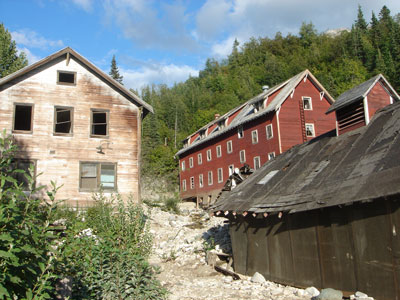
Sueswim03 at English Wikipedia, Public domain, via Wikimedia Commons; Image Size Adjusted

Kennecott
Historic mining settlement featuring preserved industrial buildings, abandoned structures, and access to glaciers and rugged wilderness landscapes.
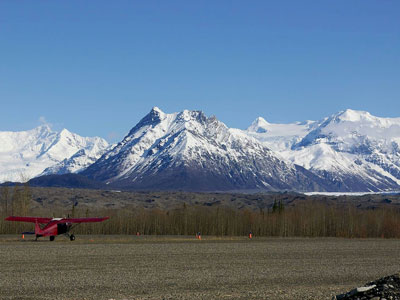
Gerald Smith, Public domain, via Wikimedia Commons; Image Size Adjusted

McCarthy
Remote historic town offering rustic accommodations, preserved frontier-era buildings, and access to vast wilderness, glaciers, and outdoor exploration.
_(21587560302)-400.jpg)
National Park Service, Alaska Region, Public domain, via Wikimedia Commons; Image Size Adjusted
_(21587560302).jpg)
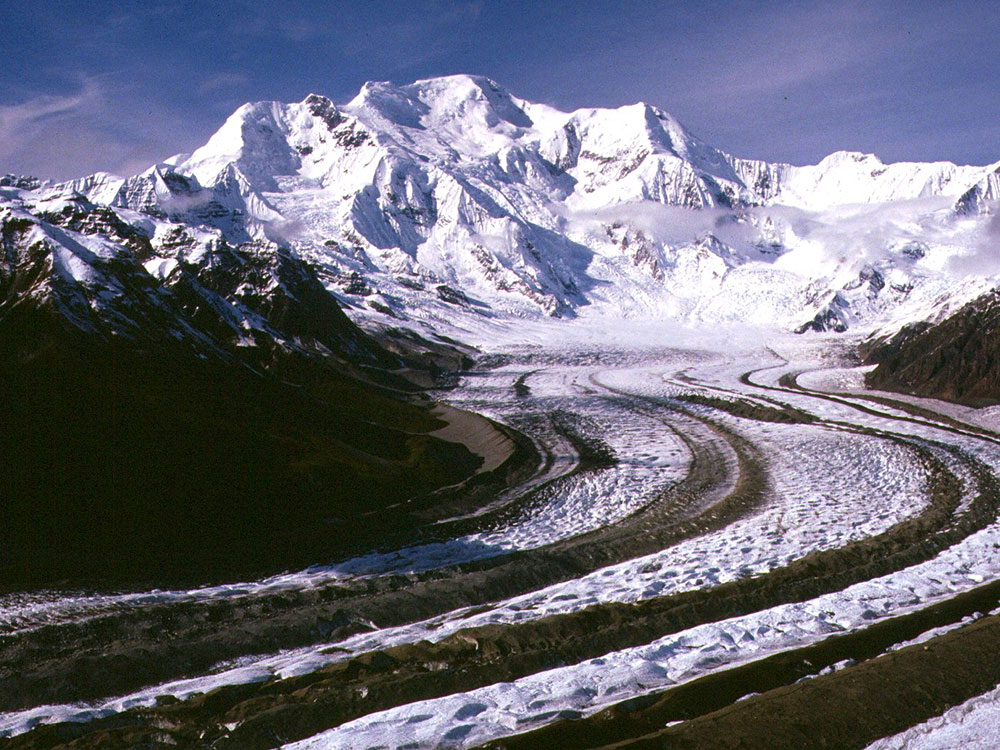
Root Glacier Trail
Moderately challenging trail traversing glacial moraine and rocky terrain to a vast ice field where visitors can step onto a dynamic glacier surrounded by mountain scenery.

-1000.jpg)
.jpg)