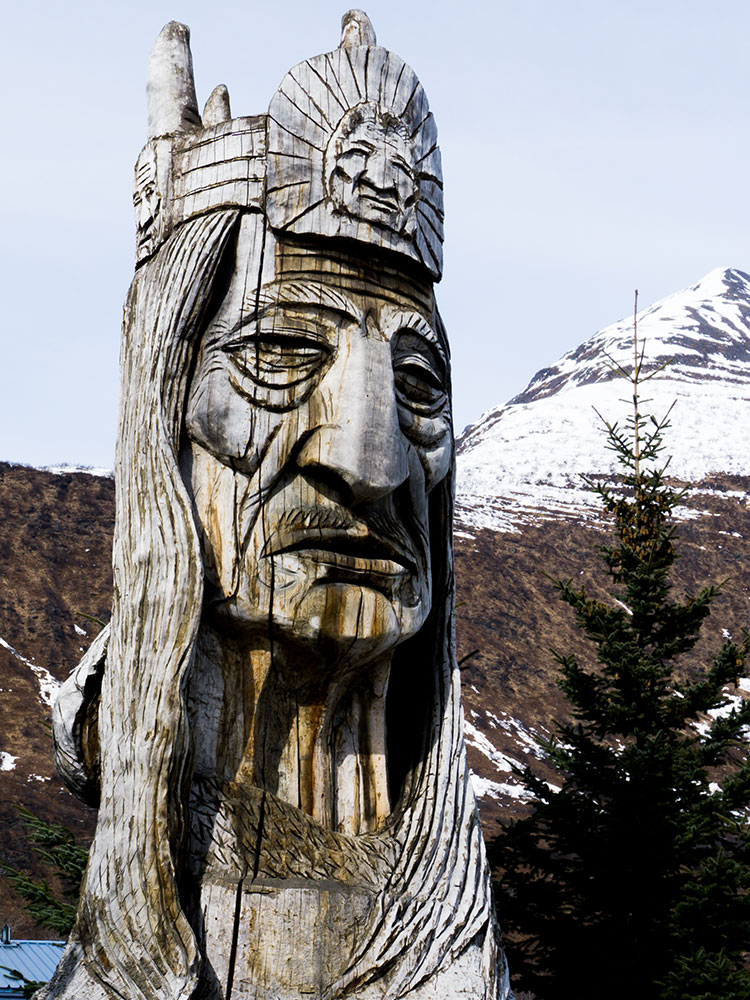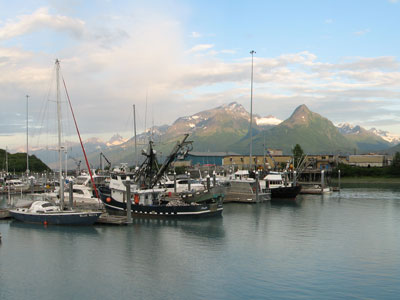

Coastal community set along a deep-water fjord surrounded by towering mountains, glaciers, and abundant marine and alpine wildlife.
Visitor information services typically available daily from 9am to 5pm
Local business hours vary by season
Costs vary for tours, activities, lodging, and excursions
How to Get There
From Anchorage (300 mi): Take AK-1 N (Glenn Highway) toward Glennallen, then follow AK-4 S (Richardson Highway) through Thompson Pass and Keystone Canyon directly into town.
Overview
The Valdez area offers one of the most dramatic landscapes in Alaska, where glaciers spill down from rugged peaks into sheltered waters and waterfalls cascade through steep canyon walls. Positioned along the edge of a deep fjord, the community is a gateway to outdoor adventure, from kayaking among icebergs to cruising alongside tidewater glaciers. The surrounding terrain supports a rich diversity of wildlife, including whales, sea otters, and eagles, while inland trails wind through dense forests and alpine environments shaped by heavy snowfall and glacial activity.
Historically, the town emerged as a vital port during the gold rush era and later became a key transportation hub and the southern terminus of the Trans-Alaska Pipeline, solidifying its economic importance. Despite the devastation of the 1964 earthquake and the impact of the Exxon Valdez oil spill decades later, the community has demonstrated resilience and continues to thrive as both a working port and an adventure destination. Today, visitors are drawn by its unique blend of history, culture, and raw natural beauty, making it a compelling stop for those seeking an authentic and immersive Alaskan experience.
Things to Do
Experience the Gateway to Prince William Sound
Valdez is a picturesque coastal community surrounded by snow-capped mountains, waterfalls, glaciers, and the waters of Prince William Sound. Known for its scenic beauty and outdoor recreation opportunities, the city serves as a popular destination for travelers seeking hiking, wildlife viewing, fishing, kayaking, and glacier adventures.
Explore Prince William Sound
Prince William Sound is one of Alaska's premier marine destinations. Visitors can take boat tours, wildlife cruises, kayaking excursions, and glacier sightseeing trips to experience tidewater glaciers, fjords, waterfalls, and abundant marine wildlife including sea otters, whales, seals, and seabirds.
Visit the Solomon Gulch Hatchery
Located just outside of town, the Solomon Gulch Hatchery provides opportunities to learn about Alaska's salmon industry and fish conservation efforts. During summer months, visitors can observe salmon returning to spawn and often see sea lions and bald eagles gathering near the hatchery.
Discover Local Gold Rush History
Valdez played an important role during Alaska's gold rush era as a starting point for prospectors traveling into the interior. Historic trails, interpretive sites, and museums throughout the area highlight the community's rich history and pioneering heritage.
Enjoy World-Class Hiking
Valdez offers an extensive network of hiking trails ranging from easy coastal walks to challenging mountain routes. Hikers can enjoy waterfalls, alpine scenery, wildlife viewing, historic routes, and panoramic views of Port Valdez and the surrounding Chugach Mountains.
Drive Through Keystone Canyon
Just outside Valdez, Keystone Canyon features dramatic cliffs, waterfalls, and spectacular scenery. Visitors can easily stop to view Bridal Veil Falls and Horsetail Falls, two of the area's most photographed natural attractions.
Experience Outdoor Adventure
The Valdez area offers opportunities for kayaking, fishing, glacier cruises, mountain biking, wildlife photography, backcountry exploration, and winter recreation. Its combination of ocean, mountains, and glaciers makes Valdez one of Alaska's most versatile adventure destinations.
Top Trails
Dock Point Trail
Length: Less than 1 mile round trip
Elevation Gain: Minimal
Difficulty: Easy
This family-friendly trail follows a peninsula between Duck Flats and Port Valdez. It is known for birdwatching opportunities, bald eagle sightings, and scenic coastal views.
Civic Center Overlook Trail
Length: Approximately 1 mile round trip
Elevation Gain: Moderate
Difficulty: Easy to Moderate
Also known as the Overlook Trail, this short hike climbs above town and rewards visitors with panoramic views of Valdez, Port Valdez, and the surrounding mountain scenery.
Mineral Creek Trail
Length: Varies by destination
Elevation Gain: Moderate
Difficulty: Moderate
Following Mineral Creek Canyon, this historic trail passes through scenic mountain terrain and leads toward remnants of early mining activity, including an abandoned stamp mill associated with the region's gold rush history.
Shoup Bay Trail
Length: Approximately 11-12 miles round trip to Shoup Bay
Elevation Gain: Moderate
Difficulty: Moderate to Strenuous
One of the area's signature wilderness hikes, Shoup Bay Trail travels through coastal forests and remote backcountry terrain, eventually reaching views of Shoup Glacier and Prince William Sound.
Sources: Discover Valdez official visitor information covering hiking trails, historic routes, Dock Point Trail, Mineral Creek Trail, Shoup Bay Trail, the Trail of 1898, and outdoor recreation opportunities throughout the Valdez area.
Discover Valdez - Hiking Trails
Additional information verified through City of Valdez trail resources and visitor information covering the community trail network, Prince William Sound recreation, Civic Center Overlook Trail, and other outdoor activities available in and around Valdez.
City of Valdez - Trails & Maps
This article uses material from the Wikipedia articles and official tourism pages for Valdez, which are released under the Creative Commons Attribution-Share-Alike License 3.0.