Central California Coast Travel Guide
California region along the central Pacific Ocean coast directly west of Los Angeles and encompases the cities of Malibu, Santa Barbara, Ventura, Pismo Beach, San Luis Obispo and Morro Bay


-400.jpg)

Places to See in Central California Coast
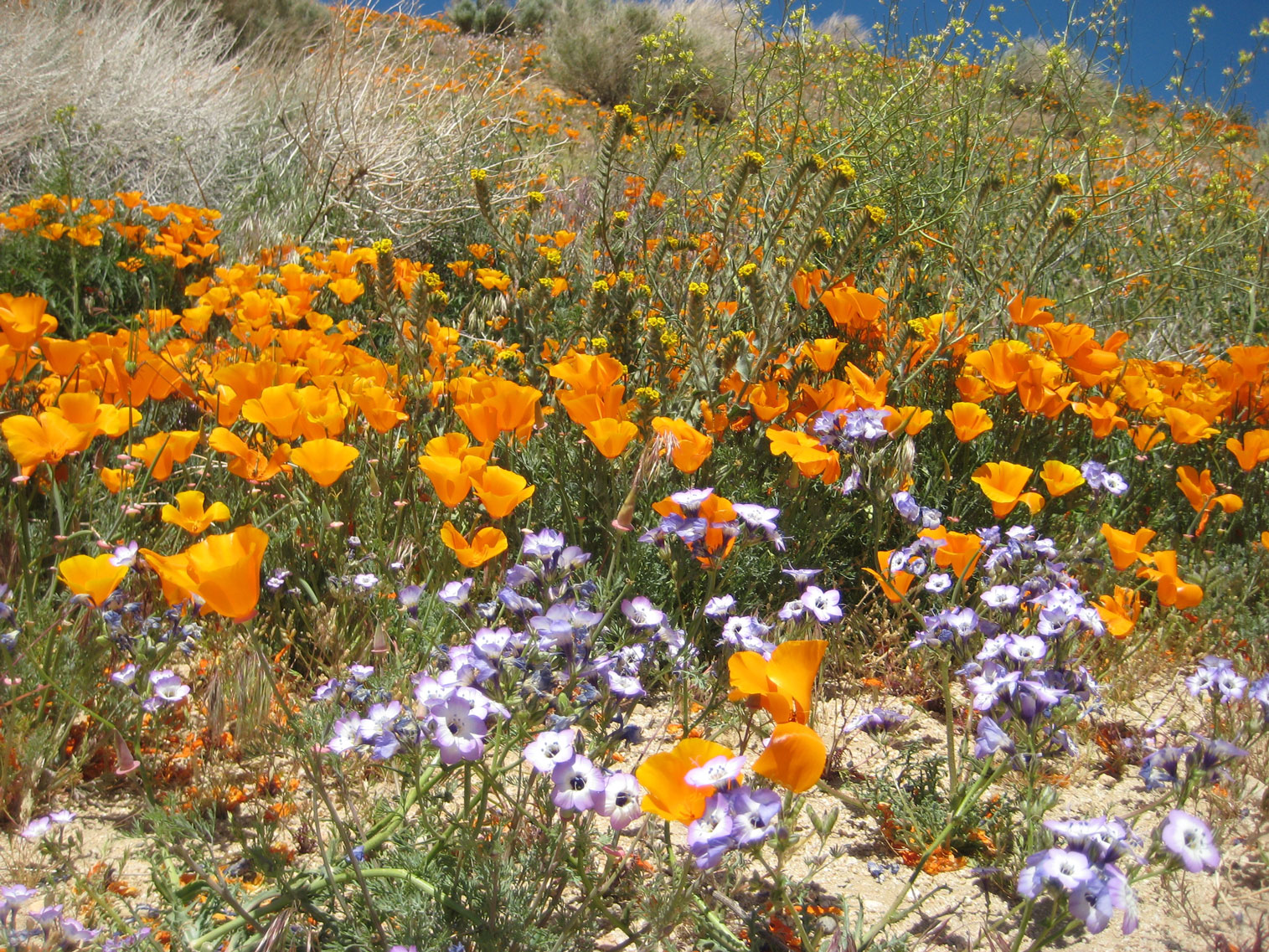
Antelope Valley California Poppy Reserve State Natural Reserve
State-protected reserve of California, harboring the most consistent blooms of California poppies, the state flower
-400.jpg)
Carrizo Plain National Monument
Largest single native grassland remaining in California
-400.jpg)
Channel Islands National Park
Protected marine and island ecosystem featuring endemic wildlife, sea caves, hiking trails, and underwater reserves across five isolated islands.
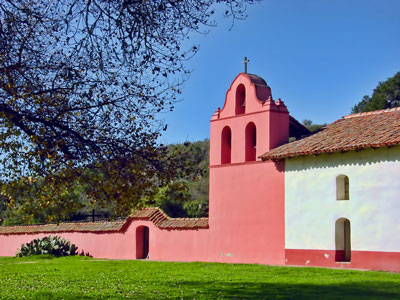
La Purisima Mission
Currently the only example in California of a complete Spanish Catholic mission complex, and was designated a National Historic Landmark in 1970
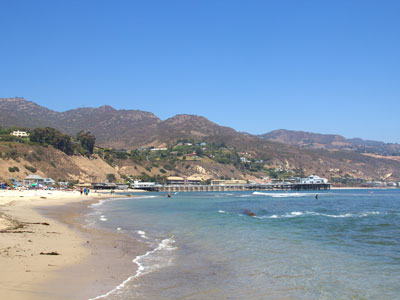
Invertzoo, CC BY-SA 3.0, via Wikimedia Commons; Image Size Adjusted
Malibu
Beach city in the Santa Monica Mountains region, situated about 30 miles west of Downtown Los Angeles, known for its Mediterranean climate and its 21-mile strip of the Malibu coast
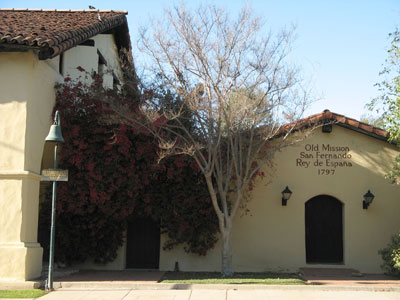
Invertzoo, CC BY-SA 3.0, via Wikimedia Commons; Image Size Adjusted
Mission San Fernando Rey de España
Spanish mission in the Mission Hills community of Los Angeles and was the seventeenth of the twenty-one Spanish missions is the namesake of the nearby city of San Fernando and the San Fernando Valley
-400.jpg)
Invertzoo, CC BY-SA 3.0, via Wikimedia Commons; Image Size Adjusted
Mission Santa Ines
Home to the first learning institution in Alta California and today serves as a museum
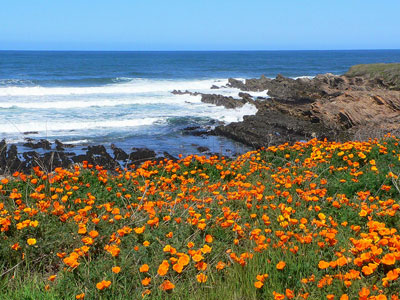
Montaña de Oro State Park
State park consisting of 8,000 acres of cliffs, seven miles of shoreline, sandy beaches, dunes, coastal plains, streams, canyons, and hills, including the 1,347-foot Valencia Peak
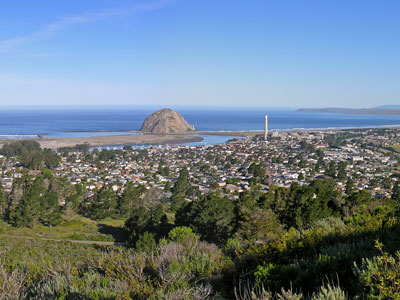
Morro Bay
Seaside city located on the Central Coast of California, known for the large estuary that is situated along the northern shores of the bay itself
Visitor7, CC BY-SA 3.0, via Wikimedia Commons; Image Size Adjusted
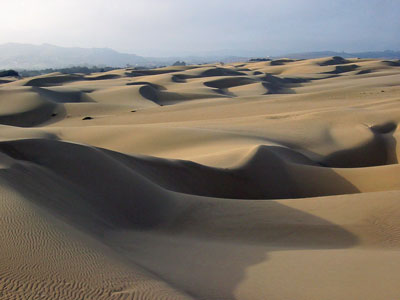
Oceano Dunes State Vehicular Recreation Area
State area consisting of five and half miles of beach open for vehicle use and a large area of the sand dunes open for off-highway vehicle (OHV) use
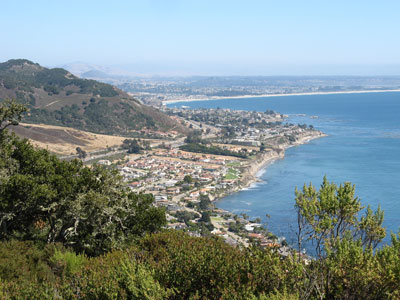
Pismo Beach
City in the Central Coast area of California, and is part of the Five Cities area, a cluster of cities in the area
.jpg)


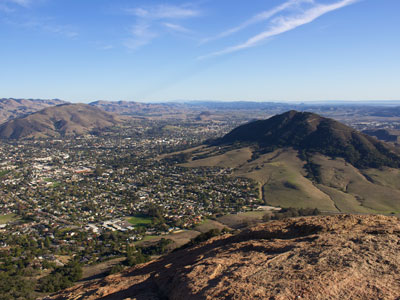
San Luis Obispo
City located on the Central Coast of California, is a popular tourist destination, known for its historic architecture, vineyards, and hospitality
-400.jpg)
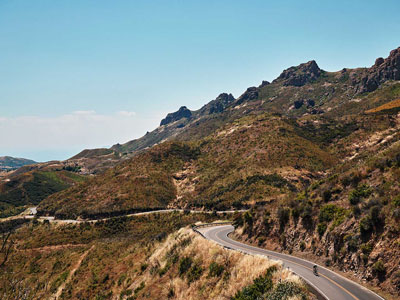
Santa Barbara
Coastal city in California, situated on a south-facing section of coastline, the city lies between the steeply rising Santa Ynez Mountains and the Pacific Ocean
Santa Monica Mountains National Recreation Area
National recreation area containing many individual parks and open space preserves, located primarily in the Santa Monica Mountains of Southern California
-400.jpg)
Vasquez Rocks Natural Area and Nature Center
932-acre park known for its rock formations, the result of sedimentary layering and later seismic uplift and has often been used as a location for films and television shows
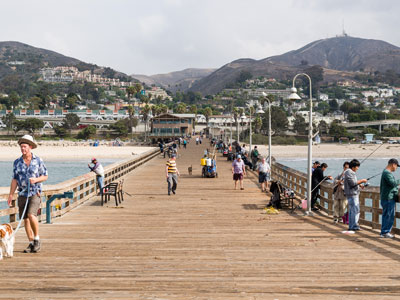
Ventura
Officially San Buenaventura, city is a coastal site, set against undeveloped hills and flanked by two free-flowing rivers on the Central California Coast
Overview
Along the Pacific edge of California, the stretch of coastline between Malibu and Morro Bay unfolds as a dramatic meeting of land and sea. Here, the Santa Lucia and Transverse mountain ranges rise abruptly from the ocean, carving steep bluffs, hidden beaches, and broad sandy shelves shaped by wind and waves. Morning fog drapes the shoreline in silver, retreating by midday to reveal turquoise shallows, kelp forests, and long arcs of surf that define the rhythm of coastal life.
This region is as biologically rich as it is scenic. Cold offshore currents nourish plankton blooms that support whales, dolphins, sea lions, and dense colonies of seabirds, making the coast one of North America’s most vibrant marine corridors. Inland, coastal terraces and sunlit valleys give way to chaparral, oak woodlands, and vineyards, where agriculture thrives under the cooling influence of ocean air. Protected beaches, state parks, and marine sanctuaries preserve both fragile habitats and uninterrupted views of a shoreline that remains strikingly wild.
For travelers, the journey is inseparable from the road itself. Highway 1 traces the continent’s edge, threading past historic missions, artistic seaside towns, and remote headlands where the Pacific stretches unbroken to the horizon. Evenings bring golden light and long shadows across the cliffs, while nightfall reveals stars undimmed by city glare. It is a coast that rewards patience and curiosity, offering not a single destination, but a continuous story of geology, climate, and human connection to the sea.
This article uses material from the Wikipedia articles and official tourism pages for the Central Coast of California, which are released under the Creative Commons Attribution-Share-Alike License 3.0.