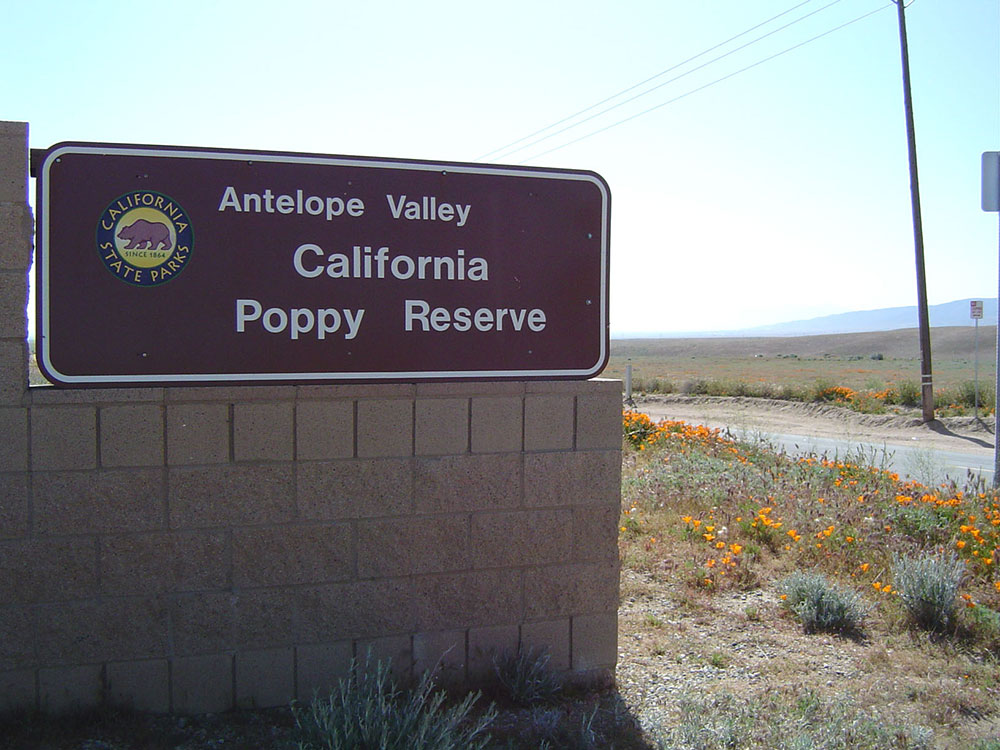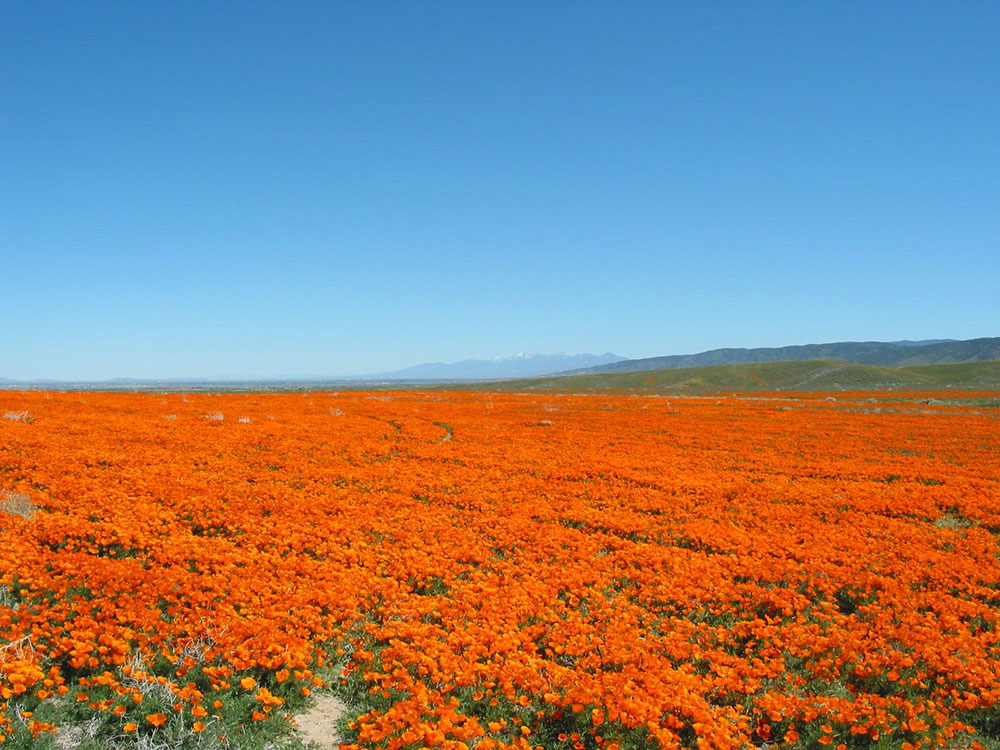

State-protected reserve of California, harboring the most consistent blooms of California poppies, the state flower
General Information
Jane S. Pinheiro Visitor Center: Open seasonally March–May, 9am–5pm weekends, 10am–4pm weekdays
Seniors (62+): $9
Walk-in/Bike-in: Free
Interagency Passes not accepted
Peak bloom typically occurs in March and April depending on rainfall
How to Get There
From Los Angeles (68 mi): Take I-5 N to CA-14 N toward Lancaster, exit at Avenue I and head west for 15 miles until it becomes Lancaster Rd, then follow signs to the reserve entrance.
Overview
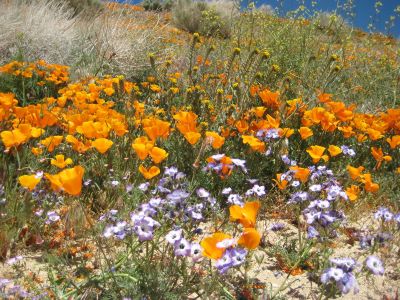
The Antelope Valley California Poppy Reserve is one of the best places in California to see the golden California poppy, the state flower, blanketing rolling hills in orange. The reserve was set aside as a State Natural Reserve to protect the western Mojave Desert's native wildflower habitat, and its grassland slopes produce some of the state's most consistent poppy blooms, mixed with lupine, owl’s clover, goldfields and cream cups. In good years the hillsides become a popular springtime destination for photographers, hikers and families, many of whom come just to walk among the flowers and take in the wide desert views.
Access
The reserve sits on the western edge of the Antelope Valley in the Mojave Desert, about 15 miles west of Lancaster and roughly 68 miles north of Los Angeles. Nearly all visitors arrive by car: from Los Angeles, take I-5 north to CA-14 north toward Lancaster, exit at Avenue I and continue west until the road becomes Lancaster Road, which leads to the reserve entrance. There is no public transportation to the reserve, and parking can fill on peak bloom weekends, so arriving early is wise. Walk-in and bike-in visitors enter free of charge.
Seasons
Spring is the reason to visit. Poppies typically begin blooming in mid-February and peak in March and April, with flowers lingering into early May, though timing and intensity depend heavily on winter rainfall, and dry years can produce little color. Poppies close their petals on cloudy days and in the evening, so sunny midday hours show the best displays. Summers are hot, dry and windy with little to see in bloom, while fall and winter are quiet, cool and uncrowded. The reserve is open daily from sunrise to sunset year-round, and bloom conditions are posted online by California State Parks, so check before making the drive.
Things to Do
See the Poppy Bloom
The main activity is walking among the blooming hillsides. In a strong year, the slopes are covered in orange poppies mixed with purple lupine, yellow goldfields and cream cups, and the flowers stretch toward the distant Tehachapi and San Gabriel Mountains.
Photography and Wildflower Viewing
The rolling terrain, open desert light and color make the reserve a favorite for photographers. Stay on the marked trails to protect the flowers, and shoot in late morning to afternoon when the poppies are fully open.
Learn at the Interpretive Center
During the spring season, the Jane S. Pinheiro Interpretive Center offers exhibits and staff who can explain current bloom conditions and point visitors to the best trails.
Picnicking and Wildlife Watching
Picnic tables near the center make for an easy stop, and the grasslands support birds, lizards and small mammals. Pets are not allowed on trails or in the reserve.
Top Trails
Poppy Trail
Length: Approximately 1.5 miles round trip
Elevation Gain: Minimal
Difficulty: Easy
This paved trail starts near the visitor center and passes through some of the reserve's most reliable poppy displays, making it a good choice for families and visitors who want an easy walk.
Poppy Loop Trail
Length: Approximately 2 miles loop
Elevation Gain: Moderate
Difficulty: Easy to Moderate
This dirt trail climbs gently over the rolling hills for wider views of the valley and bloom, and connects to other trails that make up the reserve's roughly 8 miles of paths.
Visitor Center
The Jane S. Pinheiro Interpretive Center is the reserve's main visitor facility. It is open seasonally during the spring bloom, typically March through May, with exhibits on the area's wildflowers, wildlife and ecology, along with park staff, trail maps and restrooms. Outside of bloom season, services are limited, so plan to bring your own water and supplies. Trails departing from the center cover about 8 miles in total, including the Poppy Loop and the paved Poppy Trail.
Camping and Lodging
There is no camping or lodging within the reserve itself. The closest hotels, restaurants and services are in Lancaster, about 15 miles away, and neighboring Palmdale, which together offer a range of chain hotels and motels. Visitors coming for the day can also base in the Los Angeles area, about 1.5 hours away, or in Santa Clarita, roughly an hour south. For camping, Saddleback Butte State Park east of Lancaster has a small campground, and campgrounds in the Angeles National Forest are within an hour or two. Rooms in the area can fill quickly during peak bloom weekends, so book ahead.
This article uses material from the Wikipedia articles "Antelope Valley California Poppy Reserve", which are released under the Creative Commons Attribution-Share-Alike License 3.0. Additional information from California State Parks.