Kula, HI

John Morgan from Walnut Creek, CA, USA, CC BY 2.0, via Wikimedia Commons; Image Size Adjusted

Upcountry Maui community known for its cool climate, panoramic views, botanical gardens, and agricultural charm nestled along the slopes of Haleakalā.

General Information

Hours:
Accessible daily; most attractions open 9am to 4pm
Fees:
Free to explore town; individual attractions may charge admission
Pet Policy:
Pets allowed in public outdoor areas; not permitted in most gardens or farms
Closest cities with hotels:
Makawao (7 mi), Kahului (18 mi)
Seasons:
All year; clearest skies and best views from April to October
Location:
https://maps.app.goo.gl/7zZzZzZzZzq5z9A6
Website:
https://www.gohawaii.com/islands/maui/regions/upcountry/kula

From Kahului, HI (18 mi): Take HI-37 S (Haleakalā Hwy) for about 35 minutes to reach the heart of Kula.

Kula is a district of Maui, Hawaii, that stretches across the "up-country", the western-facing slopes of Haleakalā, from Makawao to Ulupalakua. Most of the residential areas lie between about 500 to 1,100 m (1,600 to 3,600 ft) in elevation. The district has traditionally been where full-time residents prefer to live, as distinct from the generally hotter and busier, more tourism-oriented towns near sea level, such as Kihei and Lahaina.

Kula roughly extends from Haleakala Highway (Hawaii Route 37) in the north to Keokea in the south—a distance of about 16 miles. The largely rural area known as Upper Kula includes the region up-slope from Lower Kula, the more densely populated area spread along the Kula Highway.

The word Kula means "open meadows" in the Hawaiian language. On Maui, Kula is one of the island's 12 foundation districts of ancient Hawaii called moku. Generally, Kula is a zone of arid earth with open country slopes between the inhabited and productive shoreline areas and the densely forested zone higher on the mountain.

The Kula district is the island's largest, extending from dry coastal areas to the wetter high pasture lands of three major ranches (Haleakala, Erewhon, and Ulupalakua) that cap the region about halfway up the slopes of Haleakala. It laterally extends from Keokea to near Makawao where the rainforest of East Maui once began.

In leeward areas, away from the prevailing moist tradewinds—called the rain shadow of Haleakala—the lower portion of Maui consists of a broad, arid expanse where little cultivation of the earth is possible. This zone consists of dry, desert-like open range just inland from the sea in artificially irrigated Kihei, and is covered with kiawe trees to an elevation of about 1,000 feet on the volcano's slopes.

Between this zone and the upper reaches of the hillsides, especially up steep Waipoli and Poli Poli Roads, broad, are open areas for vegetable and fruit crops. The moderate climate often yields as many as three or four harvests per year.

The twisty Haleakala Highway, from its junction with Kula Highway in Pukalani, loosely defines the northern edge of Upper Kula. The upper road (Kekaulike Avenue), also known as State Highway 377, leads up through usually green pastures, silver eucalyptus tree groves (and blue jacaranda trees in late spring), contrasting to the sugarcane below. Where the road beyond Kula Lodge makes an abrupt upward tack to Haleakala National Park, the area known as Upper Kula surrounds Kekaulike Avenue. In less than five miles it descends the slope to rejoin the Kula Highway near Rice Park and heads south to Keokea.

There is little commercial development along Kekaulike except Kula Botanical Garden and Aliʻi Kula Lavender Farm. Vegetable and flower gardens surround the meandering highway as farmers take advantage of the area's unique combination of open space, good soil, moisture-laden clouds and filtered tropical sun.

Lower Kula lies between about 1,200 and 2,800 feet of elevation along the western flank of Haleakalā, the dormant volcano that dominates the island's landscape and is the foundation of Kula’s backdrop.

Lower Kula encompasses the areas around Lower Kula Road, the old county road that once spanned the region before Kula Highway was finished in 1964. The old meandering road crosses the straight modern highway several times between Pukalani and Keokea.

Even after nearly 50 years, there are few businesses along the highway, while the old road has the usual establishments that serve rural communities, including historic churches. Holy Ghost Catholic Church has a unique octagonal shape and hand-carved altar. Its turret is a landmark on the slopes of Haleakala, visible from much of Central Maui below. It was constructed in 1894 by Portuguese immigrants.

This article uses material from the Wikipedia article "Kula, Hawaii", which is released under the Creative Commons Attribution-Share-Alike License 3.0
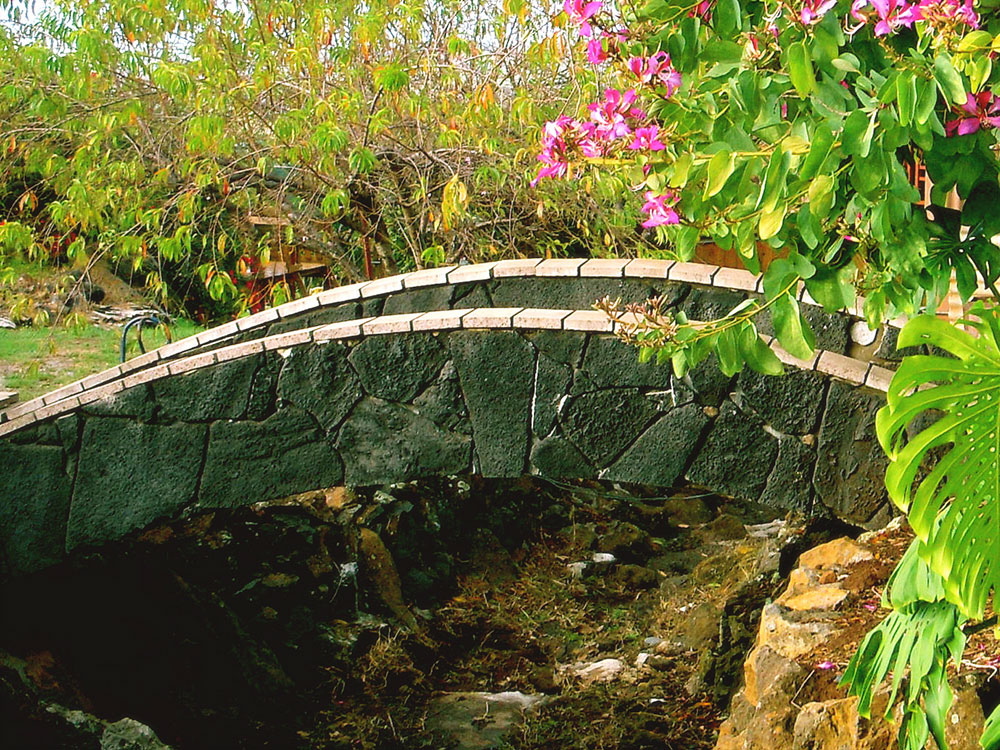
belindah-gone for awhile (grieving for my partner), CC BY 2.0, via Wikimedia Commons ; Image Size Adjusted