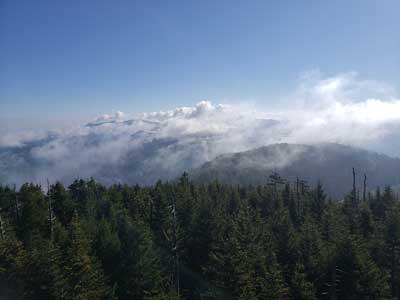
Hear country music echo through Nashville, blues in Memphis, and hike the misty Great Smoky Mountains amid Tennessee's rich musical heritage.
Rating:
Tennessee Map
Places to See in Tennessee
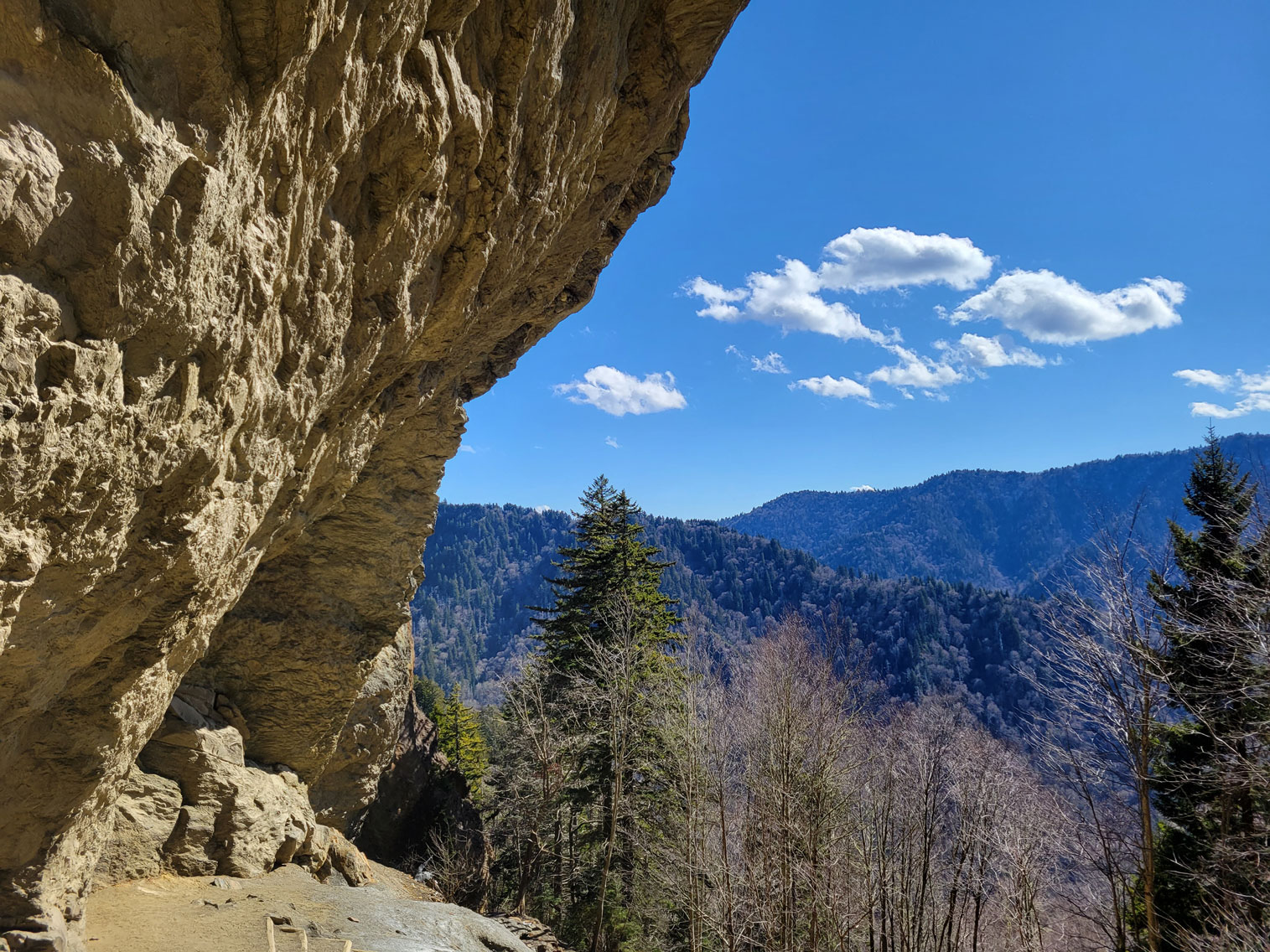
Alum Cave Trail
Great Smoky Mountains National ParkRating:
America's most visited national park delighting millions of annual visitors who come for its ancient mountains, lush forests, diverse flora and fauna, dozens of waterfalls, and engaging history
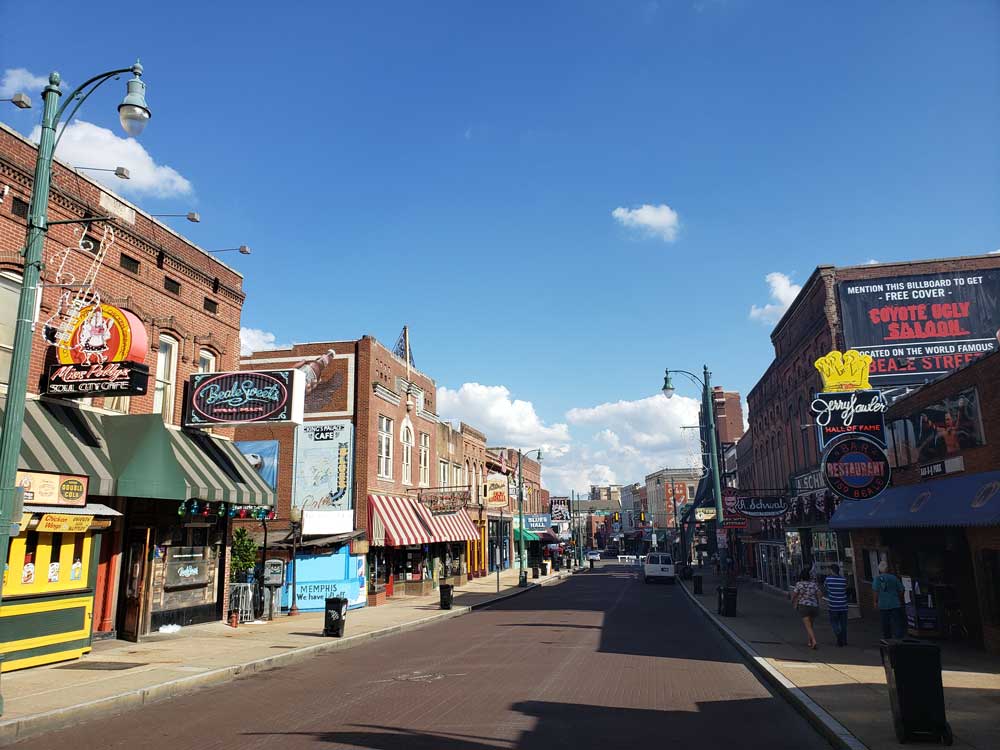
Beale Street
MemphisRating:
City on the Mississippi River in southwest Tennessee, famous for the influential strains of blues, soul and rock 'n' roll that originated there. Elvis Presley, B.B. King and Johnny Cash recorded albums at the legendary Sun Studio, and Presley's Graceland mansion is a popular attraction. Other music landmarks include the Rock 'n' Soul Museum, Blues Hall of Fame and Stax Museum of American Soul Music.

Honky Tonk Highway
NashvilleRating:
Capital of the U.S. state of Tennessee. Legendary country music venues include the Grand Ole Opry House, home of the famous “Grand Ole Opry” stage and radio show. The Country Music Hall of Fame and Museum and historic Ryman Auditorium are Downtown, as is the District, featuring honky-tonks with live music and the Johnny Cash Museum, celebrating the singer's life
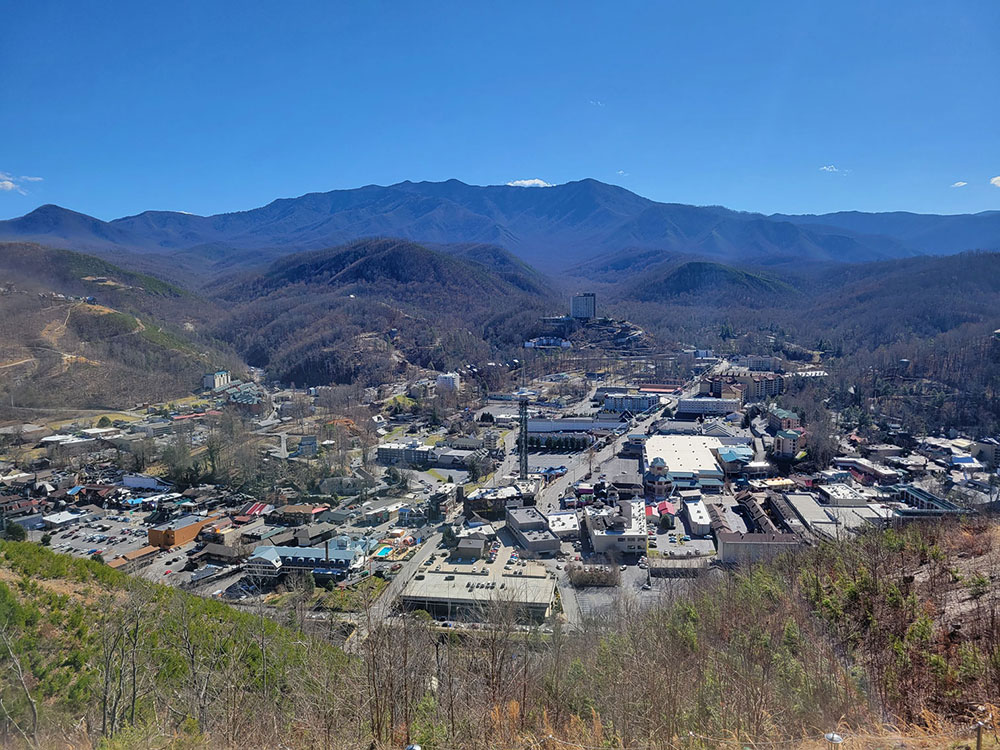
Gatlinburg
Cities
- ChattanoogaRating:
- FranklinRating:
- GatlinburgRating:
- Pigeon ForgeRating:
- SeviervilleRating:
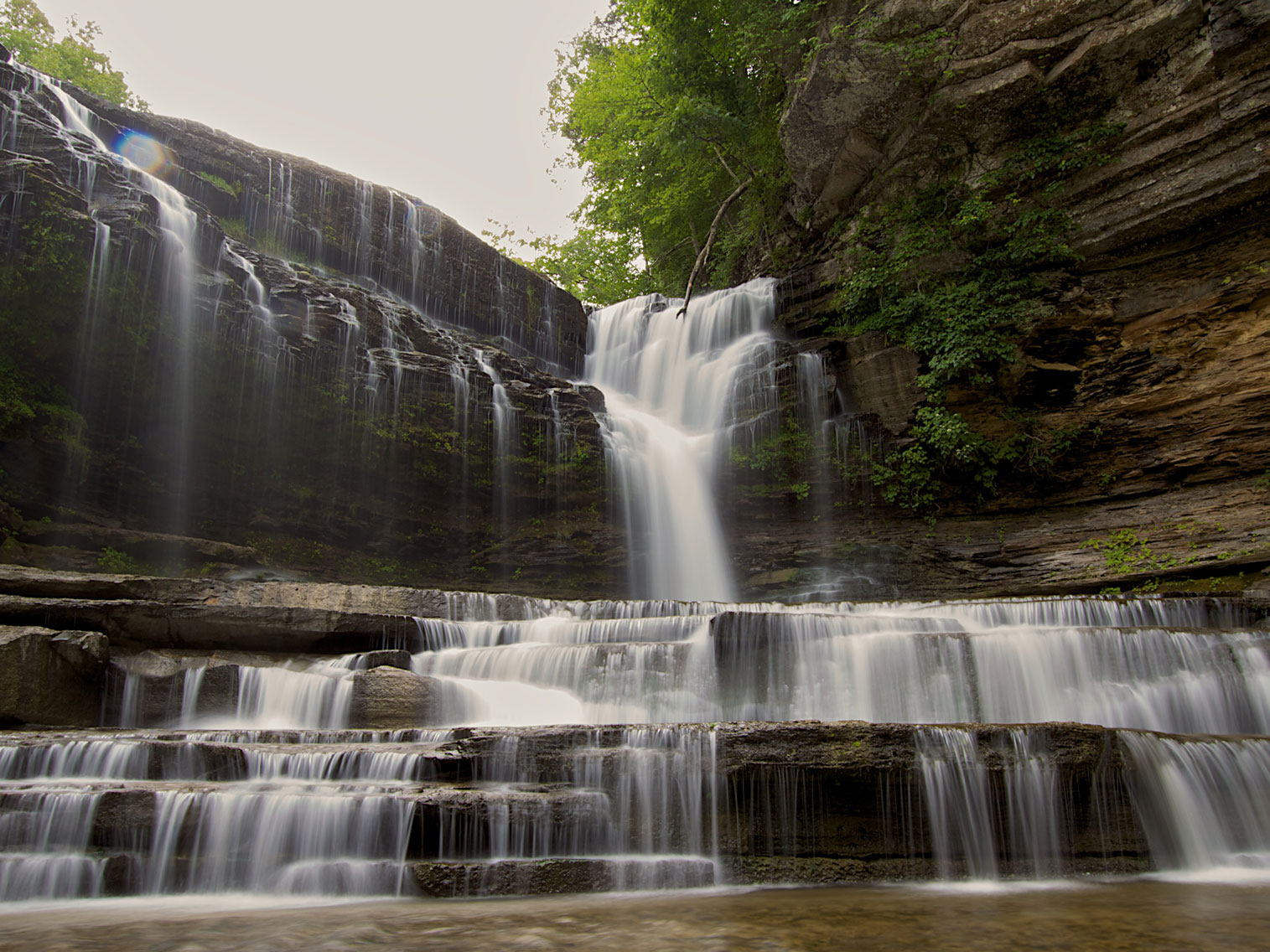
Cummins Falls State ParkBrenton Rogers from Cumberland Gap, CC BY 2.0, via Wikimedia Commons
National Protected Areas
Cummins Falls State ParkBrenton Rogers from Cumberland Gap, CC BY 2.0, via Wikimedia Commons
Tennessee State Parks
- Burgess FallsRating:
- Cummins FallsRating:
- Fall Creek FallsRating:
- Roan MountainRating:
- Rock IslandRating:
Overview
Tennessee is an Upper South state of about 7 million people, known for country music, the Great Smoky Mountains, and its role in American history. Nashville is the capital and largest city, and the state's three "Grand Divisions" of East, Middle, and West each have a distinct character. The state is named for the Cherokee town of Tanasi.
Visitors come for the music of Nashville and Memphis, including the Grand Ole Opry, Graceland, and Beale Street, and for Great Smoky Mountains National Park, the most visited national park in the country. Others come for the attractions of Gatlinburg, Pigeon Forge, and Chattanooga, Civil War battlefields, whiskey distilleries, and waterfalls.
Geography



Tennessee Map
Alum Cave Trail
Great Smoky Mountains National ParkRating:
America's most visited national park delighting millions of annual visitors who come for its ancient mountains, lush forests, diverse flora and fauna, dozens of waterfalls, and engaging history
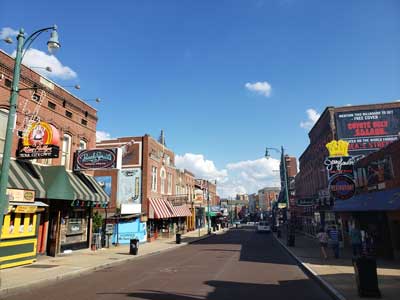
Beale Street
MemphisRating:
City on the Mississippi River in southwest Tennessee, famous for the influential strains of blues, soul and rock 'n' roll that originated there. Elvis Presley, B.B. King and Johnny Cash recorded albums at the legendary Sun Studio, and Presley's Graceland mansion is a popular attraction. Other music landmarks include the Rock 'n' Soul Museum, Blues Hall of Fame and Stax Museum of American Soul Music.
Honky Tonk Highway
NashvilleRating:
Capital of the U.S. state of Tennessee. Legendary country music venues include the Grand Ole Opry House, home of the famous “Grand Ole Opry” stage and radio show. The Country Music Hall of Fame and Museum and historic Ryman Auditorium are Downtown, as is the District, featuring honky-tonks with live music and the Johnny Cash Museum, celebrating the singer's life
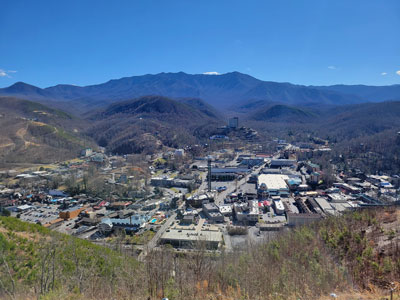
Gatlinburg
Cities
- ChattanoogaRating:
- FranklinRating:
- GatlinburgRating:
- Pigeon ForgeRating:
- SeviervilleRating:
Cummins Falls State ParkBrenton Rogers from Cumberland Gap, CC BY 2.0, via Wikimedia Commons

National Protected Areas
Cummins Falls State ParkBrenton Rogers from Cumberland Gap, CC BY 2.0, via Wikimedia Commons
Tennessee State Parks
- Burgess FallsRating:
- Cummins FallsRating:
- Fall Creek FallsRating:
- Roan MountainRating:
- Rock IslandRating:
Overview
Tennessee is an Upper South state of about 7 million people, known for country music, the Great Smoky Mountains, and its role in American history. Nashville is the capital and largest city, and the state's three "Grand Divisions" of East, Middle, and West each have a distinct character. The state is named for the Cherokee town of Tanasi.
Visitors come for the music of Nashville and Memphis, including the Grand Ole Opry, Graceland, and Beale Street, and for Great Smoky Mountains National Park, the most visited national park in the country. Others come for the attractions of Gatlinburg, Pigeon Forge, and Chattanooga, Civil War battlefields, whiskey distilleries, and waterfalls.
East Tennessee is mountainous, with the Great Smoky Mountains and the Appalachian Ridge and Valley, and Clingmans Dome, at 6,643 feet (2,025 m), is the highest point. Middle Tennessee is a basin of rolling hills and karst caves that includes the Cumberland Plateau, and West Tennessee is flat, with the Mississippi River floodplain. The Tennessee, Cumberland, and Mississippi Rivers drain the state, and Reelfoot Lake in the northwest was formed by the New Madrid earthquakes of 1811 and 1812.
History
The Cherokee, Chickasaw, and Shawnee lived in the region before European settlers arrived in the late 1700s. Tennessee became the 16th state in 1796. Andrew Jackson, a Tennessean, became president, and the Cherokee were forcibly removed on the Trail of Tears in 1838. Tennessee was the last state to join the Confederacy, and it saw major battles at Shiloh, Chattanooga, and Nashville. In the 20th century the Tennessee Valley Authority brought electricity, Oak Ridge helped build the first atomic bombs, and Memphis and Nashville became world music capitals.
Great Smoky Mountains National Park
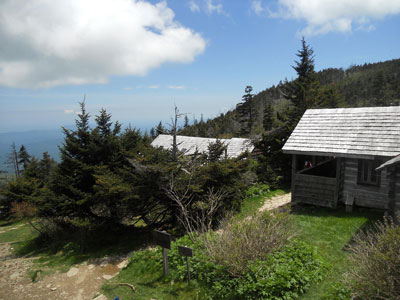
Great Smoky Mountains National Park straddles the Tennessee and North Carolina border and is the most visited national park in the United States, with more than 12 million visits a year. The park protects more than 500,000 acres of ancient mountains, misty ridgelines, and one of the most biologically diverse temperate ecosystems in the world, including some of the largest stands of old-growth forest in the East. It is also a haven for black bears, elk, and the famous synchronous fireflies in early summer. Highlights include the views from Clingmans Dome, the highest point in Tennessee at 6,643 feet, and Newfound Gap. The wildlife and pioneer history of Cades Cove and the waterfalls of Laurel Falls and Grotto Falls draw hikers, and the Alum Cave Trail leads to Mount LeConte. Admission is free, but parking tags are required.
Gatlinburg and Pigeon Forge
Gatlinburg and Pigeon Forge are bustling tourist towns at the foot of the Smokies, just outside the national park. Gatlinburg has a walkable downtown of shops, candy kitchens, and distilleries, the Gatlinburg SkyLift Park with its glass-bottomed suspension bridge, and the Ober Gatlinburg ski resort and amusement park. Pigeon Forge is home to Dollywood, Dolly Parton's theme park, dinner shows, go-karts, outlet shopping, and the Titanic Museum Attraction. Nearby Sevierville is Dolly Parton's hometown, and the area has hundreds of cabins, moonshine tastings, and arts-and-crafts shops along the Great Smoky Mountains Arts & Crafts Community. The region is busiest from June through October, during peak fall color, and again around the holidays for Winterfest.
Nashville
Nashville, the state capital, is known as "Music City," the center of country music and a hub of the recording industry. The Grand Ole Opry, the longest-running radio show in the world, and the historic Ryman Auditorium are the city's most famous venues, and the Country Music Hall of Fame and Museum and the Johnny Cash Museum tell the story of the music. Lower Broadway's honky-tonk row has live music nearly around the clock. History visitors tour The Hermitage, the home of Andrew Jackson, the Tennessee State Capitol, and the Parthenon, a full-scale replica in Centennial Park. Food fans seek out Nashville hot chicken, and the Cheekwood gardens and Radnor Lake offer quiet escapes.
Memphis
Memphis, on the bluffs above the Mississippi River in the southwest corner of the state, is the birthplace of the blues, rock 'n' roll, and soul music. Beale Street is the city's famous entertainment district, Sun Studio is where Elvis Presley, Johnny Cash, and Jerry Lee Lewis recorded, and Graceland, Elvis's mansion, is one of the most visited homes in America. The Stax Museum of American Soul Music and the Memphis Rock 'n' Soul Museum tell more of the musical story. The National Civil Rights Museum, in the former Lorraine Motel where Martin Luther King Jr. was assassinated in 1968, is among the most powerful museums in the country. Other draws include the Memphis Zoo, the Memphis Pyramid, and Memphis-style barbecue, especially pulled pork and dry-rub ribs.
Chattanooga
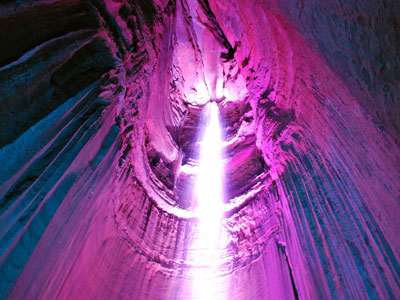
Chattanooga is a revitalized city on the Tennessee River in the southeast corner of the state, surrounded by mountains and ridges. Its centerpiece is the Tennessee Aquarium, with freshwater and ocean exhibits, and the pedestrian Walnut Street Bridge links downtown to the North Shore. Atop Lookout Mountain, visitors can ride the Incline Railway, one of the steepest passenger railways in the world, and tour Ruby Falls, an underground waterfall in a cave, and Rock City in Georgia. Chickamauga and Chattanooga National Military Park preserves Civil War battlefields, including Lookout Mountain, Missionary Ridge, and Chickamauga in Georgia. The famous song "Chattanooga Choo Choo" is remembered at the Chattanooga Choo Choo Hotel, and the city is a hub for rock climbing, whitewater rafting, and mountain biking.
National Protected Areas
Tennessee's national park sites include Great Smoky Mountains National Park, which protects the most biologically diverse landscape in the temperate world, and Shiloh National Military Park, the site of a major 1862 Civil War battle. Big South Fork National River and Recreation Area has gorges and sandstone arches. Other sites include Cumberland Gap National Historical Park, Fort Donelson National Battlefield, Stones River National Battlefield, Andrew Johnson National Historic Site, and the Trail of Tears and Natchez Trace National Scenic Trails.
State Parks and Historic Sites
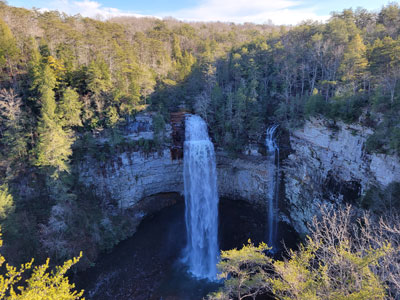
Tennessee has more than 50 state parks. Fall Creek Falls has one of the tallest waterfalls in the eastern U.S., Burgess Falls and Cummins Falls are popular for swimming and hiking, and Roan Mountain is known for rhododendron blooms. Rock Island has waterfalls and a gorge, and historic sites include The Hermitage, Andrew Jackson's home, and Rock City on Lookout Mountain in Georgia.
Seasons and When to Visit
Spring and fall are the best seasons, with wildflowers and waterfalls in spring and brilliant foliage in the Smokies from mid-October. Summer is hot and humid, with the largest crowds in the Smokies and Nashville, and CMA Fest in June. The synchronous fireflies in the Smokies appear for a few weeks in late May and June. Winter is mild in the valleys, with fewer visitors, and the high elevations of the Smokies can see snow and road closures.
This article uses material from the Wikipedia article "Tennessee", which is released under the Creative Commons Attribution-Share-Alike License 3.0. Additional information was drawn from National Park Service, Tennessee State Parks, and Tennessee Tourism.