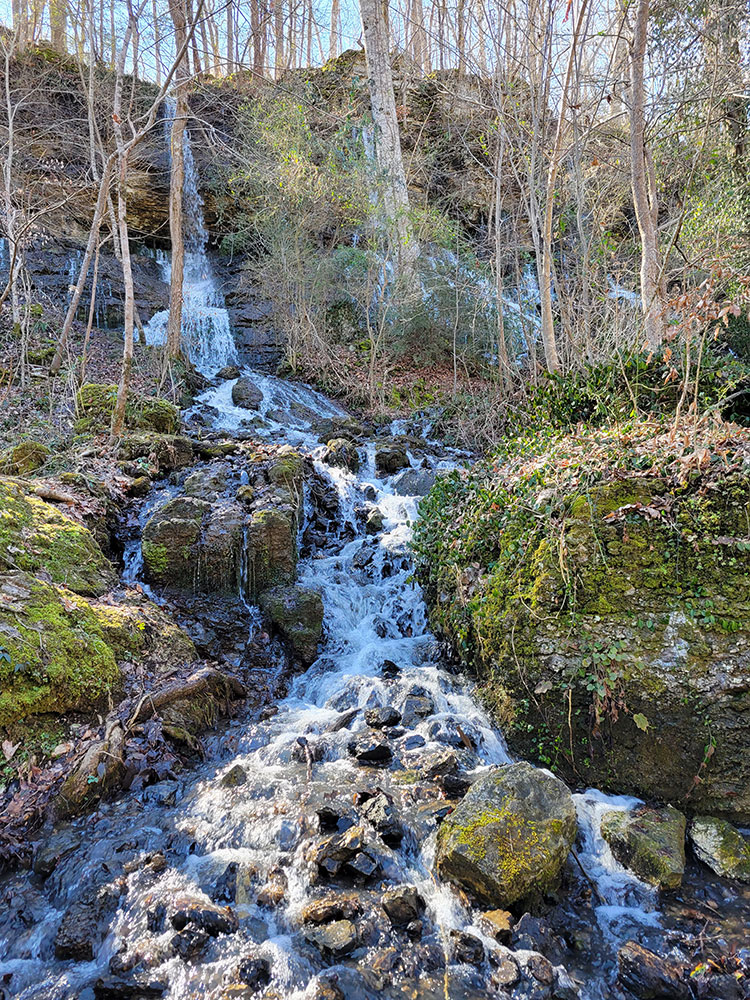
State park centered on a peninsula created by the Collins River confluence and Great Falls Dam and extends downstream to the headwaters of Center Hill Lake
General Information
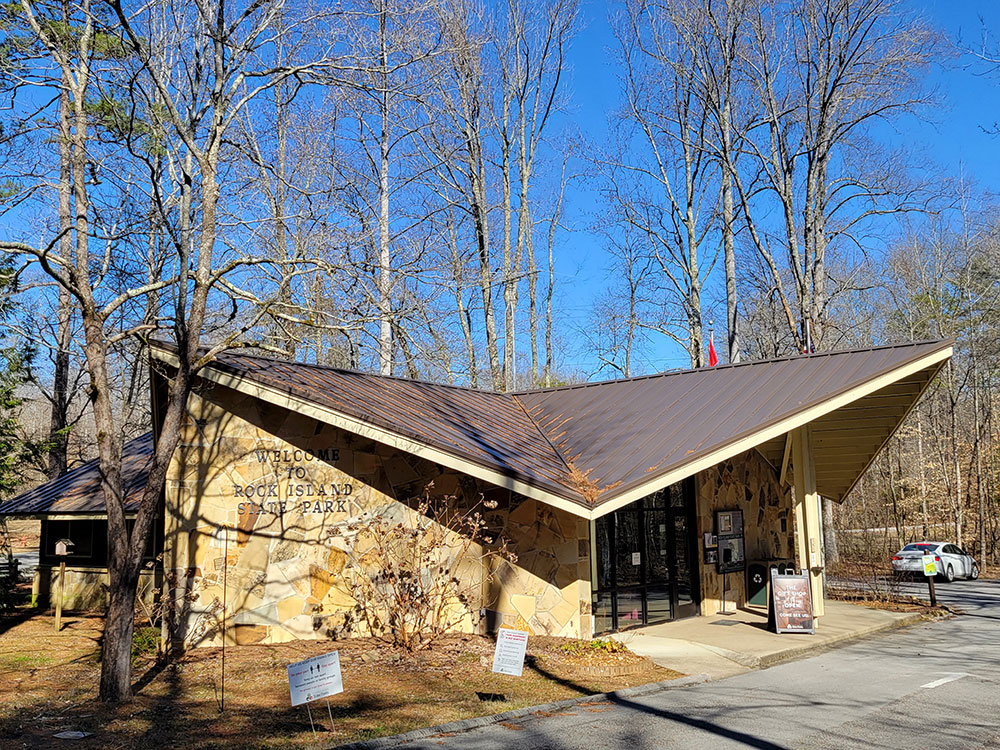
Park office hours are typically 8:00am to 4:00pm daily
Some areas may close temporarily due to TVA water releases and safety conditions
No admission fee required
Summer: Popular for waterfall viewing and outdoor recreation
Fall: Comfortable temperatures and colorful foliage
Winter: Excellent waterfall views and reduced crowds
How to Get There
From McMinnville (15 mi): Take US-70S E from McMinnville, turn right onto TN-287 S, and follow the signs into Rock Island State Park to reach the visitor area, overlooks, and waterfall access points.
Overview
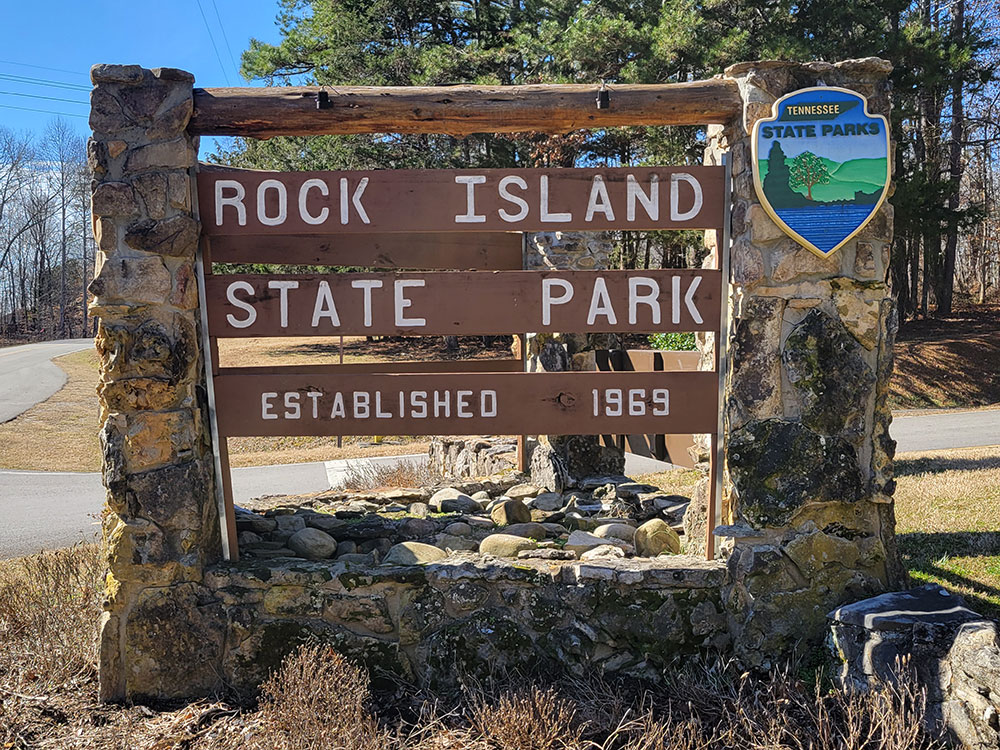
Rock Island State Park sits on a peninsula in Warren and White counties, Tennessee, formed where the Caney Fork and Collins Rivers meet just above Great Falls Dam and the headwaters of Center Hill Lake. The park takes its name from Rock Island, a small island in the Caney Fork near the dam.
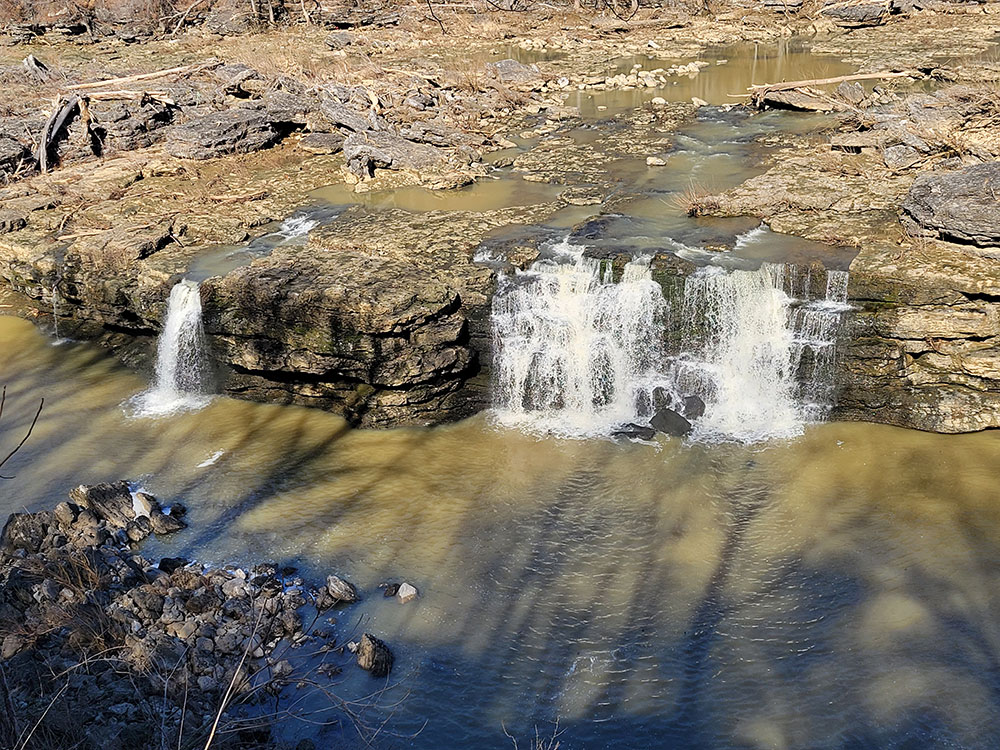
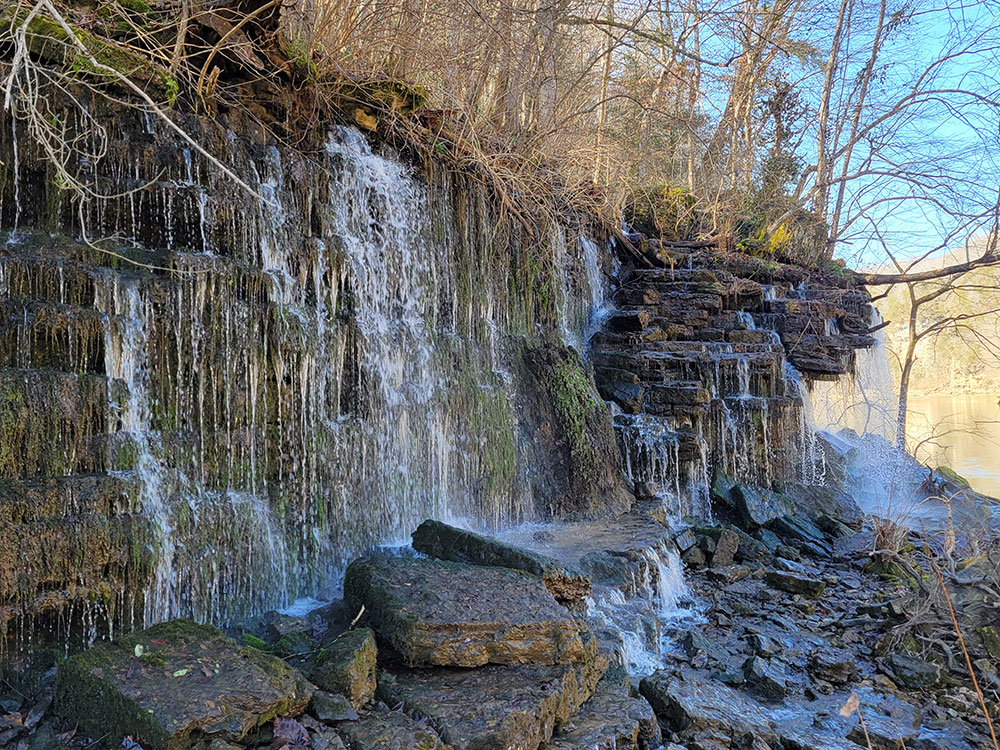
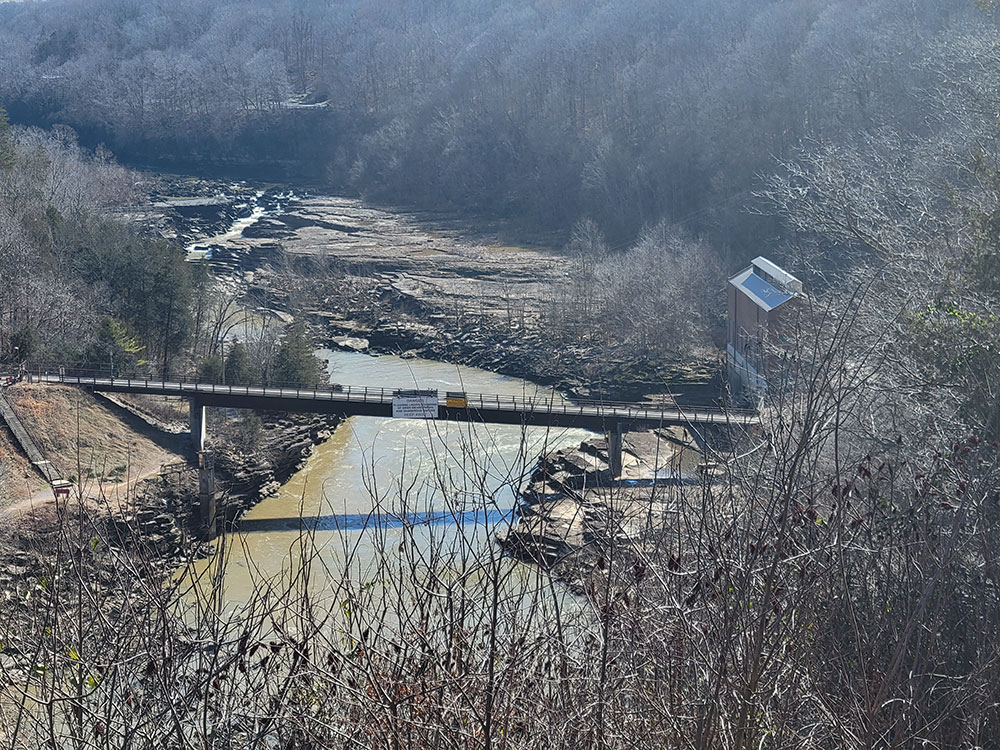
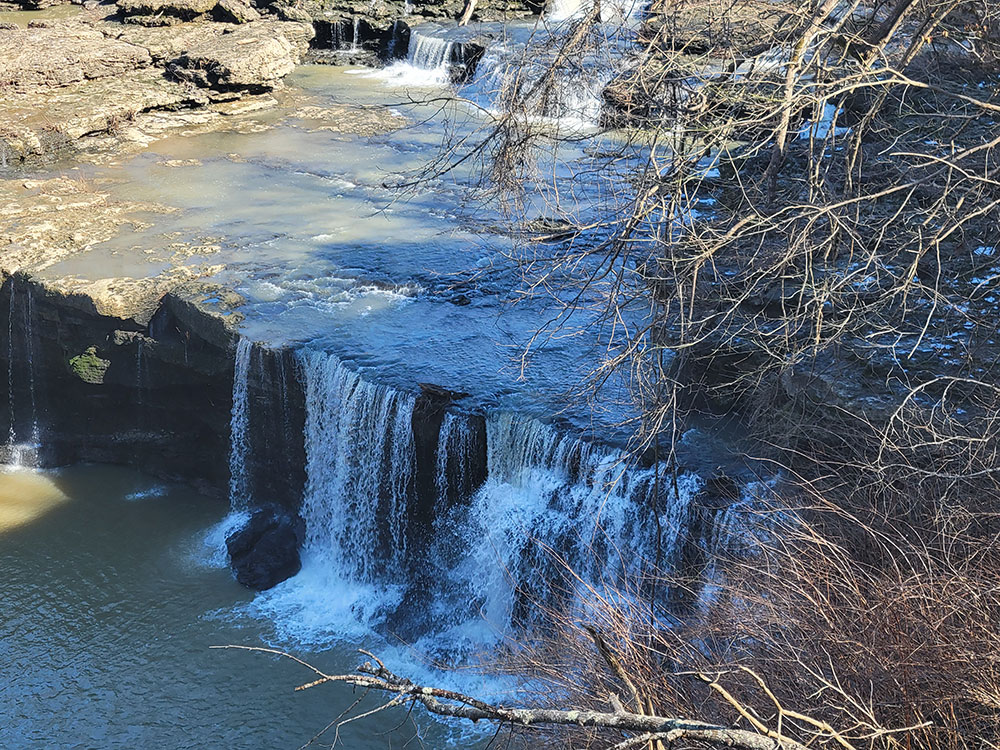
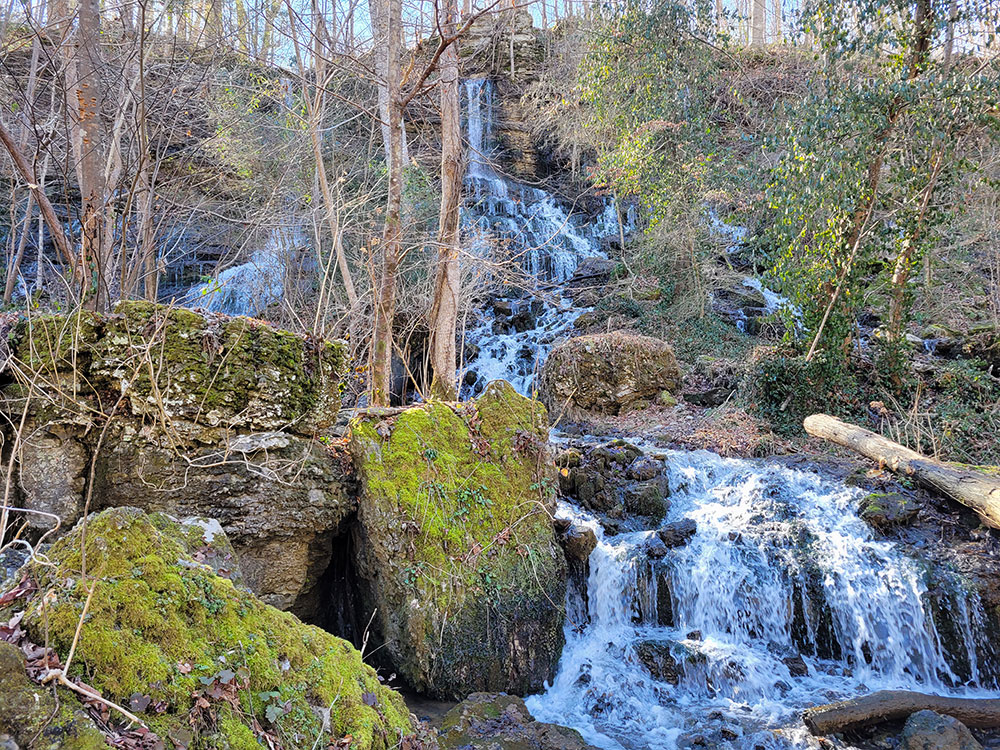
The park's main draw is the Great Falls gorge, where a series of plunge and cascade waterfalls spill into the Caney Fork when water levels are low; nearby, Twin Falls cascades from a cavern created when the dam's rising waters began seeping through the rock. Historic structures near the falls include the 1892 Great Falls Cotton Mill and its adjoining "Spring Castle," a large spring house once used to refrigerate the mill's goods, along with the Great Falls Dam itself, built in 1915-1916, all listed on the National Register of Historic Places.
Things to Do
See Great Falls and Twin Falls
Rock Island State Park is famous for its spectacular waterfalls, including Great Falls, an approximately 30-foot waterfall that spans nearly 100 feet across the Caney Fork River. Nearby Twin Falls, created by water flowing from the Great Falls Dam, is another iconic attraction and one of Tennessee's most photographed waterfalls.
Enjoy River Recreation
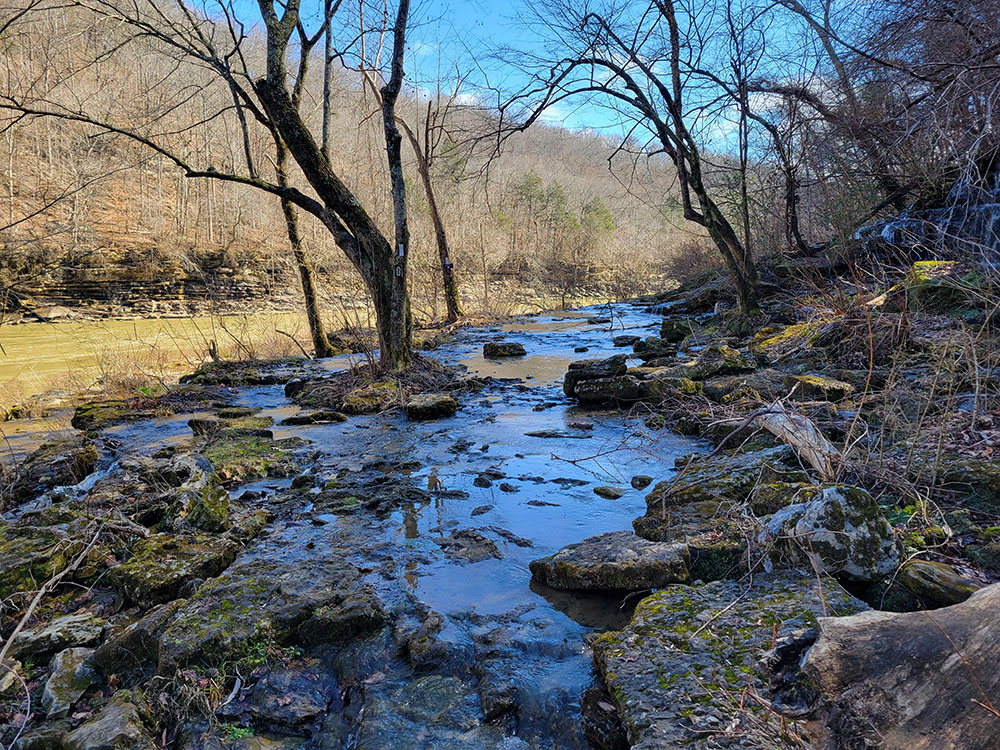
The park offers excellent opportunities for kayaking, fishing, swimming, boating, and whitewater paddling. The Caney Fork, Collins, and Rocky rivers converge near the park, making it a popular destination for water-based recreation and outdoor adventure.
Explore Scenic Overlooks and Natural Areas
Visitors can enjoy overlooks above the gorge, rugged river scenery, limestone cliffs, and forested landscapes throughout the park. Wildlife viewing, photography, picnicking, and nature observation are popular activities year-round.
Top Trails
Downstream Trail
Length: Approximately 1.6 miles round trip
Elevation Gain: Approximately 200 feet
Difficulty: Moderate
This scenic trail follows the Caney Fork River below Great Falls and provides excellent views of the gorge, river rapids, and surrounding rock formations. It is one of the park's most popular hiking routes.
Blue Hole Trail
Length: Approximately 1.0 mile round trip
Elevation Gain: Minimal
Difficulty: Easy
This short trail leads to the Blue Hole area, a scenic swimming and recreation spot along the river. Visitors can enjoy beautiful water views and easy access to one of the park's most popular natural features.
Sources: Tennessee State Parks official Rock Island State Park information, including Great Falls, Twin Falls, river recreation opportunities, hiking trails, scenic overlooks, and visitor amenities. https://tnstateparks.com/parks/rock-island Additional trail and visitor information verified through Tennessee State Parks trail resources and park guides. https://tnstateparks.com/parks/trails/rock-island
This article uses material from the Wikipedia article "Rock Island State Park (Tennessee)", which is released under the Creative Commons Attribution-Share-Alike License 3.0