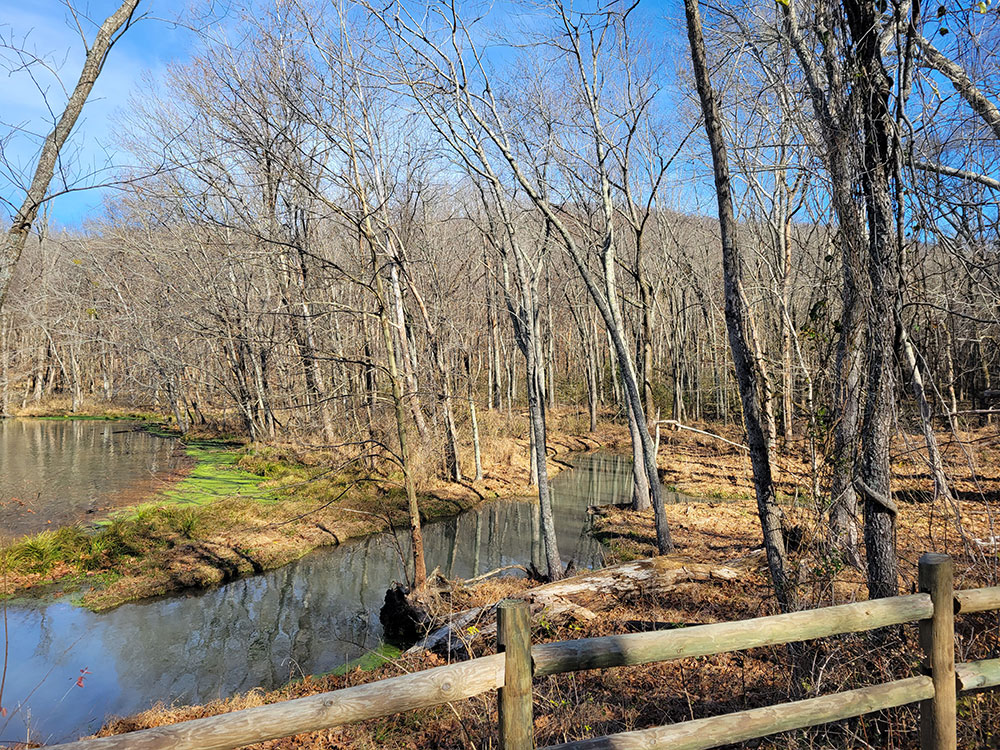
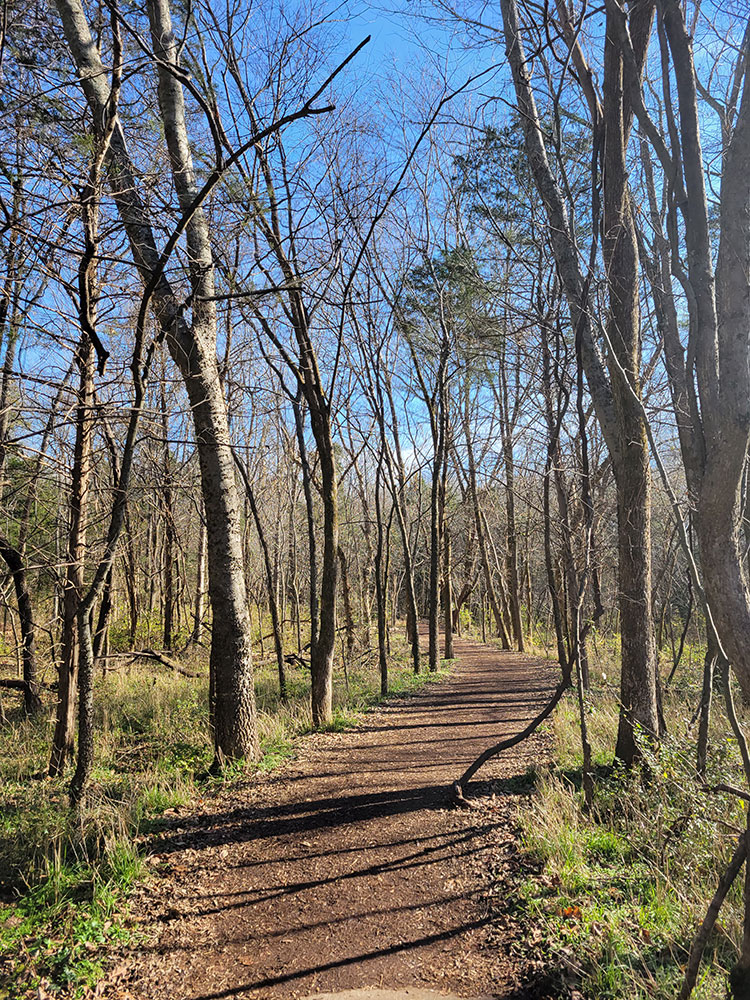
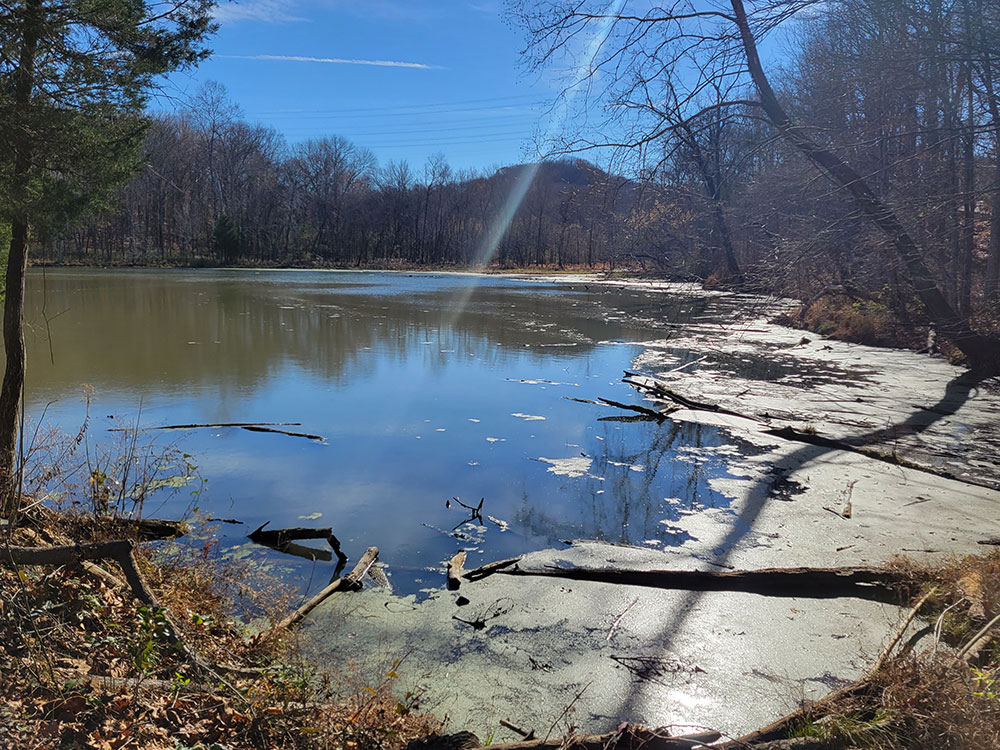
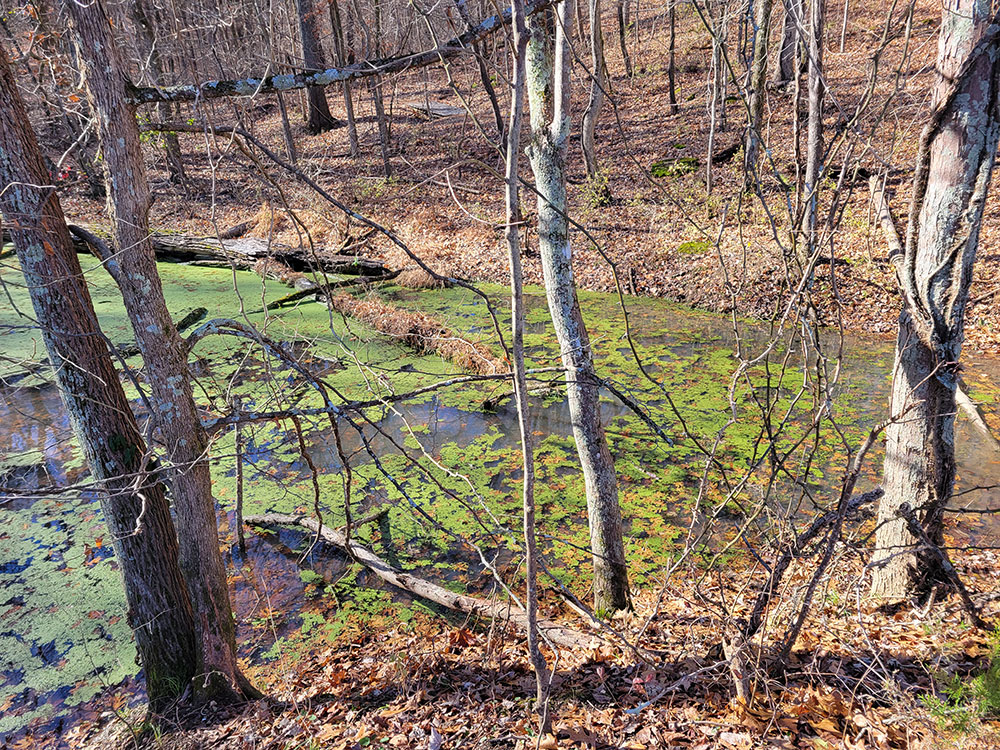
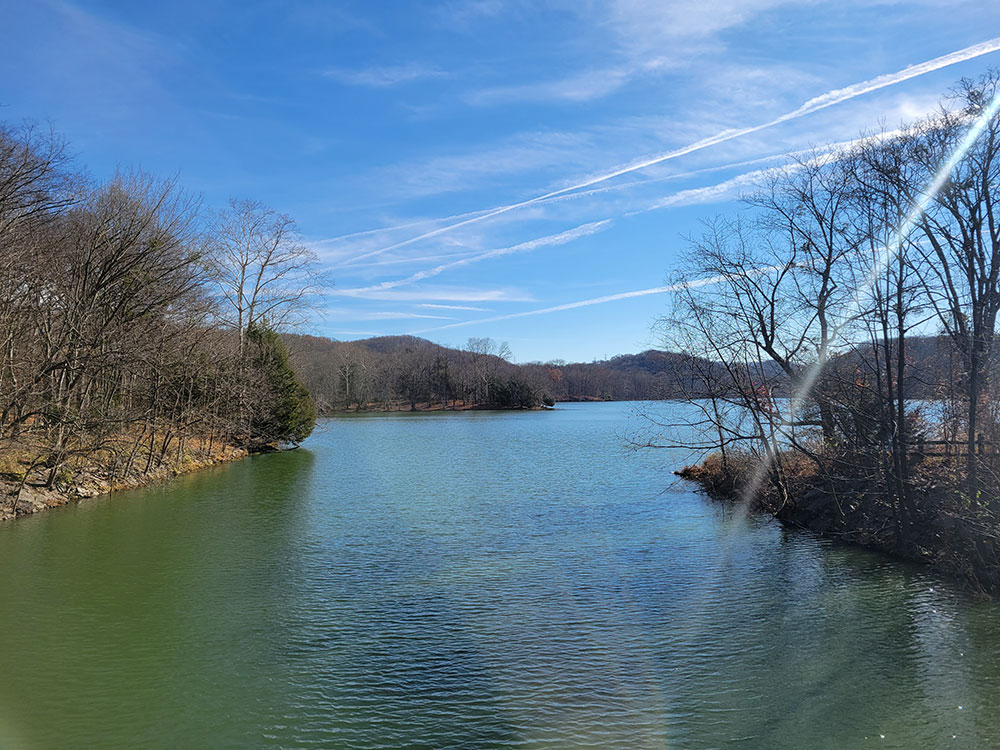
Popular state natural area and state park just outside Nashville includes five miles of unpaved trails wandering through the woods surrounding the lake.
General Information
- Hours:
- Open daily: 6:00am until 20 minutes after sunset, year-round.
- Fees:
- Free admission
- Pet Policy:
- Pets are only permitted on Otter Creek Road, Hall Drive, and the dam area. They must remain on a leash no longer than 6 feet. Pets are not allowed on most hiking trails within the natural area.
- Closest cities with hotels:
- Nashville, Tennessee (approximately 10 mi from downtown)
- Seasons:
- Open year-round. Spring and fall are especially popular for wildlife viewing, wildflowers, and comfortable hiking temperatures. The park is renowned for birdwatching and photography in all seasons.
- Location:
- 1160 Otter Creek Road, Nashville, TN 37220
- Website:
- tnstateparks.com/parks/radnor-lake
How to Get There
From Downtown Nashville (10 mi): Take I-65 South toward Brentwood, exit near Harding Place, continue toward Granny White Pike and Otter Creek Road, then follow signs to Radnor Lake State Natural Area at 1160 Otter Creek Road.
Overview
Radnor Lake State Park, officially Radnor Lake State Natural Area, is a Tennessee state park and natural area of about 1,368 acres in the Oak Hill neighborhood of Nashville. The lake was created by the Louisville and Nashville Railroad in 1914 and later became a wildlife sanctuary. After a public campaign in the early 1970s to save it from development, the land was protected, and it is managed as a Class II state natural area for day use only. The park is known for wildlife, including deer, otters, owls and waterfowl, and for its trails through hardwood forest. Visitors come for easy hiking, birdwatching and quiet time in nature just minutes from downtown Nashville.
Access
The park is on Otter Creek Road in Oak Hill, about 7 to 10 miles south of downtown Nashville, and is reached from Franklin Pike, Granny White Pike or Harding Pike. Most visitors drive, and the parking lots are small and fill quickly on weekends and in nice weather, so arrive early or visit on a weekday. Otter Creek Road through the park is closed to cars and open to walkers. The park is open for day use only, with gates opening in the early morning and closing shortly after sunset, and no camping or picnicking is permitted. Rules on pets and bicycles are strict, so check the park's website before you go.
Seasons
Spring brings wildflowers, nesting birds and fresh green leaves, and early morning visits are a favorite for birders. Summer is hot and humid, with the dense tree canopy offering shade on the trails and wildlife most active early and late in the day. Fall color is excellent around the lake, and the park is at its busiest on pleasant weekends. Winter is cool and quiet, and migrating waterfowl such as ducks gather on the lake, while leafless woods open up views across the water.
History
Radnor Lake was created by the Louisville and Nashville Railroad Company in 1914, and was initially used for watering steam locomotives and supplying the watering pens for shipped livestock. Afterwards, it became a local sportsman's club for L & N executives and guests. Efforts to preserve the Radnor Lake area began in 1923 when the executive vice president of L&N Railroad declared the site a "Wildlife Sanctuary" at the request of the Tennessee Ornithological Society. Executives with the railroad and their friends (The Sportsman's Club) used the sanctuary for fishing, but a reverence for the beauty of the area was present even then among L&N families and neighbors who lived in the surrounding hills. In 1962, the property was sold to be developed but initial work proved to be problematic and public pressure influenced the state to purchase the property in 1973 and create the State's first Natural Area.
Radnor Lake State Natural Area is a Class II State Natural Area, meaning it is a day use area only, and there is no camping or picnicking allowed.
Activities
Hiking
Radnor Lake has several miles of hiking trails, featuring varying difficulty levels.
Visitor's Center
In the entrance to Radner Lake, there is a visitor's center that contains artwork and other exhibits on display. It also has a map of the entire lake.
Birding
Many waterfowl and transients can be found in the park, including several duck species, such as ring-necked duck, canvasback, gadwall and American wigeon. In addition, the Barbara J. Mapp Aviary Education Center is home to injured-non releasable birds, including a great horned owl, red-tailed hawk, black vulture, golden eagle, and bald eagles.
Visitor Centers
The visitor center near the main entrance has exhibits and artwork, a map of the natural area and information from park staff, and is typically open on a limited weekly schedule. Nearby, the Barbara J. Mapp Aviary Education Center is home to non-releasable birds, including owls, hawks and eagles, and gives visitors a close look at native birds of prey. Check the Tennessee State Parks website for current hours and programs.
Camping and Lodging
Radnor Lake is a day-use natural area, and there is no camping or lodging inside the park. Nashville has hotels in every price range, with options in the Green Hills, Brentwood and downtown areas close to the park, and Franklin and Murfreesboro are about 25 to 40 minutes away. For camping, Montgomery Bell State Park, Cedars of Lebanon State Park and Henry Horton State Park are within about an hour and offer campgrounds, and the first two also have cabins.
History
The Louisville and Nashville Railroad dammed Otter Creek in 1914 to create Radnor Lake for its steam engines. In the 1970s, when developers planned to build on the land, residents raised money to save it, and it became Tennessee's first state natural area in 1973.
Things to Do
Walk the Lake Trail
The flat trail circles the lake.
Watch for Wildlife
Deer, owls and otters are common.
Hike the Ridge Trails
Trails climb the ridges for views.
Visit the Nature Center
The center has exhibits and programs.
Top Trails
Lake Trail
Length: Approximately 1.3 miles one way
Elevation Gain: Minimal
Difficulty: Easy
This trail follows the north shore of the lake, a favorite place to see deer, owls and waterfowl.
Ganier Ridge Trail
Length: Approximately 2.4 miles
Elevation Gain: Approximately 500 feet
Difficulty: Moderate
A climb to one of the highest points in Nashville, with views over the lake through the trees.
South Cove Trail
Length: Approximately 1 mile
Elevation Gain: Approximately 300 feet
Difficulty: Moderate
This trail climbs a ridge on the south side of the lake and connects with the Ganier Ridge Trail.
This article uses material from the Wikipedia article "Natchez Trace Parkway Bridge" which is released under the Creative Commons Attribution-Share-Alike License 3.0