Idaho Travel Guide
Raft the Salmon River, soak in hot springs, and ski Sun Valley's slopes, then discover Idaho's rugged mountains, gem mines, and outdoor adventures.


Idaho Map
Places to See in Idaho
Cities
- BoiseRating:
- Idaho FallsRating:
- KetchumRating:
- Sun ValleyRating:
- Twin FallsRating:
Supercarwaar, CC BY-SA 4.0, via Wikimedia Commons; Image Size Adjusted
National Monuments, Reserves, and Recreational Areas


Landmarks and Landscapes
- Balanced RockRating:
- Big Southern ButteRating:
- Borah PeakRating:
- Bruneau Dunes State ParkRating:
- Galena SummitRating:
- Lemhi PassRating:
- Menan ButtesRating:
- Mesa FallsRating:
- Museum of CleanRating:
- National Oregon/California Trail CenterRating:
- St. Anthony Sand DunesRating:
- Stanley LakeRating:
- Thousand Springs State ParkRating:
- Trail of the Coeur D'AlenesRating:
- White Bird Hill SummitRating:
Overview
Idaho, the "Gem State," is a Northwest state of rugged mountains, deep canyons, wild rivers, and some of the largest wilderness areas in the lower 48. People come for its outdoor recreation, its uncrowded scenery, and its small, friendly towns. Boise is the capital and largest city.
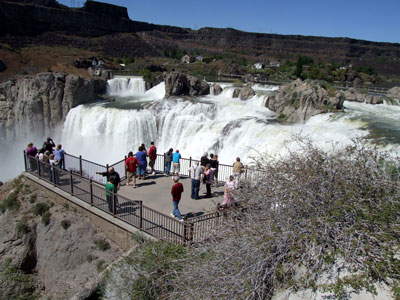
Visitors come to raft and kayak whitewater rivers, hike and camp in the Sawtooth Mountains, ski at Sun Valley, soak in natural hot springs, and see waterfalls such as Shoshone Falls and Mesa Falls. Others come to explore the volcanic landscape of Craters of the Moon, fish for trout and steelhead, and drive scenic routes to Yellowstone and Grand Teton from the east.
Geography
Idaho is the 14th-largest state by area and is shaped like a long, narrow panhandle in the north that widens into the Snake River Plain in the south. The Rocky Mountains fill most of the central and northern state, including the Bitterroot, Sawtooth, Lost River, and Lemhi ranges, and Borah Peak, at 12,662 feet, is the highest point. The Snake River arcs across southern Idaho through lava plains and deep canyons, including Hells Canyon, one of the deepest river gorges in North America, along the Oregon border. The Salmon River, known as the River of No Return, flows through the largest contiguous wilderness in the lower 48. The northern panhandle is a region of forests and large lakes, including Lake Pend Oreille and Lake Coeur d'Alene, and the state is split between Mountain and Pacific time zones.
History
Native peoples, including the Nez Perce, Shoshone, Bannock, Coeur d'Alene, and Kootenai, lived in the region for thousands of years. The Lewis and Clark Expedition crossed Idaho in 1805-06, guided in part by Sacagawea, a Lemhi Shoshone woman, and fur traders followed. Oregon Trail emigrants began crossing southern Idaho in the 1840s, and gold and silver strikes in the 1860s brought miners and the creation of Idaho Territory in 1863. The Nez Perce War of 1877 and the growth of silver mining in the Coeur d'Alene district shaped the late 1800s, and Idaho became the 43rd state on July 3, 1890. Irrigation turned the Snake River Plain into productive farmland, and Idaho is still famous for its potatoes.
Boise
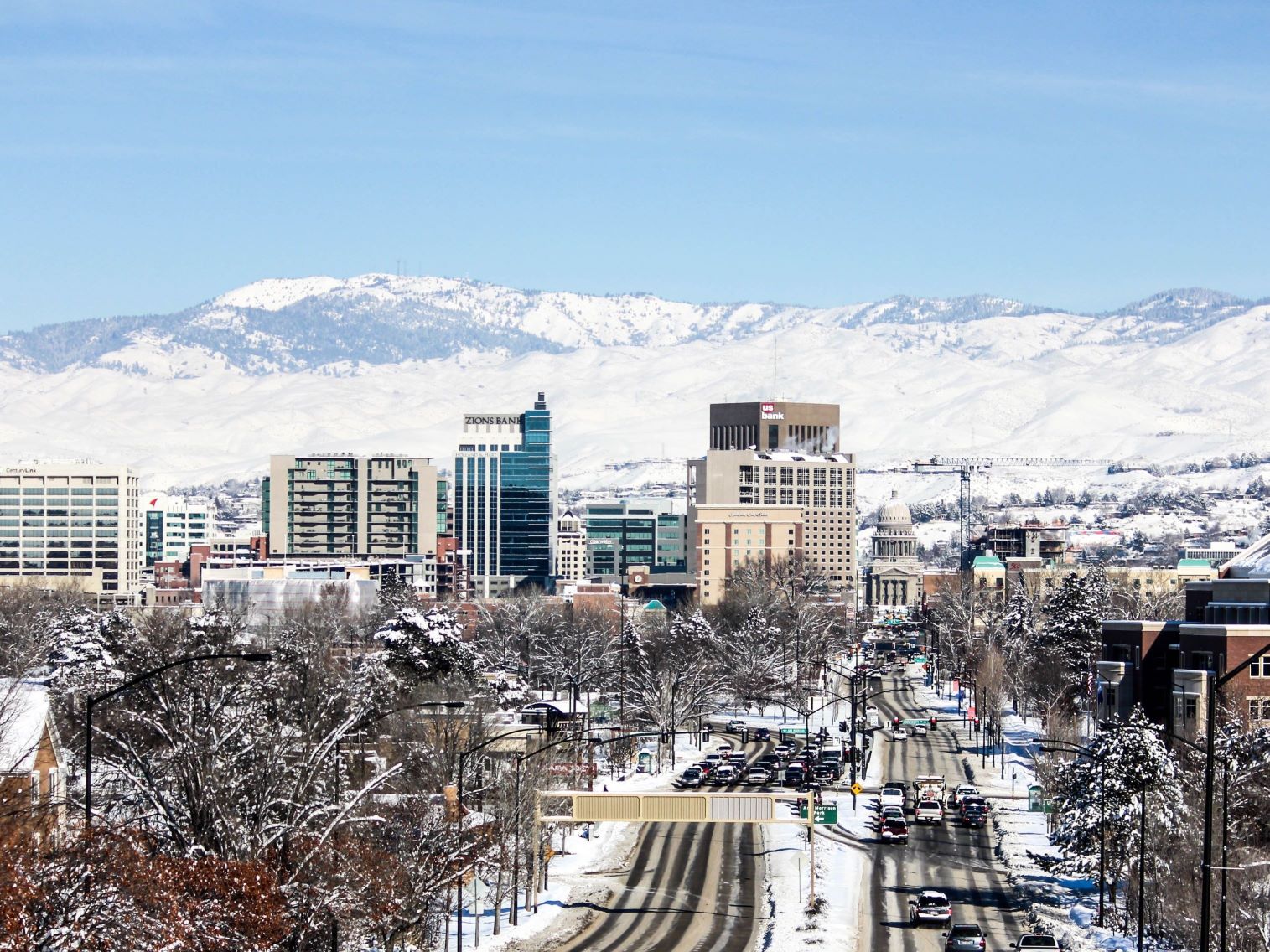
Boise sits along the Boise River at the edge of the foothills, and its tree-lined downtown is anchored by the Idaho State Capitol. The Boise River Greenbelt is a long riverside path for walking, biking, and floating in summer, and the Old Idaho Penitentiary, Boise Art Museum, and Idaho Botanical Garden offer history and culture. The city has one of the largest Basque communities in the U.S., celebrated at the Basque Museum and Cultural Center, and the hillside trails of the Boise foothills lie just minutes from downtown. Boise is also home to Boise State University and its blue football field.
National Protected Areas
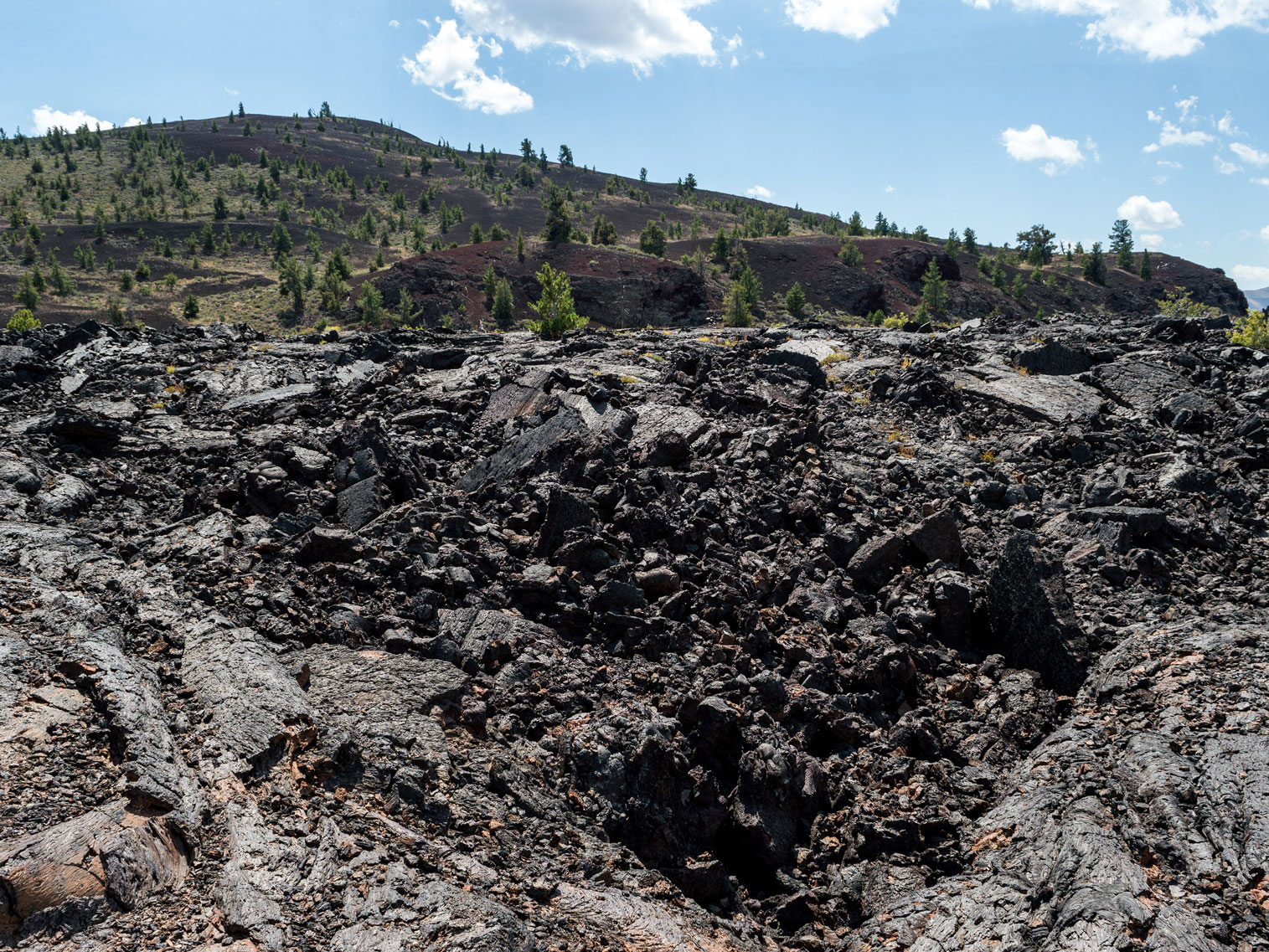
Idaho has no national park within its borders, but it protects remarkable places as monuments, recreation areas, and historic sites. Craters of the Moon National Monument and Preserve is a vast field of lava flows, cinder cones, and caves. Hagerman Fossil Beds National Monument holds the world's richest deposits of Hagerman horse fossils, and City of Rocks National Reserve is known for its granite spires and rock climbing. The Sawtooth National Recreation Area encompasses the Sawtooth Mountains, alpine lakes such as Stanley Lake, and the headwaters of the Salmon River. Nez Perce National Historical Park preserves sites across north-central Idaho tied to the Nez Perce people, and Minidoka National Historic Site interprets the World War II Japanese American incarceration camp.
State Parks and Historic Sites
Idaho's state parks protect canyons, dunes, and pioneer history. Bruneau Dunes State Park has the tallest single-structured sand dune in North America and a public observatory, and Thousand Springs State Park features springs that pour from the walls of the Snake River canyon. Malad Gorge, Box Canyon, and Ritter Island sit within the same scenic stretch of the Snake River, while Massacre Rocks State Park and Three Island Crossing State Park preserve landmarks along the Oregon Trail. The Trail of the Coeur d'Alenes is a popular paved rail trail through northern Idaho, and the Old Idaho Penitentiary is a historic site in Boise.
Seasons and When to Visit
Summer, from June through September, is the peak season for hiking, camping, fishing, and whitewater rafting, with warm, dry weather in most areas and high mountain trails clear of snow by July. Fall brings golden aspens and larches, hunting season, and quieter trails. Winter is long and snowy in the mountains, drawing skiers and snowboarders to Sun Valley, Bogus Basin, Schweitzer, and Tamarack, as well as snowmobilers and hot-spring soakers, while the southern valleys are cold but milder. Spring brings snowmelt that fills rivers and waterfalls, with prime whitewater in May and June, though high-country roads and trails often stay closed into early summer.
This article uses material from the Wikipedia article "Idaho", which is released under the Creative Commons Attribution-Share-Alike License 3.0. Additional information was drawn from the National Park Service, Idaho Parks and Recreation, and Visit Idaho.