-400.jpg)

Preserved World War II-era incarceration site featuring historic buildings, interpretive trails, and exhibits honoring Japanese American resilience.
General Information
Visitor Center open Friday to Sunday, 10am to 5pm (Memorial Day to Labor Day)
Closed major holidays; restrooms only available when Visitor Center is open
No parking or entrance fees
How to Get There
From Twin Falls (20 mi): Take US-93 north to Eden, turn right onto 1400 E, then left onto Hunt Road and follow signs to the site entrance.
Overview
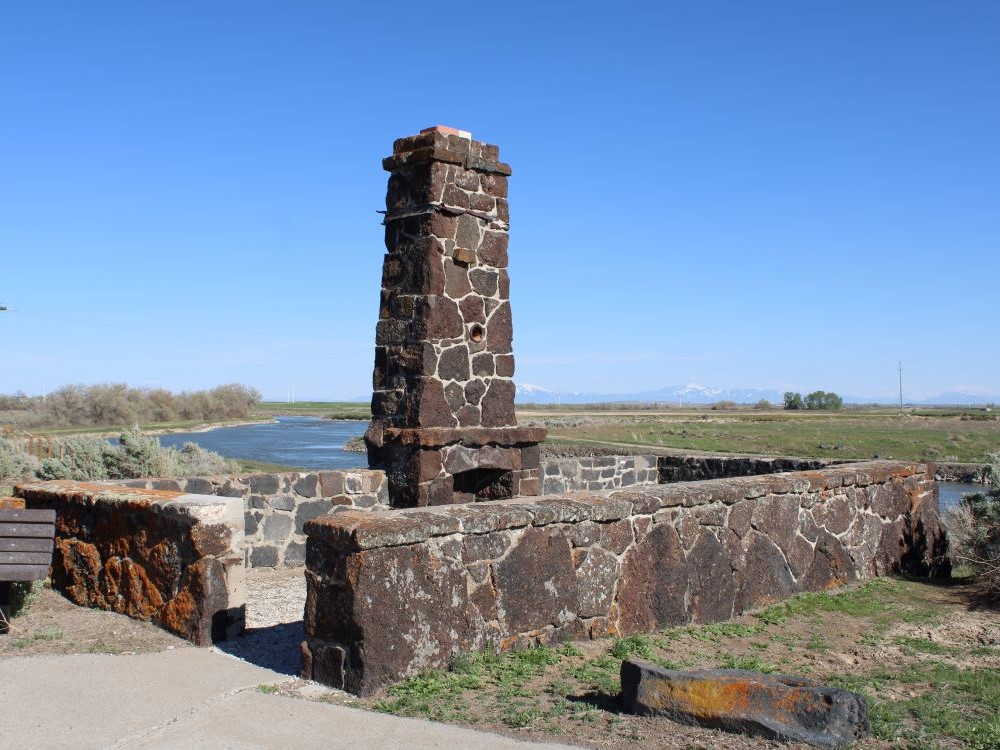
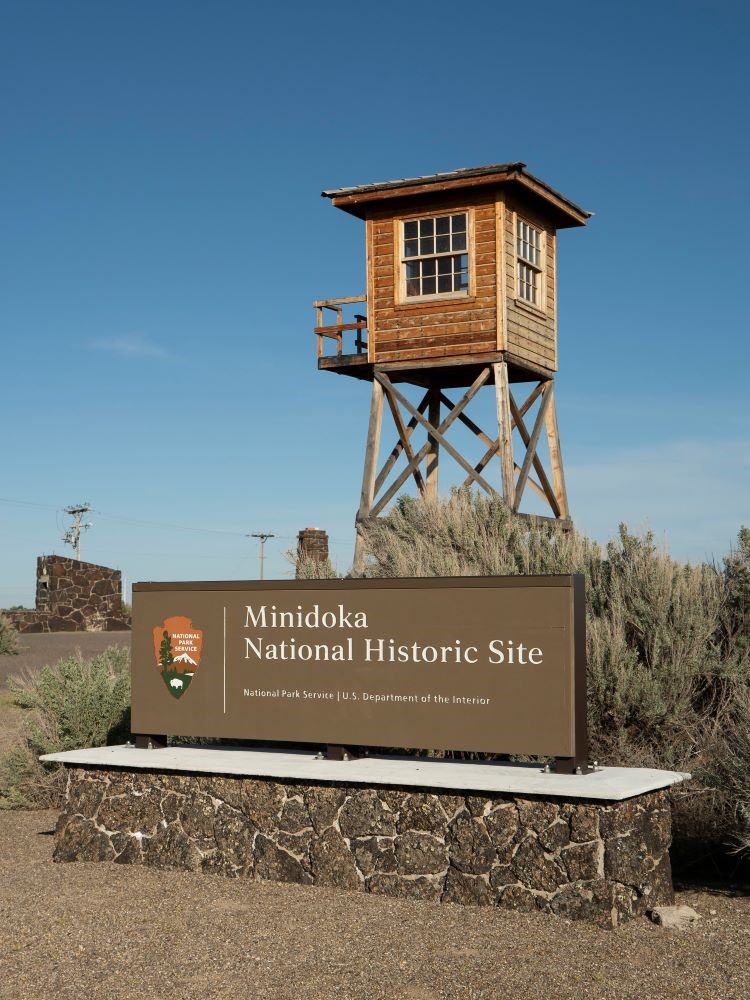
The Minidoka National Historic Site stands as a solemn tribute to the over 13,000 Japanese Americans who were forcibly incarcerated during World War II under Executive Order 9066. Located in the high desert of southern Idaho, the site preserves remnants of the Minidoka War Relocation Center, including guard towers, barracks foundations, and a reconstructed entrance. Visitors can walk a 1.6-mile interpretive trail that winds through the historic grounds, offering insight into the daily lives, hardships, and resilience of those unjustly confined here. The Visitor Center, housed in a renovated WWII-era warehouse, features exhibits, oral histories, and educational materials that contextualize this dark chapter in American history.
Established as a National Historic Site in 2001, Minidoka is more than a memorial—it is a place of reflection and learning. Seasonal events such as the annual pilgrimage in May draw descendants and supporters from across the country to honor the legacy of those who endured incarceration. The stark beauty of the surrounding sagebrush plains contrasts with the emotional weight of the site, creating a powerful experience for visitors. Whether attending a ranger-led tour or exploring independently, guests leave with a deeper understanding of civil liberties, resilience, and the importance of remembering the past to shape a more just future.
Things to Do
Take a Self-Guided Walking Tour of Minidoka
Minidoka National Historic Site offers approximately 1.6 miles of gravel walking trails that allow visitors to explore the historic grounds at their own pace. Along the route, interpretive exhibits provide information about the experiences of the Japanese Americans who were incarcerated at Minidoka during World War II. Visitors can view the exteriors of surviving and reconstructed historic features throughout the site.
Visit the Minidoka Visitor Center
The Minidoka Visitor Center serves as the primary orientation point for visitors. Located within a historic warehouse, it features museum exhibits, artifacts, photographs, the park bookstore, visitor information, and educational displays that tell the story of the incarceration site and its residents.
Watch the Official Park Film
Visitors can watch Minidoka: An American Concentration Camp, a film that provides an introduction to the history of Minidoka and the broader story of Japanese American incarceration during World War II. The film includes survivor perspectives and explores the site's ongoing relevance to civil liberties and constitutional rights.
Join a Ranger-Led Tour
During the summer season, ranger-led tours are offered on select weekends. These guided experiences provide additional historical context, stories of former residents, and access to information that helps visitors better understand daily life within the camp.
Explore Historic Features and Memorials
Throughout the site, visitors can see reconstructed and preserved features including the entrance area, guard tower, replica barbed-wire fence, Honor Roll, fire station, baseball field, root cellar, swimming hole, and Block 22. These locations help illustrate the physical layout and history of the camp.
Reflect on the Legacy of Civil Liberties
Minidoka preserves the history of more than 13,000 Japanese Americans who were forcibly removed from their homes and incarcerated during World War II. The site encourages reflection on civil liberties, constitutional rights, resilience, and the importance of preserving these stories for future generations.
Top Trails
Minidoka Self-Guided Walking Trail
Length: Approximately 1.6 miles round trip
Elevation Gain: Mostly flat with a moderate slope near Block 22
Difficulty: Easy
This trail provides access to the primary historic features of the site, including the reconstructed guard tower, Honor Roll, replica fence, baseball field, root cellar, fire station, and Block 22. Educational exhibits along the route help visitors understand the site's history and significance.
Block 22 Short Walk
Length: Short walking route from the Visitor Center
Elevation Gain: Minimal
Difficulty: Easy
Visitors seeking a shorter experience can walk from the Visitor Center around Block 22, one of the reconstructed areas of the camp. This route provides insight into the living conditions and layout of the incarceration site while requiring less time than the full trail system.
Sources: National Park Service official Minidoka National Historic Site visitor information, including details on self-guided walking tours, the Visitor Center, museum exhibits, ranger-led programs, historic structures, and the park film.
Minidoka National Historic Site - Things To Do
Additional information verified through the National Park Service Minidoka National Historic Site homepage and official trail information covering site history, historic features, the Honor Roll, civil liberties interpretation, and walking trail details.
Minidoka National Historic Site
Trail descriptions and visitor guidance sourced from the National Park Service self-guided walking tour page.
Take a Self-Guided Walking Tour of Minidoka
This article uses material from the Wikipedia articles and official tourism pages for the Minidoka National Historic Site, which are released under the Creative Commons Attribution-Share-Alike License 3.0.

-1000.jpg)
-1000.jpg)