General Information
How to Get There
Overview
The Copper River or Ahtna River is a 290-mile (470 km) river in south-central Alaska. It drains a large region of the Wrangell Mountains and Chugach Mountains into the Gulf of Alaska. It is known for its extensive delta ecosystem, as well as for its prolific runs of wild salmon, which are among the most highly prized stocks in the world.
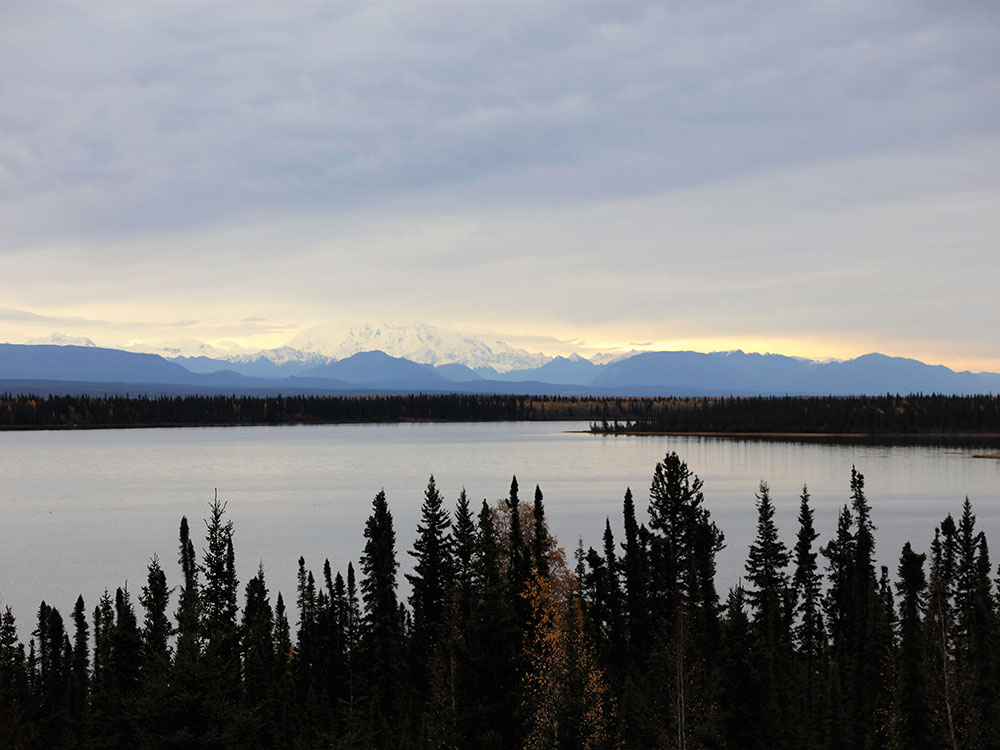
The Copper River rises out of the Copper Glacier, which lies on the northeast side of Mount Wrangell, in the Wrangell Mountains, within Wrangell-Saint Elias National Park. It begins by flowing almost due north in a valley that lies on the east side of Mount Sanford, and then turns west, forming the northwest edge of the Wrangell Mountains and separating them from the Mentasta Mountains to the northeast. It continues to turn southeast, through a wide marshy plain to Chitina, where it is joined from the southeast by the Chitina River .
The Copper River is approximately 290 miles (470 km) long. It drops an average of about 12 feet per mile (2.3 m/km), and drains more than 24,000 square miles (62,000 km2)—an area the size of West Virginia. The river runs at an average of 7 miles per hour (11 km/h).
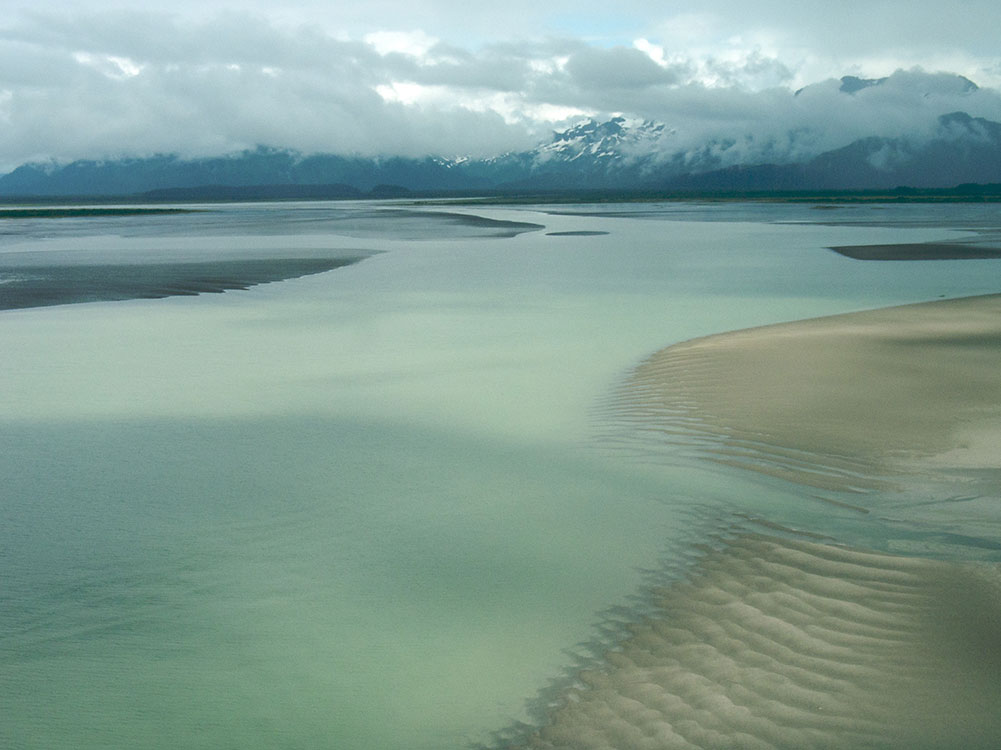
Downstream from its confluence with the Chitina it flows southwest, passing through a narrow glacier-lined gap in the Chugach Mountains within the Chugach National Forest east of Cordova Peak. There is an extensive area of linear sand dunes up to 250 feet (76 m) in height radiating from the mouth of the Copper River. Both Miles Glacier and Childs Glacier calve directly into the river. The Copper enters the Gulf of Alaska southeast of Cordova where it creates a delta nearly 50 miles (80 km) wide.
The river's famous salmon runs arise from the use of the river watershed by over 2 million salmon each year for spawning. The extensive runs result in many unique varieties, prized for their fat content. The river's commercial salmon season is very brief, beginning in May for chinook salmon and sockeye salmon for periods lasting days or hours at a time. Sport fishing by contrast is open all year long, but peak season on the Copper River lasts from August to September when the coho salmon runs. The fisheries are co-managed by the Alaska Department of Fish and Game (ADF&G) and the Department of the Interior Federal Subsistence Board.
The Copper River Delta, which extends for 700,000 acres (2,800 km2), is the largest contiguous wetlands along the Pacific coast of North America. It is used annually by 16 million shorebirds, including the world's entire population of western sandpipers and dunlins. It is also home to the world's largest population of nesting trumpeter swans and is the only known nesting site for the dusky Canada goose subspecies (Branta canadensis occidentalis).
This article uses material from the Wikipedia article "Copper River (Alaska)", which is released under the Creative Commons Attribution-Share-Alike License 3.0