.jpg)
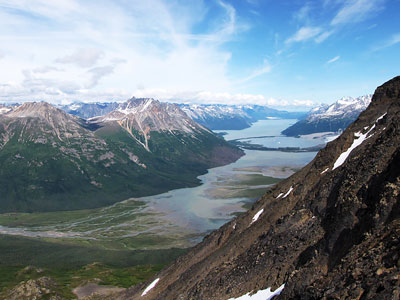
Park includes many streams and lakes vital to the Bristol Bay salmon fishery, including its namesake Lake Clark, and protects rainforests along the coastline of Cook Inlet, alpine tundra, glaciers, glacial lakes, and two volcanoes
General Information
How to Get There
From Anchorage, AK (~100 mi): Charter a floatplane or small aircraft from Merrill Field or Lake Hood Seaplane Base in Anchorage to Port Alsworth on Lake Clark (~45 min), the park's main settled area, as no roads lead to the park.
Overview
Lake Clark National Park and Preserve in southwest Alaska, about 100 miles southwest of Anchorage across Cook Inlet, covers 4,030,015 acres where the Alaska Range and Aleutian Range meet, with active volcanoes (Redoubt and Iliamna), glaciers, turquoise lakes, and brown bear coast. It was declared a national monument in 1978 and made a park in 1980. There are no roads: visitors fly in by floatplane, and the main settlement is Port Alsworth.
Highlights
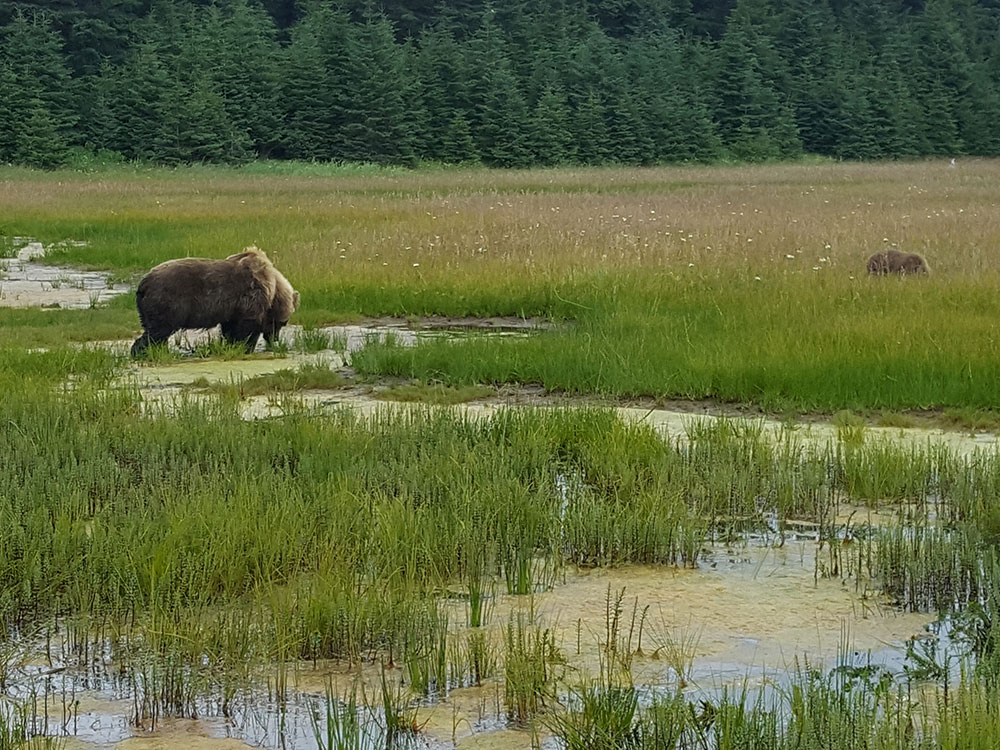
- Bear viewing: Silver Salmon Creek and Chinitna Bay on the coast, by day trip from Anchorage or Homer
- Jay S. Hammond Wilderness: 2.6 million acres of the park's interior
- Kayaking, rafting, fishing, and hiking: at Twin Lakes and Telaquana, with Richard Proenneke's cabin at Twin Lakes
Getting to the park
Lake Clark National Park and Preserve, located across Cook Inlet from Anchorage, is known for its dramatic mountain scenery, volcanoes, and prime brown bear viewing at Chinitna and Silver Salmon Creek. Like most Alaska parks, it has no roads connecting it to the outside world, so access is entirely by air or water.
- By Air (Small Plane) — The primary way into the park is via small aircraft flying from Anchorage, Homer, or Kenai. Flights typically land at the park's small airstrip near Port Alsworth, the park's main hub, or on the region's lakes and beaches via floatplane.
- By Floatplane to Bear-Viewing Sites — Popular coastal bear-viewing areas like Chinitna Bay and Silver Salmon Creek are typically reached by floatplane on day trips from Anchorage, Homer, or Port Alsworth, since these areas have no other means of access.
- By Boat — Some visitors reach coastal parts of the park by boat, particularly when combining a Lake Clark visit with travel along the Cook Inlet coastline or from nearby communities like Homer.
- On Foot (Within the Park) — There are no maintained trail systems throughout most of the park, so hiking is largely cross-country from an air or boat drop-off point, aside from a few short trails near Port Alsworth.
Because all access depends on small aircraft and variable coastal weather, it's wise to build flexibility into any travel plans, as flights to and within Lake Clark can be delayed by fog, wind, or low clouds.
Things to Do
Experience One of Alaska's Most Remote National Parks
Lake Clark National Park and Preserve protects more than four million acres of mountains, glaciers, volcanoes, lakes, rivers, coastline, and wilderness in southcentral Alaska. Accessible primarily by small aircraft or boat, the park offers visitors an opportunity to experience unspoiled Alaska landscapes while enjoying world-class wildlife viewing and outdoor recreation.
View Brown Bears in Their Natural Habitat
Lake Clark is one of Alaska's premier bear-viewing destinations. Areas such as Chinitna Bay, Silver Salmon Creek, and Crescent Lake attract brown bears that feed on sedges, clams, and seasonal salmon runs. Visitors can often observe bears at surprisingly close but safe distances through guided excursions and designated viewing areas.
See Active Volcanoes
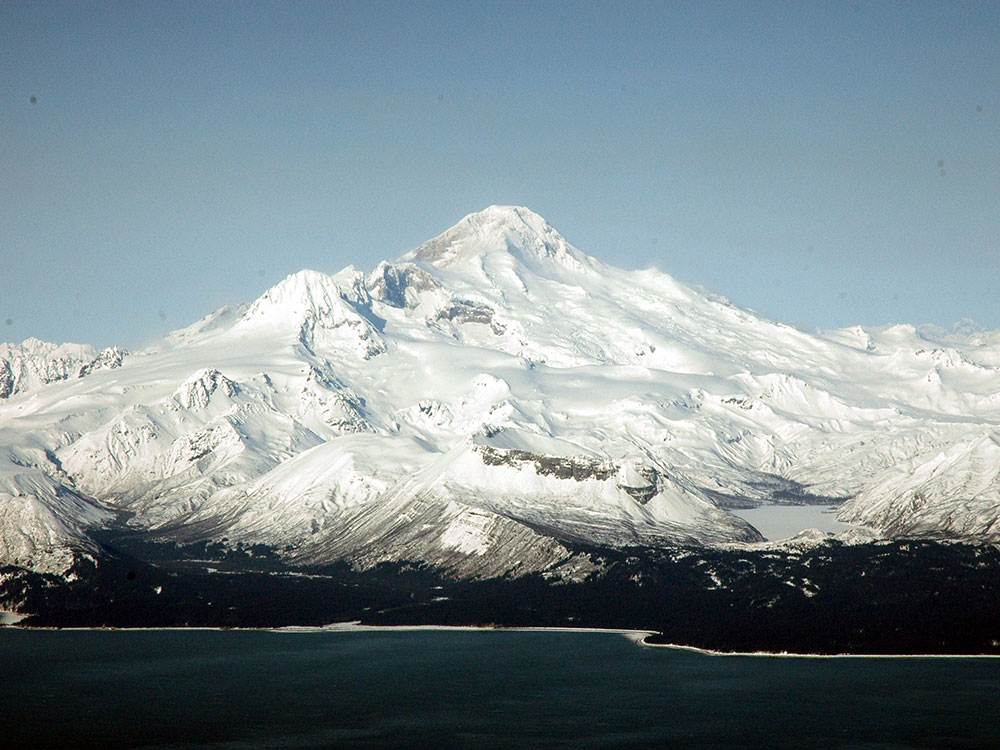
The park contains two active volcanoes, Mount Redoubt and Mount Iliamna, which dominate the western skyline. Flightseeing tours provide spectacular views of volcanic peaks, glaciers, alpine valleys, and the rugged wilderness that makes Lake Clark one of the state's most geologically diverse national parks.
Explore Turquoise Lakes and Wild Rivers
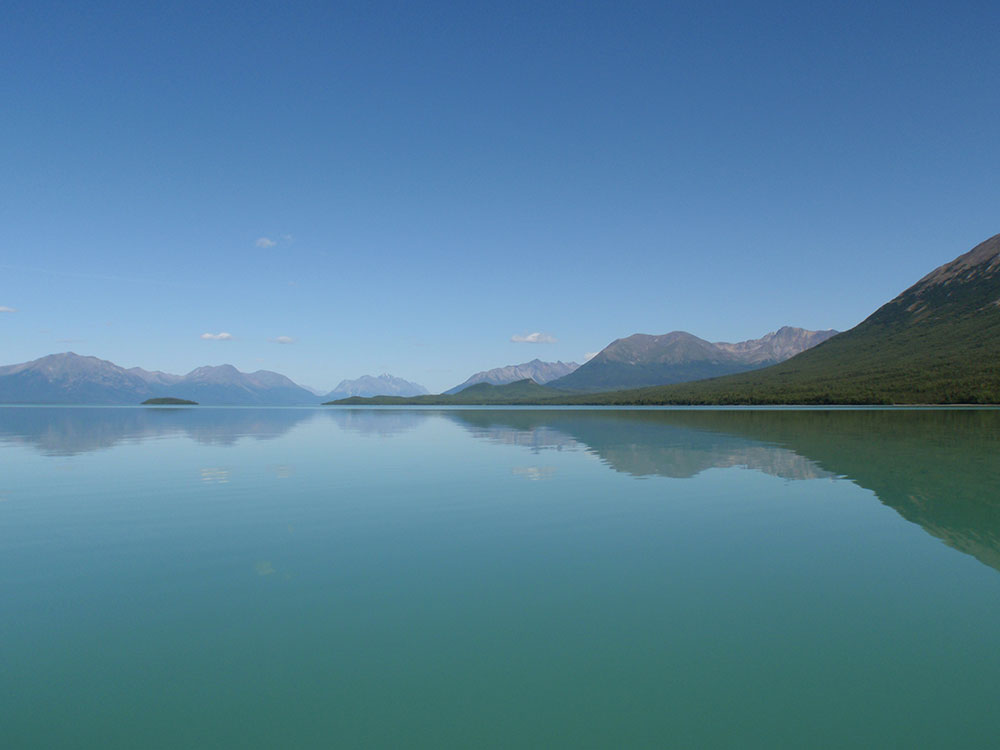
Lake Clark itself stretches more than 40 miles through the heart of the park and offers breathtaking scenery. Visitors can enjoy boating, kayaking, rafting, canoeing, and fishing while exploring crystal-clear waters surrounded by mountains and forests.
Visit Dick Proenneke's Historic Cabin
One of the park's most famous attractions is the hand-built log cabin of Dick Proenneke at Twin Lakes. His writings and films documenting a life of wilderness solitude inspired generations of outdoor enthusiasts. Visitors arriving by floatplane can view the preserved cabin and surrounding landscape.
Hike Through Diverse Wilderness Landscapes
Although there are few developed trails, visitors can explore tundra ridges, alpine valleys, lake shores, and river corridors. Backcountry hiking is a popular activity and allows adventurers to experience the park's vast wilderness and spectacular scenery.
Observe Wildlife Beyond Bears
Lake Clark supports a rich diversity of wildlife including moose, caribou, wolves, Dall sheep, bald eagles, sea otters, harbor seals, and numerous bird species. Wildlife viewing opportunities exist throughout the park's coastal, forest, and alpine environments.
Take a Flightseeing Adventure
Because of the park's size and limited road access, flightseeing tours are among the best ways to appreciate its scale and beauty. Visitors can view glaciers, volcanoes, remote lakes, braided rivers, and wildlife habitats while traveling over some of Alaska's most spectacular terrain.
Top Trails
Tanalian Falls Trail
Length: Approximately 4.5 miles round trip
Elevation Gain: Approximately 600 feet
Difficulty: Moderate
Beginning near the community of Port Alsworth, this popular trail leads through forested terrain to a scenic waterfall. The route offers beautiful views of Lake Clark and surrounding mountains while providing one of the park's most accessible hiking experiences.
Kontrashibuna Lake Trail
Length: Approximately 3 miles one way
Elevation Gain: Minimal
Difficulty: Easy to Moderate
This scenic route travels through forests and open terrain to Kontrashibuna Lake, offering excellent opportunities for wildlife viewing, photography, and peaceful exploration away from developed areas.
Twin Lakes Backcountry Routes
Length: Variable depending on route
Elevation Gain: Varies
Difficulty: Moderate to Strenuous
The Twin Lakes area provides opportunities for experienced hikers to explore the wilderness that inspired Dick Proenneke. Routes traverse lakeshores, tundra slopes, and alpine terrain while offering solitude and exceptional scenery.
This article uses material from the Wikipedia article and official pages for nps.gov, Lake Clark National Park and Preserve, released under the Creative Commons Attribution-Share-Alike License 3.0.