
Chain of 14 large volcanic islands and 55 smaller islands that form part of the Aleutian Arc in the Northern Pacific Ocean, extending about 1,200 mi (1,900 km) westward from the Alaska Peninsula toward the Kamchatka Peninsula in Russia
General Information
How to Get There
From Anchorage, AK (~800 mi): Fly Alaska Airlines to Unalaska/Dutch Harbor Airport (DUT) ~2.5 hours for the most accessible Aleutian destination; more remote islands require additional charter flights or multi-day boat passages.
Overview
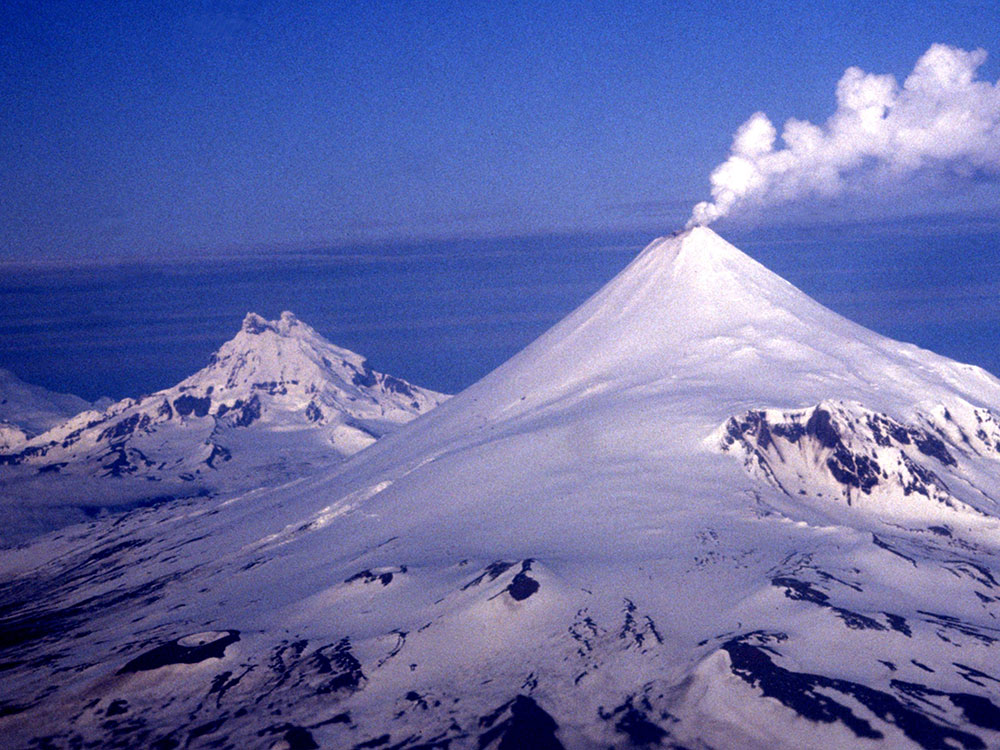
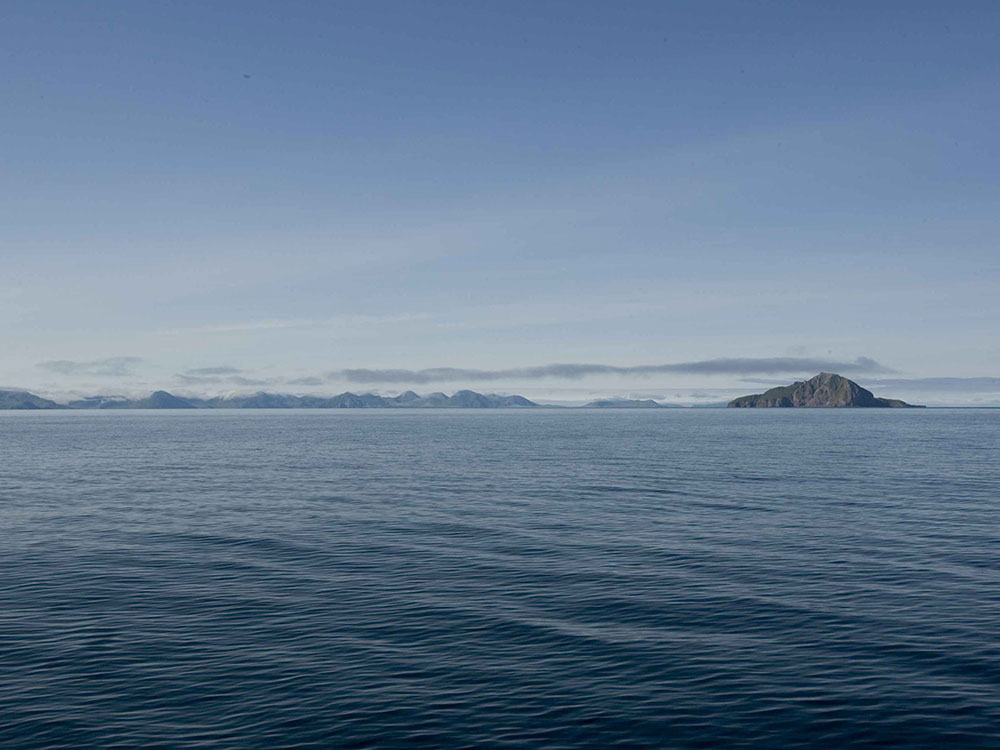
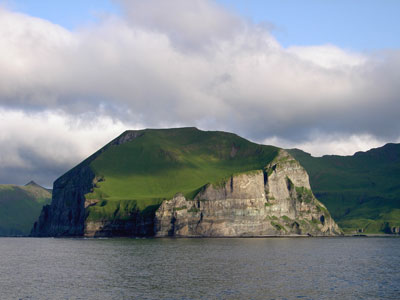
The Aleutian Islands are a chain of 14 large volcanic islands (and 55 smaller ones) curving 1,200 miles west from the Alaska Peninsula toward Russia, at the meeting of the Pacific and the Bering Sea. They are treeless, covered in tundra and wildflowers, with many active volcanoes, a rich seabird colony, and sea otters. The Unangan (Aleut) people have lived here for thousands of years, and the islands were fought over in World War II, including on Attu and Kiska.
Highlights
- Unalaska/Dutch Harbor: a major fishing port with a Russian Orthodox cathedral and WWII sites
- Getting there: flights from Anchorage to Unalaska, and the Alaska Marine Highway ferry to some islands in summer
- Wildlife: sea otters, whales, and seabird colonies such as Buldir's red-legged kittiwakes
Things to Do
Explore Alaska's Volcanic Island Frontier
The Aleutian Islands are a dramatic chain of volcanic islands stretching westward from mainland Alaska into the North Pacific Ocean. Known for rugged landscapes, active volcanoes, rich wildlife, remote fishing communities, and World War II history, the islands offer one of North America's most unique and isolated travel experiences.
Observe Incredible Wildlife
The Aleutians support an extraordinary diversity of wildlife. Visitors may encounter sea otters, Steller sea lions, harbor seals, whales, foxes, and countless seabirds. The region is particularly famous for puffins, auklets, murres, and other colonial nesting seabirds that thrive along the rocky coastlines and cliffs.
Visit Active Volcanic Landscapes
Dozens of volcanoes rise throughout the island chain, creating some of the most dramatic scenery in Alaska. Visitors can view volcanic peaks, lava fields, steaming geothermal features, and rugged mountain terrain that reflects the geologic forces responsible for forming the islands.
Explore World War II History
The Aleutian Islands were the site of one of the few World War II campaigns fought on North American soil. Visitors can explore historic military sites, abandoned bunkers, aircraft wreckage, fortifications, and museums that tell the story of the Aleutian Campaign and the battles for Attu and Kiska.
Go Whale Watching
The surrounding waters support numerous whale species, including humpback, gray, fin, minke, and orca whales. Marine wildlife cruises and local excursions provide excellent opportunities to observe these animals in their natural environment.
Visit Unalaska and Dutch Harbor
Unalaska and neighboring Dutch Harbor serve as the primary population center of the Aleutians. Visitors can tour museums, historic Russian Orthodox churches, fishing harbors, military sites, and cultural attractions while learning about the region's Native Unangax̂ heritage and maritime history.
Experience Remote Alaska Wilderness
Much of the Aleutian chain remains undeveloped and remote. Adventurous travelers can explore coastal tundra, isolated beaches, mountain valleys, and rugged shorelines while experiencing a landscape largely unchanged from its natural state.
Top Trails
Mount Ballyhoo Trail (Unalaska)
Length: Approximately 4 miles round trip
Elevation Gain: Approximately 1,600 feet
Difficulty: Moderate to Strenuous
One of the most popular hikes in the Aleutians, this trail climbs above Dutch Harbor and rewards hikers with spectacular views of Unalaska Bay, nearby islands, volcanoes, fishing vessels, and the surrounding North Pacific Ocean.
Bunker Hill Trail (Unalaska)
Length: Approximately 2 miles round trip
Elevation Gain: Moderate
Difficulty: Moderate
This historic hike visits World War II military sites while providing sweeping views of Dutch Harbor and surrounding landscapes. The route combines scenic beauty with significant wartime history.
Lake Andrew Trail (Adak Island)
Length: Approximately 3 miles round trip
Elevation Gain: Minimal to Moderate
Difficulty: Easy to Moderate
Located on Adak Island, this trail passes through tundra landscapes and provides excellent opportunities for birdwatching, wildlife viewing, and experiencing the remote natural beauty that characterizes much of the Aleutian chain.
This article uses material from the Wikipedia article and official pages for travelalaska.com, Aleutian Islands, released under the Creative Commons Attribution-Share-Alike License 3.0.