-400.jpg)
.jpg)
State Park featuring sandstone spires and columns called sand pipes, believed to be found nowhere else on earth
How to Get There
From Bryce Canyon National Park (22 mi): Head north on UT-63 N toward FR 090/Great Western Trail. At the traffic circle, take the 1st exit onto UT-12. Turn right onto Kodachrome Rd/Main St. Continue onto Cottonwood Canyon Rd. Turn left onto Kodachrome State Park Rd.
Overview
Kodachrome Basin is a state park of Utah situated 5,800 feet (1,767.8 m) above sea level, 12 miles (19 km) south of Utah Route 12, and 20 miles (32 km) southeast of Bryce Canyon National Park. It is accessible from the north from Cannonville by a paved road and from the south by Road 400, a dirt road from the Page, Arizona area to Cannonville, passable for most vehicles in dry conditions. A longer but paved route to Tropic from the south is also available via US-89 and SR-12.
Things to Do
Explore a Unique Landscape of Sand Pipes and Colorful Cliffs
Kodachrome Basin State Park is one of southern Utah's hidden gems, located near Bryce Canyon National Park and Grand Staircase-Escalante National Monument. The park is famous for its dramatic red-rock scenery, towering sandstone spires known as sedimentary pipes, colorful cliffs, and exceptional opportunities for hiking, photography, and stargazing.
Discover the Park's Famous Sand Pipes
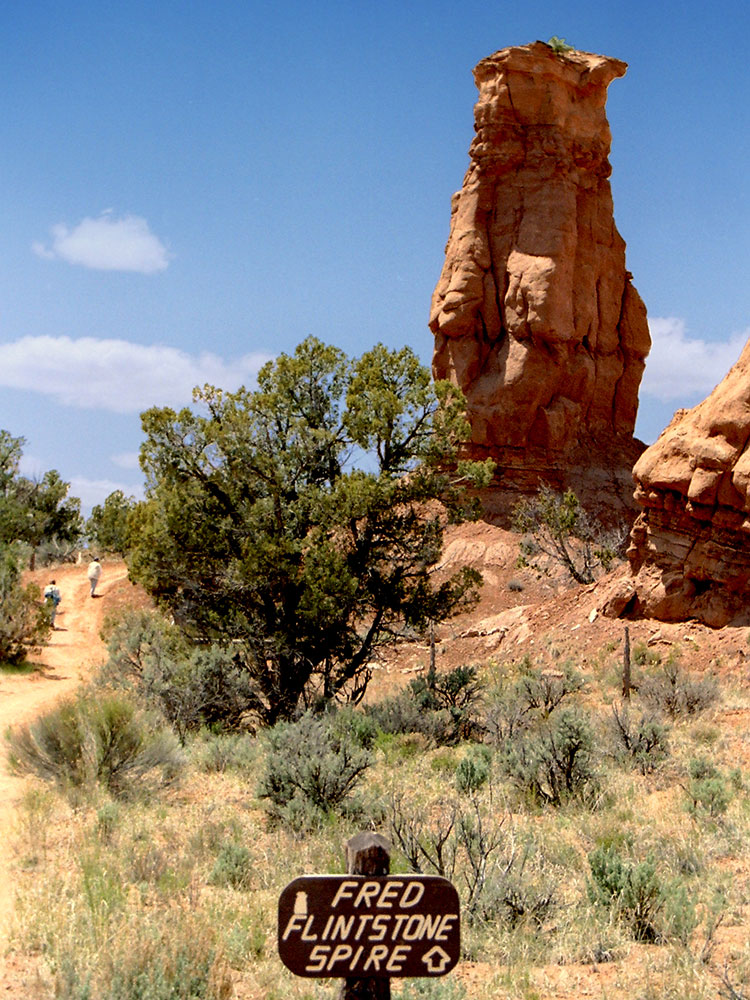
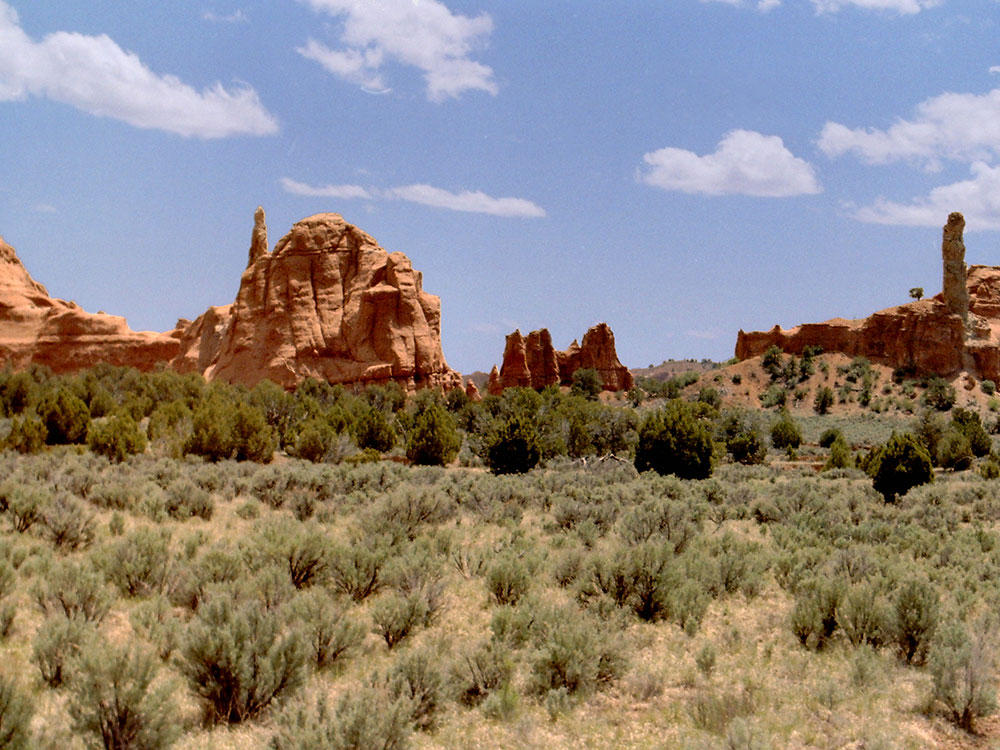
Kodachrome Basin contains more than 60 towering sedimentary pipes, some rising over 150 feet above the desert floor. These rare geological formations create a striking landscape unlike anywhere else in Utah and inspired National Geographic explorers to name the area after Kodak's vibrant Kodachrome color film.
Enjoy Scenic Photography
The park's colorful rock formations, desert vistas, and unique geology make it a favorite destination for photographers. Sunrise and sunset light enhance the reds, oranges, and whites of the surrounding cliffs and spires, creating spectacular photo opportunities throughout the day.
Experience Southern Utah's Dark Skies
Kodachrome Basin is recognized as an International Dark Sky Park, offering excellent conditions for stargazing and astrophotography. Visitors can enjoy brilliant views of the Milky Way, planets, meteor showers, and thousands of stars against the park's dramatic desert backdrop.
Go Horseback Riding and Mountain Biking
In addition to hiking, the park offers opportunities for horseback riding and mountain biking through scenic terrain. Trails wind among sandstone formations, open desert landscapes, and panoramic overlooks that showcase the beauty of Utah's canyon country.
Use the Park as a Gateway to Southern Utah Adventures
Located near Bryce Canyon National Park, Grand Staircase-Escalante National Monument, and Scenic Byway 12, Kodachrome Basin serves as an excellent base for exploring many of southern Utah's most iconic destinations.
Top Trails
Angel's Palace Trail
Length: Approximately 1.5 miles round trip
Elevation Gain: Approximately 150 feet
Difficulty: Easy to Moderate
One of the park's most popular hikes, Angel's Palace follows a narrow ridgeline offering spectacular 360-degree views of Kodachrome Basin's colorful cliffs, sedimentary pipes, and surrounding desert landscape.
Grand Parade Trail
Length: Approximately 1.5 miles round trip
Elevation Gain: Approximately 240 feet
Difficulty: Easy
This family-friendly trail passes some of the park's most impressive sedimentary pipes and colorful sandstone formations. It provides an excellent introduction to the park's unique geology and scenery.
Panorama Trail
Length: Approximately 6 miles loop
Elevation Gain: Approximately 500 feet
Difficulty: Moderate
The park's signature long-distance hike combines several trails into a scenic loop through diverse desert landscapes. Hikers enjoy views of towering spires, sandstone cliffs, open valleys, and distant mountain ranges.
Shakespeare Arch and Sentinel Trail
Length: Approximately 2 miles round trip
Elevation Gain: Moderate
Difficulty: Moderate
This scenic route leads visitors to Shakespeare Arch and additional rock formations while providing expansive views of the basin. The trail showcases many of the geological features that make the park unique.
Sources: Utah State Parks official Kodachrome Basin State Park information, including details on sedimentary pipes, hiking trails, camping, horseback riding, mountain biking, dark sky programs, and visitor amenities.
https://stateparks.utah.gov/parks/kodachrome-basin/
Additional information verified through Utah tourism resources covering Angel's Palace Trail, Grand Parade Trail, Panorama Trail, Shakespeare Arch, scenic photography opportunities, and park geology.
https://www.visitutah.com/places-to-go/parks-outdoors/kodachrome-basin-state-park
Further trail and recreation information reviewed through Utah outdoor recreation resources covering hiking routes, dark sky viewing, geological features, and nearby attractions including Bryce Canyon National Park and Grand Staircase-Escalante National Monument.
https://www.utah.com/destinations/state-parks/kodachrome-basin-state-park/
Geology
The geologic interest of the park are sandstone spires and columns called sand pipes, believed to be found nowhere else on earth. Differing geological explanations of the features in Kodachrome Basin State Park exist. One explanation is that the area was once similar to Yellowstone National Park with hot springs and geysers, which eventually filled up with sediment and solidified. Through time, the Entrada sandstone surrounding the solidified geysers eroded, leaving large sand pipes. Sixty-seven sand pipes ranging from two to 52 meters have been identified in the park.
History
Evidence near the park suggests that Native Americans were the first to wander through the area. Around the turn of the 20th century, cattlemen from Cannonville and Henrieville used the basin as a winter pasture. In 1948 the National Geographic Society explored and photographed the area for a story that appeared in the September 1949 issue of National Geographic. They named the area Kodachrome Flat, after the brand of Kodak film known for its vibrant color rendition. In 1962 the area was designated a state park. Fearing repercussions from the Kodak film company for using the name Kodachrome, the name was changed to Chimney Rock State Park, but renamed Kodachrome Basin a few years later with Kodak's permission.
Recreational activities
Primary recreational activities in Kodachrome Basin State Park include photography, wildlife watching, camping, and hiking the park's several trails. Popular sites include Chimney Rock, Shakespeare Arch, and Ballerina Geyser. Stargazing is popular as the park sees little light pollution. Grosvenor Arch, an intricate double arch located ten miles south east of the park in the Grand Staircase-Escalante National Monument is a popular destination for many visitors. Kodachrome Basin State Park has 55 campsites, two of which are group sites as well as available showers. Campsites can be reserved at Reserve America. There are also two bunkhouse cabins inside the state park for lodging, managed by the park. Horseback rides are also available throughout the park and surrounding wilderness areas.
This article uses material from the Wikipedia article "Kodachrome Basin State Park", which is released under the Creative Commons Attribution-Share-Alike License 3.0
-1000.jpg)
.jpg)
-1000.jpg)
.jpg)
-1000.jpg)
.jpg)


-1000.jpg)
.jpg)
-1000.jpg)
.jpg)