.jpg)
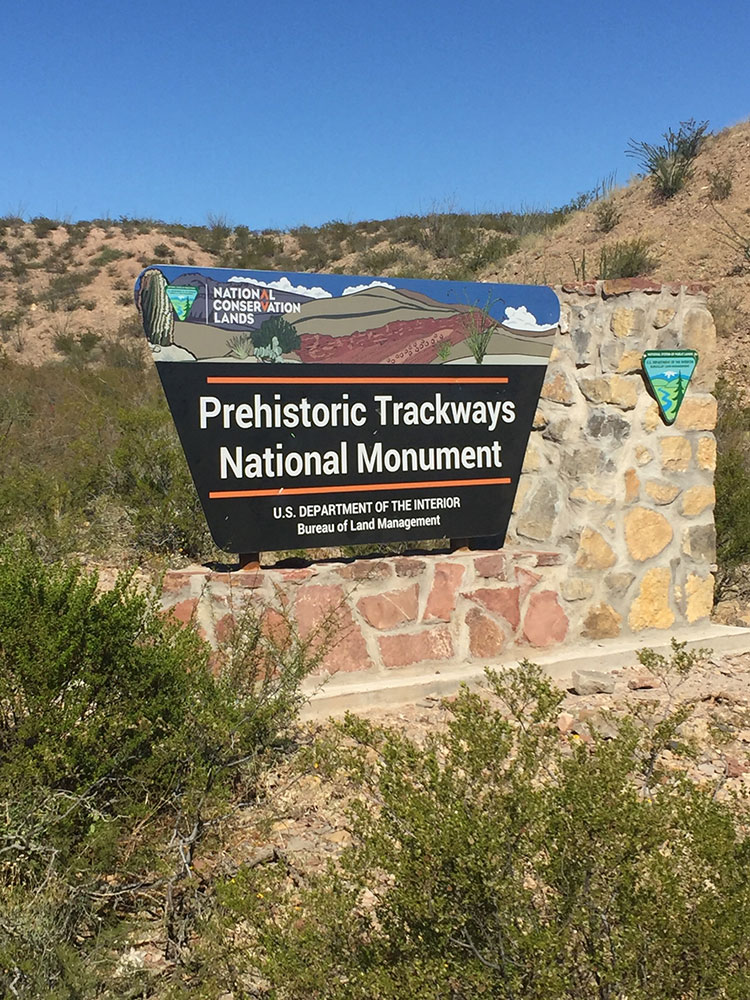
Monument in the Robledo Mountains, near Las Cruces, includes a major deposit of Paleozoic Era fossilized footprints in fossil mega-trackways of land animals, sea creatures, and insects
General Information
Open year-round
How to Get There
From Las Cruces (10 mi): Take US‑70 west to Shalem Colony Trail, then follow dirt roads (high‑clearance recommended) to reach the trailhead area in the Robledo Mountains.
Overview
Prehistoric Trackways National Monument in the Robledo Mountains near Las Cruces has fossil trackways from about 280 million years ago (Paleozoic), the most scientifically significant early Permian trackways in the world, on 5,255 acres managed by the Bureau of Land Management. Tracks of reptiles, amphibians, and insects are in the rock, and you can visit by walking a short trail to an interpretive site. The fossils are fragile, so stay on the trail.
Hike to the Discovery Site (Trackways Area)
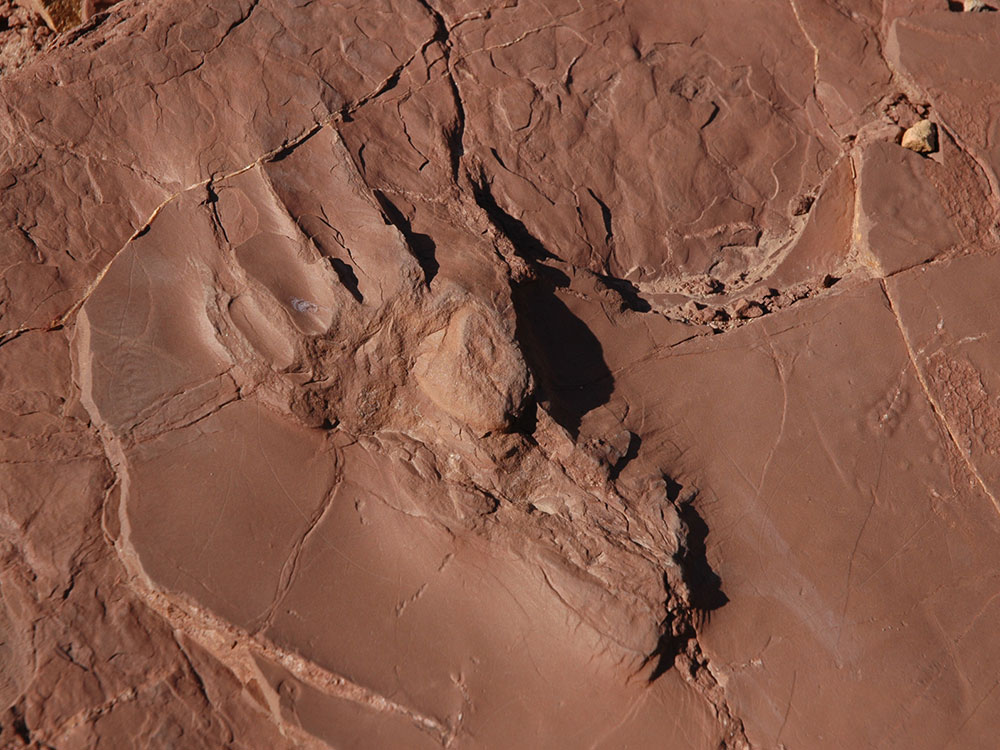
The highlight of the monument is hiking to the Discovery Site, where you can search for fossilized footprints embedded in the rock. These trackways date back roughly 280 million years and preserve the movement of ancient reptiles, amphibians, and insects across a prehistoric landscape.
Hike the Ridgeline and Trackways Loop Trails
The monument offers several informal hiking routes, with the Ridgeline and Discovery Trail loop (about 3 miles) being the most popular. These trails traverse rugged desert terrain and provide access to fossil sites along with scenic views of the Robledo Mountains.
Search for Fossils and Ancient Footprints
Prehistoric Trackways protects one of the most scientifically important Early Permian track sites in the world. Visitors can see fossilized tracks from creatures that lived long before dinosaurs, including early reptiles and amphibians, along with plant fossils and petrified wood.
Explore the Robledo Mountains Landscape
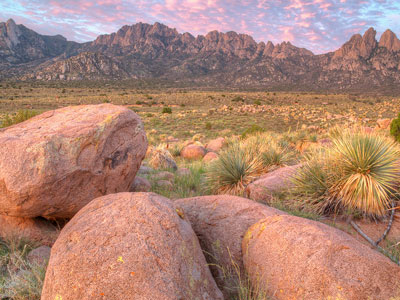
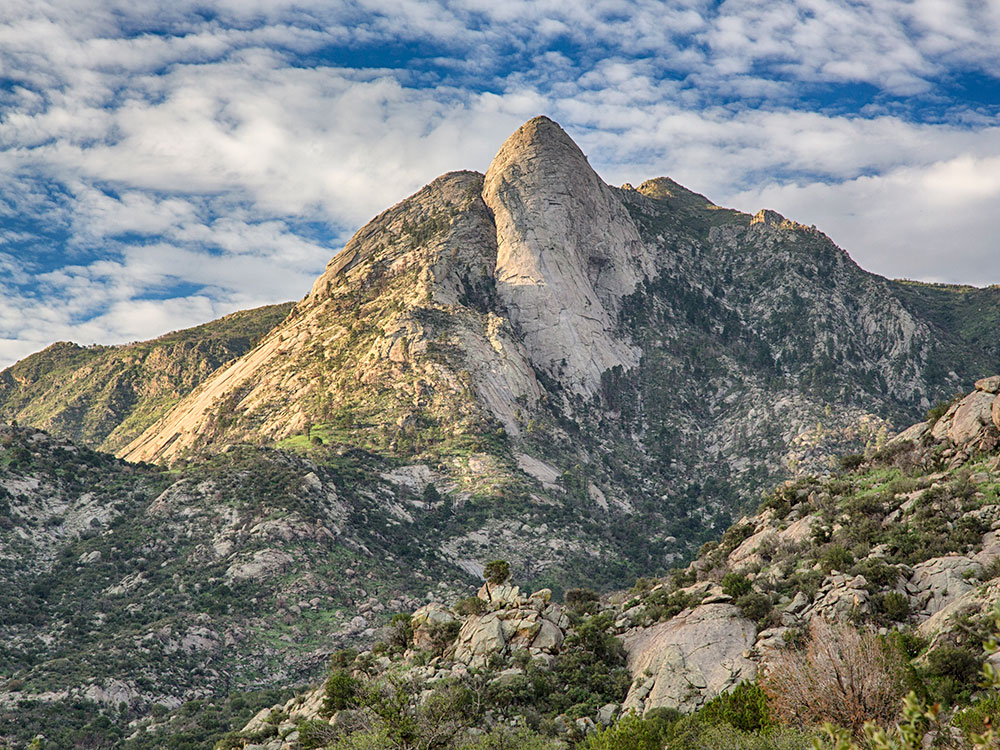
The monument is located in a remote section of the Robledo Mountains and features wide-open desert scenery, rocky canyons, and sweeping views. Hiking here combines geology, paleontology, and classic Southwest landscapes.
Learn About Prehistoric Life
The fossil trackways provide insight into ancient ecosystems and animal behavior from the Permian Period. Some of the best-preserved trackways have been moved to museums, where visitors can view large slabs and learn more about their scientific significance.
Plan for a Primitive Visit
The monument has very limited amenities, with no water, restrooms, or visitor center on-site.
Some of the animals who may have left tracks in the Robledo Mountains include Dimetrodon, Eryops, Edaphosaurus, and multiple other pelycosaurs. There are at least 13 major trace fossils found at the monument.
The trackways can be difficult for the general public to find, as the monument is largely undeveloped with few facilities yet existing to aid fossil hunters. Guided hikes are periodically offered by BLM interpretive staff.
Geology
The monument lies along the western portion of the Rio Grande rift and is within part of the Robledo Mountains. It is made up of Cenozoic and Paleozoic (Hueco Group) sediments. The Hueco Group is Early Permian strata. Most of the monument is Permian and would have been underwater or along the coast of what was once the Hueco Seaway. The tracks can be found in the red rock which is called the abo red beds.
The monument is situated at the northern tip of the Chihuahuan Desert. Some examples of plants within the monument are ocotillo, mesquite, creosote bush, prickly-pear cactus, Torrey yucca, barrel cactus, sotol, agave and snakeweed. A few examples of animals are mule deer, rattlesnakes, desert cottontail, many species of lizards, and several species of birds.
This article uses material from the Wikipedia article and official pages for Prehistoric Trackways National Monument, New Mexico Nomad Guide, Visit Las Cruces, AllTrails Guide, New Mexico Tourism, released under the Creative Commons Attribution-Share-Alike License 3.0.
Featured Trails
#Placeholder, #License, via Wikimedia Commons; Image Size Adjusted
Ridgeline & Discovery Trail Loop
Difficulty: Moderate
Primary hike to the Discovery Site with chances to find fossilized footprints and panoramic desert views
#Placeholder, #License, via Wikimedia Commons; Image Size Adjusted
Robledo Mountain Trail
Difficulty: Moderate to Strenuous
Longer trail climbing into the Robledo Mountains with expansive views and access to remote fossil areas
#Placeholder, #License, via Wikimedia Commons; Image Size Adjusted
Trackways Loop Trail
Difficulty: Moderate
Desert loop trail featuring fossil-rich areas and views of the Robledo Mountains landscape
.jpg)
.jpg)
-1000.jpg)
.jpg)
-1000.jpg)
.jpg)
-1000.jpg)
.jpg)