
Monument in, New Mexico, preserving the remains of a large prehistoric pueblo atop a great sandstone promontory with a pool of water at its base, where many centuries of explorers and travelers left historic inscriptions that survive today
General Information
Trails: 9am to 4pm (last entry)
Closed Thanksgiving Day, Christmas Day, and New Year’s Day
How to Get There
From Grants (43 mi): Take Interstate 40 west to exit 81, then drive south on NM-53 for approximately 42 miles to reach El Morro National Monument.
Overview
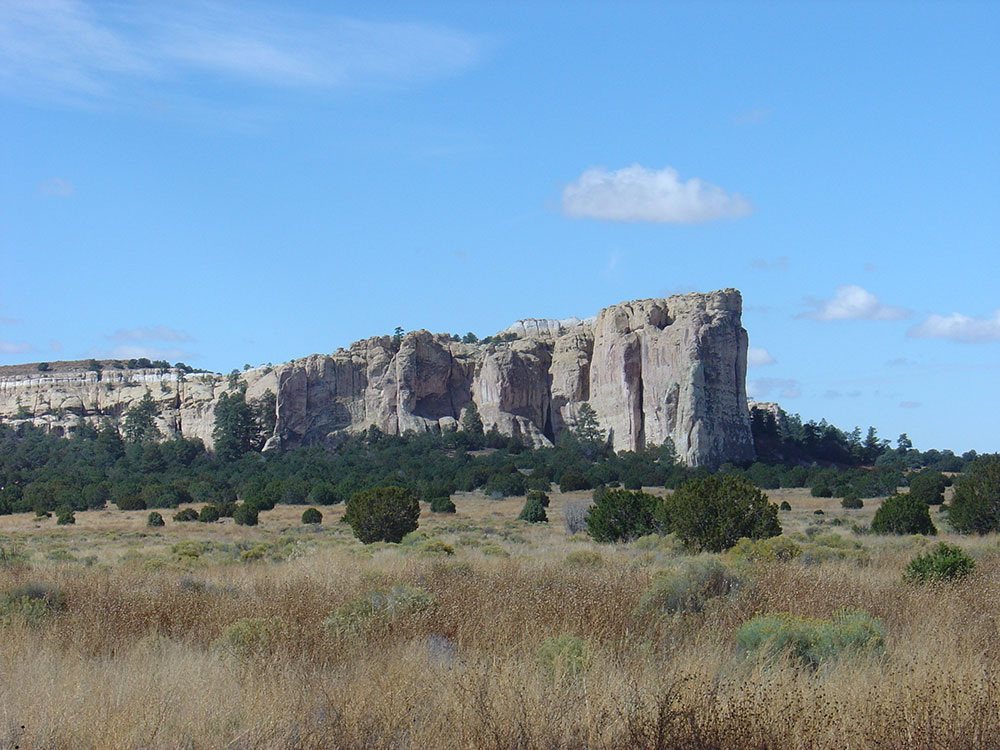
El Morro National Monument ("the headland") in Cibola County is a 200-foot sandstone bluff with a reliable waterhole at its base, on an ancient east-west trail. Travelers carved their names in "Inscription Rock" for centuries, from Spanish explorer Don Juan de Oñate in 1605 to 19th-century emigrants. The monument also preserves the ruins of Atsinna, a large pueblo on top of the mesa.
Top Trails
| Trail | Length | Difficulty | Highlights |
|---|---|---|---|
| Inscription Trail | 0.5 mile loop | Easy | Petroglyphs and carved inscriptions, and the pool |
| Headland Trail | 2 miles round trip | Moderate | Climb to Atsinna Pueblo and mesa-top views |
Hike the Headland Trail
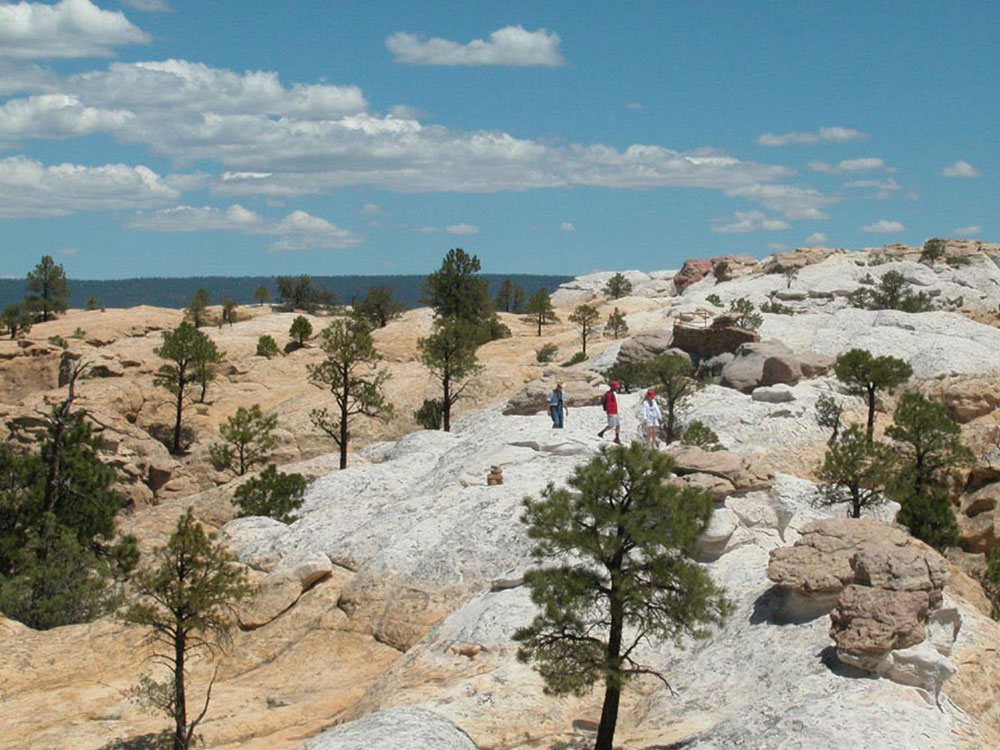
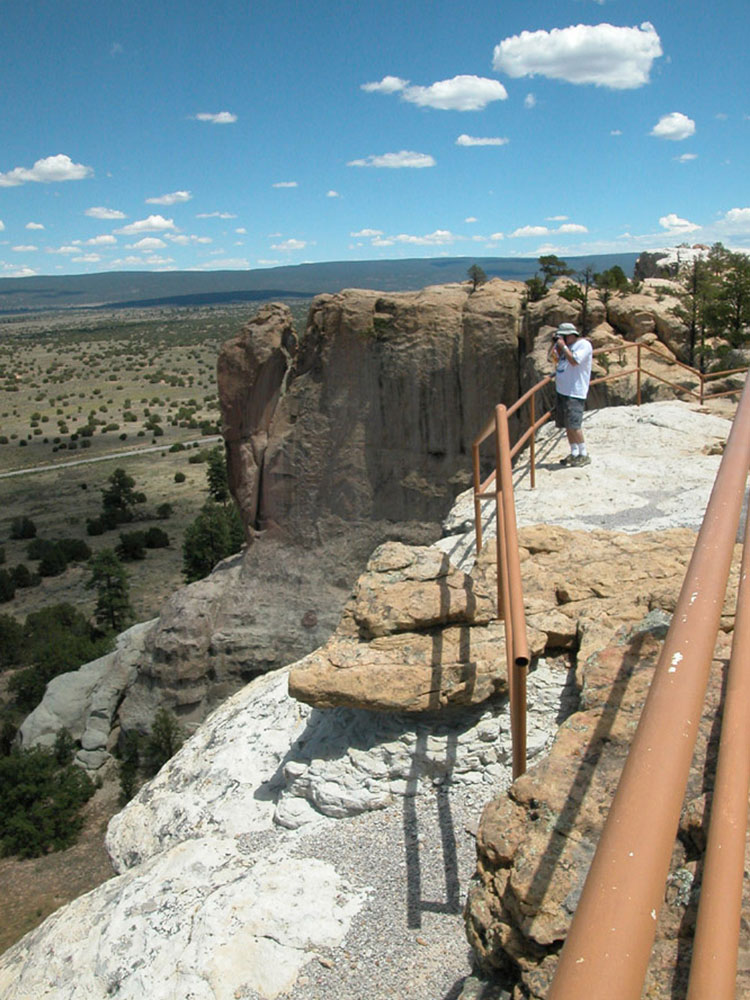
The Headland Trail is a longer loop that climbs to the top of El Morro, offering panoramic views of the surrounding landscape. Along the way, you’ll encounter the ruins of Atsinna Pueblo and gain a deeper understanding of the monument’s cultural and historical significance.
View Inscription Rock
Inscription Rock is the centerpiece of the monument, where over 2,000 carvings left by Ancestral Puebloans, Spanish explorers, and American travelers can be seen. These inscriptions serve as a timeline carved into stone, telling the story of centuries of human activity.
See the Natural Pool
Located at the base of the bluff, the natural pool has been a reliable water source for over a thousand years. It played a crucial role in attracting travelers and settlers, making it one of the most historically important features of the monument.
Visit Atsinna Pueblo Ruins
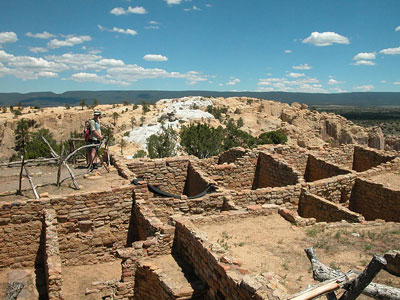
At the top of El Morro, visitors can explore the remains of Atsinna Pueblo, an ancestral settlement built by Puebloan people. The ruins provide insight into how people once lived in this remote desert environment.
Enjoy Scenic Views of the Sandstone Bluff
The towering sandstone cliffs of El Morro rise dramatically above the surrounding desert, offering stunning views and photo opportunities. The colors and textures of the rock change throughout the day, making it a highlight of any visit.
Visit the Visitor Center
The Visitor Center is the starting point for exploring El Morro, featuring exhibits, a short film, and helpful information about the monument’s history and trails.
With its oasis-like source of water, El Morro served as a stopping place for numerous travelers through the otherwise arid and desolate region, many of whom left signatures, names, dates, and stories of their treks in the walls of the sandstone cliff. While some of the inscriptions are fading, there are still many that can be seen today, with some dating to the 17th century. The oldest historic inscription at El Morro, left by Juan de Oñate, the first Spanish governor of the colony of Santa Fe de Nuevo México, is dated April 16, 1605. Among the Anglo-American emigrants who left their names there in 1858 were several members of the Rose-Baley Party, including Leonard Rose and John Udell. Nearby petroglyphs and carvings made by the Ancestral Puebloans were inscribed centuries before Europeans arrived. In 1906, U.S. federal law prohibited further carving on the cliffs.
El Morro was designated a national monument by President Theodore Roosevelt on December 8, 1906, and was added to the National Register of Historic Places in 1966. Today the site is managed by the National Park Service. The many inscription panels, water pool, pueblo ruins, and the top of the promontory are all accessible via park trails. El Morro is one of many prehistoric sites on the Trails of the Ancients Byway, a designated New Mexico Scenic Byway. In December 2019, the International Dark Sky Association certified El Morro as an International Dark Sky Park, recognizing its preservation of not only the historic inscriptions but also its natural night sky.
This article uses material from the Wikipedia article "Bandelier National Monument", which is released under the Creative Commons Attribution-Share-Alike License 3.0
Featured Trails
Image Placeholder
Inscription Rock Trail
difficulty: Easy
A short, paved loop leading past historic carvings, petroglyphs, and the natural pool at the base of the bluff.
Image Placeholder
Headland Trail
difficulty: Moderate
A loop trail that climbs to the top of El Morro, offering scenic views and access to the Atsinna Pueblo ruins.
Image Placeholder
Atsinna Pueblo Spur
difficulty: Moderate
A short spur leading to the remains of a large ancestral Puebloan village atop the bluff.
Image Placeholder
Pool Overlook Path
Difficulty: Easy
A short accessible path to views of the historic water pool that sustained travelers for centuries.