_1_(29403918734)-400.jpg)
_1_(29403918734).jpg)
Monument located in western New Mexico, named from the Spanish term Malpaís, meaning badlands, due to the extremely barren and dramatic volcanic field that covers much of the park's area
General Information
Visitor Center: 9am to 5pm
Closed Thanksgiving Day, Christmas Day, and New Year’s Day
How to Get There
From Grants (1 mi): Take Santa Fe Ave east from downtown Grants, then follow signs to the El Malpais Visitor Center located just off I-40 Exit 85.
Overview
Explore Lava Tubes & Caves
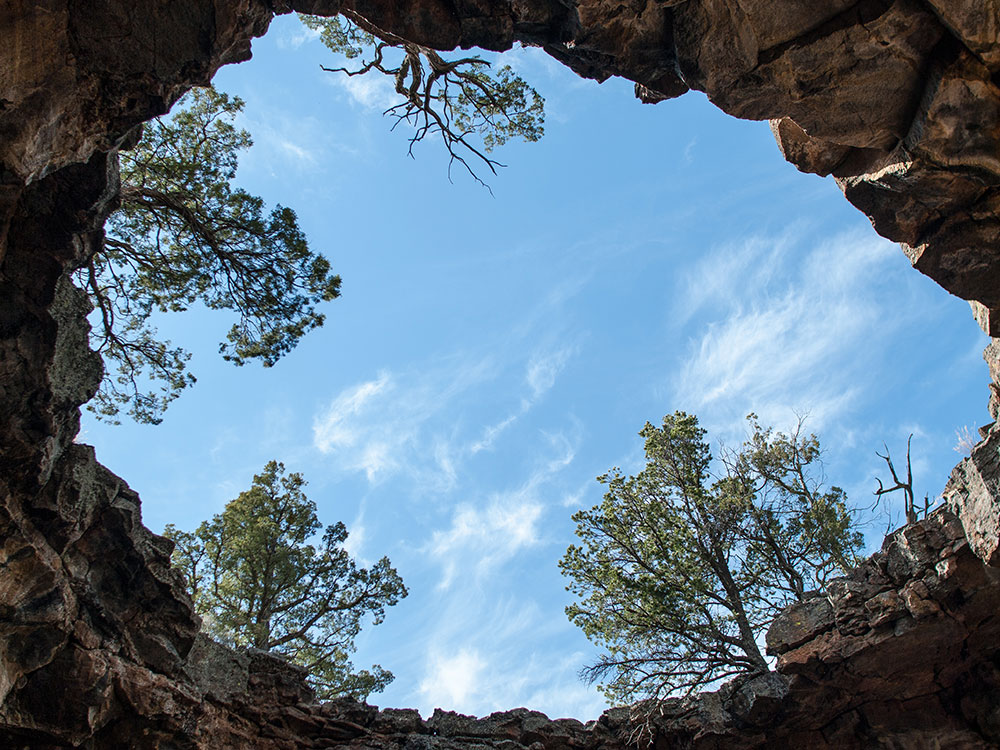
El Malpais is known for its extensive system of lava tube caves formed by ancient volcanic activity, offering a unique opportunity to explore underground passages and learn about geology up close. Many caves require a free permit and proper gear, making this one of the monument’s most adventurous experiences.
Hike Across Lava Flows
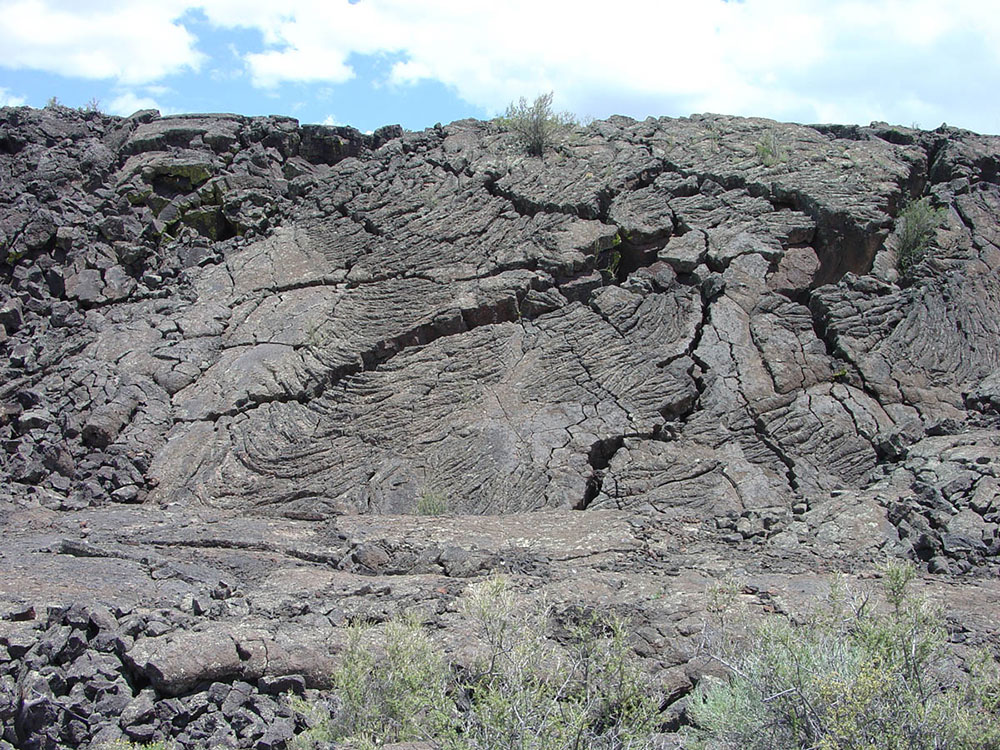
Several trails lead across rugged lava fields created by eruptions thousands of years ago, where visitors can walk on hardened basalt and observe volcanic formations. These hikes provide a close look at one of the youngest lava landscapes in the continental United States.
Visit Sandstone Bluffs Overlook
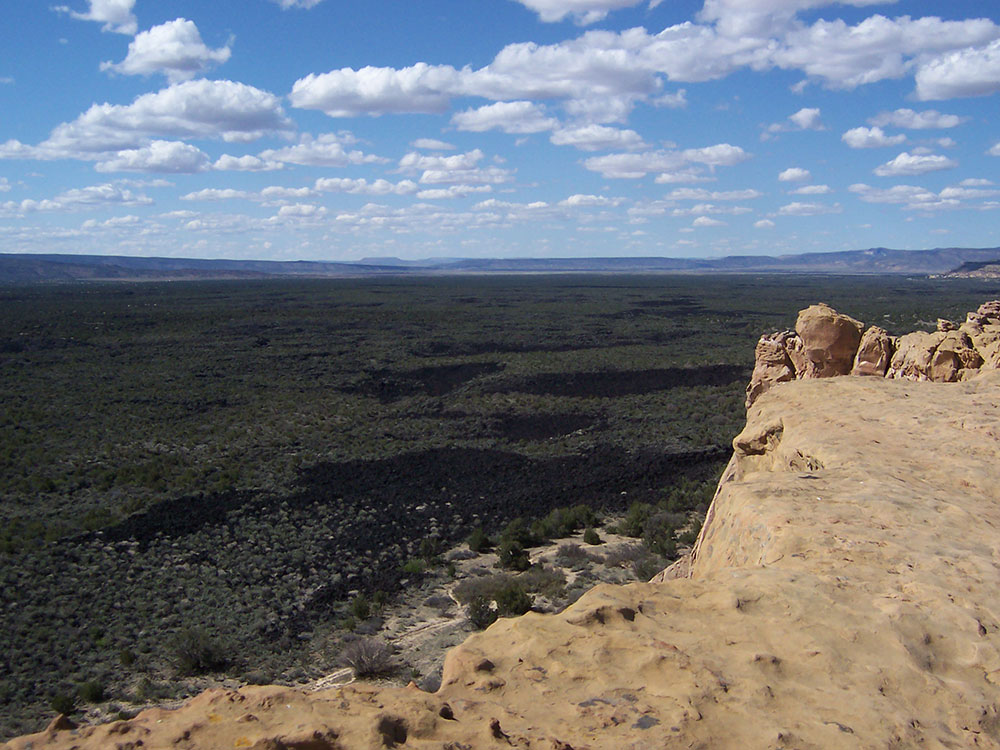
The Sandstone Bluffs Overlook offers sweeping views of the lava fields, distant mountains, and surrounding desert. This scenic viewpoint is one of the best places to take in the dramatic contrast between black lava and light-colored cliffs.
Hike to La Ventana Natural Arch
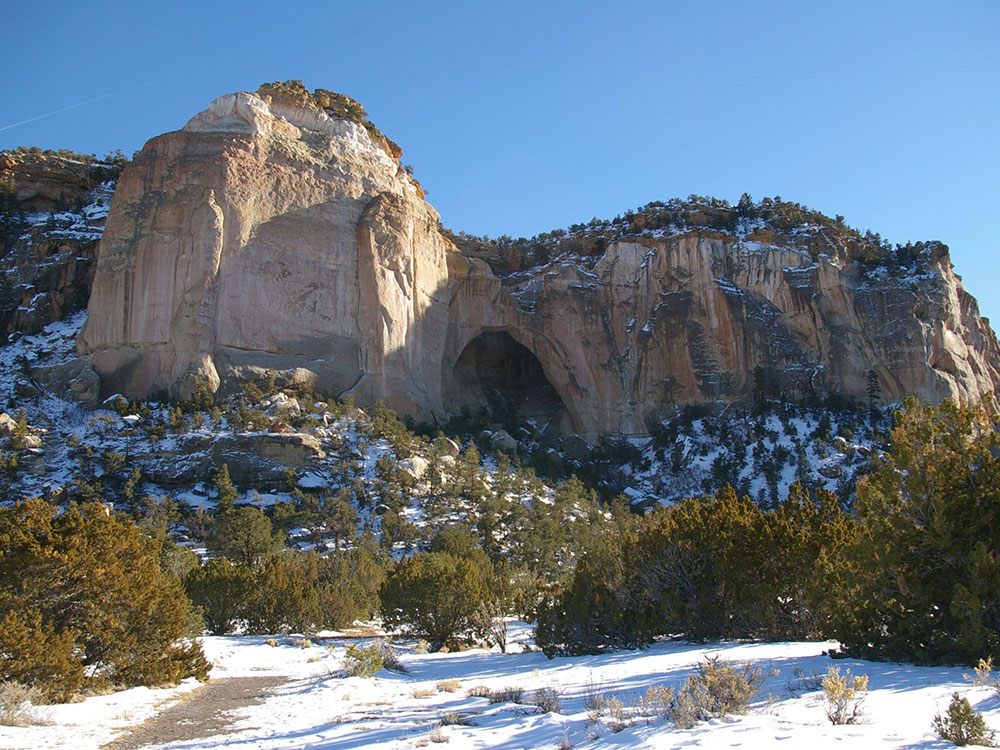
La Ventana Natural Arch is one of the largest and most accessible natural arches in New Mexico, formed in the sandstone cliffs along the edge of the lava field. A short hike leads to this impressive rock formation, making it a popular and rewarding stop.
Hike Scenic Trails
El Malpais offers a variety of trails ranging from short loops to longer backcountry routes, including paths through forests, along canyon rims, and across volcanic terrain. Each trail provides a different perspective on the monument’s geology and landscape.
Drive Scenic Roads
Scenic highways like NM 117 and NM 53 run along the monument, offering convenient access to overlooks, trailheads, and lava fields. These drives allow visitors to experience the landscape’s scale without extensive hiking.
Wildlife Viewing
Despite its rugged environment, the monument supports a variety of wildlife including deer, elk, birds, and smaller desert species. Visitors may spot animals while hiking or exploring the lava flows and surrounding forests.
Visitor Center and Information
The Visitor Center provides maps, exhibits, and information about the monument’s history, geology, and trails. It’s the best place to start your visit, obtain cave permits, and learn how to safely explore the area.
The name El Malpais is from the Spanish term Malpaís, meaning badlands, due to the extremely barren and dramatic volcanic field that covers much of the park's area.
It is on the Trails of the Ancients Byway, one of the designated New Mexico Scenic Byways.
Geography and geology
The lava flows, cinder cones, and other volcanic features of El Malpais are part of the Zuni-Bandera volcanic field, the second largest volcanic field in the Basin and Range Province. This volcanically active area on the southeast margin of the Colorado Plateau is located on the ancient Jemez Lineament, which provides the crustal weakness that recent magmatic intrusions and Cenozoic volcanism are attributed to.
The rugged pāhoehoe and 'a'ā lava flows of the Zuni-Bandera eruptions (also called the Grants Lava Flows) filled a large basin, created by normal faulting associated with the Rio Grande Rift, between the high mesas of the Acoma Pueblo to the east, Mt. Taylor to the north, and the Zuni Mountain anticline to the northwest. Vents associated with these flows include Bandera Crater, El Calderon, and several other cinder cones; more than a dozen older cinder cones follow a roughly north-south distribution along the Chain of Craters west of the monument.
Features
El Malpais has many lava tubes open to explore. There are currently four caves accessible: Junction and Xenolith caves in the El Caldron area, and Big Skylight and Giant Ice caves in the Big Tubes area.
A nearby scenic overlook at Sandstone Bluffs offers spectacular panoramic views over the monument's lava flows.
This article uses material from the Wikipedia article "El Malpais National Monument", which is released under the Creative Commons Attribution-Share-Alike License 3.0
Featured Trails
Image Placeholder
Lava Falls Trail
difficulty: Moderate
A short trail crossing rugged lava flows that highlights volcanic formations and unique terrain.
Image Placeholder
Big Tubes Trail
difficulty: Moderate
A hike leading to large collapsed lava tubes where visitors can explore volcanic cave features.
Image Placeholder
Sandstone Bluffs Trail
difficulty: Moderate
A scenic trail along cliff edges offering sweeping views of lava fields and surrounding desert.
Image Placeholder
La Ventana Trail
difficulty: Easy
A short walk leading to one of New Mexico’s largest natural arches set in sandstone cliffs.
Image Placeholder
Zuni-Acoma Trail
difficulty: Hard
A long historic route crossing remote lava fields that follows an ancient Native American trade path.
_3_(29403918364)-1000.jpg)
_3_(29403918364).jpg)