-400.jpg)
.jpg)
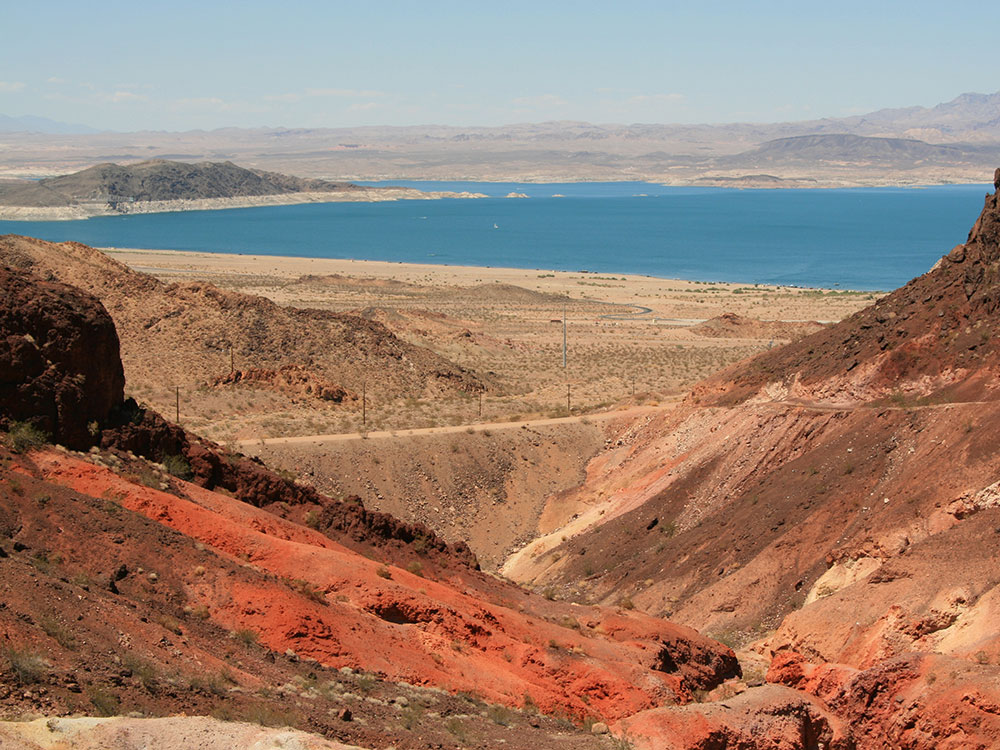
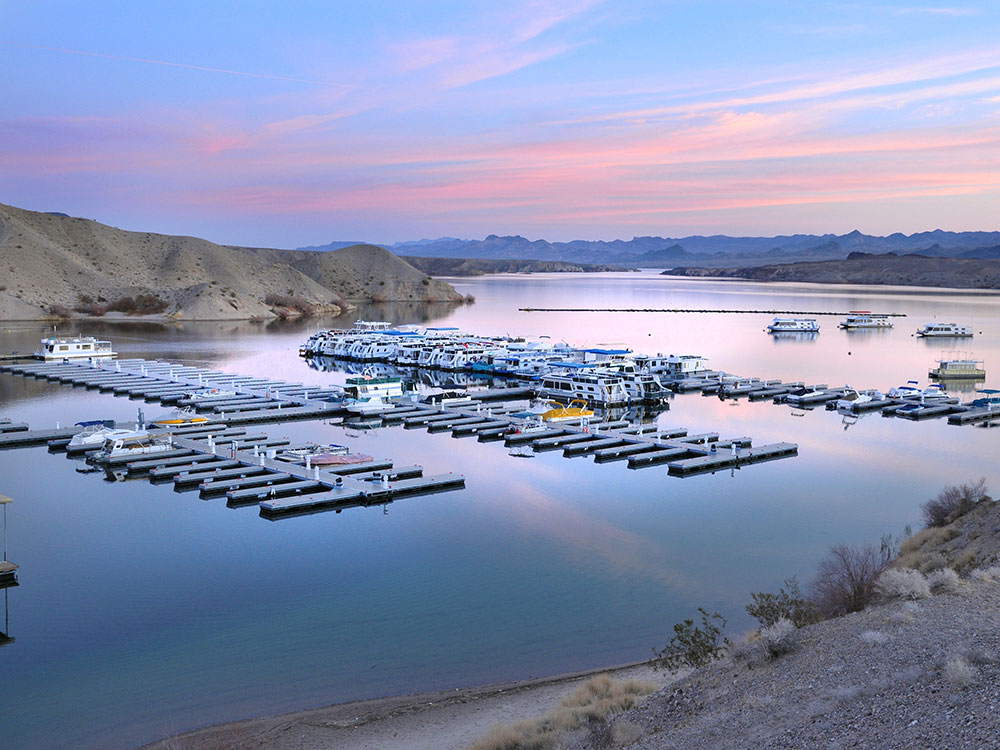
Vast desert landscape surrounding two major reservoirs offers opportunities for boating, hiking, camping, and wildlife viewing year-round.
General Information
Visitor Center: Daily 9am to 4:30pm
Motorcycle: $20
Individual (bike/hike): $15
Lake Use Fee: $16 per vessel (1–7 days)
How to Get There
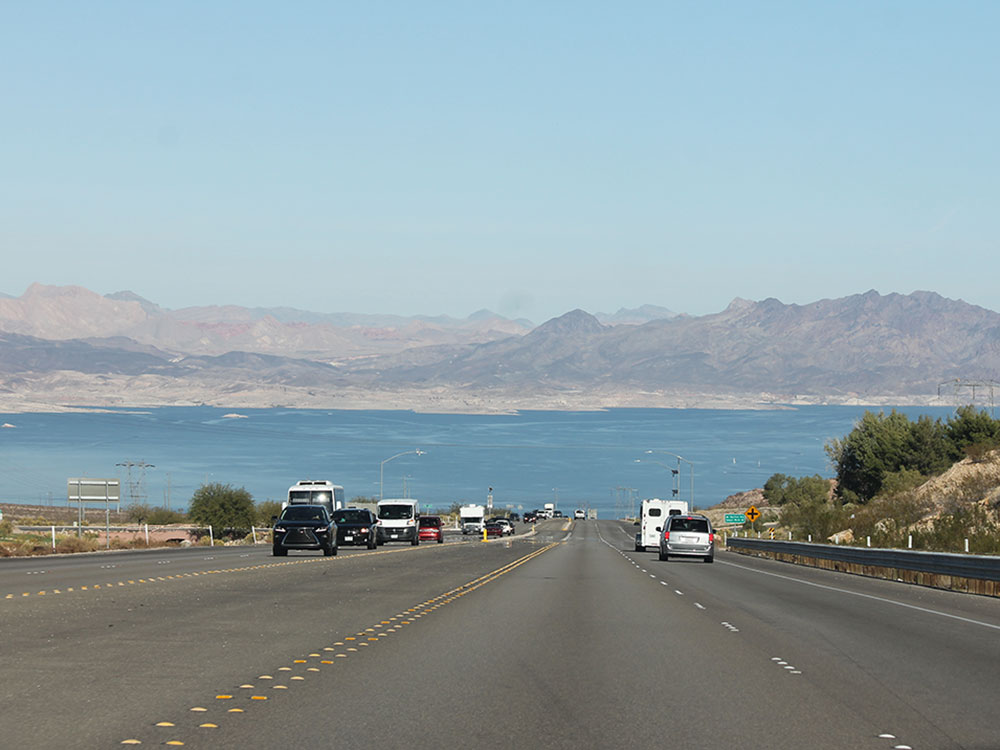
From Las Vegas (30 mi): Take US-93 S through Henderson and Boulder City, then follow signs to Lake Mead National Recreation Area.
Overview
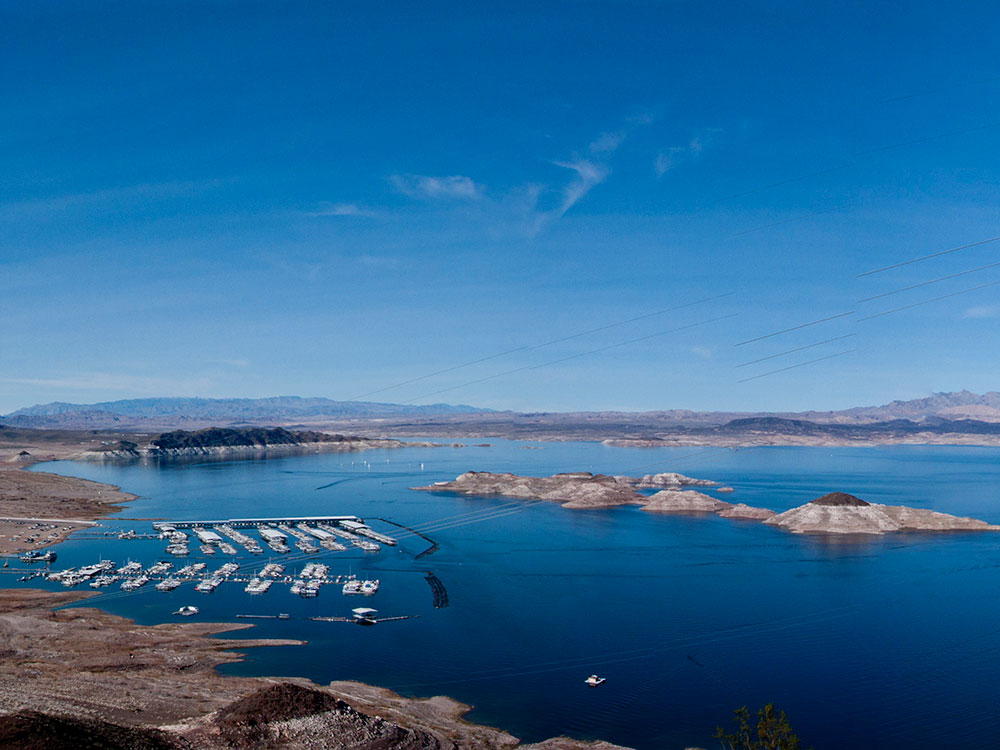
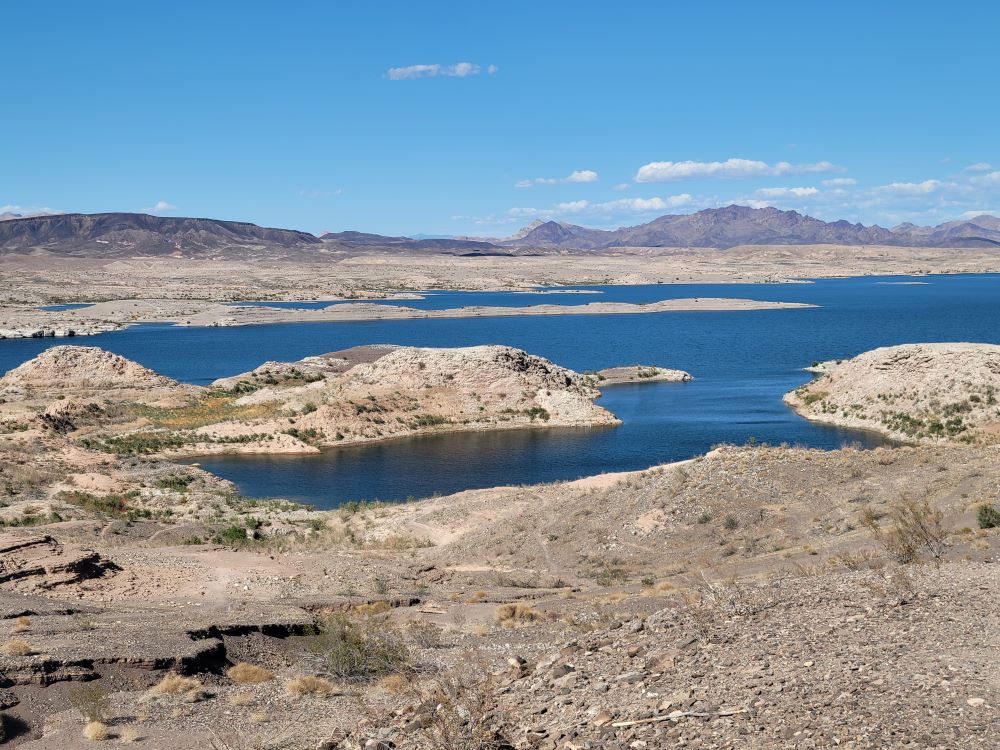
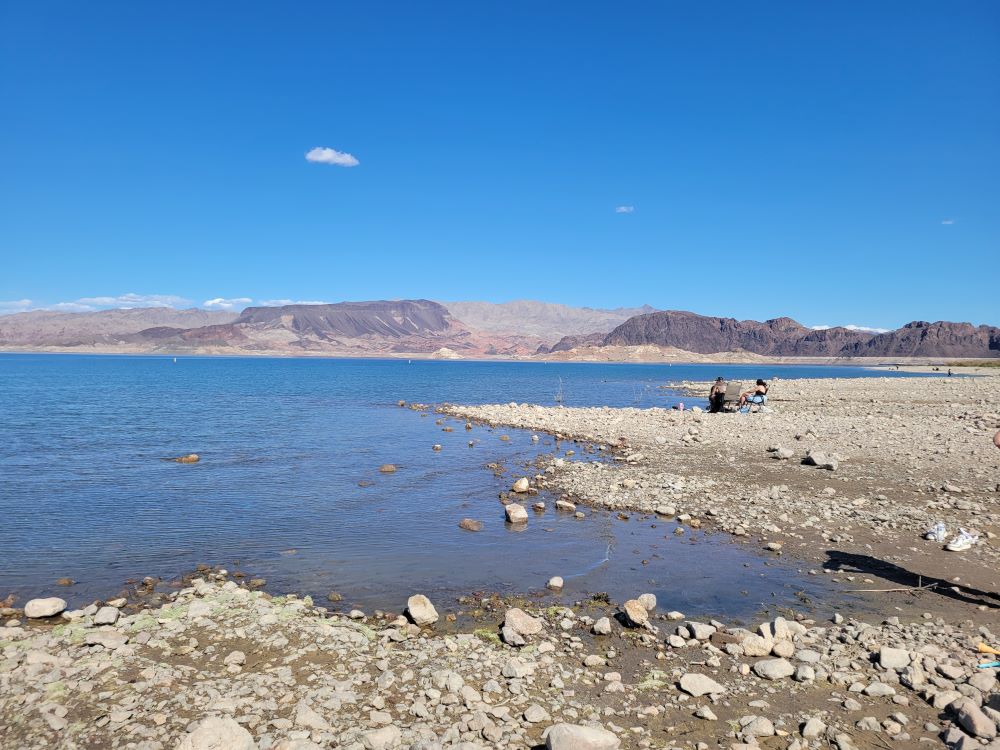
Lake Mead National Recreation Area in southeastern Nevada and northwestern Arizona, run by the National Park Service, includes Lake Mead (created by Hoover Dam) and Lake Mohave, about 1.5 million acres of desert and water 30 minutes from Las Vegas. It is the first U.S. national recreation area (1964). Visitors go boating, fishing, swimming, kayaking, and hiking. Water levels have dropped a lot in recent years, leaving a "bathtub ring" and changing some boat ramps, so check current conditions.
Highlights
- Lakeview Overlook and Boulder Beach
- Big Bend of the Colorado and Laughlin on the lower river
- Kayaking: Emerald Cove and the Black Canyon Water Trail below the dam
Things to Do
Explore America's First and Largest National Recreation Area
Lake Mead National Recreation Area encompasses more than 1.5 million acres of desert, mountains, canyons, and shoreline across Nevada and Arizona. Surrounding both Lake Mead and Lake Mohave, the recreation area offers a remarkable combination of water recreation, desert exploration, scenic drives, and outdoor adventure opportunities.
Enjoy Boating and Water Sports on Lake Mead
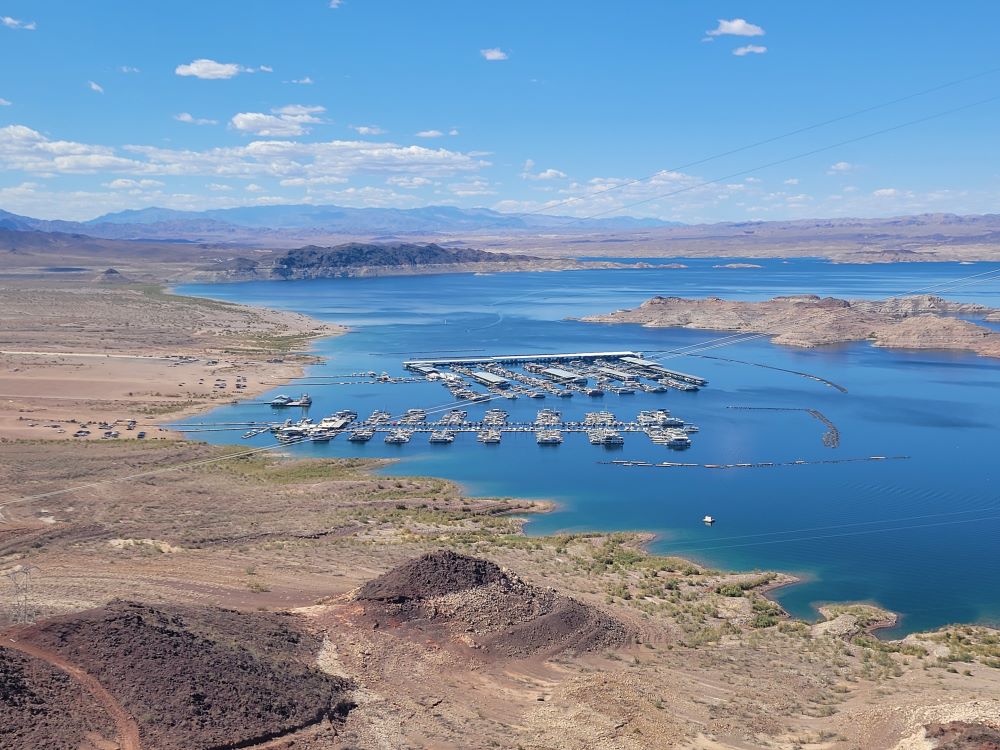
Lake Mead is one of the largest reservoirs in the United States and is a premier destination for boating, kayaking, paddleboarding, fishing, jet skiing, swimming, and houseboating. Numerous marinas and launch ramps provide easy access to the lake's expansive waters and scenic coves.
Visit Hoover Dam
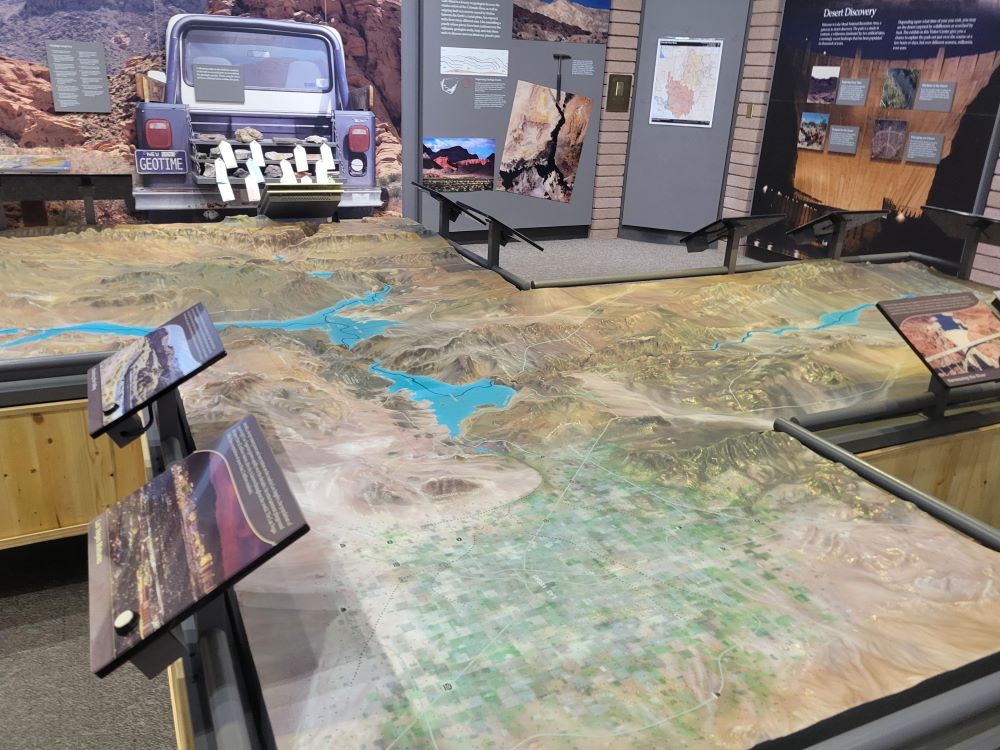
Located near the western boundary of the recreation area, Hoover Dam is one of the most famous engineering achievements in the United States. Visitors can tour the dam, view exhibits on its construction, and enjoy dramatic views of the Colorado River and Black Canyon.
Discover Desert Wildlife and Scenic Landscapes
The recreation area is home to bighorn sheep, coyotes, desert tortoises, numerous bird species, and a wide variety of desert plants. Visitors can explore rugged mountains, colorful desert valleys, hidden coves, and scenic overlooks throughout the park.
Explore Historic Railroad and Mining Sites
Several historic sites throughout the recreation area highlight the region's role in the construction of Hoover Dam and the development of the Southwest. Visitors can hike former railroad routes, visit historic structures, and learn about the area's industrial and cultural history.
Top Trails
Historic Railroad Trail
Length: Approximately 7.5 miles round trip
Elevation Gain: Minimal
Difficulty: Easy
One of the recreation area's most popular hikes, this trail follows the route used during the construction of Hoover Dam. Visitors pass through large railroad tunnels while enjoying spectacular views of Lake Mead and the surrounding desert landscape.
Liberty Bell Arch Trail
Length: Approximately 2 miles round trip
Elevation Gain: Approximately 300 feet
Difficulty: Moderate
This scenic desert hike leads to Liberty Bell Arch, a striking natural sandstone arch located in a rugged canyon. The route features beautiful desert scenery, colorful rock formations, and excellent photography opportunities.
Gold Strike Hot Springs Trail
Length: Approximately 4.5 miles round trip
Elevation Gain: Significant
Difficulty: Strenuous
This challenging canyon adventure leads hikers through a series of rugged narrows, ropes, boulder scrambles, and hot spring pools before reaching the Colorado River. It is one of the area's most adventurous hikes.
River Mountains Loop Trail
Length: Approximately 34 miles loop
Elevation Gain: Moderate
Difficulty: Moderate
This paved multi-use trail circles the River Mountains and connects Lake Mead with nearby communities. It is popular with cyclists, runners, and walkers seeking scenic desert and mountain views.
This article uses material from the Wikipedia article and official pages for nps.gov, alltrails.com, Lake Mead National Recreation Area, Lake Mead, released under the Creative Commons Attribution-Share-Alike License 3.0.
Featured Locations
Inklein, CC BY-SA 3.0, via Wikimedia Commons; Image Size Adjusted

Arizona Hot Springs
A rugged canyon hike leading to a series of naturally heated geothermal pools and cascading warm waterfalls set within a narrow desert slot canyon.
Inklein, CC BY-SA 3.0, via Wikimedia Commons; Image Size Adjusted
Boulder Beach
Popular sandy shoreline recreation area featuring swimming, picnicking, boating access, and expansive views of blue water set against rugged desert mountains.
Inklein, CC BY-SA 3.0, via Wikimedia Commons; Image Size Adjusted
Goldstrike Hot Spring
A rugged desert canyon trail leading to geothermal pools where mineral-rich hot spring water cascades over terraced rock formations into the Colorado River below.
Inklein, CC BY-SA 3.0, via Wikimedia Commons; Image Size Adjusted
Lake Mead Lakeview Overlook
Panoramic roadside viewpoint offering sweeping views of a vast desert reservoir, rugged mountains, and the iconic “bathtub ring” marking historic water levels.
Panoramic roadside viewpoint offering sweeping views of a vast desert reservoir, rugged mountains, and the iconic “bathtub ring” marking historic water levels.

-1000.jpg)
.jpg)