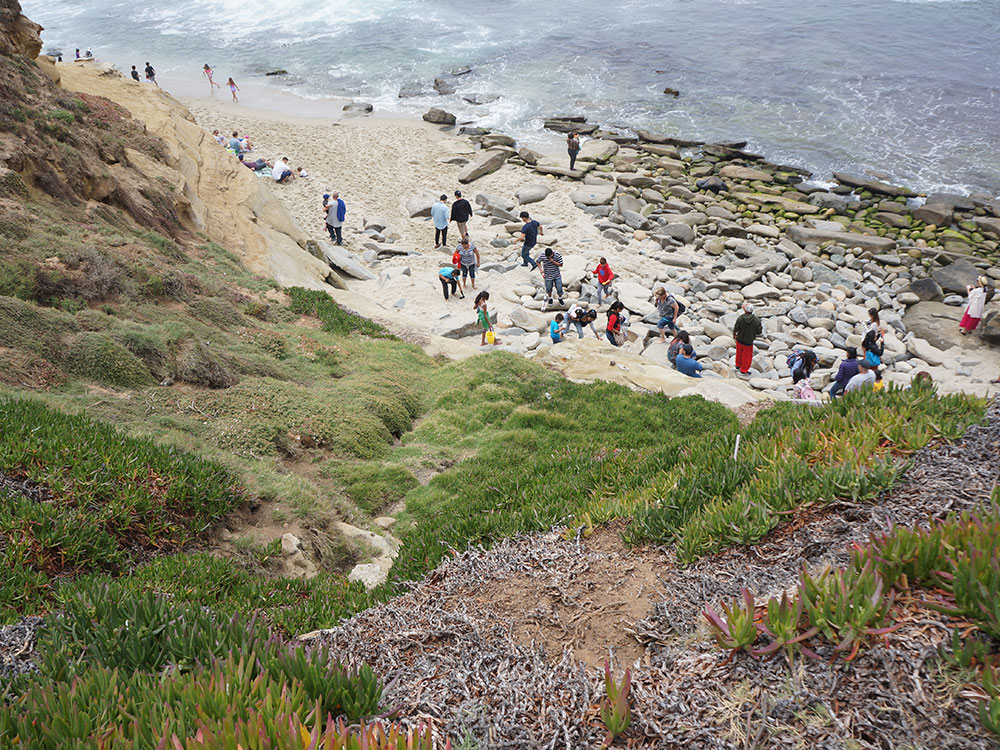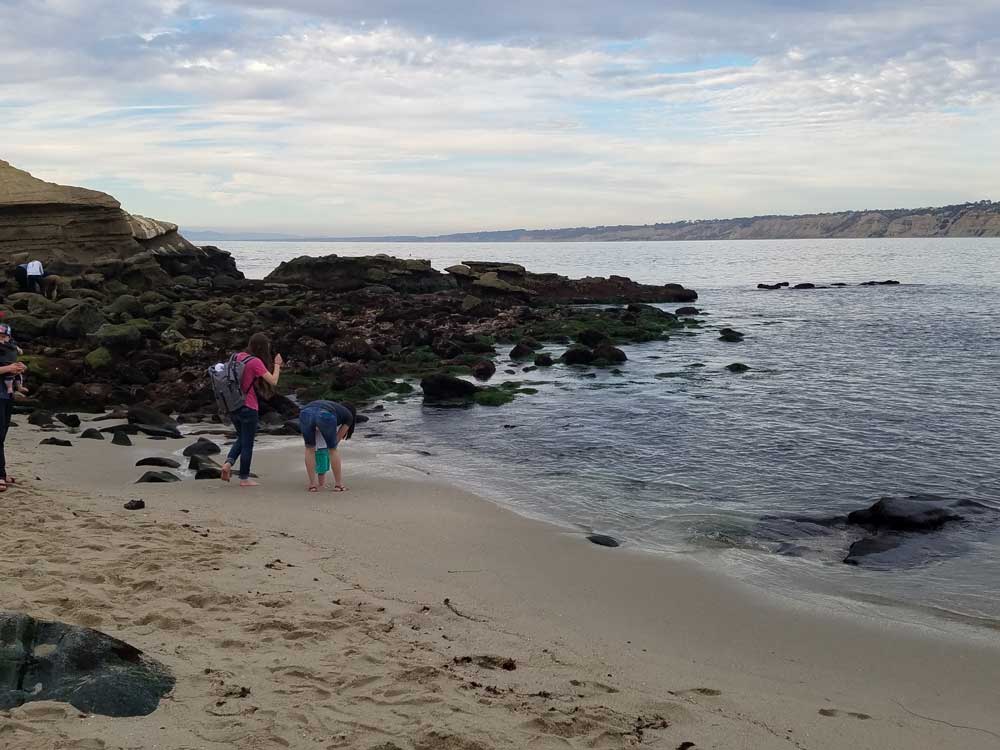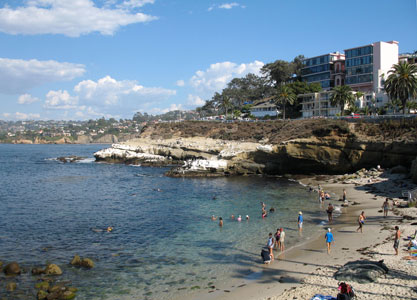

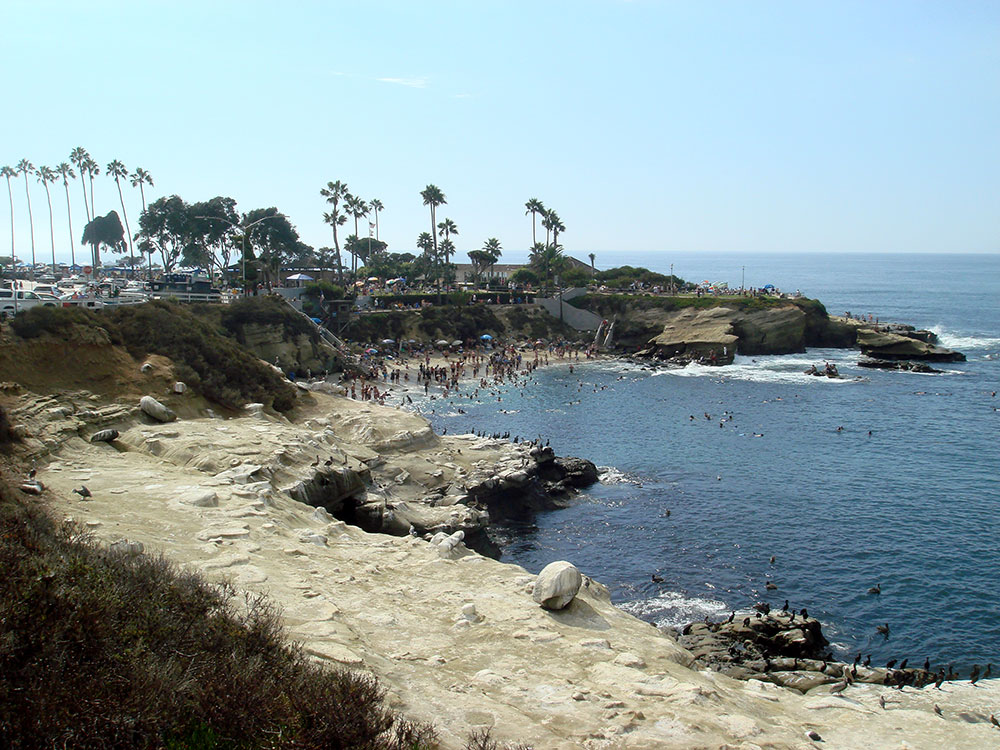
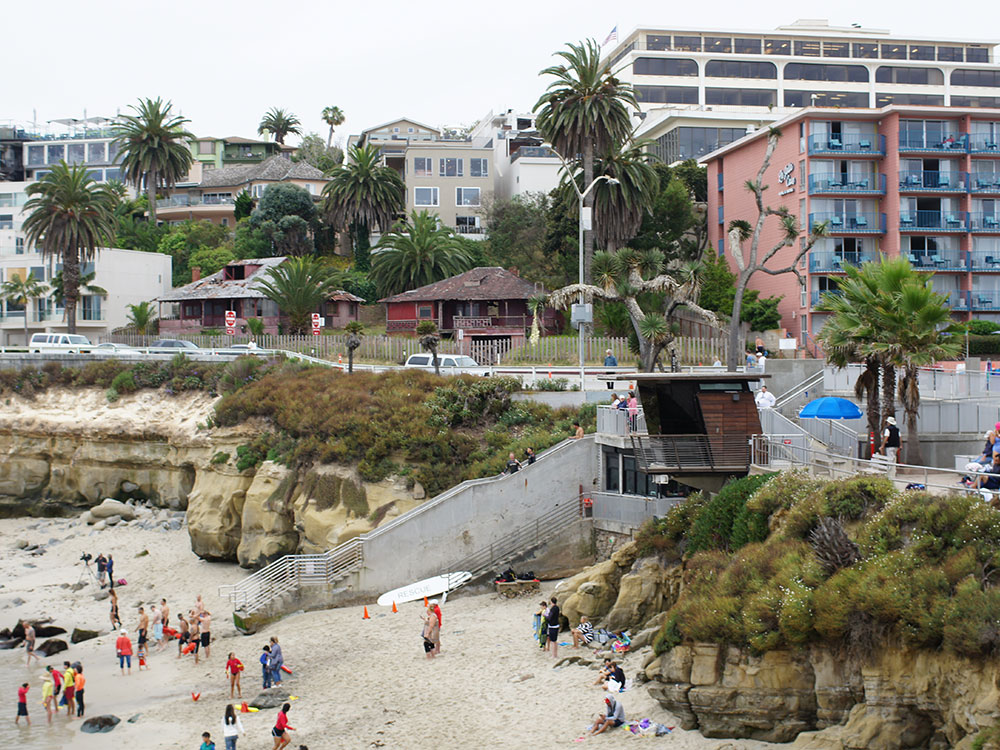
Small, picturesque cove and beach that is surrounded by cliffs. The Cove is protected as part of a marine reserve; underwater it is very rich in marine life, and is popular with snorkelers, swimmers and scuba divers
Dogs are NOT allowed on the beach, boardwalk or adjacent parks between 9am and 6pm from April 1 through October 31.
Getting There
From San Diego (12mi) Get on I-5 N. Follow I-5 N to La Jolla Pkwy. Take exit 26A from I-5 N. Continue on La Jolla Pkwy. Take Torrey Pines Rd to Coast Blvd.
Overview
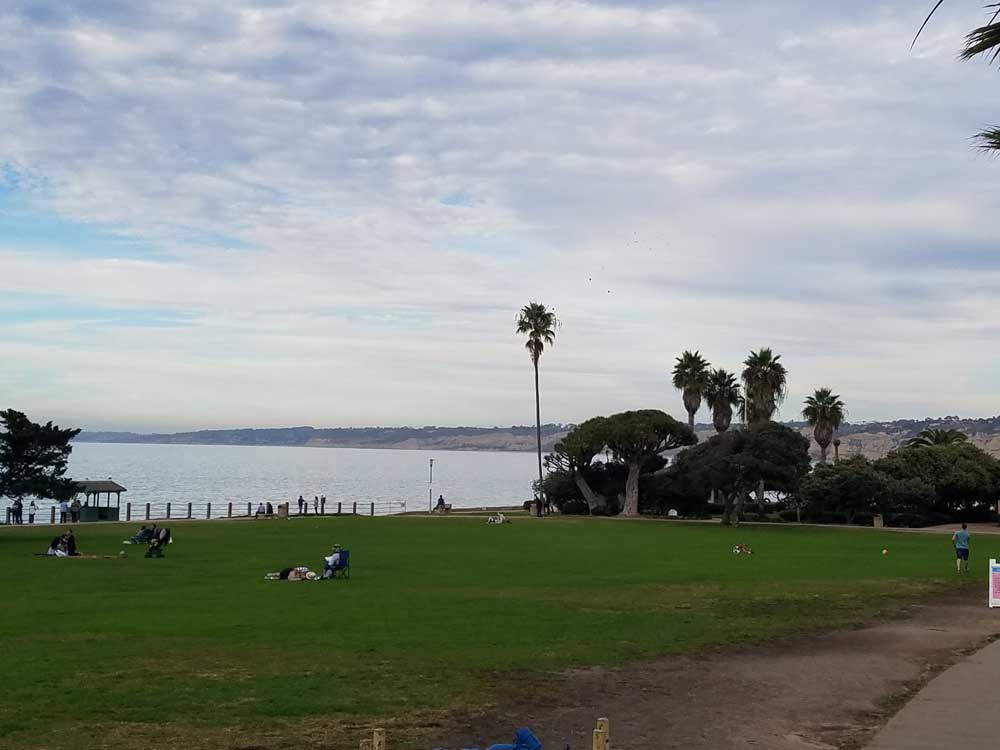
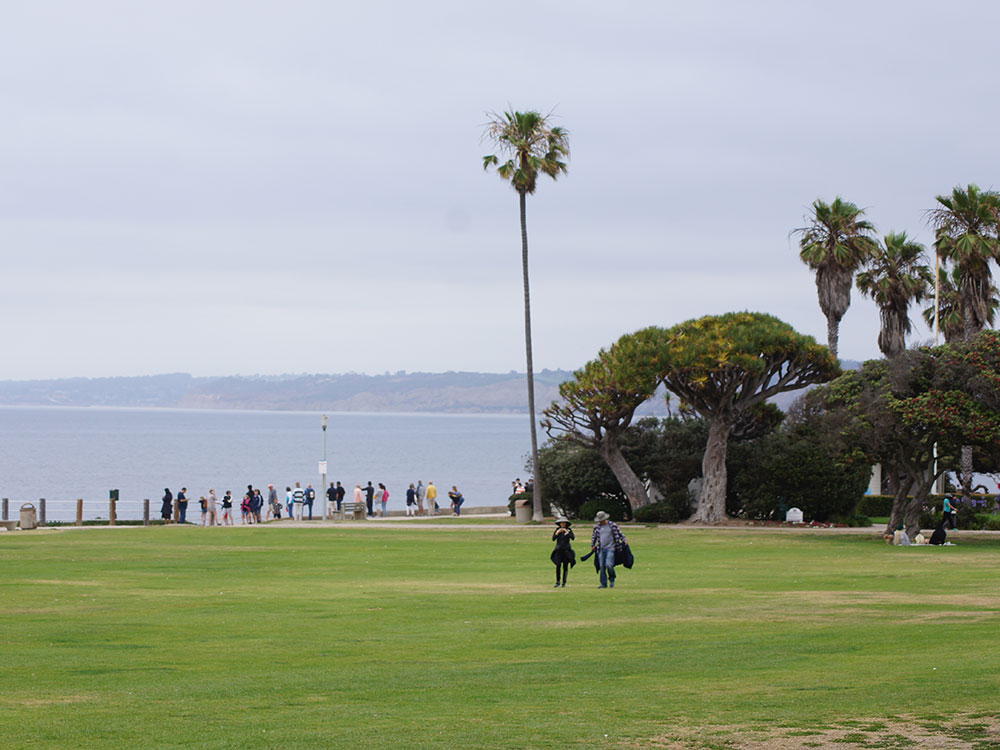
La Jolla Cove is a small, picturesque cove and beach in La Jolla surrounded by cliffs, and part of the San Diego–La Jolla Underwater Park marine reserve, one of the best places for snorkeling, swimming and scuba diving in Southern California. Sea lions and harbor seals rest on the rocks and sea caves, and swells can be strong, so swimmers need good ocean skills. The water is often colder than at other beaches, and Ellen Browning Scripps Park has grassy bluffs above.
Things to Do
Visit One of Southern California's Most Famous Coastal Destinations
La Jolla Cove is a picturesque ocean cove located within San Diego's La Jolla community and is renowned for its crystal-clear water, dramatic sandstone cliffs, abundant marine life, and spectacular coastal scenery. The cove is one of California's most photographed waterfront locations and attracts visitors year-round for sightseeing, recreation, and wildlife viewing.
See Sea Lions and Harbor Seals
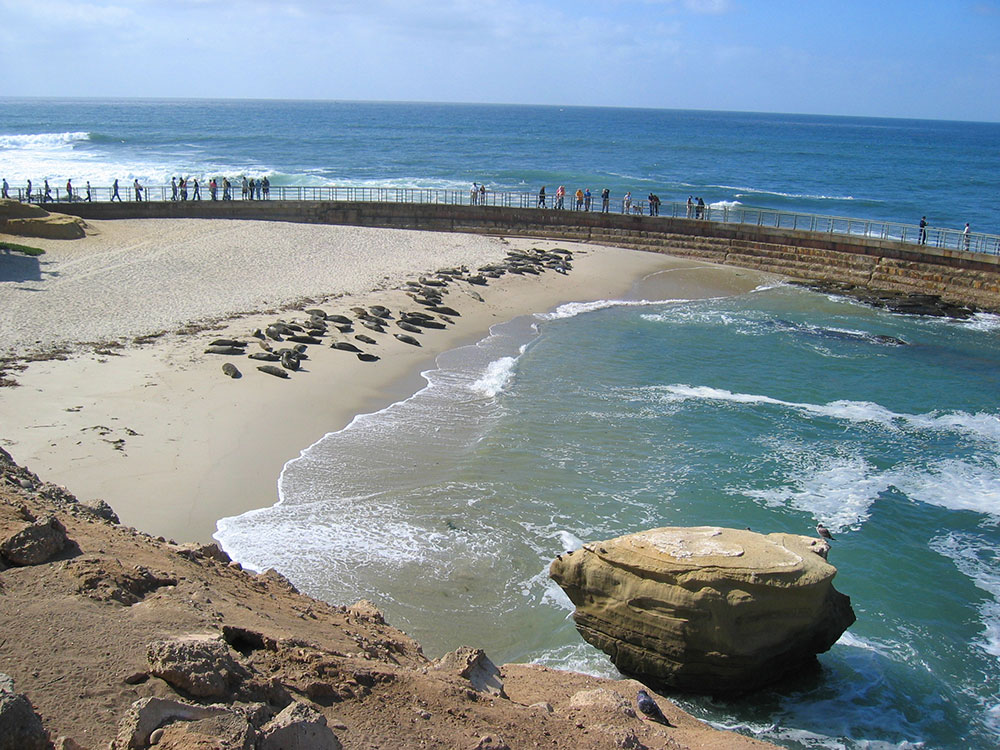
One of La Jolla Cove's most popular attractions is its thriving population of California sea lions and harbor seals. Visitors can observe these marine mammals resting on rocks, swimming in the cove, and interacting in their natural habitat from designated viewing areas along the shoreline.
Enjoy Snorkeling and Scuba Diving
La Jolla Cove lies within the San Diego-La Jolla Underwater Park Ecological Reserve, making it one of the best places in Southern California for snorkeling and scuba diving. Clear water and protected marine habitats allow visitors to observe colorful fish, kelp forests, rays, leopard sharks, and other marine species.
Explore the La Jolla Coast Walk Trail
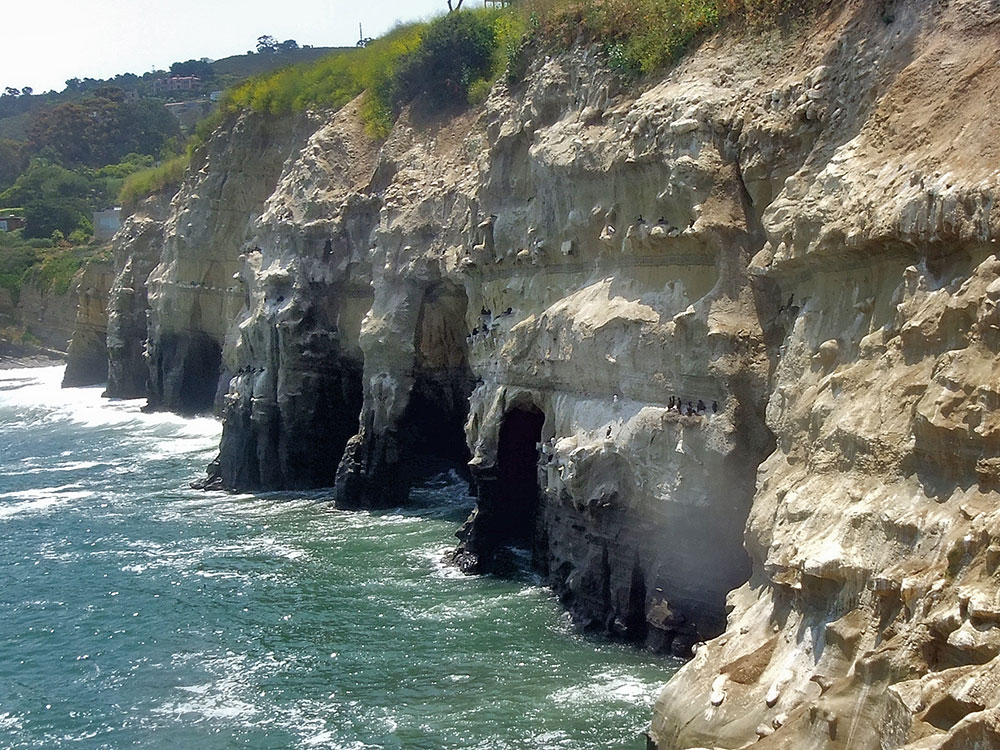
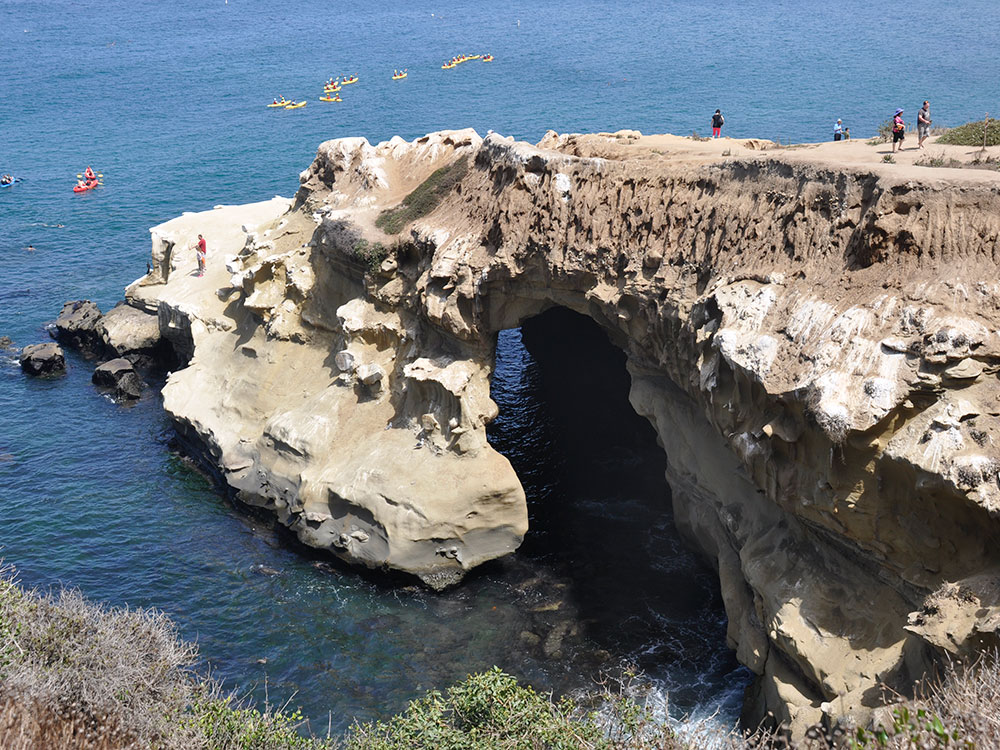
The coastal pathways around La Jolla Cove provide breathtaking views of the Pacific Ocean, sandstone cliffs, sea caves, and nearby beaches. Visitors can enjoy leisurely walks, photography, people-watching, and spectacular sunsets along the scenic coastline.
Visit the Children's Pool and Sea Caves
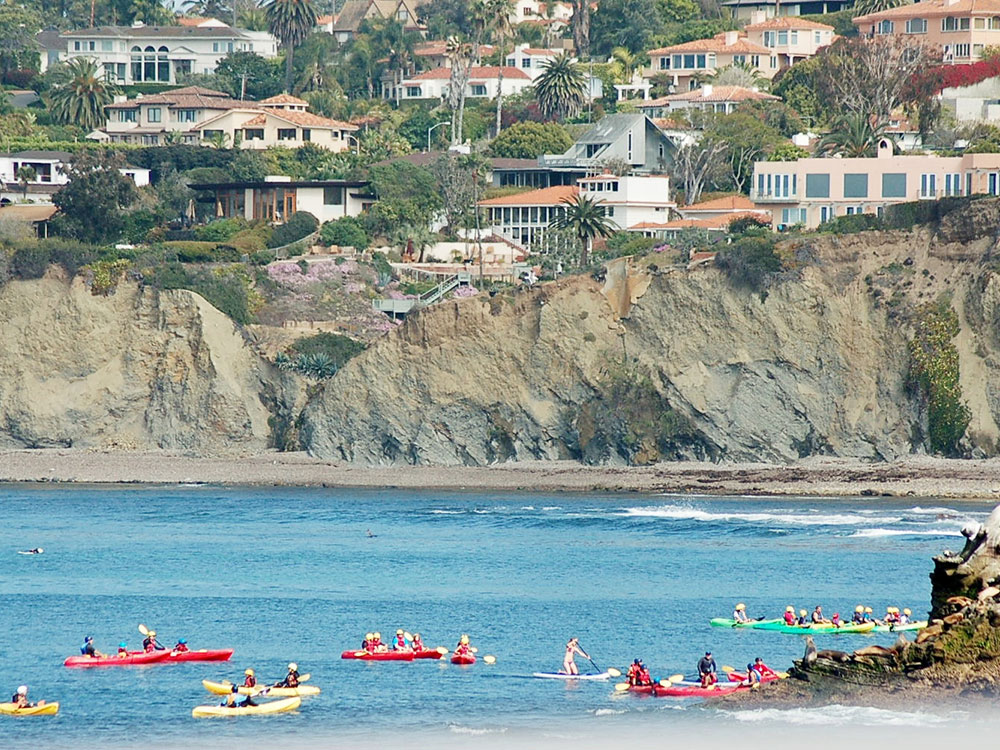
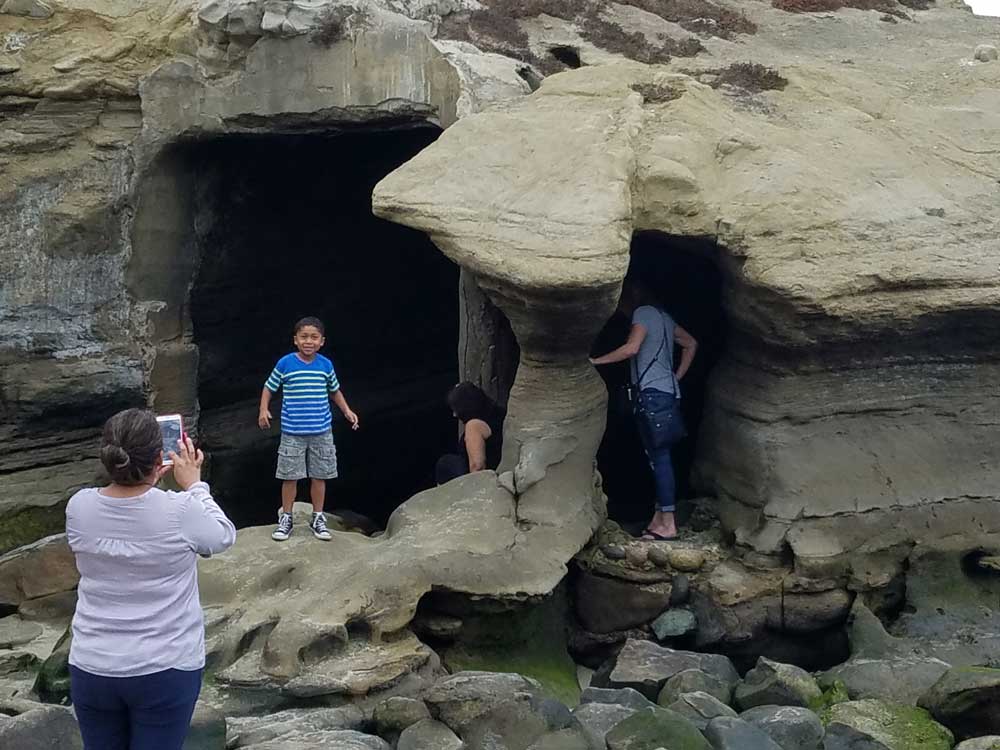
Nearby attractions include the Children's Pool, a protected beach frequently used by harbor seals, and the famous La Jolla sea caves. Guided kayak tours and boat excursions allow visitors to explore these unique geological formations from the water.
Experience Downtown La Jolla
Just steps from the cove, downtown La Jolla offers upscale shopping, art galleries, restaurants, cafés, and cultural attractions. Visitors can combine a visit to the cove with dining, shopping, and exploring the vibrant village atmosphere.
Top Trails
La Jolla Coast Walk Trail
Length: Approximately 0.6 miles one way
Elevation Gain: Minimal
Difficulty: Easy
This scenic bluff-top path offers spectacular views of La Jolla Cove, the Pacific Ocean, sea lions, and coastal cliffs. It is one of the most popular walking routes in the area and provides excellent photography opportunities.
Ellen Browning Scripps Park Walk
Length: Approximately 1 mile round trip
Elevation Gain: Minimal
Difficulty: Easy
Following the oceanfront near the cove, this walk passes through beautifully maintained lawns and overlooks with panoramic views of the coastline, marine wildlife, and surrounding beaches.
La Jolla Shores to La Jolla Cove Coastal Route
Length: Approximately 3 miles round trip
Elevation Gain: Minimal to Moderate
Difficulty: Easy
This scenic coastal route connects La Jolla Shores with La Jolla Cove, providing access to beaches, viewpoints, sea caves, and some of the most beautiful ocean scenery in San Diego County.
Torrey Pines Extension Coastal Walk
Length: Varies by route
Elevation Gain: Moderate
Difficulty: Easy to Moderate
Visitors seeking a longer coastal adventure can connect to nearby trails and pathways that extend north toward Torrey Pines, offering additional ocean views and opportunities for wildlife observation.
Sources: City of San Diego and San Diego-La Jolla Underwater Park information, including details on La Jolla Cove, marine life, snorkeling, diving, sea lions, and coastal recreation.
https://sandiego.govhttps://sandiego.gov
Additional information verified through La Jolla visitor resources covering the Coast Walk Trail, Children's Pool, sea caves, wildlife viewing, kayaking opportunities, and recreational attractions near La Jolla Cove.
https://lajolla.comhttps://lajolla.com
This article uses material from the Wikipedia article "La Jolla Cove", and "Children's Pool Beach", which is released under the Creative Commons Attribution-Share-Alike License 3.0





-1000.jpg)
.jpg)