Black's Beach

Abeach4u, CC BY-SA 3.0, via Wikimedia Commons; Image Size Adjusted

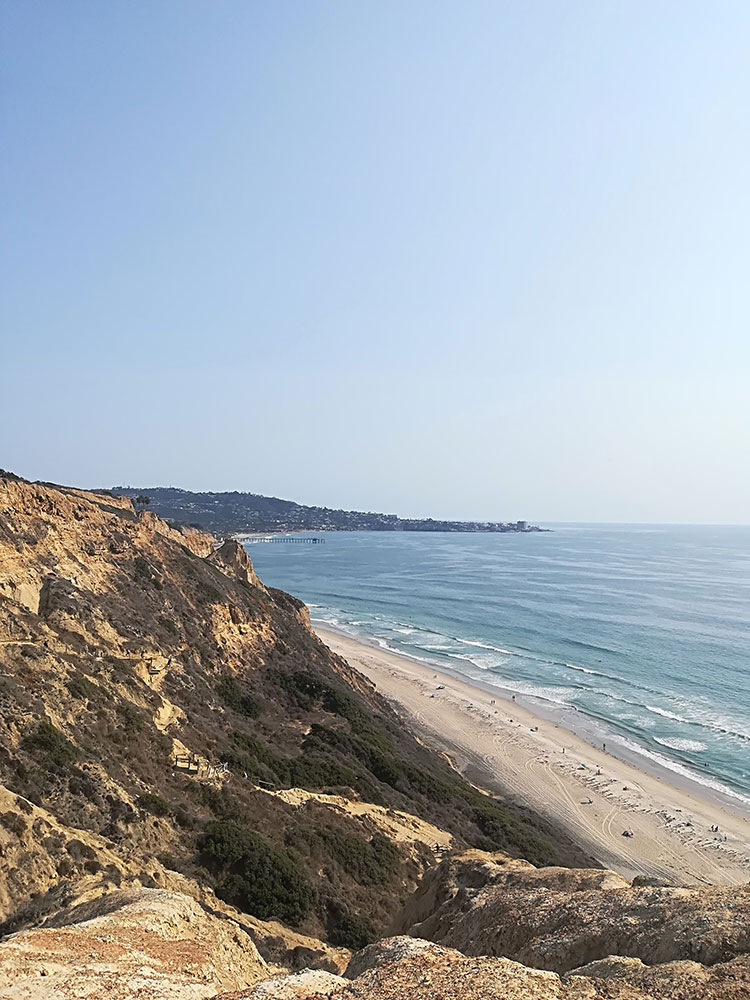
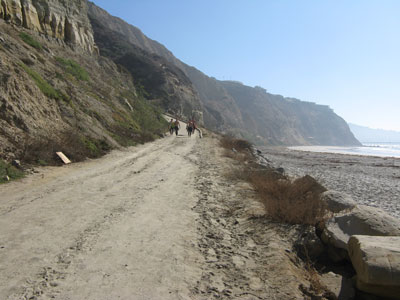
Secluded section of beach beneath the bluffs of Torrey Pines on the Pacific Ocean in La Jolla, San Diego

General Information
Hours:
24/7
Fees:
No fees
Pet Policy:
Dogs are NOT allowed on the beach, boardwalk or adjacent parks between 9am to 4pm from Nov. 1 through March 31.
Dogs are NOT allowed on the beach, boardwalk or adjacent parks between 9am and 6pm from April 1 through October 31.
Closest cities with hotels:
San Diego
Seasons:
All year
Location:
Website:
Rating:
5.0
San Diego, CA Weather Forecast

Get on I-5 N. Follow I-5 N to Genesee Ave. Exit from I-5 N. Follow Genesee Ave, N Torrey Pines Rd and Torrey Pines Scenic Dr to destination

Black's Beach is a secluded section of beach beneath the bluffs of Torrey Pines on the Pacific Ocean in La Jolla, San Diego, California. It is officially part of Torrey Pines State Beach. The northern portion of Black's Beach is owned and managed by the California Department of Parks and Recreation, while the southern portion of the beach, officially known as Torrey Pines City Beach, is jointly owned by the city of San Diego and the state park, but is managed by the city of San Diego. Black's Beach was named for the Black family who had a horse ranch overlooking the beach.

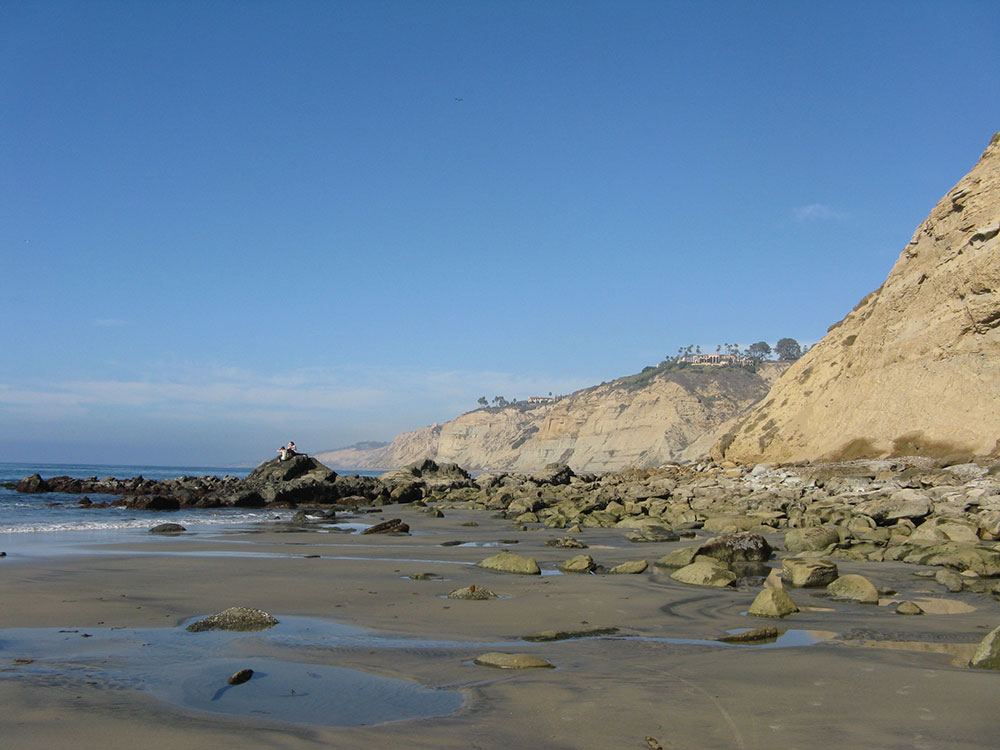
Black's Beach is about one mile north of the popular La Jolla Shores beach in La Jolla, below the bluffs of Torrey Pines, which extend up to 300 feet (91 m) above the sandy beach. On the bluffs above Black's Beach are the Torrey Pines Gliderport, Torrey Pines Municipal Golf Course, Salk Institute for Biological Studies, and Torrey Pines State Reserve. To the north of Black's Beach lies the rest of Torrey Pines State Beach, which altogether stretches 4.5 miles (7.2 km) from Del Mar, California, past the Los Peñasquitos Lagoon toward Scripps Beach.

Abeach4u, CC BY-SA 3.0, via Wikimedia Commons ; Image Size Adjusted

The southern portion of Black's Beach is known to surfers as one of the most powerful surf breaks in Southern California. The waves gain their power due to the focusing effects of Scripps Canyon, an underwater canyon just offshore in the San Diego-La Jolla Underwater Park. Because of the sometimes large surf, fast breaking waves, and aggressive crowds, Black's is a dangerous surfing location, advisable for advanced surfers only.

Black's Beach can be difficult to access due to its location beneath the Torrey Pines bluffs. Beachgoers are warned to avoid setting up beach sites too close to the cliffs. There are four access routes to Black's Beach.

Torrey Pines Gliderport Trail - the most popular route to Black's Beach is via the trail from the Gliderport, located between the Torrey Pines Gliderport and the Salk Institute for Biological Studies. This steep rugged trail down the 300-foot (91 m) cliffs is usually well maintained, but the city of San Diego posted a “Do Not Use” sign there, as the Torrey Pines cliffs are unstable. Visitors are advised to stay on the designated trails since many people have gotten stuck or even fallen to their deaths on the cliffs.

Salk Canyon Road from UCSD - Students from the University of California, San Diego have access to this steep, 0.5-mile (0.80 km) long, gated, paved road at the southern end of Black's Beach, which is popular with surfers.

Torrey Pines State Beach - A 2-mile (3.2 km) walk south from the parking lot at the base of Torrey Pines State Reserve, along the steep cliffs, and past Flatrock arrives at Black's Beach.

La Jolla Shores - If the tide is low, a 3-mile (4.8 km) walk north from La Jolla Shores beach, past Scripps Pier and the rocky tidepools of Scripps Beach takes visitors to Black's Beach. The route is blocked at high tides. During low tide, it is also possible to walk from Torrey Pines State beach to Black's Beach.

This article uses material from the Wikipedia article "Black's Beach", which is released under the Creative Commons Attribution-Share-Alike License 3.0
Åshild Telle, CC BY-SA 4.0, via Wikimedia Commons; Image Size Adjusted