
State park located 3 miles north of Fort Bragg, covering 9 miles of coastline and contains beaches, dunes, headlands, coves, wetlands, tide pools, forest, and a freshwater lake
General Information
Visitor Center: 11am to 4pm
Senior discount: $7
Walk-in and bike access: Free
How to Get There
From Mendocino, CA (10 mi): Head north on CA-1 for approximately 10 miles; turn left onto Mackerricher Park Road and follow signs to the park entrance.
Overview
MacKerricher State Park is located 3 miles (4.8 km) north of Fort Bragg. It covers 9 miles (14 km) of coastline and contains several types of coastal habitat, including beaches, dunes, headlands, coves, wetlands, tide pools, forest, and a freshwater lake.
Natural features
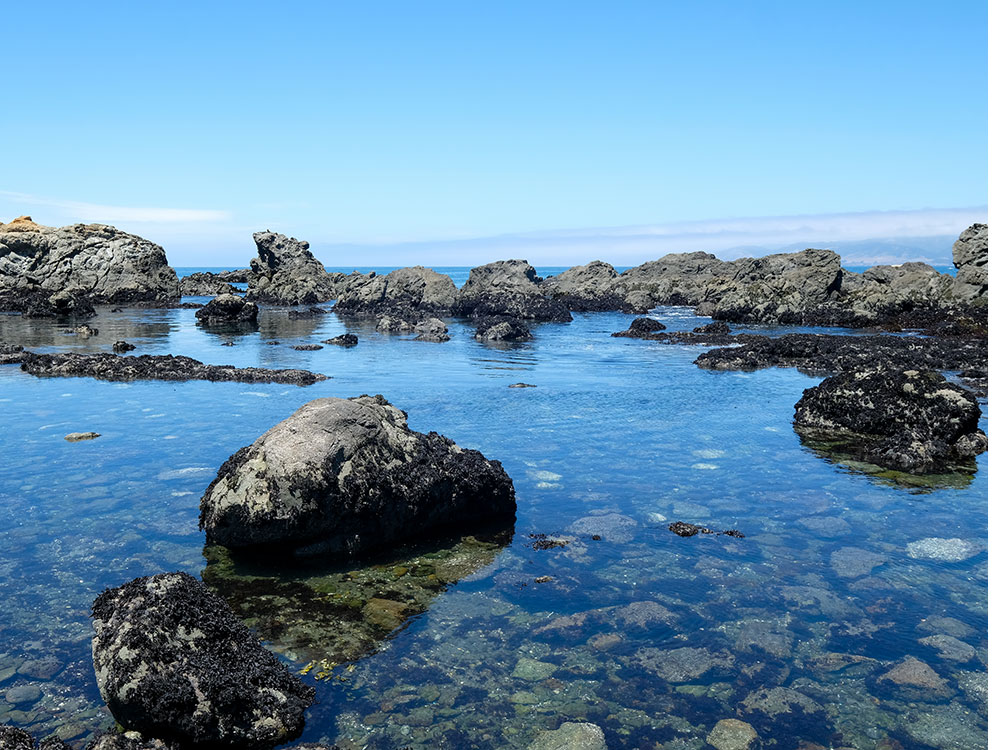
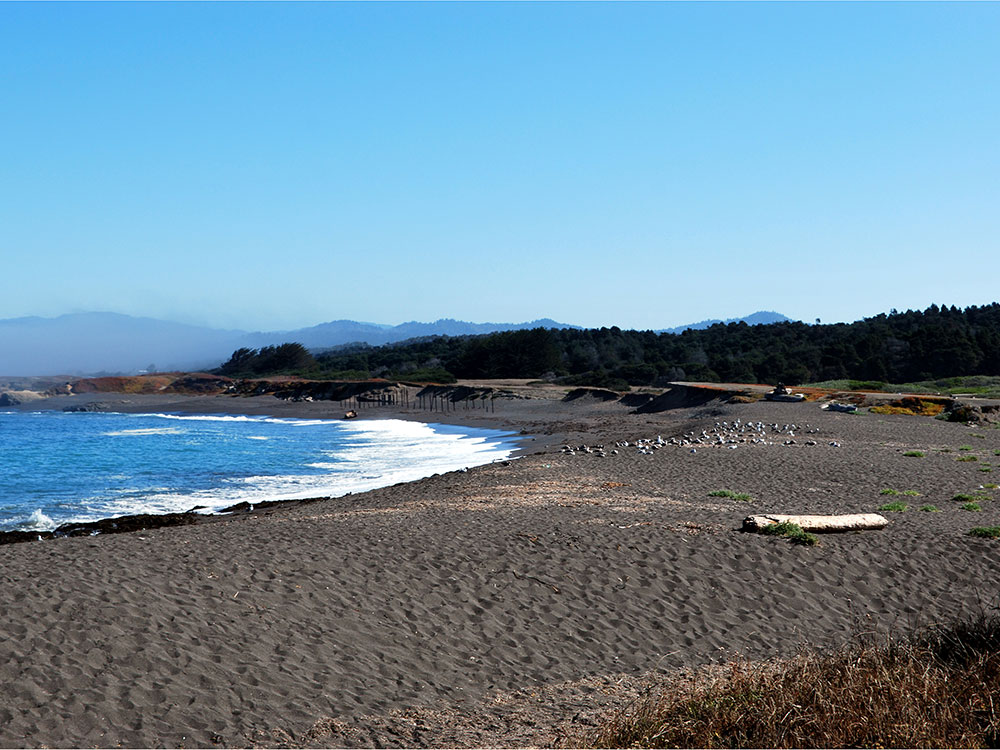
The northern coastline of the park is a long, sloping beach, and the southern section is made up of rocky cliffs and flats separating smaller strips of beach. Inland from the ocean is Lake Cleone, a former brackish marsh that was closed by the construction of a road and became a 30 acres (12 ha) freshwater lake. Much of the northern section of the park is occupied by the Inglenook Fen Ten Mile Dunes Preserve, a sensitive dune complex with wetland and terrestrial vegetation zones. Laguna Point is a peninsula near the middle of the park. The Ten Mile River marks the upper boundary of the park, and several creeks drain run through the landscape and into the Pacific Ocean.
The headlands are covered in grasses and wildflowers. Wooded areas just inland have stands of bishop pine (Pinus muricata), shore pine (Pinus contorta), and Douglas fir (Pseudotsuga menziesii). The park contains 95% of the entire distribution of the rare Mendocino spineflower (Chorizanthe howellii), which grows in the protected dunes of the Inglenook Preserve. Animals in the area include harbor seals, which haul out on the rocks to sun. Gray whales on their annual migration are visible from shore between December and April, providing whale watching opportunities. Other mammals include black-tailed deer, raccoons, gray foxes, and occasionally mountain lions. There are many forms of tide pool life. There are more than 90 species of birds, including migratory waterfowl and permanent residents such as ospreys, great blue herons, ring-necked ducks, and mallards. The tidewater goby (Eucyclogobius newberryi) is an endangered species of fish that lives in the local creeks and rivers. Some of these waterways were recently designated critical habitat for the fish, and the park may be expanded to preserve it.
Recreation
Parks staff leads hikes and whale watching ventures. It maintains campgrounds and other facilities. Lake Cleone is available for fishing. There are trails for walking, cycling, and horseback riding.
Glass Beach
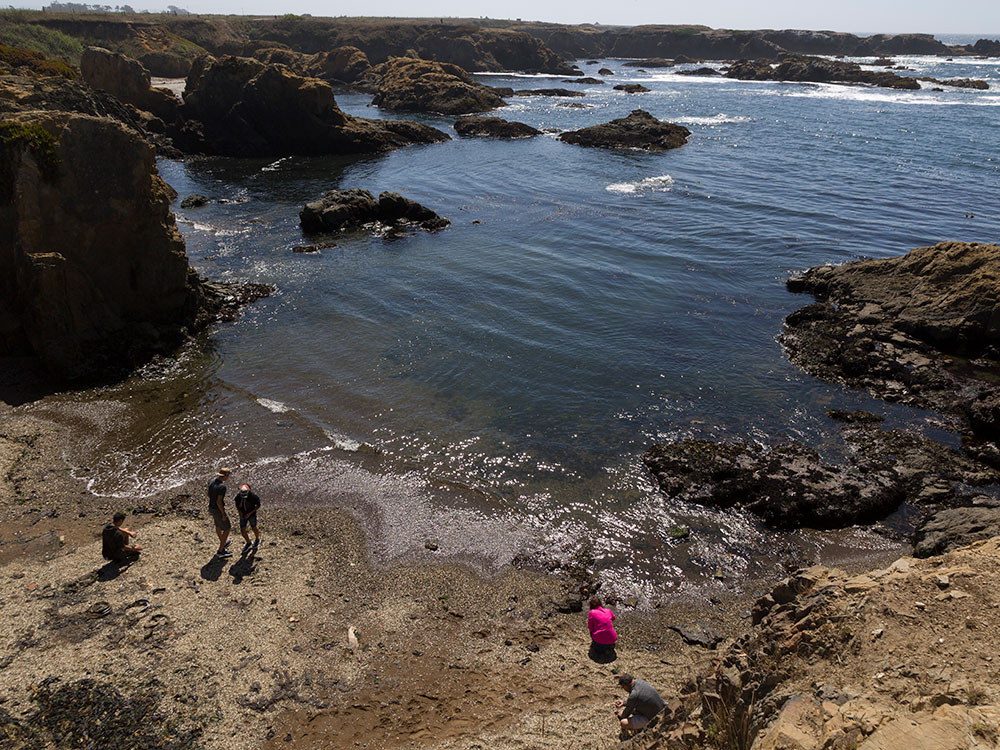
Glass Beach, at the southern end of the park, is famous for its fields of sand-polished glass pebbles. They are remnants of garbage that was piled on the beach when it was used as a dump by area residents in the 1950s and '60s. After decades of friction in the tides, discarded broken glass has been reduced to smooth, attractive trinkets sought by casual collectors.
Things to Do
Explore One of Northern California's Premier Coastal Parks
MacKerricher State Park stretches along nine miles of spectacular Mendocino County coastline near Fort Bragg and protects a diverse landscape of sandy beaches, rugged headlands, coastal dunes, wetlands, forests, and marine habitats. The park is one of the most popular destinations on the North Coast for wildlife viewing, hiking, beachcombing, and enjoying the scenic Pacific coastline.
Visit Laguna Point and Watch Marine Wildlife
Laguna Point is one of the park's most famous attractions and offers exceptional opportunities to observe harbor seals, sea lions, seabirds, and migrating gray whales. Interpretive signs and viewing platforms help visitors learn about the marine ecosystem while enjoying panoramic ocean views.
Explore Glass Beach Nearby
Located at the southern end of the park near Fort Bragg, Glass Beach is famous for its colorful sea glass deposits created by decades of wave action. Visitors can admire this unique shoreline while learning about its environmental restoration history.
Discover Coastal Wetlands and Dune Habitats
MacKerricher State Park contains extensive wetland and dune systems that support a rich variety of wildlife. Birdwatchers can observe herons, egrets, waterfowl, shorebirds, and numerous migratory species throughout the year.
Enjoy Beachcombing and Tide Pool Exploration
The park's beaches provide opportunities for beachcombing, tide pooling, photography, and exploring the rugged North Coast shoreline. During low tide, visitors can observe sea stars, anemones, crabs, and other marine life in rocky intertidal habitats.
Experience Camping and Outdoor Recreation
The park offers campgrounds near the coast, making it a popular destination for overnight stays. Visitors can enjoy hiking, cycling, horseback riding, wildlife photography, fishing, and relaxing among the area's scenic natural surroundings.
Top Trails
MacKerricher Haul Road Trail
Length: Approximately 6 miles one way
Elevation Gain: Minimal
Difficulty: Easy
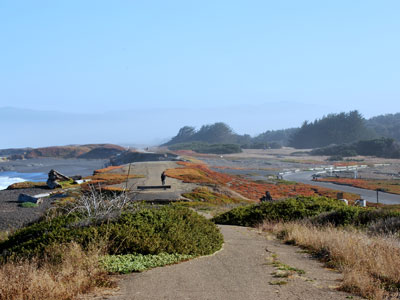
Following a former logging railroad route, this multi-use trail travels along the coastline and provides access to beaches, wetlands, wildlife viewing areas, and scenic ocean overlooks. It is popular for hiking, biking, and walking.
Laguna Point Boardwalk Trail
Length: Approximately 1 mile round trip
Elevation Gain: Minimal
Difficulty: Easy
This accessible boardwalk leads visitors through coastal habitats to Laguna Point, where viewing platforms provide excellent opportunities to observe seals, whales, seabirds, and dramatic coastal scenery.
Ten Mile Dunes Trail
Length: Approximately 3 miles round trip
Elevation Gain: Minimal
Difficulty: Easy
This scenic trail traverses coastal dune ecosystems and offers views of the Pacific Ocean, wetlands, and the Ten Mile River estuary. The route is especially popular for birdwatching and photography.
Lake Cleone Trail
Length: Approximately 1.5 miles loop
Elevation Gain: Minimal
Difficulty: Easy
This peaceful trail circles Lake Cleone and passes through forested habitats rich in birdlife and native vegetation. It provides a quieter hiking experience away from the coastal bluff areas.
Sources: California State Parks official MacKerricher State Park information, including details on Laguna Point, Ten Mile Dunes, coastal habitats, wildlife viewing opportunities, campgrounds, trails, and visitor amenities.
https://www.parks.ca.gov/?page_id=436https://www.parks.ca.gov/?page_id=436
Additional information verified through Mendocino County visitor resources covering Glass Beach, harbor seal viewing, coastal wetlands, birdwatching opportunities, recreational activities, and natural features throughout MacKerricher State Park.
https://www.visitmendocino.com/https://www.visitmendocino.com/
This article uses material from the Wikipedia article "MacKerricher State Park", which is released under the Creative Commons Attribution-Share-Alike License 3.0
Featured Location
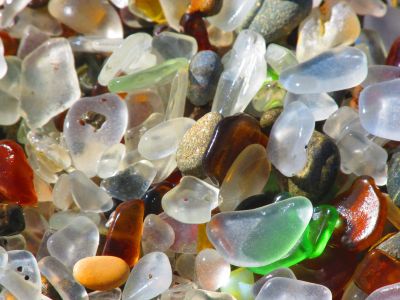
Glass Beach
Beach adjacent to MacKerricher State Park named from abundant sea glass created from years of dumping garbage into an area